


Framed Monochrome Engraving
When a framed monochrome engraving catches the eye, it brings centuries of printmaking craft and historic portraiture directly to the wall.
Framed Monochrome Engraving
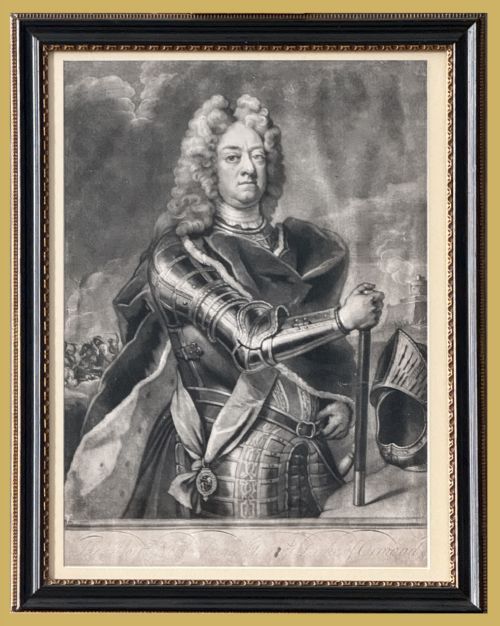
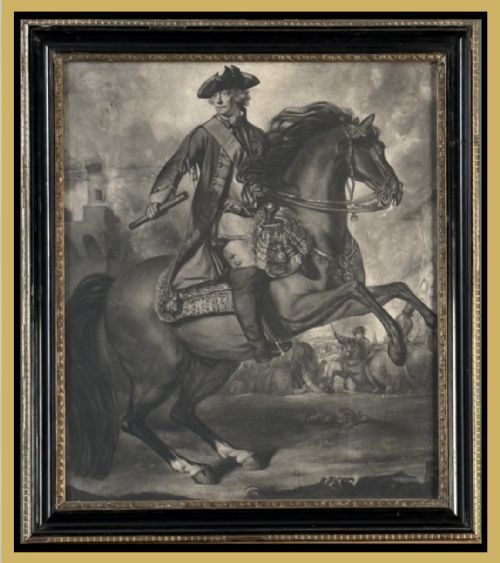
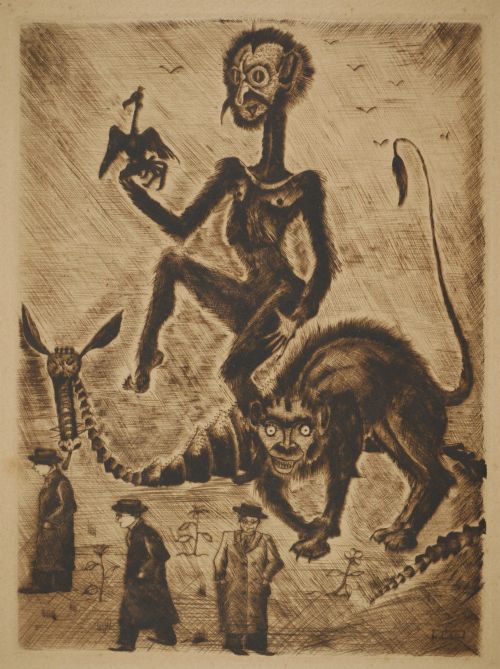
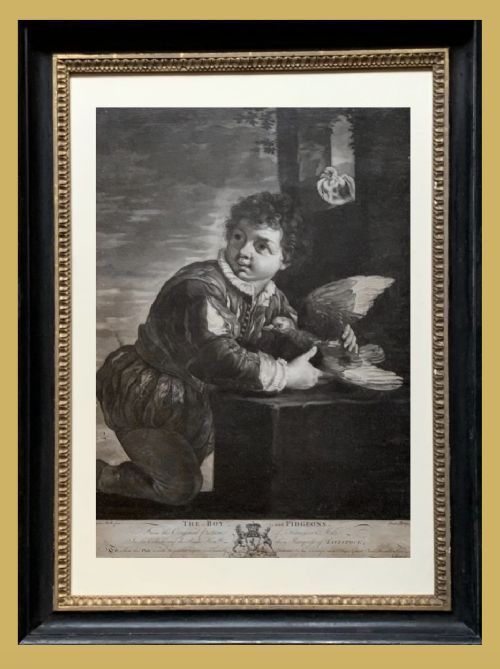
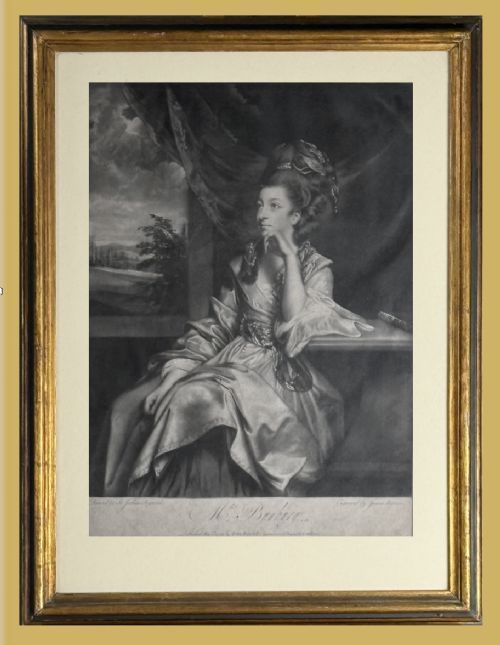
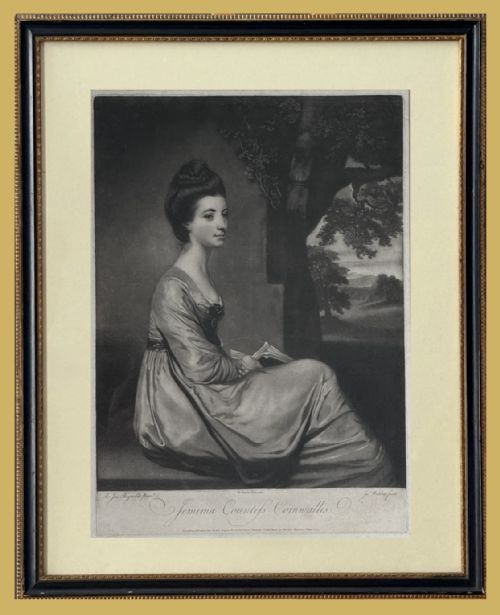
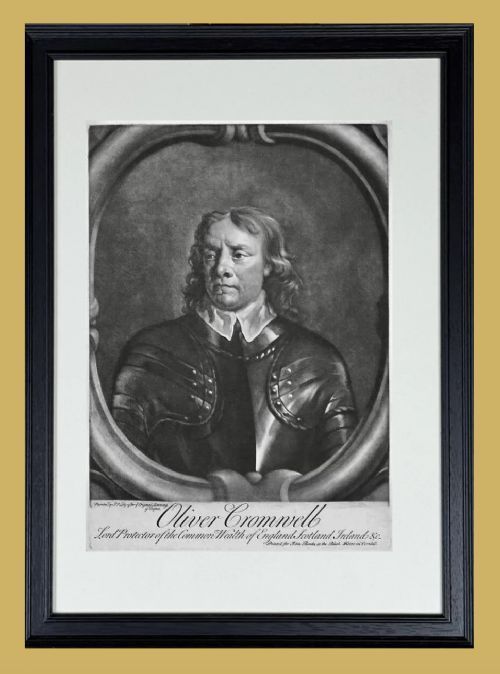
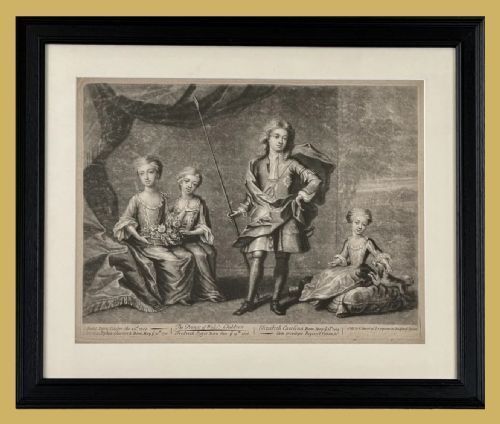
A framed monochrome engraving on this page typically presents historical figures, portraits, and decorative scenes produced during the seventeenth, eighteenth, and nineteenth centuries.
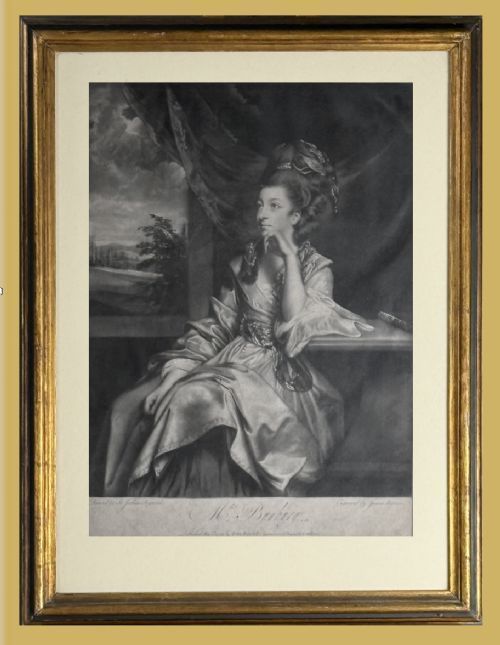
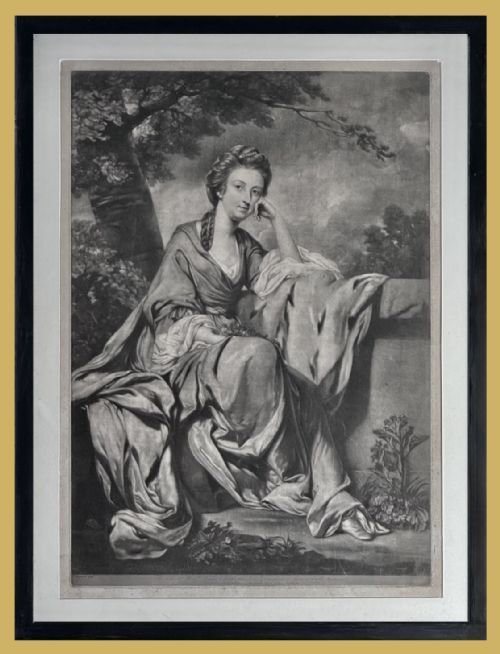
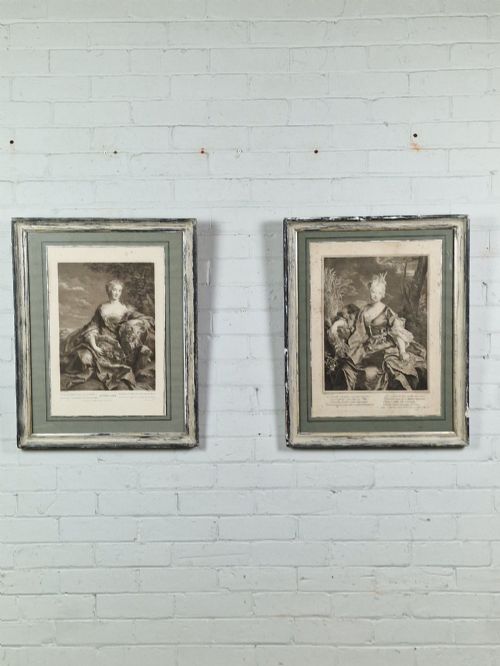
Collectors encounter numerous mezzotint portraits after painters such as Sir Joshua Reynolds, alongside French engravings, etchings, and drypoints spanning into the early twentieth century.
The assortment ranges from large oak-framed decorative prints and architectural plates to intimate royal likenesses preserved behind glass.
Materials and construction
These works rely on inked paper impressions housed securely behind protective glass within traditional wood frames, often enhanced by gold leaf or gilt details.
Printmakers utilised copper or metal plates, employing engraving, etching, drypoint, or mezzotint techniques to transfer fine monochromatic tones onto the sheet.
Listings incorporate works spanning from the seventeenth century through the 1930s, utilising paper, ink, glass, oak, and gold leaf.
Assessing the pieces
Distinction across the range depends upon the depth of the plate impression, the crispness of the dark and light ink gradients, and the fidelity of the secondary press work.
The integrity of the original framing, whether period wood, oak, or gilt, alongside the preservation of the paper beneath the glass, shapes the overall character of the piece.
John Simon·Edward Fisher·John Boydell·James Watson·John Smith·Joseph Sympson·John Faber Jr·Valentine Green
The Framed Monochrome Engraving Glossary
- Mezzotint
- A printmaking process where the copper plate is roughened uniformly to hold ink and produce rich, dark tones with smooth gradations. It gained popularity for reproducing oil paintings.
- Drypoint
- An intaglio printmaking technique where an artist scratches directly into a metal plate with a sharp needle, raising a burr that creates velvety lines. This delicate ridge wears down quickly during printing.
- Etching
- A method where acid bites lines into a metal plate protected by a resistant ground, allowing the artist to draw freely. The resulting plate holds ink for the printing press.
- Gilt
- A thin layer of gold or gold-like material applied to wood frames to provide a reflective surface. It is common on period frames from the eighteenth and nineteenth centuries.
- Monochrome
- A work executed in a single colour or shades of one colour, such as black or sepia ink on paper. It defines the tonal palette of traditional engravings.
Framed Monochrome Engraving: Frequently Asked Questions
What periods do these engravings cover?
The selections span multiple centuries, originating predominantly from the seventeenth, eighteenth, and nineteenth centuries, with occasional early twentieth-century examples.
This broad timeline encompasses Georgian elegance, Baroque formality, and later Victorian or Edwardian interpretations of classic printmaking.
How should these framed prints be displayed?
They belong on interior walls away from direct sunlight to protect the paper and ink from fading over time.
Pairing them with traditional wood or gilt frames allows the artwork to integrate naturally into study spaces, hallways, or living rooms.
Are the frames original to the pieces?
Many works retain period wooden or gilt frames, such as oak mouldings or traditional Hogarth styles that complement the era of the print.
Some pieces have been reframed subsequently to ensure the paper and glass remain properly sealed and protected for modern display.
What subjects appear most frequently?
Portraits of historical figures, nobility, and literary or theatrical personalities dominate the eighteenth-century mezzotints.
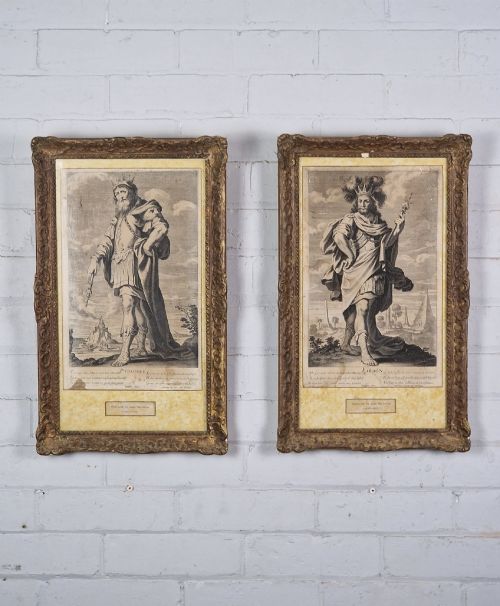
Alongside these sit architectural plates, anatomical studies, and figurative scenes after classical painters.