
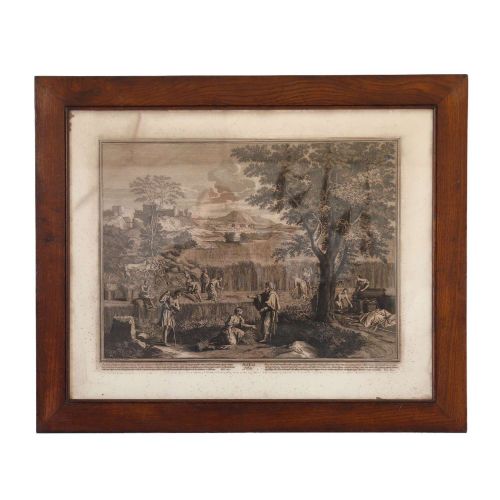
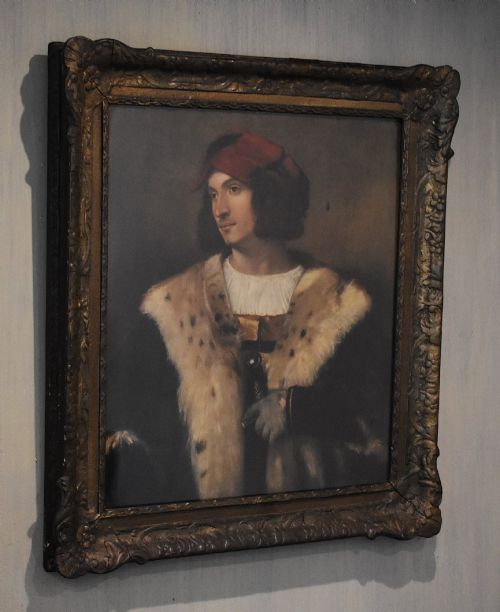


Classical Master Print
A classical master print brings centuries of fine artistry into your home through historic engravings, etchings and mezzotints.
Classical Master Print
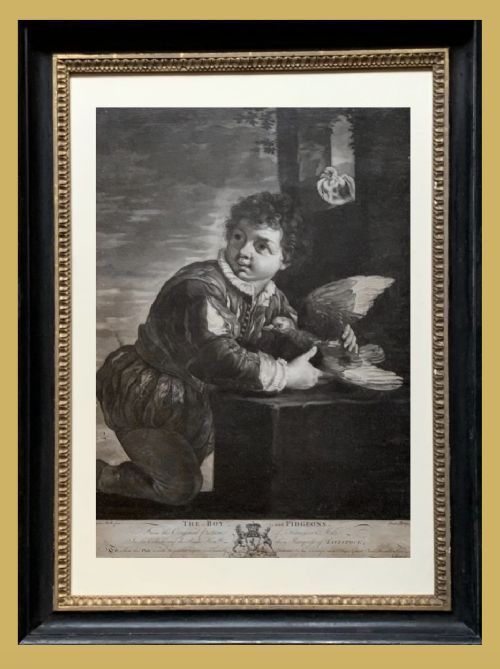
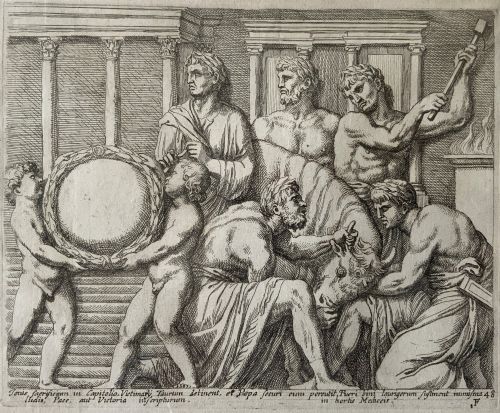
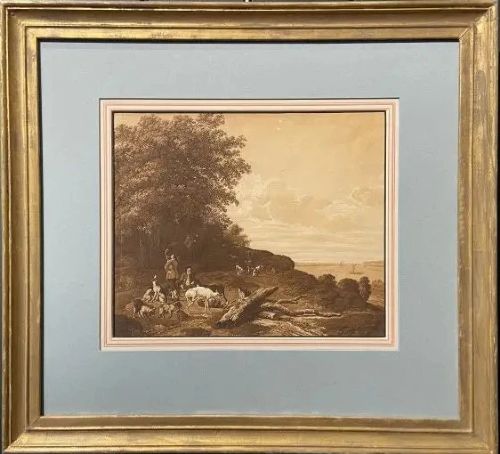
When you search for a classical master print, you examine works spanning the seventeenth century, the eighteenth century, the nineteenth century, and the twentieth century, alongside the Georgian period. These pieces encompass framed prints, wall art, prints and engravings, and framed artwork, often presented in wood, glass, and brass frames.
Buyers frequently encounter framed wall art and engravings that translate paintings by celebrated historical figures into printed form. These works capture centuries of printmaking heritage, from seventeenth-century impressions to modern twentieth-century lithographs.
How They Were Made
Makers utilised paper as the primary support for ink printmaking, alongside canvas for painted interpretations. Engravings and etchings rely on precision line work transferred to paper plates.
Mezzotints employed specialised rocker tools to create tonal gradations on metal plates before printing on paper. Framing materials incorporated wood, glass, velvet, and gold leaf to preserve the works.
Listings feature paper, canvas, and wood, spanning periods from the seventeenth century to the twentieth century.
What Varies in Quality
The nuance of ink impression strength on paper distinguishes sharper early pulls from later impressions. Fine lines in seventeenth-century etchings and engravings retain more definition when the plate is fresh.
The conservation of paper, canvas, and framing elements such as gold leaf and velvet impacts the presentation of the artwork. Period frames and mounting choices reflect the care taken to protect these prints over centuries.
John Boydell·Pier Francesco Mola·François Perrier·Johannes Lingelbach·Anton Weiss·Titian·Sir Joshua Reynolds·Van Dyck·Antonio Capellan·Michelangelo·Pablo Picasso·Polidoro de Caravaggio·Andrea Mantegna·Giovanni Ottaviani
The Classical Master Print Glossary
- Mezzotint
- A printmaking process where the copper plate is roughened to achieve rich dark tones and subtle gradations. This technique allows for smooth transitions between light and shadow.
- Etching
- A method where lines are bitten into a metal plate with acid before ink is applied and transferred to paper. Artists draw through a protective ground to expose the metal.
- Engraving
- A technique involving direct cutting into a metal plate using a sharp tool called a burin. This produces crisp, defined lines characteristic of early master prints.
- Oleograph
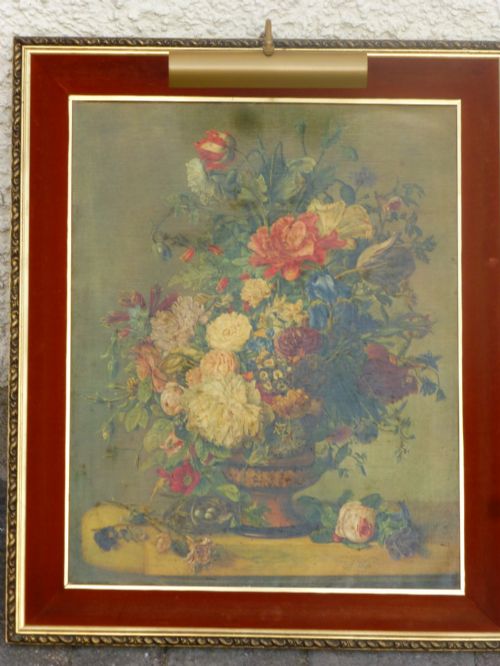
- A textured print produced to imitate an oil painting on canvas. These reproductions replicate the surface texture of brushwork.
- Lithograph
- A planographic printing process based on the repulsion of oil and water on a limestone or metal surface. Artists draw directly onto the stone to create the image.
Classical Master Print: Frequently Asked Questions
What is a classical master print?
These pieces comprise historical engravings, etchings, and mezzotints created after famous compositions. They record centuries of printmaking traditions across various European schools.
Subjects range from classical antiquity and biblical scenes to portraits and mythological battle sequences.
How do I care for framed paper prints?
Paper works require protection from direct sunlight to prevent ink fading and paper degradation. Maintaining stable humidity levels prevents warping in both the paper and its wooden or gilded frame.
Glass fronts protect the delicate surface from dust and atmospheric pollutants while allowing clear viewing.
How do I distinguish seventeenth-century prints?
Early impressions often display plate marks, watermarks in the paper stock, and subtle variations in ink density. Close examination of the engraved lines reveals the characteristics of period hand-printing.
Stylistic cues such as Baroque composition and Dutch Golden Age themes also help contextualise the date of execution.
Where were these artworks displayed?
Historical prints were collected by connoisseurs and bound in portfolios or framed for display in domestic interiors and libraries. They served as accessible versions of monumental paintings.
Today, they function as wall art within traditional and modern residential settings.