



Framed Monochrome Copperplate Prints
When examining framed monochrome copperplate prints, a buyer encounters detailed historical engravings and mezzotints preserved beneath glass in period surrounds.
Framed Monochrome Copperplate Prints
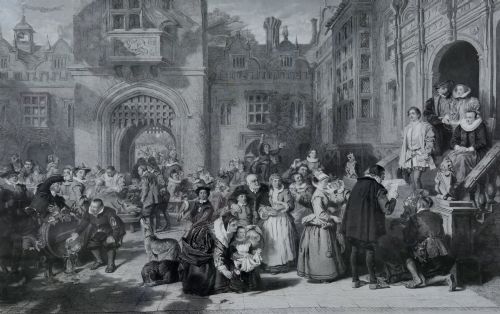
Framed monochrome copperplate prints encompass centuries of engraved works, predominantly featuring 17th-century, 18th-century, and 19th-century portraits, architectural scenes, and classical subjects. These pieces bridge historical documentation and fine art, originating from British, French, and Dutch workshops.
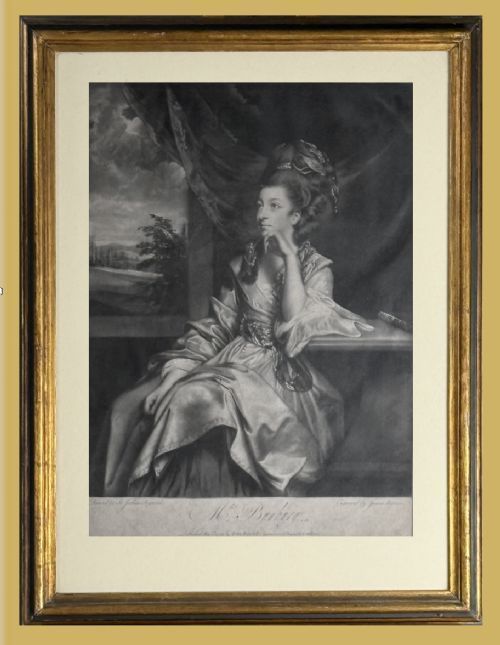
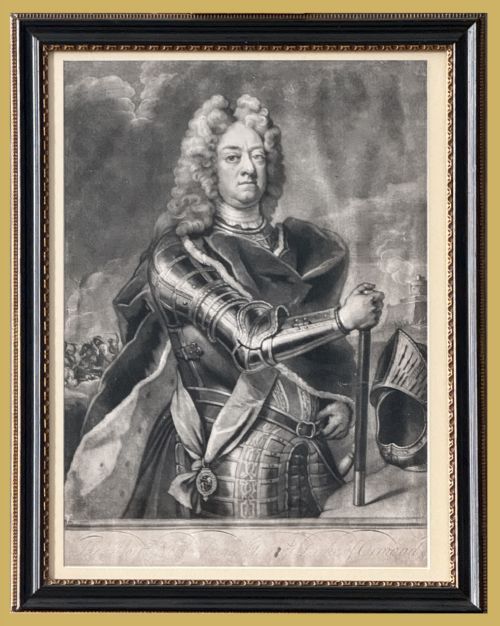
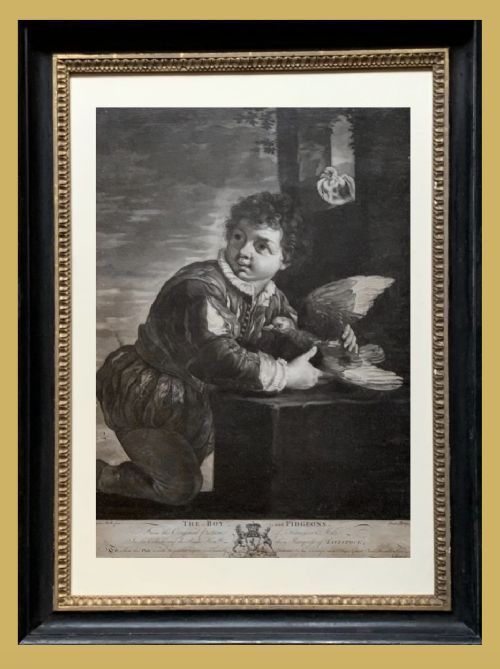
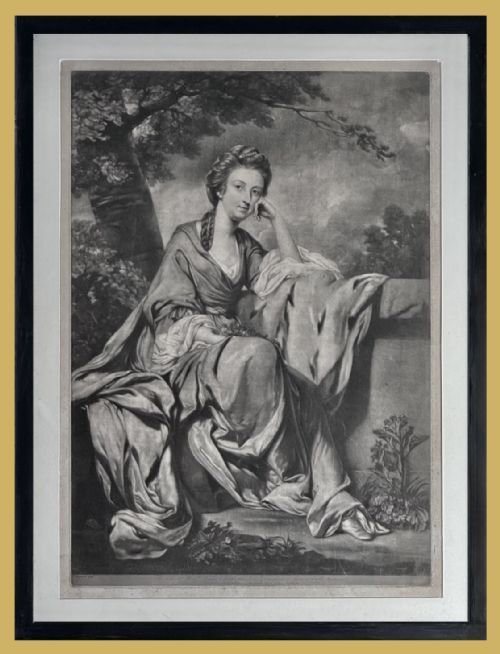
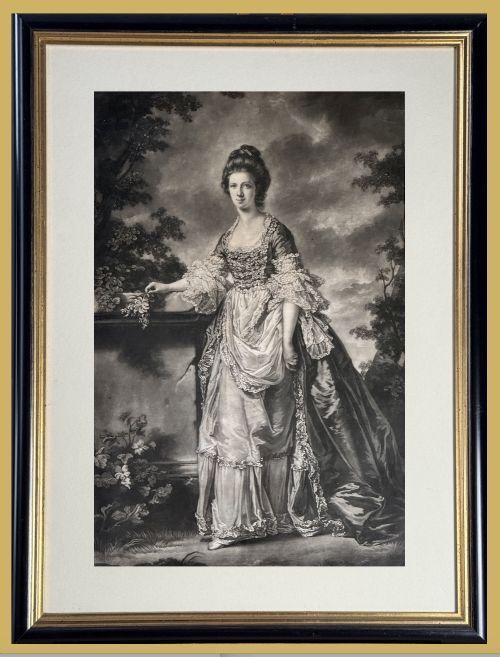
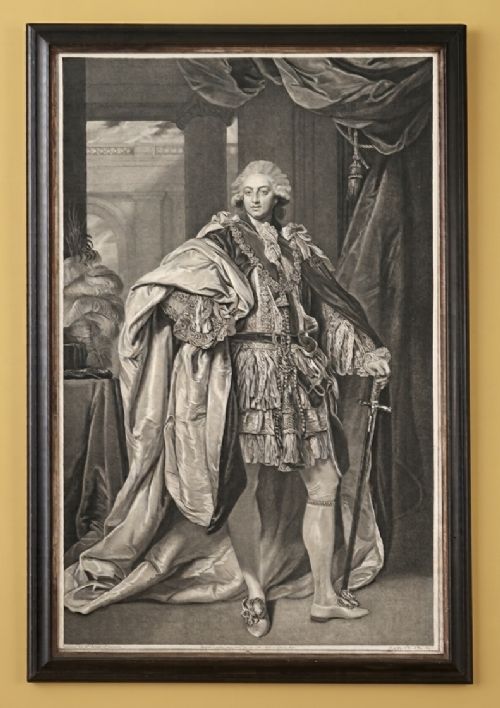
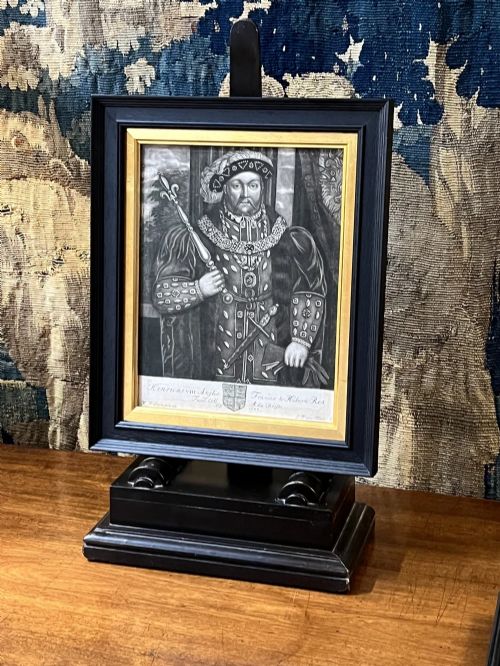
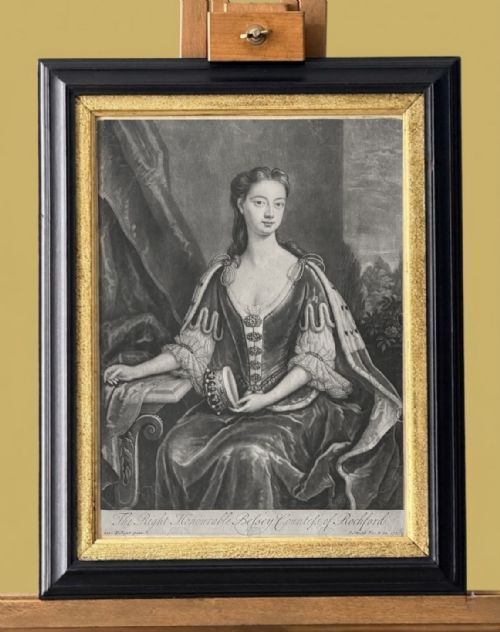
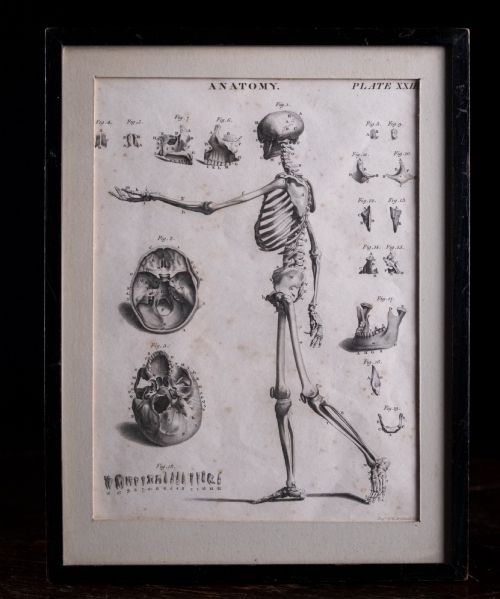
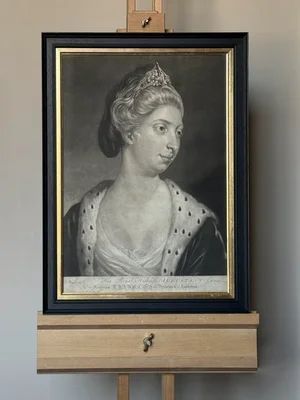
The most common examples on this page are 18th-century mezzotint portraits executed by prominent engravers after major painters like Sir Joshua Reynolds and Sir Godfrey Kneller. Alongside these portrait plates, buyers encounter narrative scenes, anatomical studies, and architectural engravings housed in matching period frames.
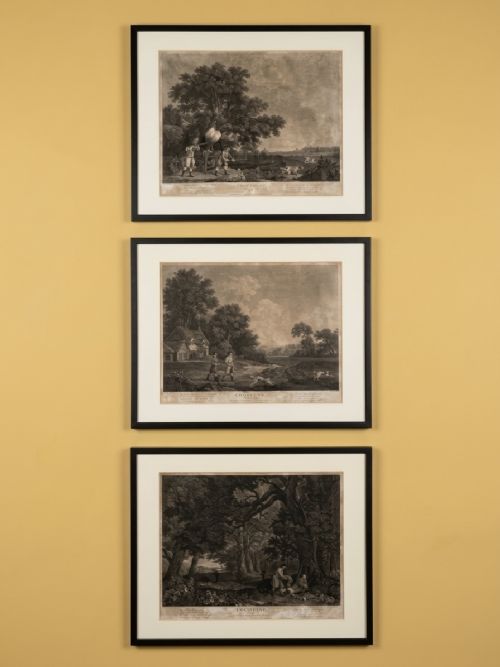
The physical formats range from single framed sheets to sets of twelve or pairs, utilising original wooden and gilt frames glazed with glass to protect the paper. The imagery spans Baroque, Neoclassical, and French Rococo aesthetics, reflecting the dominant design idioms of their respective periods.
How They Were Made
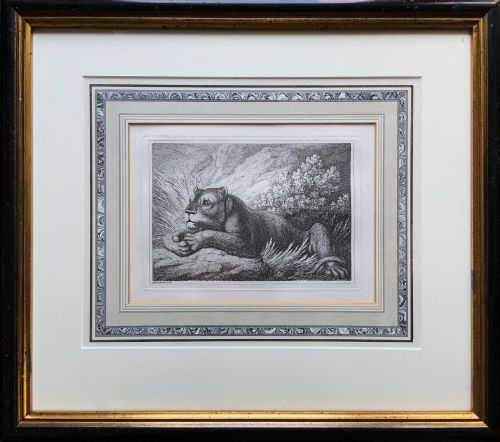
The production relies on copper plates worked by hand using engraving tools, etching acid, or mezzotint rockers to sink the ink-holding lines into the metal. Once inked, the plate transfers the monochrome design under high pressure onto rag paper.
Completed prints are mounted within protective timber surrounds, frequently utilising wood, gilt wood, and gold leaf moulding. Glazing with glass preserves the delicate ink and paper from atmospheric degradation over the centuries.
Framed Monochrome Copperplate Prints Retail Price Guide 2026
Typical asking prices for framed monochrome copperplate prints among the pieces listed under this phrase on Sellingantiques today, from the lower quarter to the upper quarter. They describe what is for sale here now, not the wider market.
Listings span the 17th, 18th, and 19th centuries, utilising paper, ink, wood, and gold leaf.
What Varies in Quality
The distinction between tiers of work rests upon the sharpness of the plate impression and the fidelity of the printing process. Early impressions struck directly from freshly worked copper display crisp lines and deep tonal gradations, whereas later or worn printings lose fine detail.
The integrity of the surrounding frame significantly influences the overall character of the piece. Authentic period surrounds, such as original Hogarth frames or gilded wood mouldings, elevate the historical context compared to modern replacement framing.
John Simon·John Boydell·James Watson·Edward Fisher·John Smith·Thomas Murray·Jacobus Howbraken·Herbert Dicksee·William Hogarth
The Framed Monochrome Copperplate Prints Glossary
- Mezzotint
- A printmaking process where the copper plate is roughened uniformly to produce dark tones, then scraped and burnished to create highlights. This technique allows for rich, velvety tonal gradations rather than simple lines.
- Copperplate
- A flat sheet of copper used to engrave or etch images for printing. Master artisans cut directly into the metal surface using sharp burins.
- Line engraving
- A method where incisions are gouged directly into the copper plate using a burin to produce clean, precise lines. The resulting prints exhibit sharp architectural and figurative clarity.
- Etching
- A technique utilising acid to bite lines into a copper plate that has been protected by an acid-resistant ground. Artists draw through the ground to expose the metal before chemical immersion.
- Hogarth frame
- A specific style of narrow, dark wooden picture frame with an inner gilded slip, popular during the 18th century. These surrounds complement monochrome works through subtle contrast.
Framed Monochrome Copperplate Prints: Frequently Asked Questions
How should I hang these prints?
Protect the paper and ink by positioning the framed piece away from direct sunlight and excessive humidity. Consistent indoor temperatures prevent the timber frames and paper supports from warping over time.
Secure the artwork using appropriate wall fixings suited to the weight of the wood and glass. Grouping pairs or sets together maintains historical display conventions.
What subjects appear most often?
Portraits of nobility, military commanders, and literary figures dominate the selection, reflecting the sitters recorded by 18th-century print publishers. Classical mythology, anatomical studies, and courtyard scenes also feature prominently across the inventory.
These subjects mirror the prevailing tastes of Georgian and Victorian collectors who favored historical and allegorical imagery. The variety ranges from single scholarly plates to expansive decorative series.
How do I identify the period?
Examine the paper characteristics, typographic style of the captions, and the framing materials used to house the print. Eighteenth-century examples frequently feature laid paper with distinct watermarks and handwritten or early typeset lettering.
Compare the costume and hairstyles of the portrait subjects against known historical timelines. The surrounding frame construction often provides secondary clues to the date of assembly.
Are the frames original?
Many pieces retain period surrounds, such as original Hogarth frames or gilt wood mouldings corresponding to the era of the print. Close inspection of the mitre joints and backboards reveals the age of the wooden housing.
Some listings note replacement or later frames where the original housing did not survive. Reviewing individual descriptions clarifies whether the timber surround shares the age of the plate.