




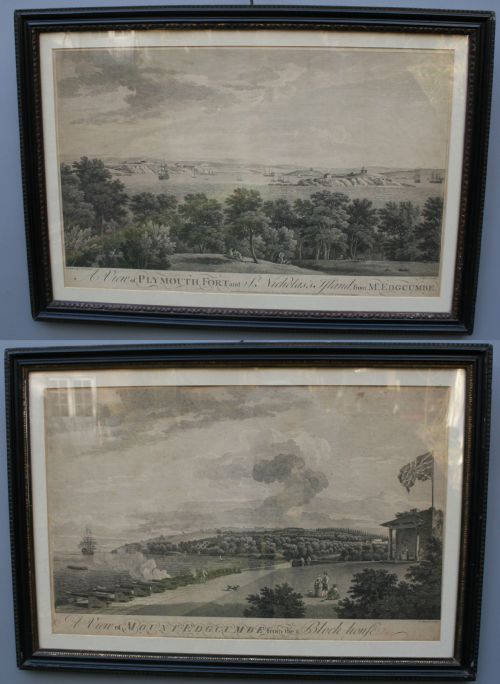


Framed Copperplate Landscape Art
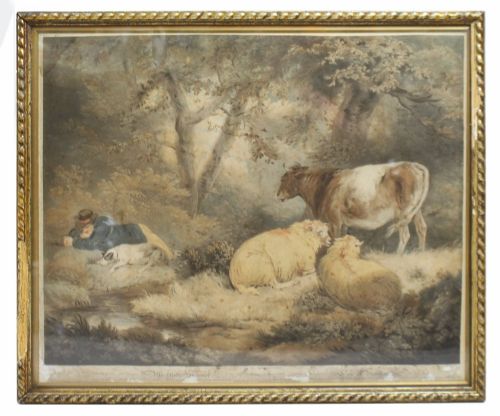
Framed copperplate landscape art brings centuries of classical scenery into your rooms through detailed engravings housed in period wood and gilt glass frames.
Framed Copperplate Landscape Art
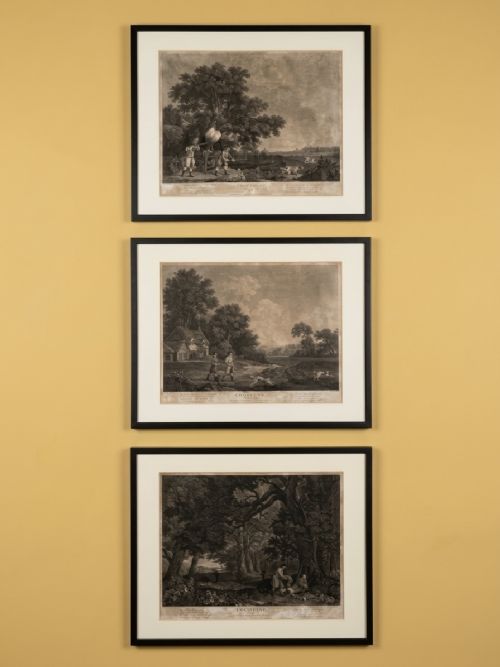
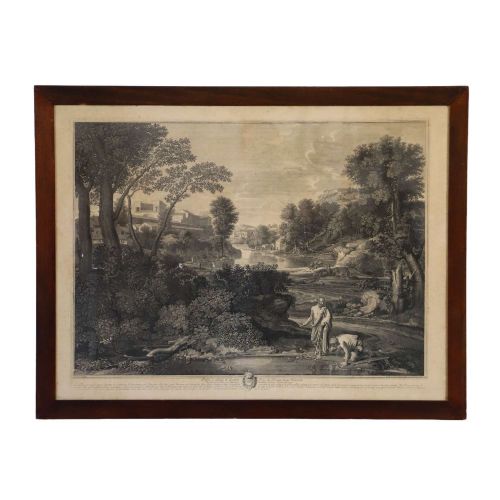
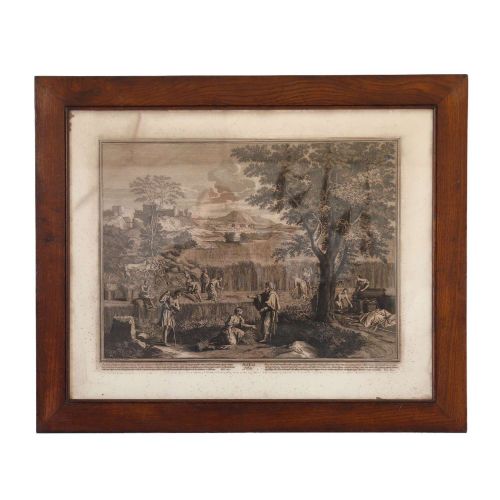
When you search for framed copperplate landscape art, you find historical printed views and pastoral scenes pulled from engraved metal plates, spanning the seventeenth, eighteenth, and nineteenth centuries. These works record classical compositions, British topography, and continental views produced during the Georgian and Regency periods.
The version you are most likely to meet on this page is an eighteenth-century French or British engraving, often depicting classical ruins, hunting scenes, or coastal prospects. These prints typically arrive within their original wood or gilt frames, preserving the complete object as it hung centuries ago.
Materials and methods
These works rely upon metal printing plates carved with fine lines, transferring ink onto heavy paper sheets through the pressure of a rolling press. Some examples receive additional hand tinting in watercolour to brighten the foliage, sky, and architectural elements.
Framing materials consist of timber mouldings, sometimes finished in gilt wood or protected behind glass panels. These original surrounds secure the paper while exposing the printed plate marks at the margins.
Framed Copperplate Landscape Art Retail Price Guide 2026
Typical asking prices for framed copperplate landscape art among the pieces listed under this phrase on Sellingantiques today, from the lower quarter to the upper quarter. They describe what is for sale here now, not the wider market.
Listings feature paper, ink, watercolour, wood, glass, and gilt wood across the eighteenth and nineteenth centuries.
Distinctions in quality
Quality rests upon the crispness of the plate impression and the depth of the engraver's cut into the metal. Earlier printings capture finer detail in the background foliage and architectural masonry before the plate wears down.
The integrity of the original frame and the preservation of the paper margins also determine the standing of each piece. Intact period frames and clear margins indicate a well-preserved survival.
Anton Ignaz Melling·Étienne Baudet·Herbert Dicksee·C de Falens·J. Mitan
The Framed Copperplate Landscape Art Glossary
- Copperplate
- A printing plate made from copper on which an image is incised using burins or acid. This metal allows for sharp, intricate lines essential for detailed landscape views.
- Engraving
- A printmaking technique where an artist cuts lines directly into a plate using a sharp steel tool. The resulting grooves hold the ink for transfer to paper.
- Etching
- A method where acid bites lines into a metal plate covered with an acid-resistant ground. It produces fluid, free-flowing marks common in landscape foliage and skies.
- Plate mark
- The indented impression left in the paper by the edge of the metal plate during printing. Collectors look for this mark as evidence of an authentic antique print.
- Gilt wood
- Wood coated with a thin layer of gold leaf or gold paint. This finish frequently appears on eighteenth and nineteenth-century picture frames.
Framed Copperplate Landscape Art: Frequently Asked Questions
How old are these framed prints?
The pieces span from the seventeenth century through the Regency era and into nineteen-hundred. Most examples originate in the eighteenth century.
Dates appear in the titles based on the production period of the specific plate and printing.
Are the frames original to the art?
Several listings specify original frames dating alongside the paper artwork. These preserve the historical context of the piece.
Other items pair antique engravings with traditional wood or gilt surrounds suited to the period.
How should I hang these artworks?
Keep framed copperplate prints away from direct sunlight to prevent the ink and paper from fading over time. Stable indoor humidity protects both the timber frames and the historic paper.
Use secure picture hooks suited to the weight of the wood and glass assemblies.
What subjects do the landscapes show?
The scenes depict classical mythologies, British towns, French countryside, and coastal fortifications. Artists drew inspiration from historical vistas and topographical surveys.
Views range from imaginary classical ruins to accurate records of historical ports and stately homes.