




Framed Marine Seascape
Framed marine seascape works capture naval engagements, coastal harbours and turbulent waters across the nineteenth and twentieth centuries.
Framed Marine Seascape
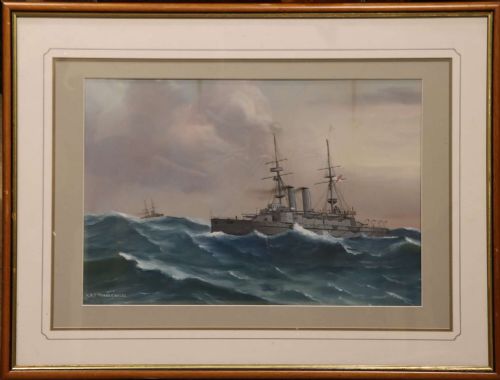
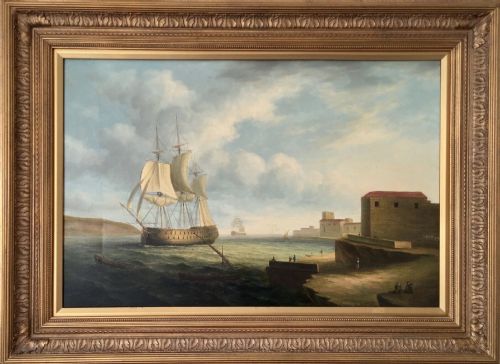
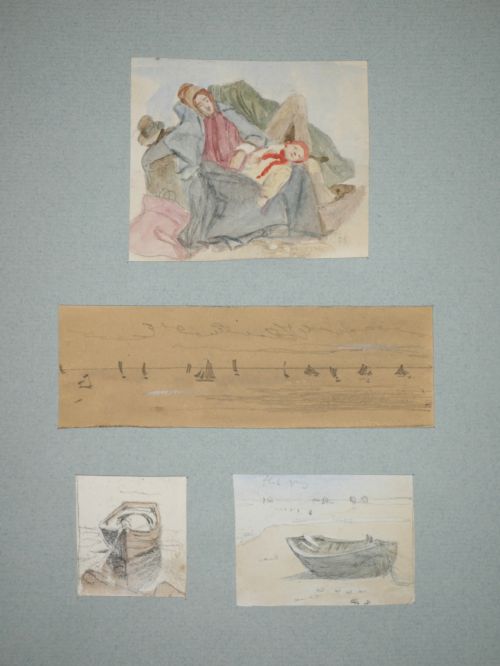
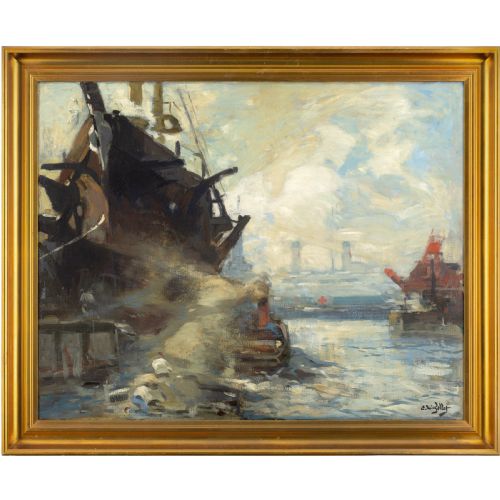
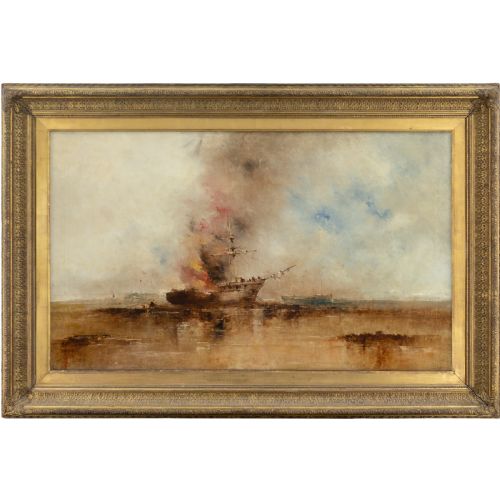
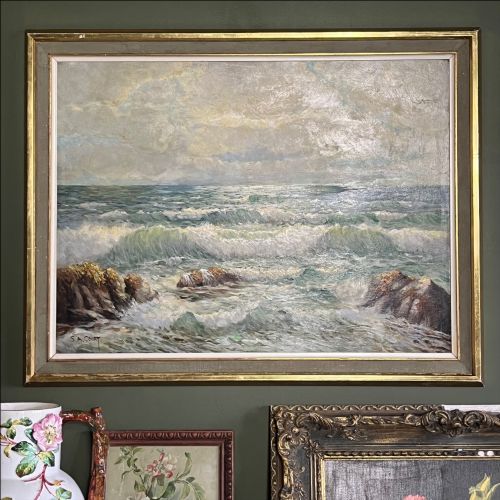
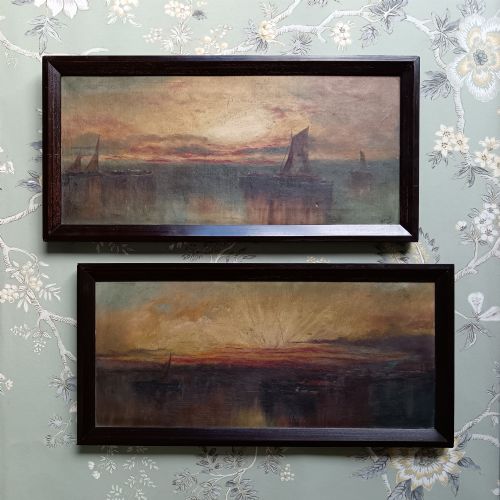
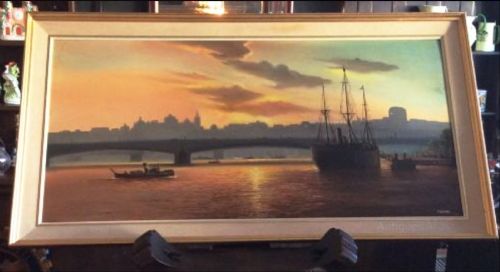
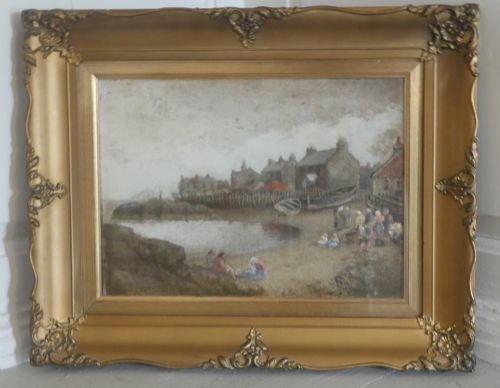
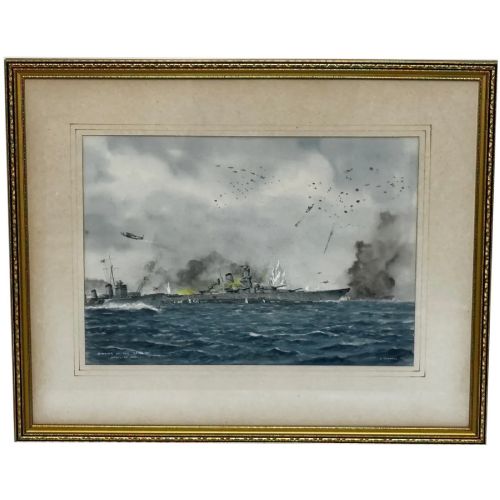
A framed marine seascape presents maritime subjects ranging from naval warships and merchant vessels to coastal fishing boats and harbour scenes. The pieces seen on this page span the Victorian era, the nineteenth century, and mid-twentieth century works.
Most examples take the form of paintings on canvas, panel or board, alongside watercolours and drawings on paper. These works frequently arrive preserved in original gilt or wooden frames.
Materials and technique
Artists painted these scenes using oil paint or watercolour, applying pigments to prepared canvas, wood panels, board, or paper. Many Victorian and later works were executed en plein air or developed in studios from detailed marine sketches.
Framing typically involved carved wood finished with gilt layers to complement the maritime subject matter and protect the paper or canvas support behind glass or open to the air.
Listings feature works created across the nineteenth and twentieth centuries, using canvas, paper, wood, and gilt frames.
Variations in quality
Quality rests upon the artist's handling of light, atmospheric conditions and maritime movement, distinguishing lively depictions of ships in heavy seas from stiffer compositions. The precision in rendering rigging, hulls and coastal architecture marks the stronger works.
The condition and period integrity of the accompanying wooden or gilt frames also influence the overall standard of the piece.
James Hardy·James Orrock·Clifford Hanney·James Smetham·Eugène-Louis Gillot·William McAlpine·Sidney A Court·B Nash·Edward Mills·Charles Edward Dixon·Eric Tufnell·William Banks Fortescue·John Rose Miles·Frank Watson Wood·William Broome·Bernard Gribble·Bonaventura Peeters·Frank William Scarbrough·F Corpuz·Clive Browne·Peter Brannan·Bernard Benedict Hemy·Thomas Creswick·Willem Bos·TB Hardy
The Framed Marine Seascape Glossary
- Watercolour
- A painting method where fine pigment is suspended in a water-based solution and applied to paper. This technique often captures luminous skies and translucent coastal waters.
- En plein air
- The practice of painting outdoors directly from the subject. This approach allows artists to capture transient light conditions on the coast.
- Gilt
- A thin layer of gold leaf applied to wood frames. This finish enhances the visual weight and presentation of the artwork.
- Panel
- A flat wooden support used instead of canvas for oil paintings. Panels provide a rigid surface favoured by many nineteenth-century painters.
Framed Marine Seascape: Frequently Asked Questions
What periods do these paintings date from?
The works originate primarily from the nineteenth century, including Victorian periods, through to various decades of the twentieth century.
Individual dates marked on pieces or attributed by dealers range from early Victorian creations to mid-twentieth-century maritime studies.
Are all the works painted in oil?
No, the selection includes a mixture of mediums such as oil on canvas, oil on board, and oil on panel alongside works on paper.
Watercolours and gouache drawings also feature prominently across the available coastal and naval scenes.
How should I hang a framed marine seascape?
These pieces suit wall placement in rooms with stable humidity, away from direct sunlight that could fade watercolours or oils.
Ensure the wall fixings safely support the weight of the specific wooden and gilt frames housing each canvas or paper work.
Do the frames come with the paintings?
The listings generally include the original or period frames accompanying each oil painting, watercolour or drawing.
These frames often consist of wood and gilt ornamentation specific to the era in which the maritime artwork was produced.