


Framed Leaded Glass Panel
These framed leaded glass panel examples are architectural salvage pieces that bring historic light and colour into a modern interior.
Framed Leaded Glass Panel
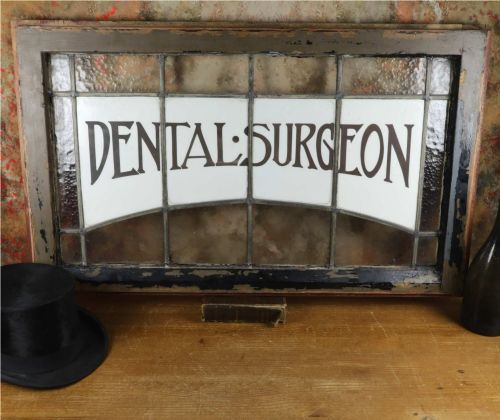
A framed leaded glass panel is an architectural salvage window or architectural element designed to let light pass through coloured and clear glass held together by lead cames. When you search for a framed leaded glass panel, you encounter works ranging from the 19th century through the Victorian, Edwardian, and 1930s periods.
The selections span ecclesiastical and domestic origins, including church windows, practice windows, and domestic panels. Styles run through Gothic Revival, Arts and Crafts, Art Nouveau, and 1930s Dutch Folk Art.
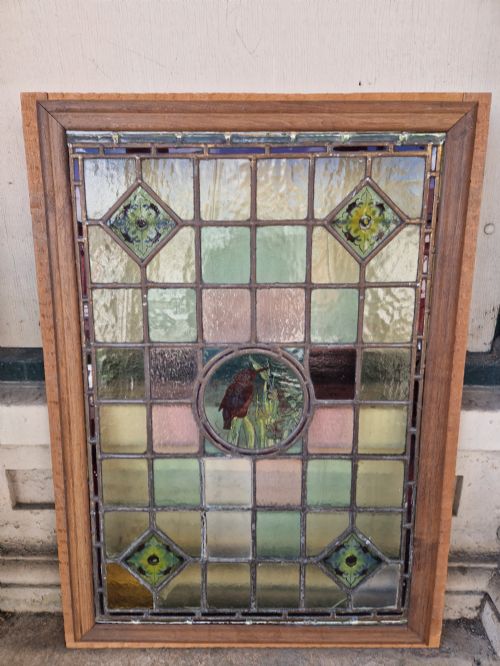
You are most likely to meet panels featuring hand-painted scenes, floral motifs, birds on branches, religious figures, and historical emblems set within wood or timber frames.
Materials and construction
Pieces are constructed primarily from glass, lead, and timber or pine framing. Artisans joined individual pieces of glass using flexible lead cames soldered at the joints to form intricate geometric or pictorial designs.
Many panels incorporate enamel paint and vitreous enamel applied directly to the glass to depict detailed figures, landscapes, knights, and animals such as birds. Bullseyes and textured glass elements are frequently integrated to add depth and catch the light.
The listings span Victorian, Edwardian, and 1930s periods, incorporating materials such as lead, pine, vitreous enamel, and stained glass.
Distinctions in quality
Quality rests upon the intricacy of the hand-painted details and the complexity of the leaded composition. Works depicting specific pictorial scenes like castles, ships, or knights demonstrate superior artistic execution compared to standard geometric panes.
The condition and sturdiness of the surrounding wood or timber frame, alongside the integrity of the lead network, determine the structural permanence of the piece. Superior examples maintain crisp, unfaded enamel paintwork and secure glazing.
The Framed Leaded Glass Panel Glossary
- Leaded glass
- Glass pieces held together by strips of lead called cames. This technique allows for complex patterns and pictorial representations.
- Came
- A slender channel of lead used to hold pieces of glass together in a window. These strips are soldered at intersections to form a rigid matrix.
- Vitrous enamel
- Glass fused to a metal or glass surface through firing at high temperatures. It provides permanent colour and detail on painted panels.
- Architectural salvage
- Building components rescued from demolition or alteration for reuse. These items preserve historic craftsmanship and materials.
- Bullseye
- A small, rounded centre of glass formed during traditional glassblowing. They appear as circular accents within the panel.
Framed Leaded Glass Panel: Frequently Asked Questions
How do I hang a framed leaded glass panel?
These panels require secure brackets or chain suspensions anchored directly into structural wall studs or window frames to support their considerable weight. Ensure the surrounding timber frame takes the load rather than the lead and glass matrix itself.
Position the panel where natural daylight can pass through the glass to properly display the colours and painted details. Backlighting with artificial light boxes provides a consistent alternative if natural placement is unavailable.
How are Victorian and Edwardian panels told apart?
Victorian panels frequently lean towards heavier Gothic Revival forms, religious iconography, and arch top church configurations with deep, saturated colours. They often feature robust timber framing and formal heraldic or figurative subjects.
Edwardian and 1900s examples tend to incorporate lighter domestic motifs such as birds on branches, floral sprays, and softer pastel or amber tones. The framing becomes somewhat sleeker, reflecting the transition towards Arts and Crafts and Art Nouveau sensibilities.
Can these windows be installed in exterior walls?
Historic architectural salvage panels often require secondary glazing or protective exterior storms to shield fragile lead cames and aged glass from weather exposure. Original timber frames may need weatherproofing or reinforcement before outdoor placement.
Interior installation as room dividers or wall hangings preserves the materials from environmental degradation and moisture damage. This approach protects the hand-painted enamel elements from fading or flaking over time.
What subjects appear on painted glass panels?
Common pictorial subjects include hand-painted countryside scenes, castles, ships, and historical figures like Victorian knights in armour. Religious emblems, Shakespeare references, and Dutch boy and girl designs also occur.
Other panels utilise natural motifs such as birds perched on branches and floral arrangements combined with amber bullseyes. These varied designs reflect the specific domestic or ecclesiastical function intended by the original maker.