


Framed Landscape Canvas Art
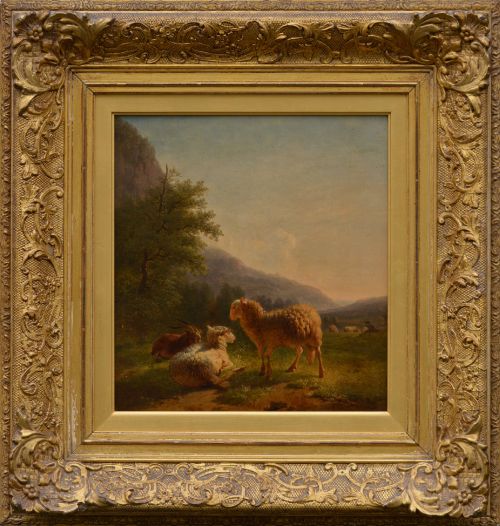
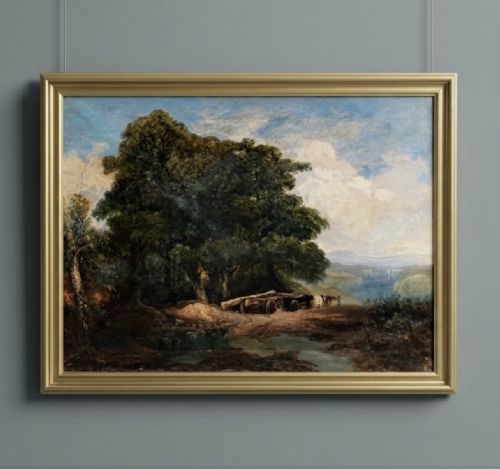
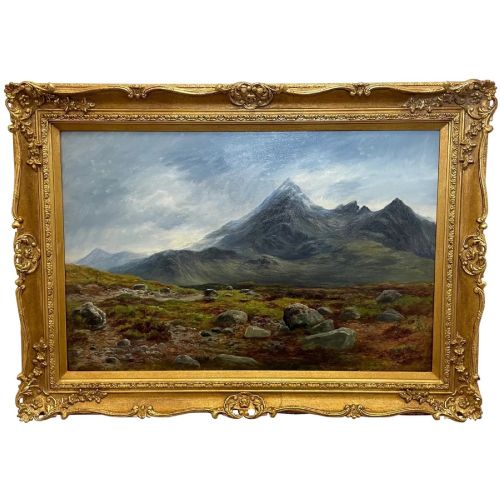
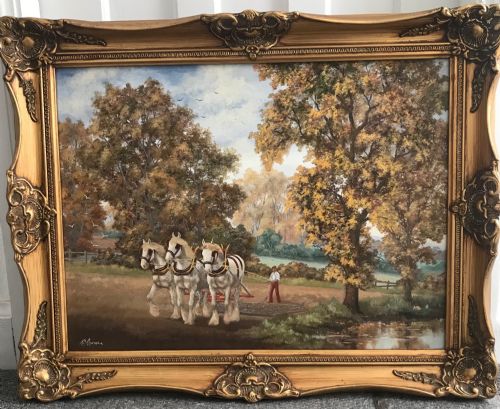
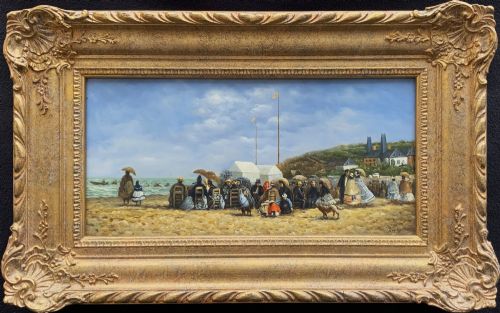
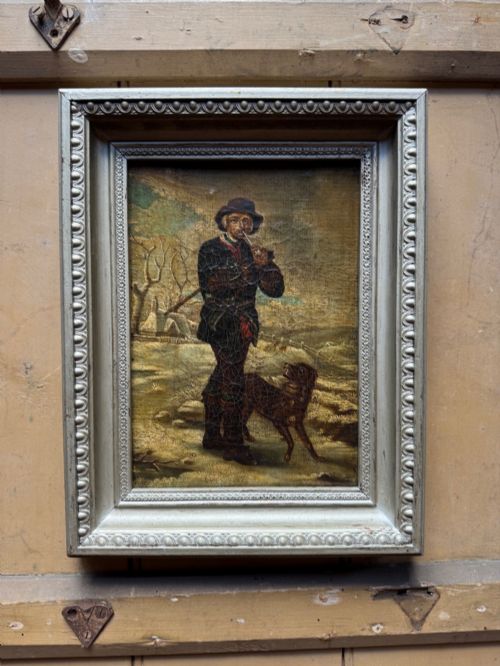
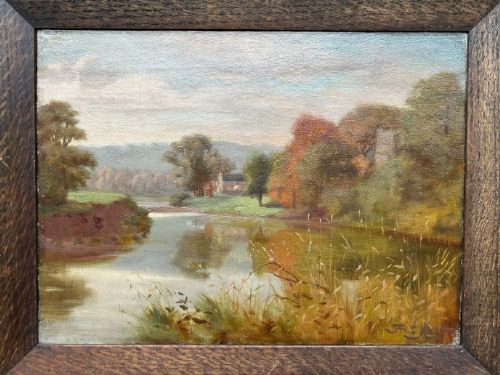
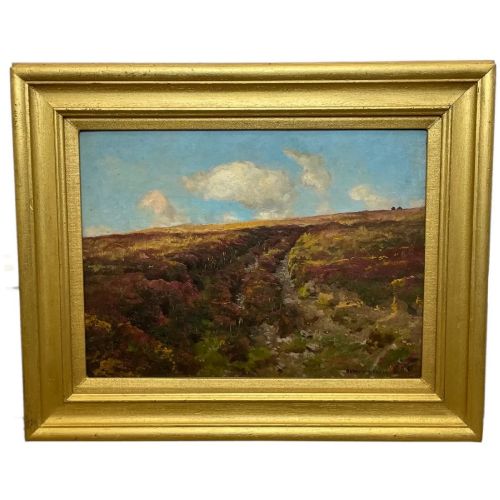
When you search for framed landscape canvas art, you find oil paintings on canvas set within timber and gesso frames, depicting pastoral, maritime and woodland scenes.
Framed Landscape Canvas Art
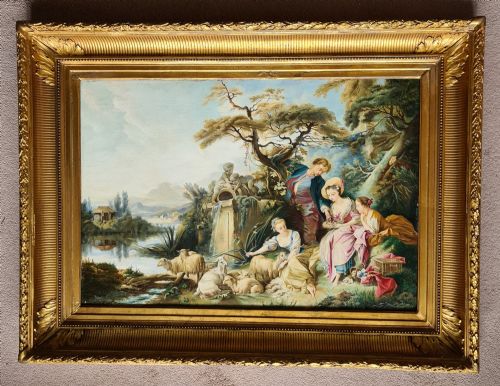
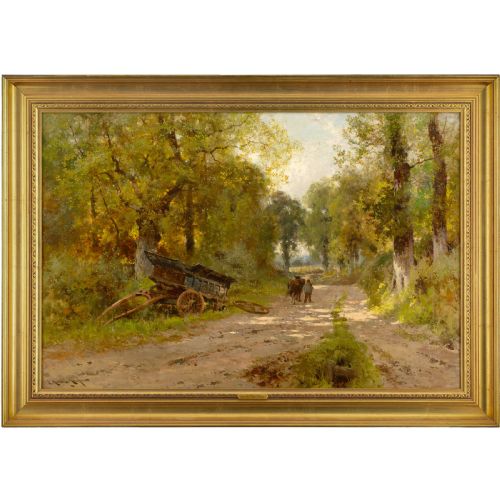
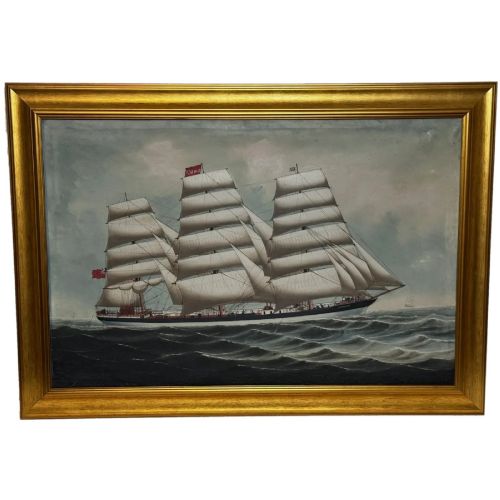
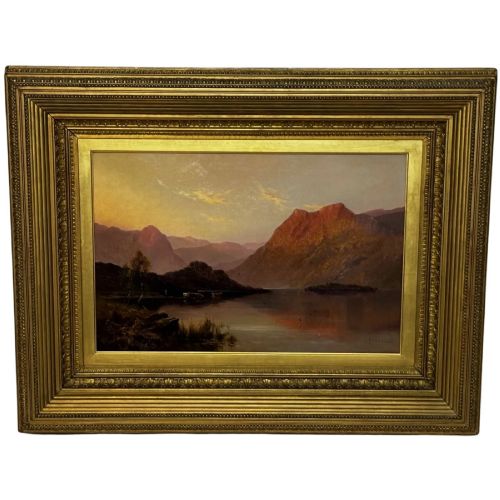
Framed landscape canvas art comprises oil paintings executed on woven fabric supports, housed within decorative timber frames. These works span subjects ranging from pastoral countryside views and woodland scenes to maritime views and river gatherings.
The pieces on this page originate from periods including the nineteenth century and the early twentieth century, alongside mid-century works. Common formats include pastoral scenes with livestock, coastal vistas and river valleys rendered in oils.
Makers and schools represented in these works include British and French traditions, alongside Dutch manner compositions and regional painters. The framing often incorporates carved wood, gesso mouldings and gilt finishes that complement the canvas.
How they were made
Artists painted these works using oil paint applied to stretched canvas supports, fixed onto wooden stretcher frames. The material combination allowed for subtle blending of tones and rich texture in depicting foliage, water and skies.
The surrounding frames consist of wood, frequently finished with gesso and gilt layers to provide decorative ornamentation and structural support for the canvas.
Several canvases record quiet moments of cattle, horses and sheep observing the British countryside.
What varies in quality
Quality in these oil paintings rests upon the handling of light, brushwork confidence and the structural integrity of the canvas and stretcher. Superior examples demonstrate assured anatomical drawing in figures and animals, alongside atmospheric depth in skies and distance.
The surrounding frames contribute significantly to the overall integrity, where original giltwood and gesso ornamentation paired correctly with the period of the painting elevates the piece.
Eugène Verboeckhoven·Richard Sebastian Bond·William Beattie-Brown·William H Myers·Clifford Hanney·Frederick Marriott·Arthur Wardle·John Horace Hooper·Reginald Arthur Borstel·Alfred Fontville de Breanski Jr·B. Nash·George Houston·Robert Morson Hughes·Thomas Barker of Bath·Thomas W Lascelles·James Kay·Augusto Alberici·Gabriel Mathieu·David Bates·Arthur Gué·Benjamin Barker of Bath·Thomas Smythe
The Framed Landscape Canvas Art Glossary
- Canvas
- A heavy woven fabric used as a support surface for oil painting. It is typically stretched tightly across a wooden frame before application of the ground and paint.
- Giltwood
- Wood that has been coated with a thin layer of gold leaf or metal leaf. This finish is frequently applied to ornate picture frames from the nineteenth century and earlier.
- Gesso
- A plaster-like mixture used as a base layer on wooden frames before gilding or painting. It allows craftsmen to carve intricate relief ornamentation.
- Post-Impressionism
- An art movement developing from the late nineteenth century that extended Impressionist practices while rejecting its limitations. Artists prioritised symbolic content and heavier brushwork.
- Barbizon School
- A French movement in landscape painting forming part of an art trend towards realism in art. Painters worked directly from nature to capture rural farmyards and forests.
Framed Landscape Canvas Art: Frequently Asked Questions
How do I identify the period of an oil painting?
Dating relies upon stylistic markers, costume details of any figures depicted, and the construction methods of the canvas stretcher and frame. Examining the type of canvas weave and the ageing of the oil pigments provides further chronological indicators.
Signatures, inscriptions on the reverse, and artist records also assist in placing the work within a specific nineteenth or early twentieth-century school.
Where should I hang a framed oil painting?
These works require interior walls away from direct sunlight, high humidity and sudden temperature fluctuations. Stable environmental conditions protect both the oil pigments and the wooden frame.
Sufficient distance from heat sources prevents the canvas from slackening and safeguards the gesso ornamentation on the frame against cracking.
How do I clean an antique canvas painting?
Surface dust should be removed gently with a soft, dry brush by a specialist conservator rather than household cleaning agents. Moisture and chemical solvents can damage the aged oil paint layer.
Professional assessment ensures that any accumulated grime or discoloured varnish is addressed without compromising the original pigment.
What framing styles match these landscape scenes?
Period landscapes typically pair with giltwood frames featuring gesso moulding appropriate to the nineteenth or early twentieth century. The frame design should complement the depth and tonal range of the canvas without overpowering the composition.
Original frames that have accompanied the painting through its history maintain historical authenticity.