
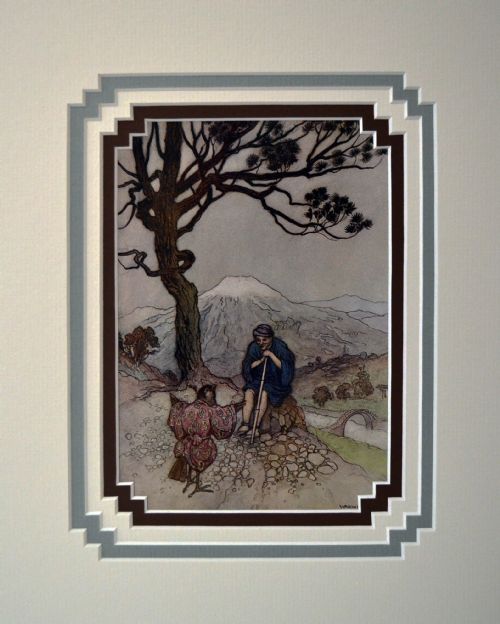
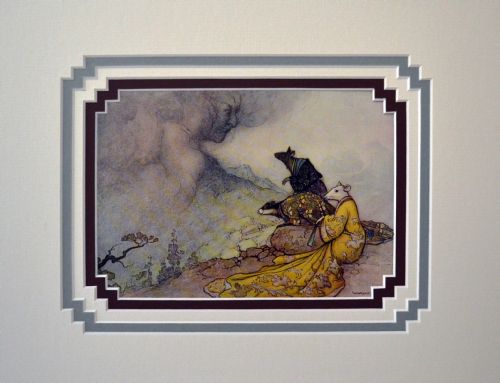
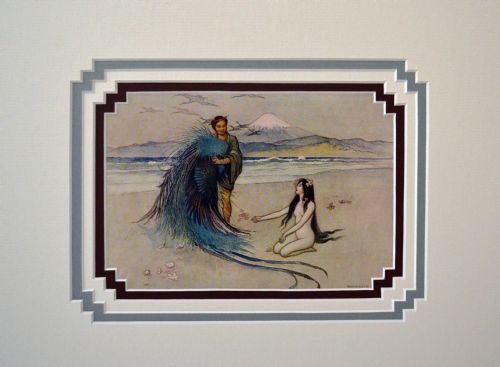
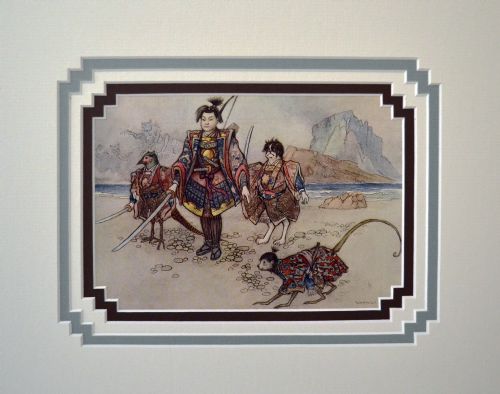


Framed Japanese Artwork
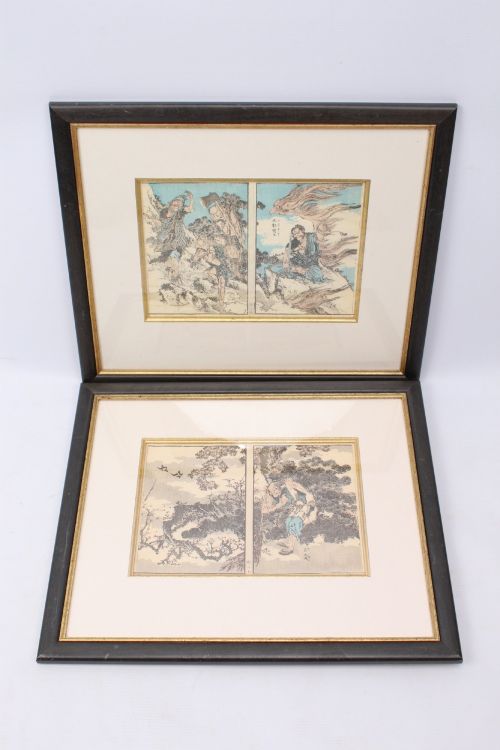
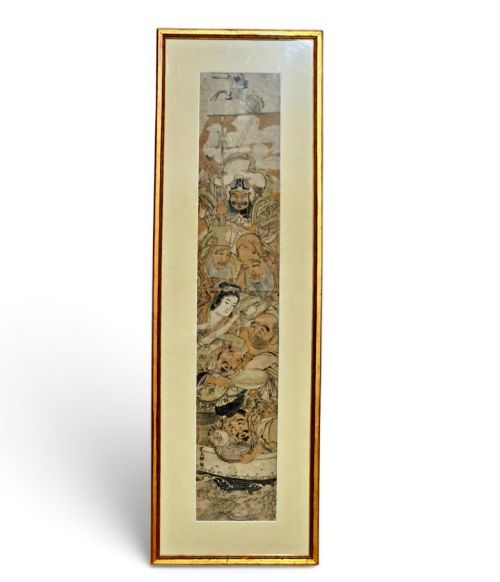
These framed japanese artwork selections span woodblock prints, silk textiles and paintings from the eighteenth century to the mid twentieth century.
Framed Japanese Artwork
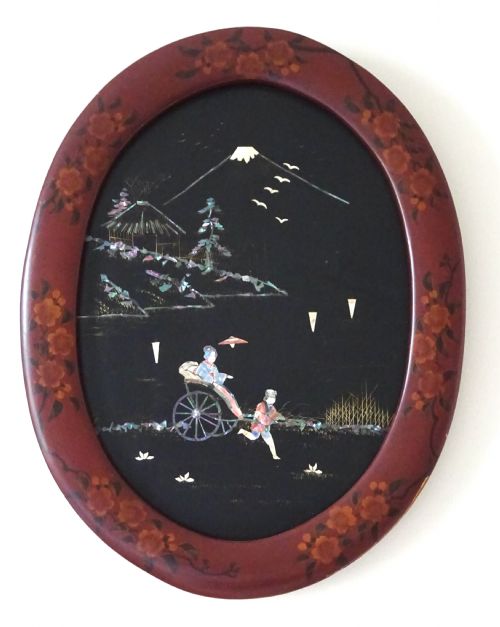
When you search for framed japanese artwork, you encounter a diverse range of objects spanning multiple centuries and visual traditions. These pieces include traditional woodblock prints, paintings on silk, watercolours, glass paintings and lacquer panels.
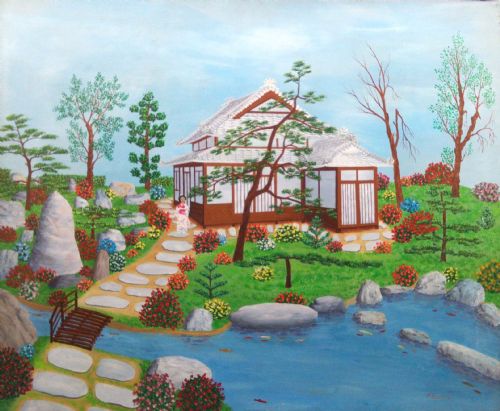
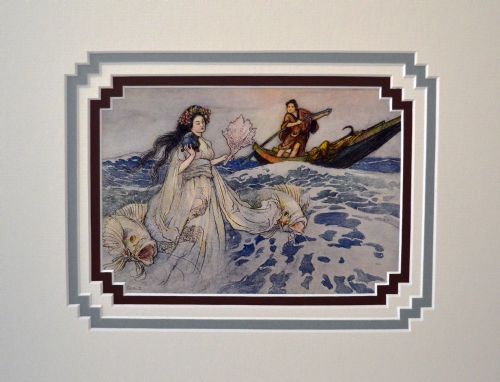
The selections on this page draw from periods such as the Edo and Meiji eras, alongside twentieth-century interpretations and European depictions of Japanese subjects. You find both original Edo period ukiyo-e prints and later twentieth-century book illustrations or naive oils.
Forms vary from single wall art prints and triptychs to paired roundels and large silk textiles. Frames utilise materials like rosewood and red lacquer, housing works on paper, card, silk and canvas.
Materials and techniques
Makers utilised traditional printing and painting methods on paper, card and silk, applying ink and watercolours by hand. Woodblock prints required carved blocks transferred to paper sheets, sometimes mounted with silk brocade.
Framing involved wood, glass, mount board and cardboard to protect delicate surfaces like paper and textiles. Lacquered frames incorporated mother of pearl and abalone inlay techniques.
Painters worked with oil on canvas and watercolour on paper, while textile artists executed detailed needlework on silk grounds for wall display.
Listings feature paper, silk, wood, glass and ink across periods spanning the eighteenth, nineteenth and twentieth centuries.
Distinctions in quality
Quality rests upon the execution of the hand and the preservation of the delicate materials. Original woodblock prints by known artists demonstrate sharper impressions and more complex colour application.
The integrity of the framing materials and mounts dictates longevity, particularly for works on paper and silk. Silk textiles with detailed embroidery and intact lacquer frames stand apart from simpler decorative prints.
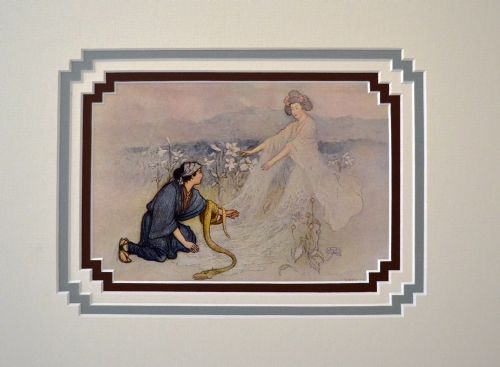
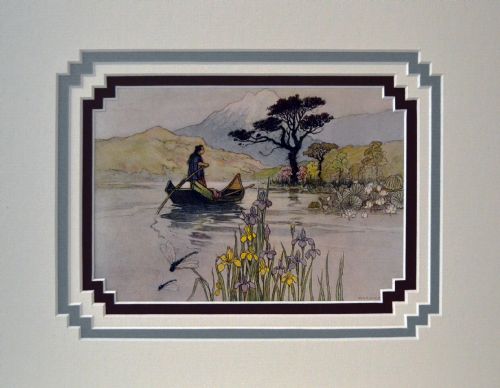
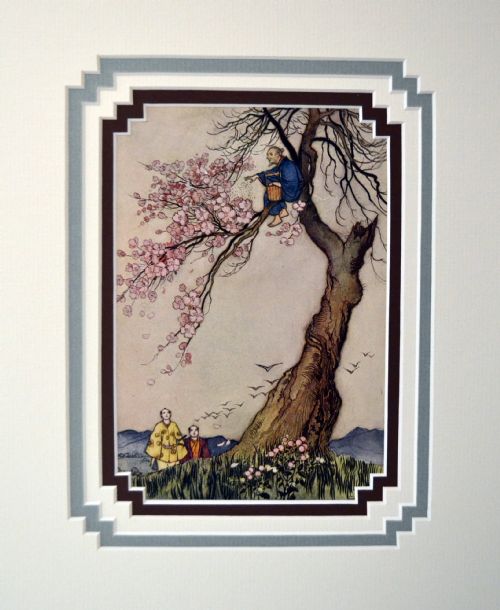
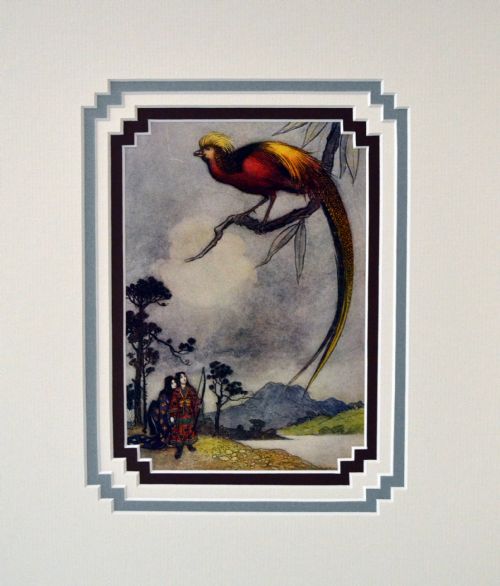
Hokusai·Katsukawa Shunshō·Warwick Goble·Takabatake Kasho·Kunisada·Takashi Nakayama
The Framed Japanese Artwork Glossary
- Ukiyo-e
- Pictures of the floating world, denoting a genre of Japanese woodblock prints and paintings produced from the Edo period onwards. This style depicts scenes of everyday life, landscapes and historical tales.
- Woodblock print
- An image carved into a wooden matrix, inked and pressed onto paper. This technique allowed for multiple impressions of intricate graphic art.
- Silk brocade
- A rich decorative woven fabric often utilised for mounting traditional Asian artworks. It provides a textured border that complements the central painting or print.
- Roundel
- A circular panel or artwork format. These appear as paired decorative objects within frames.
- Triptych
- A set of three associated panels or prints displayed together. These usually form a single continuous composition or a thematic grouping.
Framed Japanese Artwork: Frequently Asked Questions
How do I date a woodblock print?
Dating relies on the historical period of production, such as the Edo or Meiji eras, alongside stylistic markers in the print itself.
Publishers' marks and the condition of the paper also guide identification of the printing era.
Are these pieces original antiques?
The selection includes genuine antiques dating from the eighteenth century through to twentieth-century editions and paintings.
Listings specify the material components and estimated period of origin for each item.
How should I display silk textiles?
Silk works benefit from placement away from direct sunlight to prevent fading of the delicate fibres and dyes.
Secure framing behind glass helps protect fabric pieces from dust and atmospheric moisture.
What is an ukiyo-e print?
Ukiyo-e refers to a popular genre of Japanese art depicting scenes from the floating world of theatre, nature and urban life.
These works were primarily produced as woodblock prints during the Edo period.