
Framed Horse Portrait Oil
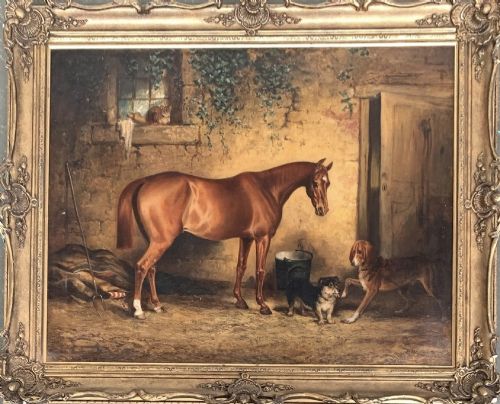
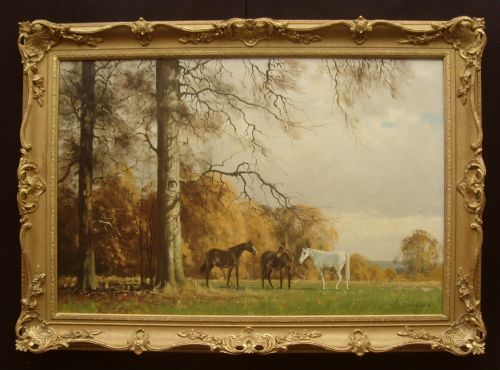
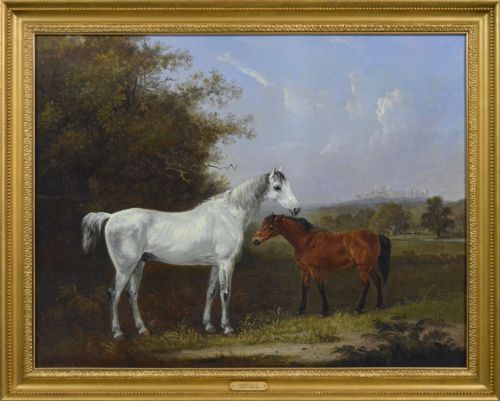
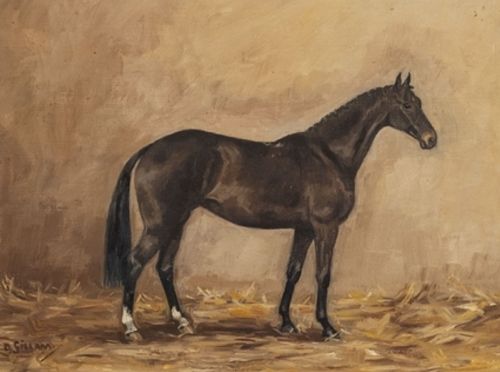
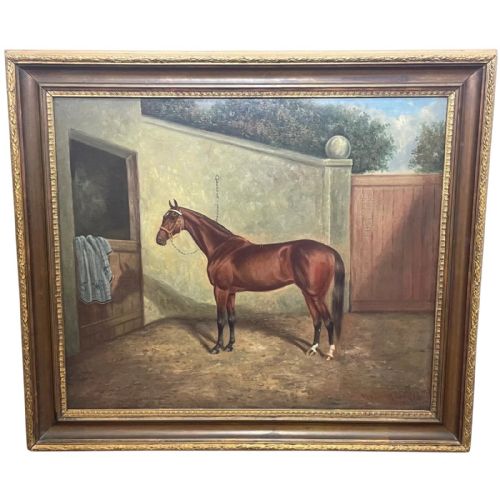
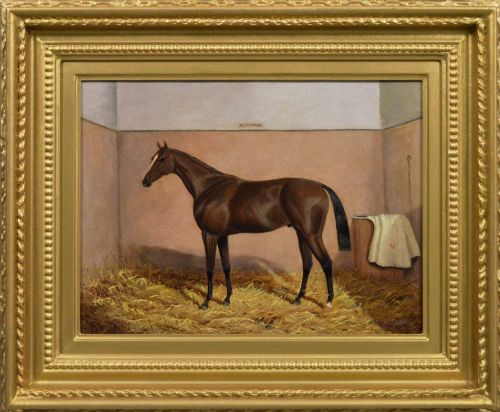
A framed horse portrait oil captures the muscular grace and character of prized equines through centuries of British and European sporting art.
Framed Horse Portrait Oil
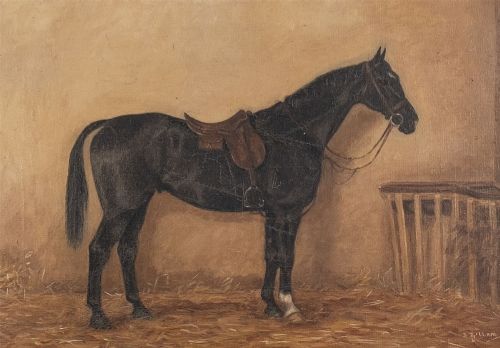
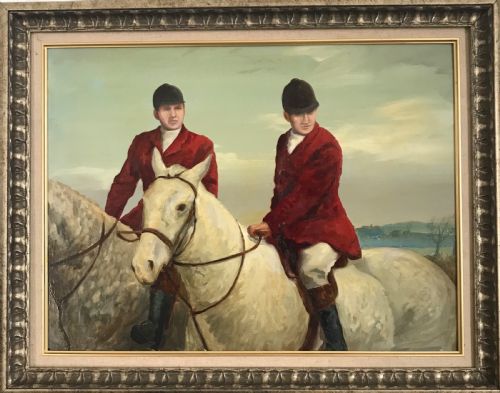
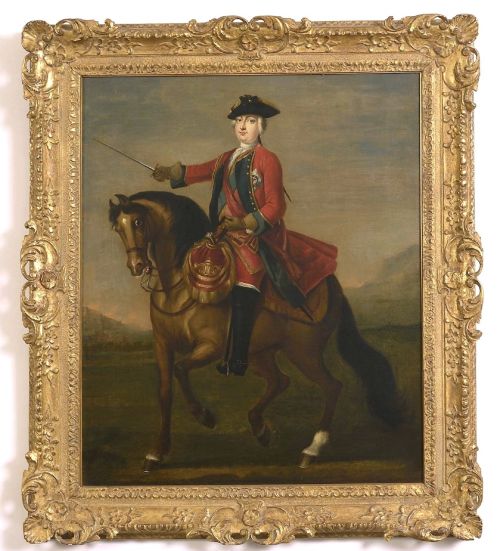
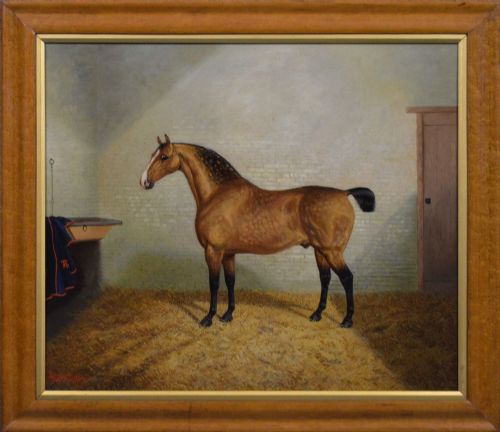
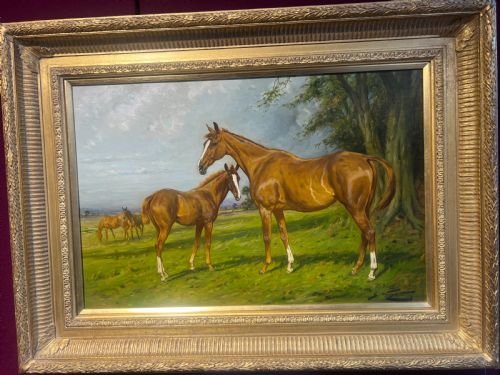
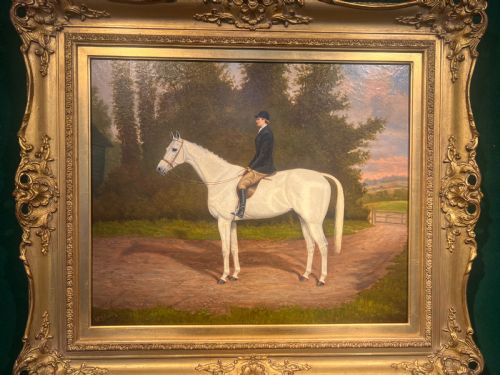
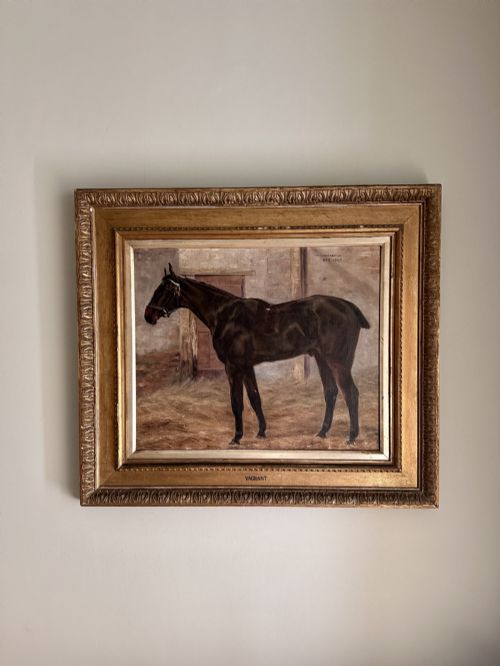
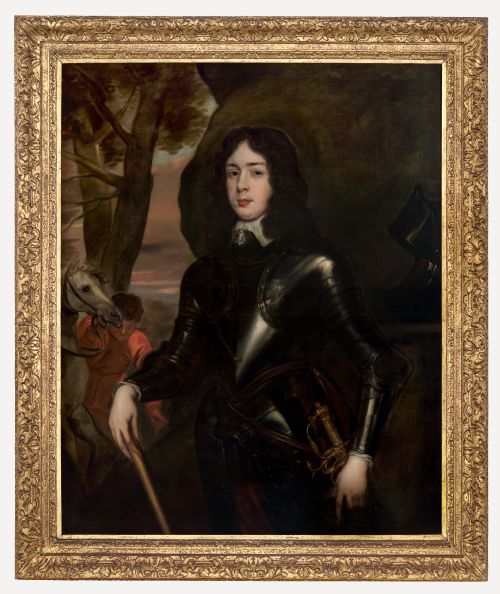
A framed horse portrait oil brings together the rich traditions of equine art and portraiture, focusing closely on individual animals, notable racehorses, hunters, and mares with foals. When searching for a framed horse portrait oil, buyers encounter works spanning from the Georgian and Victorian eras through the mid-twentieth century, rendered by accomplished sporting artists.
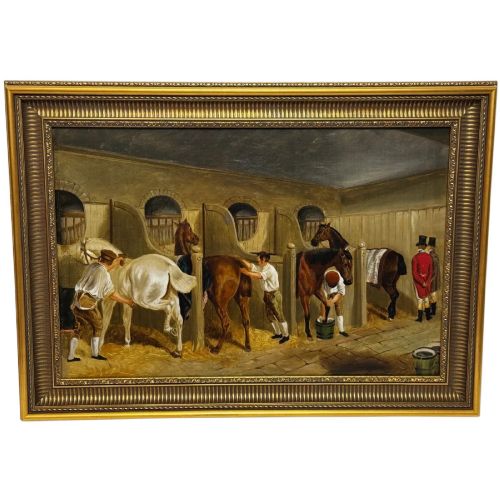
The subjects range from named thoroughbred champions and historic hunters to rural working horses and intimate stable studies. Most pieces emerge from the nineteenth and early twentieth centuries, framed in period wood or giltwood mouldings that complement the depth and tone of the canvas.
How They Were Made
These works are executed primarily in oil paint upon stretched canvas or occasionally wood panels, utilising the rich viscosity and blendability of the medium to render the sheen of a horse's coat and the play of light across muscle. Artists built up their compositions through layered glazes and opaque pigments, capturing fine anatomical details from the alert ear to the glistening hoof.
Several Victorian canvases permanently preserve the likenesses of equine heroes who undoubtedly ate better oats than their owners.
What Varies in Quality
The distinction between ordinary and exceptional works rests upon the artist's command of equine anatomy, posture, and individual expression. Master painters capture the exact musculature, tension, and intelligent eye of the horse, whereas lesser hands produce stiff, generic outlines that lack vitality.
The preservation of the pigment layer and the originality of the matching frame also influence the standing of a piece. Works with clean surfaces, stable paint without excessive craquelure, and period-correct giltwood surrounds hold greater artistic integrity.
Henry Barraud·Walter Robin Jennings·Edmund Bristow·Albert Clark·Fred Fitzpatrick·Sir Anthony van Dyck·Ernest Payne·Edward Priestley·John Alfred Wheeler·Thomas Walker Bretland·John Ferneley Senior·William Williams
The Framed Horse Portrait Oil Glossary
- Canvas
- A heavy woven fabric stretched across a wooden stretcher bar to provide the primary support for oil paint. It forms the most common base material for works in this category.
- Giltwood
- Wood carved and coated with a thin layer of gold leaf or metallic paint. It provides a bright, reflective border that enhances the warmth of dark equestrian scenes.
- Sporting Art
- A genre of painting dedicated to equestrian subjects, hunting, racing, and rural pastimes. It records the appearance and achievements of notable animals.
- Craquelure
- The fine network of minute cracks that develops across the surface of aged oil paint as it hardens over decades. It serves as a natural indicator of age.
- Provenance
- The documented history of ownership and origin for a work of art. It traces the journey of a painting from its creation to the present day.
Framed Horse Portrait Oil: Frequently Asked Questions
How do I identify the age of a horse oil painting?
Examine the canvas weave, the backing materials, and the style of the stretcher frames, as older works often utilise hand-planed timbers and coarse linen. The nature of the paint crackle and the signature style of the artist also offer reliable clues to the decade of creation.
Compare the framing style and costume details of any human figures present with known period fashions. Archival records and artist signature databases help narrow down the exact window of production.
Where should I hang a framed horse portrait oil?
These works find a natural home in living rooms, studies, or hallways where traditional interiors provide a sympathetic backdrop. Avoid placing them in direct sunlight or areas of high humidity to protect the oil pigments and wooden frames.
Ensure the hanging height allows comfortable eye-level viewing of the subject. Pairing the painting with traditional wood furniture enhances the historical atmosphere of the room.
What is the difference between a racehorse portrait and a general equine painting?
A racehorse portrait typically names a specific winner, often recording the animal alongside its jockey, trainer, or owner, and sometimes noting a famous racecourse. These pieces function almost as historical documents celebrating turf victories.
General equine paintings focus on hunters, cobs, or rural workhorses in landscapes or stable interiors without necessarily recording a competitive pedigree. They emphasise everyday pastoral life rather than sporting triumphs.