


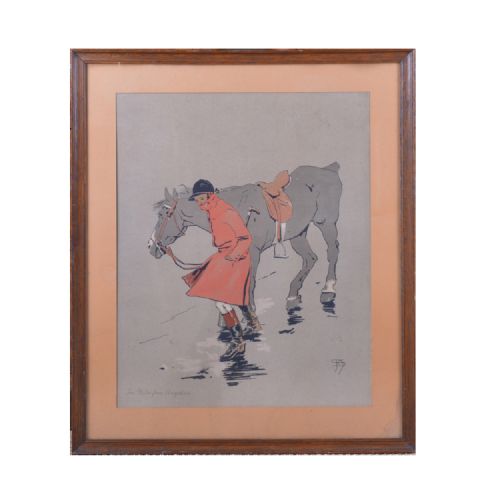

Framed Horse Lithograph
These framed horse lithograph examples bring sporting energy and period character into a room.
Framed Horse Lithograph
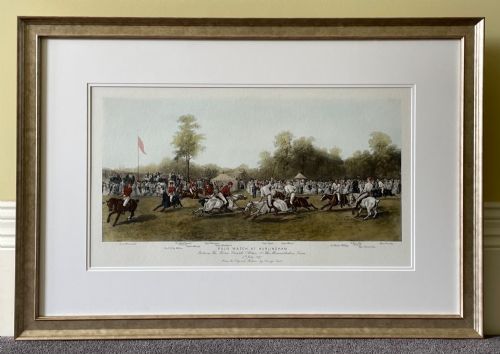
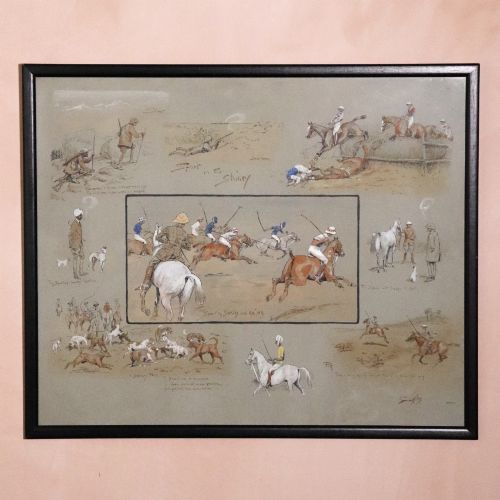
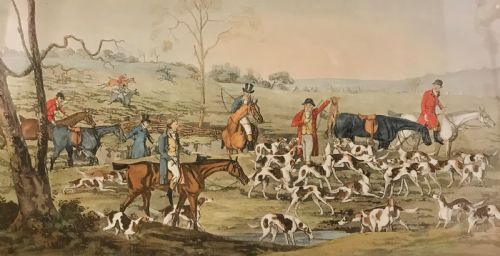
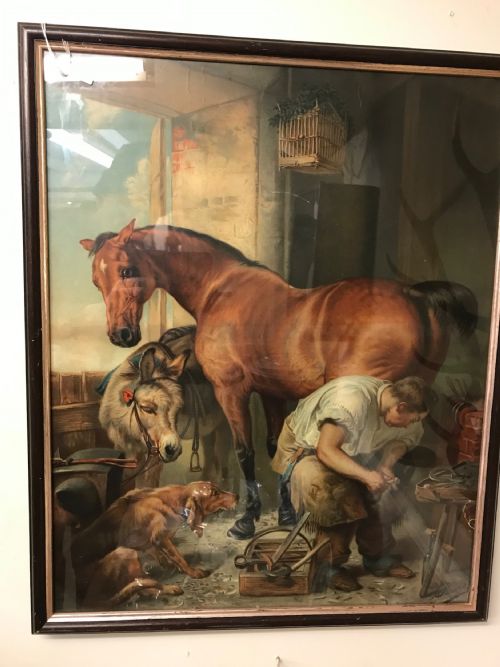
A framed horse lithograph captures equestrian subjects, polo matches, coaching scenes, and hunting moments across the nineteenth and twentieth centuries. These works present historical sporting art, political prints, and caricatures preserved behind glass in wooden frames.
Buyers meet examples ranging from Victorian chromolithographs to works by known artists published in British sporting journals. The selection includes individual plates, pairs, and grouped sets depicting riders, hounds, and equines in motion.
Originating largely from British and American presses, these framed pieces reflect popular tastes in sporting culture and social commentary over several decades. Each item combines graphic illustration with period framing materials suited for wall display.
What varies in quality
Print clarity and register precision distinguish finer impressions from softer, later strikes where ink spread distorts fine lines. The depth of the colour palette and the sophistication of the lithographic multi-plate alignment determine visual fidelity.
The integrity of the paper support, the preservation of original margins, and the authenticity of the period frame contribute to the overall standard of the piece. Hand-colouring additions applied over the printed ink also influence the character of individual examples.
Several dogs and horses stare out from these walls, judging your taste in polo.
Snaffles·Thomas Worth·Frank Algernon Stewart·Victor Adam·Edwin Henry Landseer
The Framed Horse Lithograph Glossary
- Lithograph
- A print made by drawing an image on limestone or a metal plate with a greasy medium before applying ink and pressing to paper. This planographic process allows for subtle tonal gradations and fine lines.
- Chromolithograph
- A colour lithograph produced using multiple stones or plates, each bearing a different pigment. This technique creates rich, multi-coloured images without requiring hand watercolouring.
- Pears Print
- A mass-produced colour print issued by the Pears soap company after famous paintings, often found framed as decorative domestic art. These prints popularised fine art reproductions for the wider public.
- Vanity Fair double page
- A large periodical centerfold featuring a lithographic portrait or satirical scene, commonly framed for display. These plates captured notable social and sporting figures of the era.
- Sporting Art
- Depictions of hunting, racing, shooting, and equestrian pursuits executed by artists specialising in animal anatomy and field sports. This genre flourished in British print culture throughout the nineteenth century.
Framed Horse Lithograph: Frequently Asked Questions
How do I hang a framed horse lithograph safely?
Select an interior wall away from direct sunlight and damp conditions to protect the paper and ink pigments.
Utilise secure picture hooks rated for the weight of the wood and glass frame to ensure stable mounting.
Are these prints originals or reproductions?
The listings comprise period lithographs printed during the nineteenth and early twentieth centuries rather than modern facsimile copies.
Examine the paper texture and ink application under magnification to identify genuine lithographic dot patterns and plate impressions.
How should I clean the glass on my print?
Apply a mild glass cleaner to a soft cloth rather than directly onto the frame surface, preventing moisture seepage into the paper.
Wipe gently across the glass while supporting the frame edges to avoid straining antique wooden mitres.
What periods do these lithographs represent?
The selection spans the nineteenth and twentieth centuries, encompassing Victorian, Edwardian, and later periods of print production.
Dates inscribed on the plates or associated publishing records help place each artwork within its historical context.