
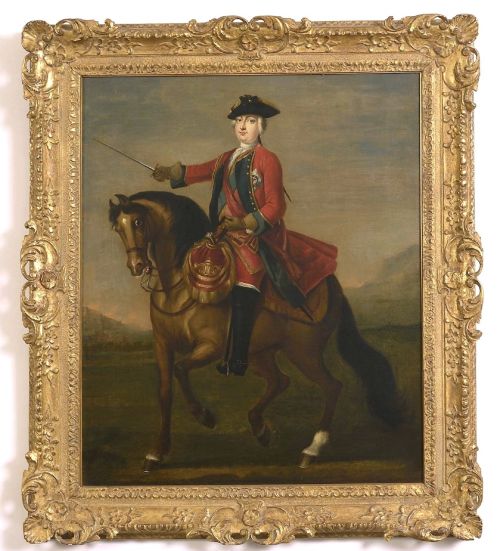
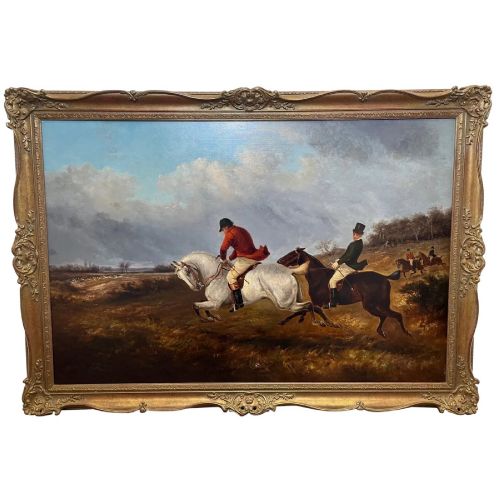
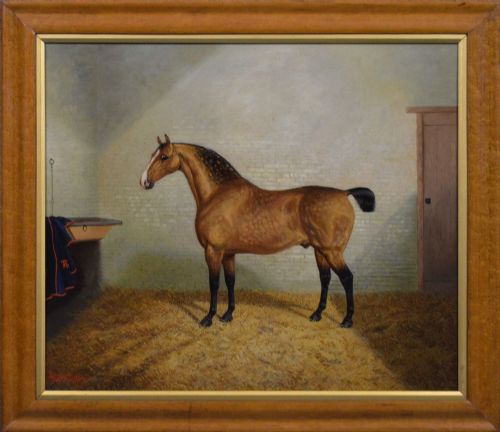
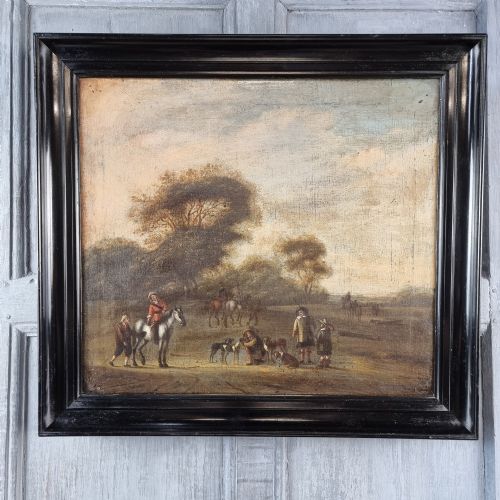
Framed Horse Canvas Painting
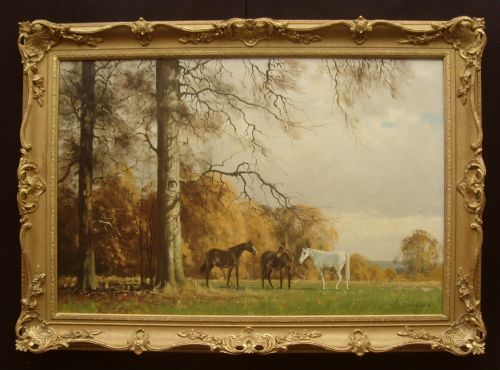
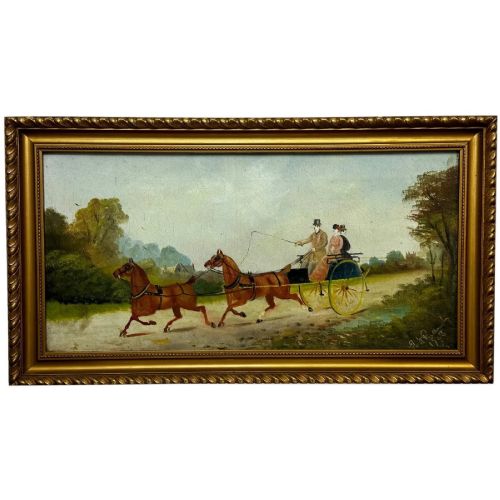
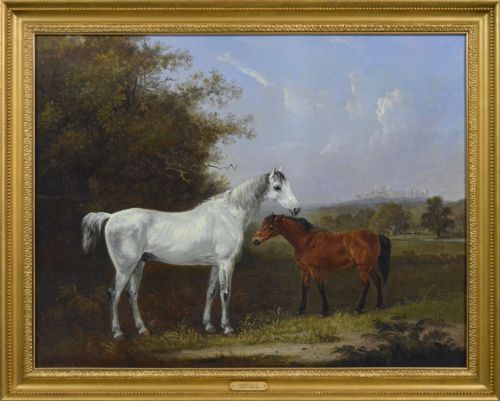
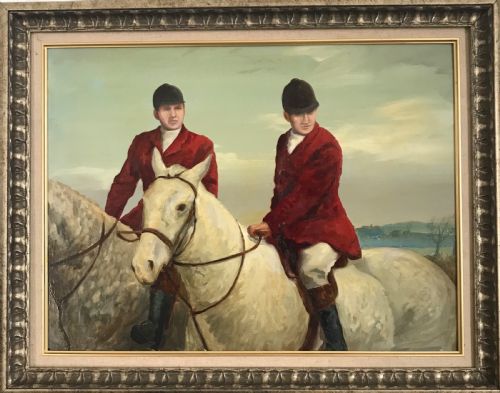
When you search for a framed horse canvas painting, you look for oil works on fabric that capture nineteenth-century hunters and racing subjects.
Framed Horse Canvas Painting
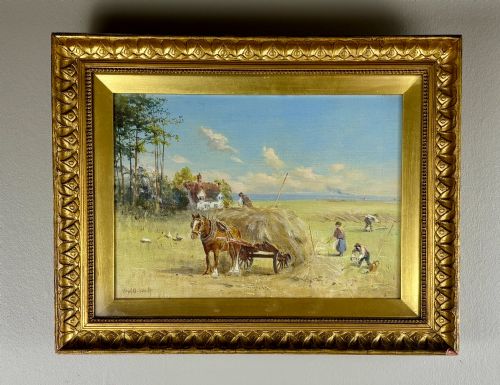
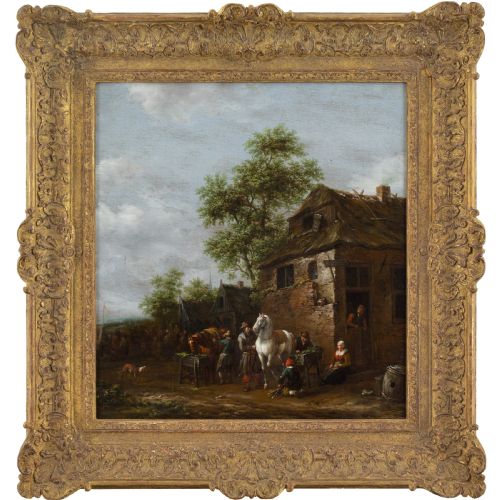
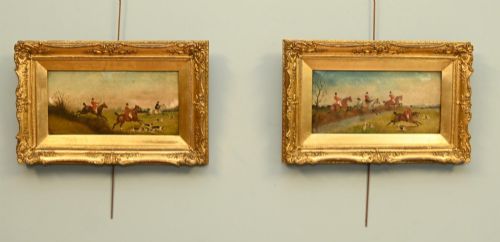
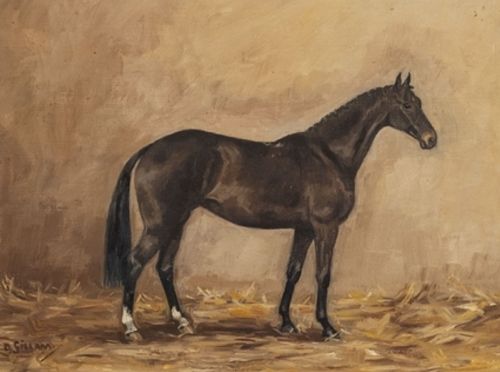
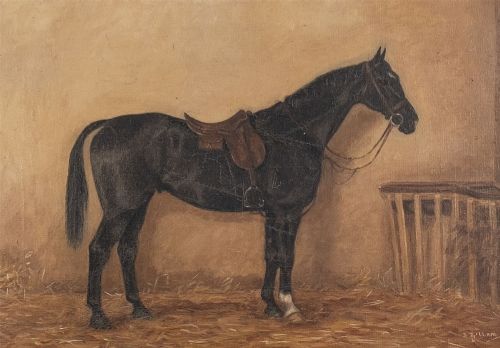
A framed horse canvas painting spans centuries of equestrian and sporting art, recording individual racehorses, hunters, and working animals in oils. Buyers searching for a framed horse canvas painting most often encounter nineteenth-century British school portraits, Victorian hunting scenes, and mid-twentieth-century rural studies.
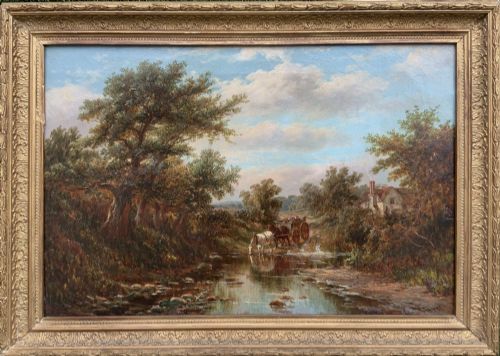
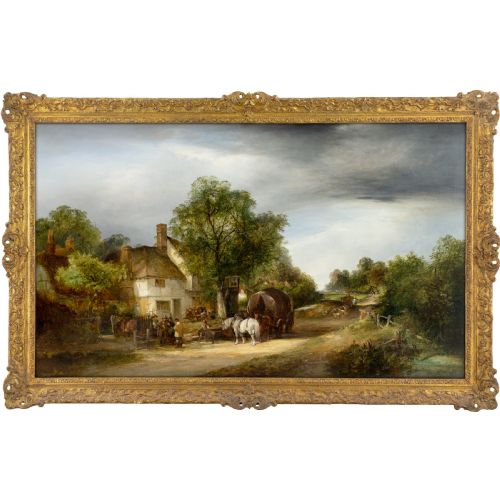
The subjects range from named Derby winners and stable portraits to rural landscapes featuring hay wagons, plough teams, and coastal paths. These works combine animal portraiture with landscape settings, reflecting the social history of farming, racing, and field sports.
The physical form typically consists of oil paint applied to woven canvas, secured within period wooden mouldings or giltwood frames. Originating largely from British and European studios, these pieces demonstrate the enduring appeal of equine subjects across different decades.
Materials and construction
These works rely on oil paint applied to stretched canvas supports, utilising traditional pigment mixing and layering techniques. Artists built up depth through successive glazes and opaque strokes, allowing the texture of the fabric to interact with the brushwork.
Several canvases record local canine spectators stubbornly refusing to leave the racecourse sidelines.
Assessing quality and execution
Quality in these works rests upon the anatomical accuracy of the animal and the fluidity of the brushwork. Master painters captured muscle structure, light on glossy coats, and the tension of motion with precise observation, whereas lesser hands produced stiff or generic forms.
The relationship between the animal, its rider or handler, and the surrounding landscape indicates the skill of the artist. Superior examples integrate the subject harmoniously into a detailed setting with balanced composition and considered tonal harmony.
Henry Barraud·Thomas Smythe·Albert Clark·Abraham Cooper·John Ferneley Senior
The Framed Horse Canvas Painting Glossary
- Canvas
- A heavy woven fabric used as a surface for oil painting, typically stretched over a wooden frame. This material provides the primary structural support for the pigment layers.
- Giltwood
- Wood carved and covered with a thin layer of gold leaf or gold paint. This finish frequently adorns the frames accompanying nineteenth-century fine art.
- Equine art
- Depictions of horses across various settings, including racing, hunting, and agricultural work. This genre forms a significant category within British sporting art.
- Stretcher
- The internal wooden frame that holds the canvas taut. Traditional versions feature corner keys to adjust the tension of the fabric.
- Provenance
- The documented history of ownership of an artwork. This paper trail connects the piece to past collections, estates, or galleries.
Framed Horse Canvas Painting: Frequently Asked Questions
How do I identify a 19th-century horse painting?
Nineteenth-century horse paintings often display specific anatomical conventions, costume details, and framing styles characteristic of the period. Artists of this era focused heavily on named hunters, racehorses, and rural working scenes.
The backing materials, stretcher construction, and canvas texture also offer clues to the age of the piece. Examining the ground layers and pigment types helps confirm the historical context of the work.
What is Victorian sporting art?
Victorian sporting art encompasses paintings celebrating equestrian pursuits, fox hunting, and racing during the nineteenth century. These works served to record prized animals and significant sporting events for country houses and estates.
The genre combined accurate portraiture of horses and hounds with expansive British landscapes. Painters captured the social importance of field sports through detailed compositions.
How should I care for an oil on canvas?
An oil painting on canvas requires stable environmental conditions away from direct sunlight and dramatic humidity fluctuations. Keeping the room temperature moderate prevents the canvas and wooden stretcher from warping or cracking.
Dusting should be done gently with a soft, dry brush, avoiding any moisture or cleaning agents on the paint surface. Professional conservation should be sought for any structural repairs or cleaning.
Are these paintings signed by the artist?
Many works bear signatures, initials, or monograms applied by the artist, often located in the lower corners of the canvas. Some historical pieces remain unsigned or attributed to a specific school or follower of a known master.
Inscriptions on the reverse of the canvas or stretcher frequently provide titles, dates, or former collection details. Archival research and stylistic comparison help attribute unsigned works.