


Antique Horse and Groom
These antique horse and groom pieces capture the traditional working relationship between stable hands and their animals through fine bronze and oil painting.
Antique Horse and Groom
An antique horse and groom piece brings together equestrian subjects and their handlers, spanning periods from the seventeenth century to the late nineteenth century. You will encounter these works executed in a range of forms, most notably bronze sculptures and oil paintings on canvas.
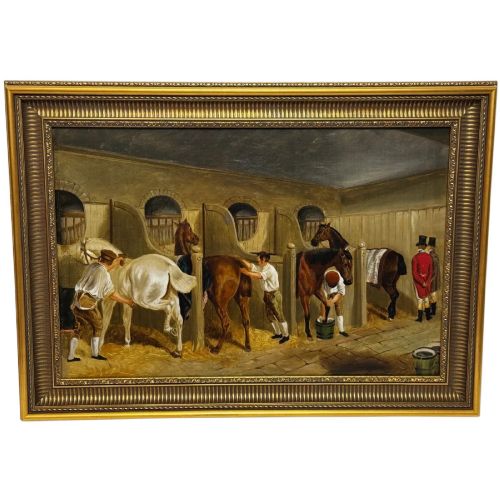
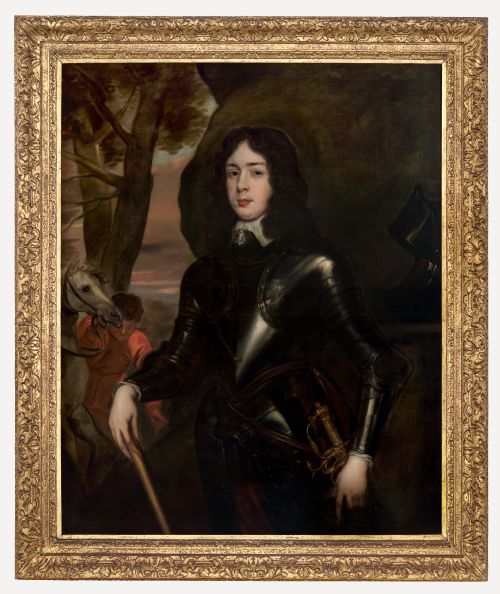
The selection on this page leans heavily towards Victorian sporting art and nineteenth-century animalier bronzes, alongside earlier Regency and seventeenth-century baroque works. These pieces frequently depict stable scenes, hunts, and portraits of horses attended by their grooms in detailed landscapes or architectural settings.
Makers and artists represented in this tradition include notable sculptors and painters such as John Willis Good, Charles Crozatier, and John Ferneley Jnr. Buyers seek out these diverse depictions to add historical depth and classic equestrian character to an interior space.
How they were made
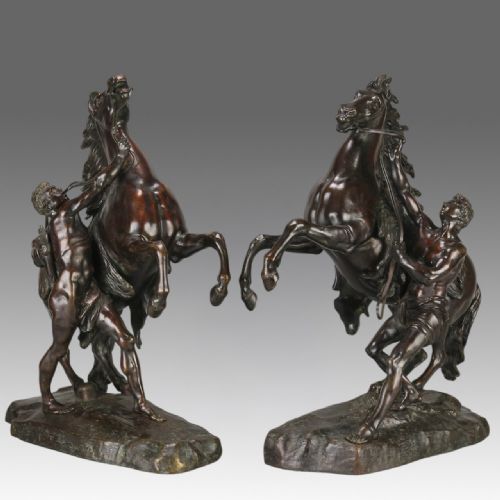
Sculptural pieces rely on cast bronze and plaster, capturing muscular form and dynamic movement in works like the Marly horses and jockey figures. These metals are often finished with patination to highlight texture, while frames utilise gilt wood and giltwood to complement the primary object.
Painted works utilise oil on canvas and drawing media on paper and linen, applying layered pigments to achieve depth in coats, fabrics, and pastoral backgrounds. The artists handle light and shadow to create realistic textures in both equine hides and the attire of the human figures.
Listings combine Victorian sporting art with seventeenth-century baroque canvases, utilising bronze, oil on canvas, and gilt wood.
What varies in quality
The standard of a bronze sculpture rests on the crispness of the casting and the depth of the chased details, particularly in the rendering of muscle and hair. Finer pieces retain sharp contours where lesser castings appear softened or show evidence of worn moulds.
In painted works, the articulation of anatomy and the subtlety of the background landscape separate standard decorative pieces from accomplished masterworks. Superior canvases demonstrate confident brushwork in both the equine subject and the accompanying groom, maintaining proportion and atmospheric perspective.
John Willis Good·Charles Crozatier·Clifton Tomson·John Ferneley Jnr
The Antique Horse and Groom Glossary
- Animalier
- A nineteenth-century artistic movement focusing on the realistic depiction of animals, particularly horses, lions, and dogs. Sculptors in this style often worked in bronze.
- Baroque
- An extravagant artistic style from the seventeenth century characterised by dramatic movement and deep chiaroscuro lighting. It appears in early equestrian and portrait compositions.
- Patination
- The chemical or natural surface treatment applied to bronze to alter its colour and protect the metal. A well-maintained patina adds visual depth to sculptural forms.
- Regency
- A British architectural and decorative period dating from the early nineteenth century. Works from this era often display refined classical restraint.
- Giltwood
- Timber that has been coated with a thin layer of gold leaf. It is commonly found on the ornate frames enclosing period oil paintings.
Antique Horse and Groom: Frequently Asked Questions
What periods do these pieces cover?
The available selection spans from the seventeenth century through the Regency era and deep into the Victorian period. These diverse timelines reflect changing artistic approaches to equestrian subjects over several centuries.
Buyers will find that earlier seventeenth-century works often carry baroque influences, while nineteenth-century pieces lean towards detailed sporting art and animalier bronzes.
What materials are most common?
Bronze is the primary medium for sculptural works, frequently cast into detailed figures of horses and handlers. Oil on canvas dominates the two-dimensional works, accompanied by occasional drawings on paper.
Frames and supports often incorporate gilt wood, linen, and marble to complement the central artwork or sculpture.
How do I care for bronze sculptures?
Bronze requires minimal intervention beyond gentle dusting with a soft, dry cloth to prevent the accumulation of grit. Avoid using chemical polishes, as these can strip away the original historical patina.
Keep the metal away from areas of high humidity and direct sunlight to preserve the surface finish over the long term.
Where were these scenes typically set?
Many of the painted works place the horse and groom within structured stable interiors or expansive rural landscapes. These settings reflect the actual working environments of nineteenth-century estates and hunting studs.
Other compositions incorporate architectural backdrops or formal portrait settings to emphasise the status of the animals and their owners.