

Framed Historical Engraving
When you examine a framed historical engraving, you hold a printed record of past portraits, maps and events preserved behind glass.
Framed Historical Engraving
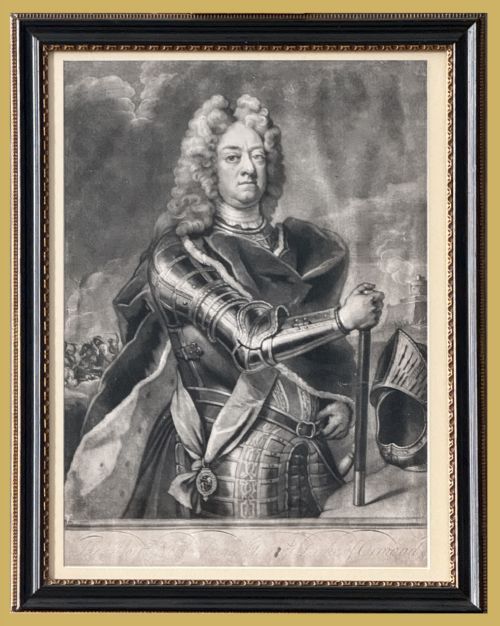
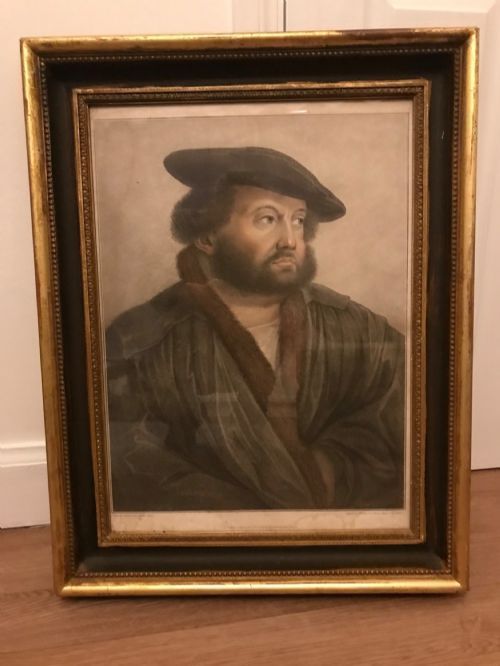
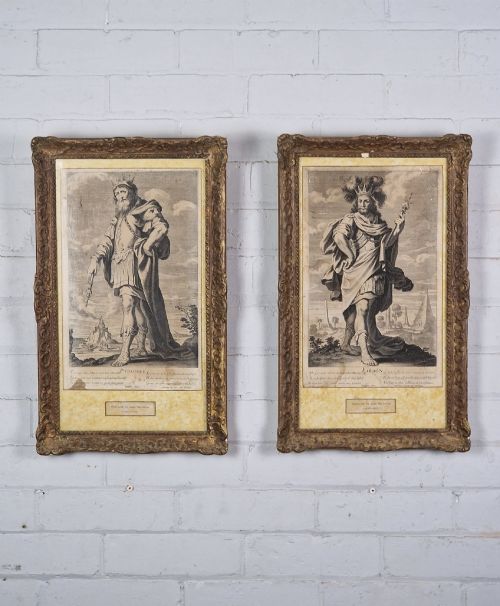
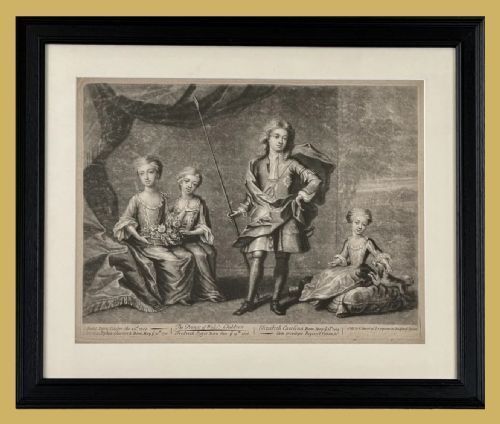
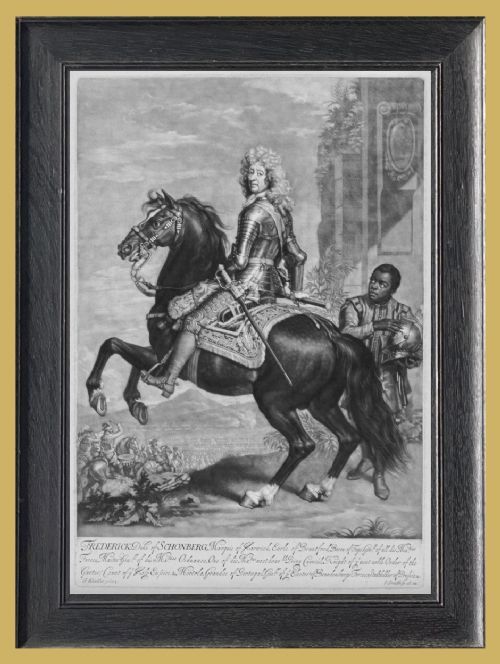
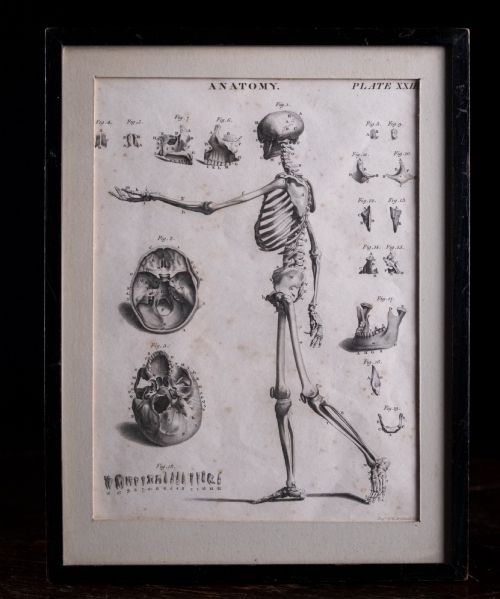
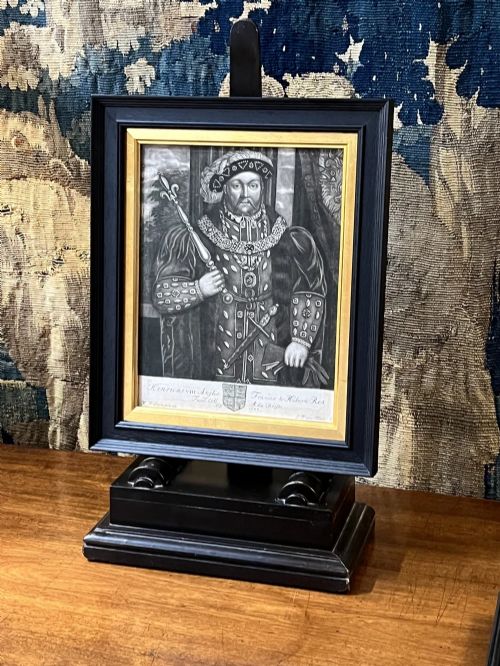
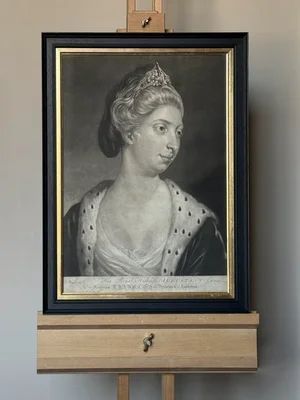
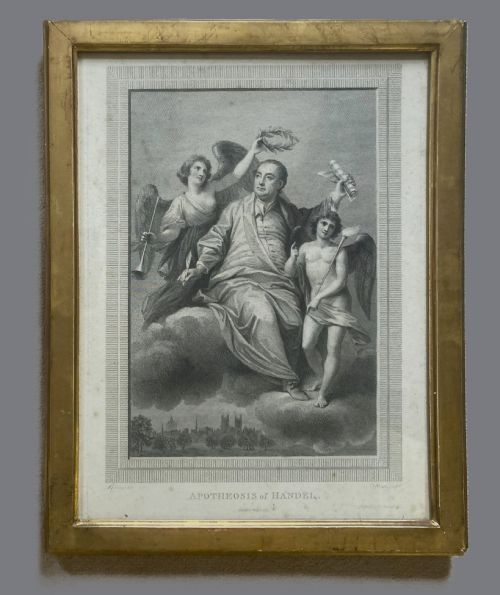
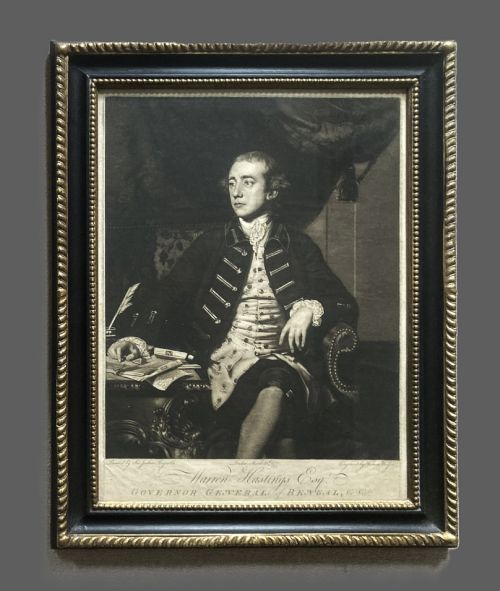
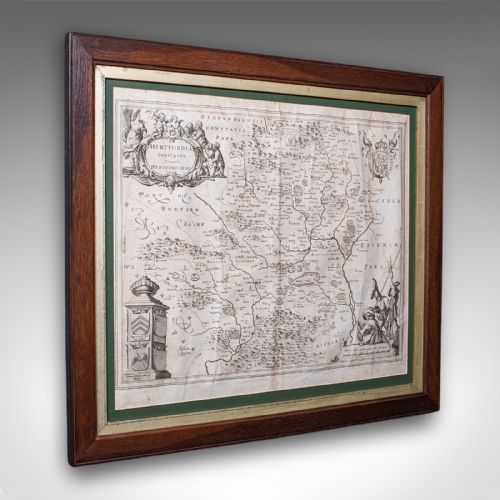
A framed historical engraving brings documented centuries of portraiture, cartography and narrative scenes into interior spaces. These wall art pieces capture subjects ranging from eighteenth-century political figures and anatomical studies to seventeenth-century county maps.
The selections span seventeenth, eighteenth and nineteenth periods, reflecting diverse origins including British, French and Dutch workshops. Buyers encounter works framed in period timber mouldings such as oak, giltwood and original Hogarth designs.
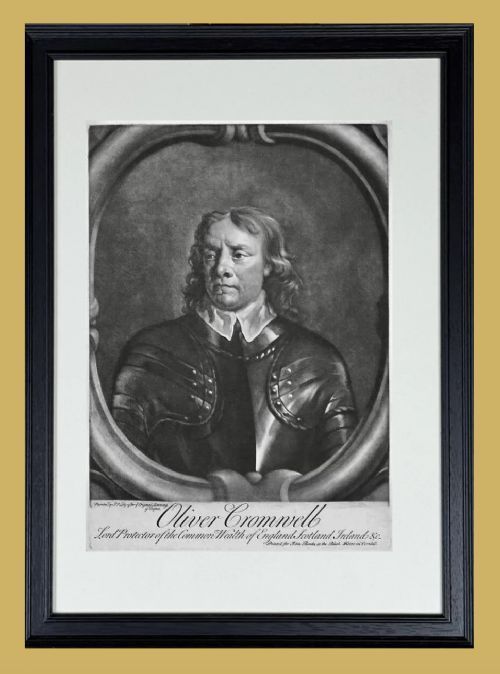
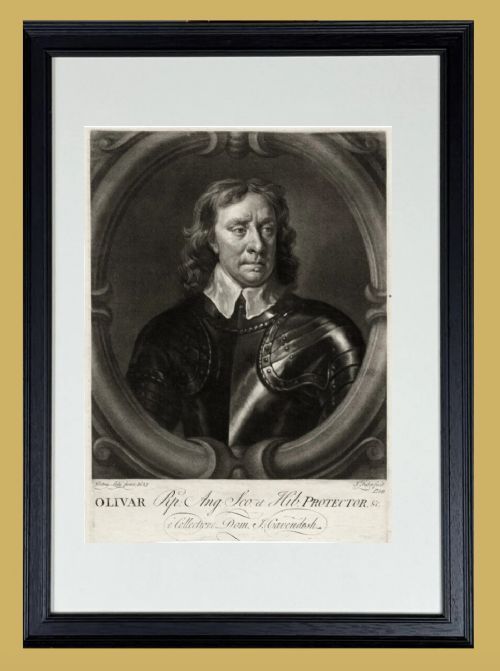
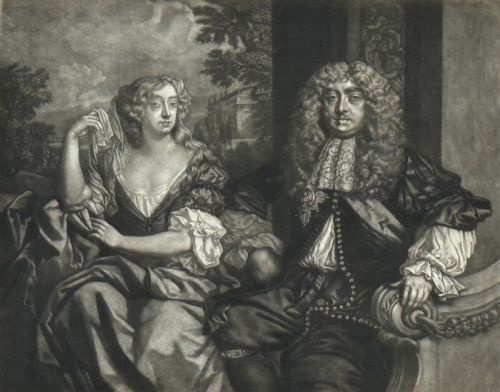
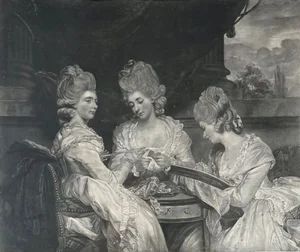
Portraits after painters like Sir Peter Lely and Sir Joshua Reynolds dominate the selection, alongside framed maps by cartographers like Blaeu and Ogilby. These prints offer direct visual contact with historical personalities and historical geography.
Materials and Technique
Makers produced these works using ink pressed from metal plates onto paper sheets, employing line engraving, stipple or mezzotint methods. Printers often utilised copper plates to achieve tonal depth and fine linear detail.
Workshops housed the prints within wooden frames, frequently utilising oak or gilt wood augmented with gold leaf and glass protection. Surviving examples retain original mouldings that secure the paper substrate.
Historic anatomists and kings share wall space here, proving that eighteenth-century observers liked their science alongside their monarchs.
Assessment of Quality
Quality rests upon the clarity of the plate impression and the fidelity of the ink transfer onto the paper. Early impressions preserve the crisp detail intended by the engraver before plate wear softens the lines.
The retention of original framing materials, such as eighteenth-century wood mouldings and historic glass, elevates the integrity of the piece. Preservation of margins around the printed image further indicates higher execution standards.
John Simon·Francesco Bartolozzi·John Smith·Jacobus Houbraken·Valentine Green
The Framed Historical Engraving Glossary
- Mezzotint
- A printmaking process where the copper plate is roughened to achieve rich dark tones and subtle gradations of light. This technique gained widespread popularity for reproducing oil painting portraits.
- Line engraving
- A technique where sharp tools incise direct lines into a metal plate to produce precise images. It served as the primary method for detailed maps and architectural plates.
- Giltwood
- Timber carved and coated with a thin layer of gold leaf or gilt. It provides ornate framing for seventeenth and eighteenth-century works.
- Cartography
- The scientific and artistic practice of mapmaking. Historical examples record past borders, towns and topography.
Framed Historical Engraving: Frequently Asked Questions
How do I date an engraving?
Dating relies on typographical styles, printed publication dates, artist inscriptions and costume details depicted within the image. Paper characteristics and plate marks also offer chronological clues.
Matching the historical subject or sitter's lifespan provides a reliable bracket for when the print was published.
What is a mezzotint portrait?
A mezzotint is a tonal print method where the engraver works from dark to light on a roughened copper plate. This allows for velvety backgrounds and smooth skin tones.
Portraitists used this method to replicate oil paintings by masters like Sir Peter Lely and Sir Joshua Reynolds.
How should I hang these prints?
Hang framed historical works away from direct sunlight to protect the paper substrate and ink from fading. Stable indoor humidity prevents warping in historic wooden frames.
Ensure wall fixings adequately support the weight of timber mouldings and glass glazing.
Are antique maps considered engravings?
Many antique maps from the seventeenth and eighteenth centuries were produced as copperplate engravings before being hand-coloured. Cartographers such as Blaeu and Ogilby utilised this medium for county and regional maps.
These functional documents doubled as decorative wall art.