
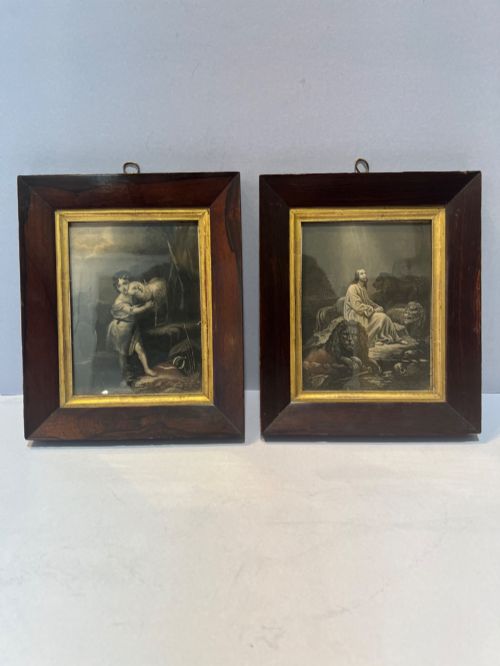
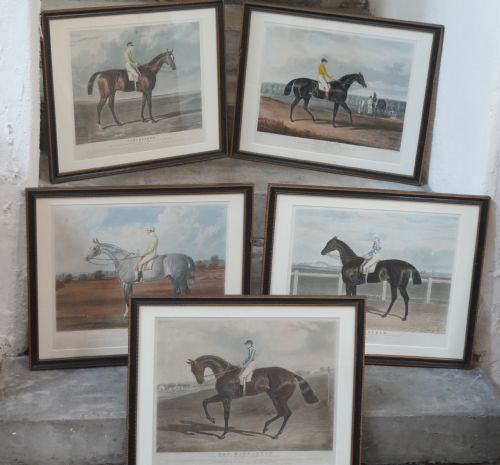

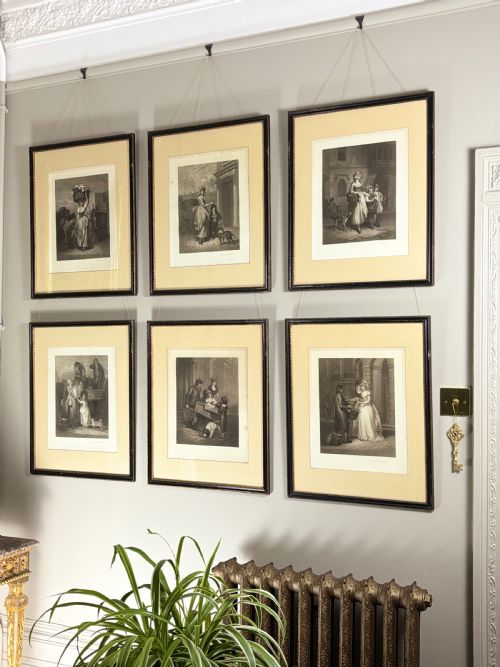


Dark Wood Framed Engraving
A dark wood framed engraving brings historic imagery into a room, offering a window into centuries of portraiture, natural history and cartography.
Dark Wood Framed Engraving
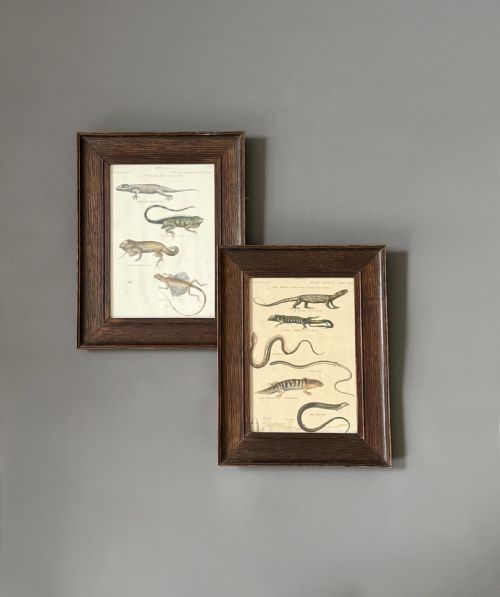
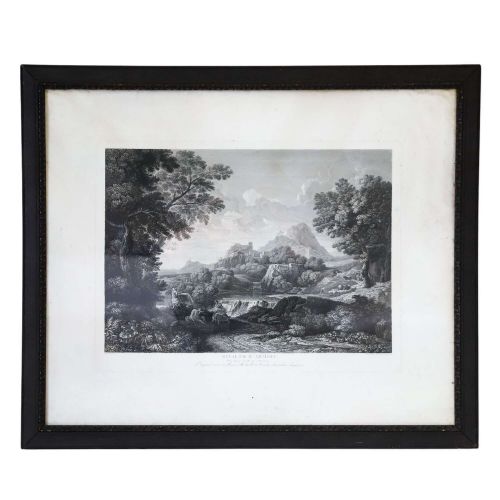
A dark wood framed engraving is a piece of printed or hand-coloured artwork set behind glass within a timber moulding, often pairing centuries-old paper works with rich timber surrounds. When searching for a dark wood framed engraving, collectors encounter framed prints, wall art and maps spanning several centuries.
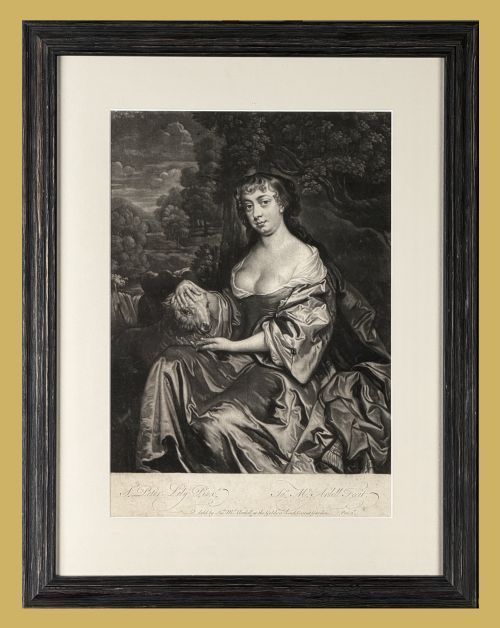
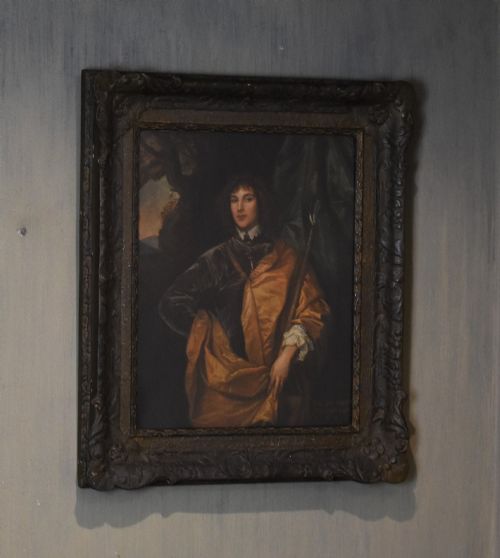
The selections on this page draw from 17th Century, 18th Century and 19th Century periods, encompassing styles such as Georgian, Victorian, Regency and Baroque. Common subjects include botanical studies, animal portraits, horse racing scenes, topographical maps and classical mezzotint portraits.
Mouldings constructed from rosewood veneer, gilded wood and solid timber enclose works printed in ink on paper, alongside rarer items like reverse engravings on glass. These pieces range from individual cabinet portraits to matched sets and large decorative series.
How they were made
Frames were constructed to protect delicate paper prints behind glass, frequently incorporating gold leaf accents or deep wood tones to complement the dark ink of the central artwork. Reverse engravings on glass applied the technique directly to the transparent medium rather than paper.
Listings feature 17th Century, 18th Century and 19th Century periods, incorporating glass, paper, wood, gold leaf, ink, rosewood veneer, gilded wood and timber.
What varies in quality
The distinction between tiers rests upon the clarity of the plate impression, the preservation of the paper and the integrity of the original frame. Sharp, deeply bitten lines in a mezzotint or engraving indicate a fresh plate, whereas worn plates yield softer, muddier details.
The relationship between the print and its housing matters significantly, as period frames retaining their original glass and timber surfaces elevate the piece. Hand-coloured examples require careful preservation of the pigment, while maps and portraits benefit from clear margins and minimal toning.
William Bird MD FLS·James Macardell·Thomas G Appleton·Antonio Capellan·Robert Morden·John Curtis·John Boydell·John Speed·Sam Howitt
The Dark Wood Framed Engraving Glossary
- Engraving
- A printmaking method where an artist cuts lines directly into a metal plate using a sharp tool called a burin. The resulting plate holds ink within the grooves to transfer fine lines onto paper.
- Mezzotint
- A tonal printmaking process that works from dark to light by roughening the metal plate uniformly to produce rich, velvety blacks and subtle gradations of shade. This technique proved especially popular for theatrical and royal portraits.
- Rosewood Veneer
- A thin layer of richly figured tropical timber applied over a secondary wood base to provide a dark, polished surface for picture frames. It yields a distinctive grain pattern valued in period cabinetmaking.
- Reverse Engraving on Glass
- An intricate process where the image is painted or engraved backward directly onto the rear surface of the glass, viewed from the front to create a luminous finish.
- Cartography
- The study and practice of making maps, represented here through historic county maps produced by prominent early cartographers.
Dark Wood Framed Engraving: Frequently Asked Questions
How do I date a framed engraving?
Dating relies on the paper quality, the printing technique, the style of the script beneath the image and the construction methods of the timber frame. Watermarks in the paper and stylistic clues in the clothing or architecture of the subject also help narrow the timeframe.
Evidence on this page shows pieces originating from the 17th Century through to the early 20th Century, with specific dates recorded on many maps and portrait plates.
Are these antique frames original?
Many pieces retain their period frames, particularly those featuring 18th Century and Regency mouldings like rosewood veneer or gilded wood. However, paper works from earlier centuries were frequently reframed in subsequent eras to match changing interior tastes.
Examining the backing boards, corner joints and glass helps determine whether the frame belongs to the same period as the print inside.
How should I hang and light them?
These works require protection from direct sunlight to prevent the ink and any hand-applied watercolours from fading over time. Stable indoor humidity levels protect both the historic paper and the wooden frame.
Wall placement should avoid exterior walls subject to dampness or significant temperature swings, using secure fixings suited to the weight of timber and glass.
What is the difference between an engraving and a mezzotint?
An engraving relies on linear incisions made with a metal tool to build up an image through precise lines and cross-hatching. A mezzotint creates tonal depth through a roughened plate surface that holds ink for smooth, dark shadows.
Both methods produce detailed monochrome prints, though mezzotints offer softer, painterly transitions often utilised for grand portraiture.