
Framed Historic Portrait Art
When you search for framed historic portrait art, you encounter centuries of faces rendered in oils, prints, and miniatures.
Framed Historic Portrait Art
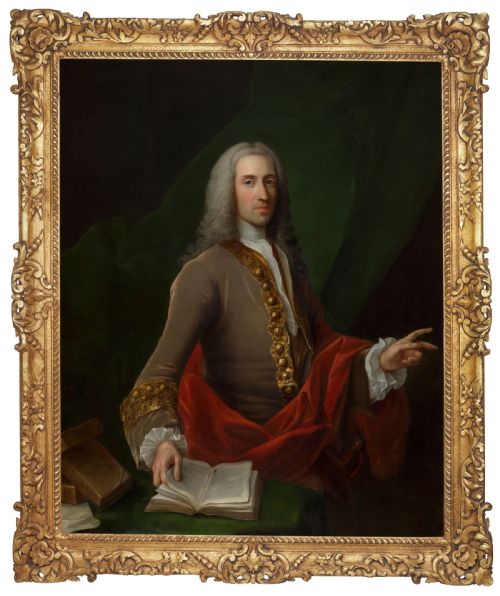
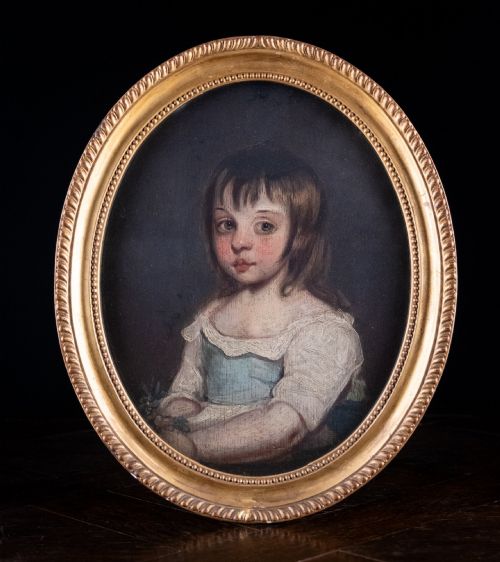
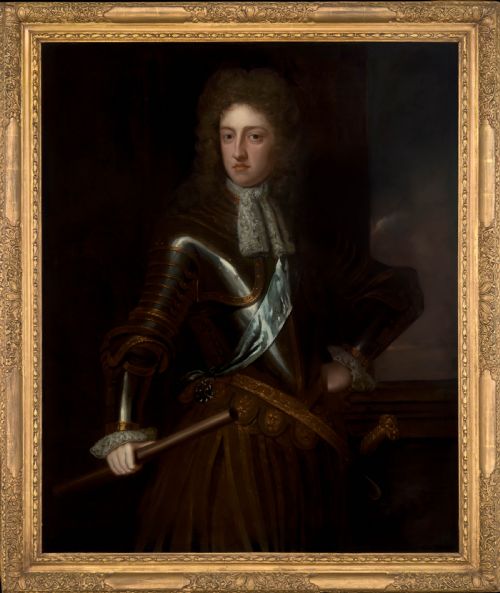
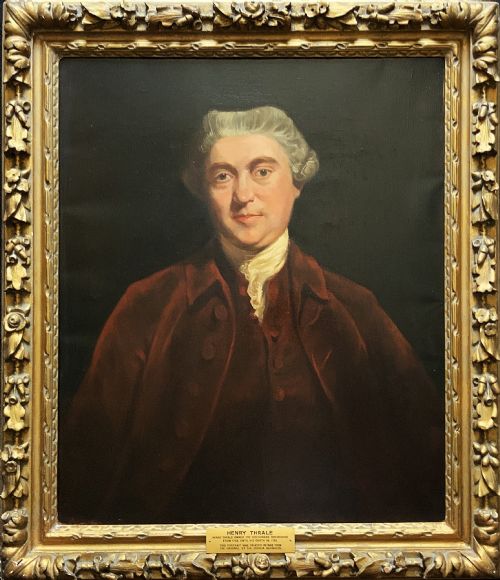
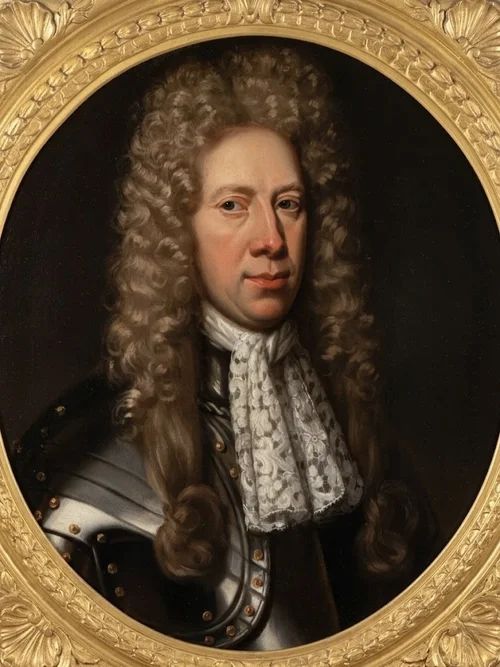
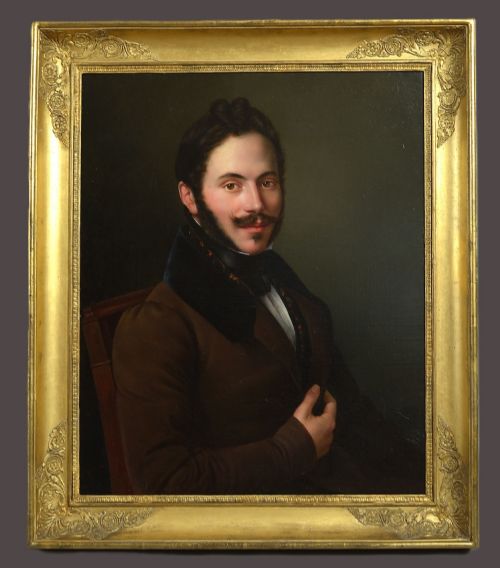
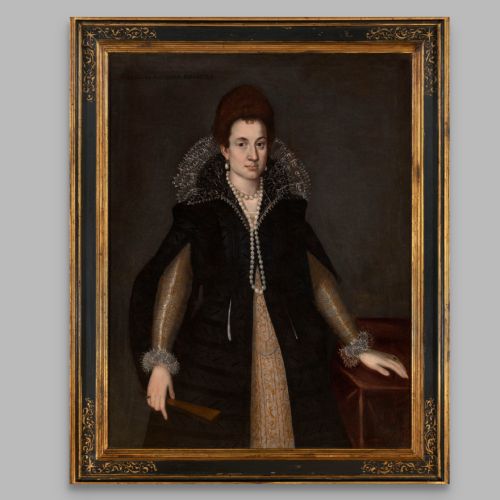
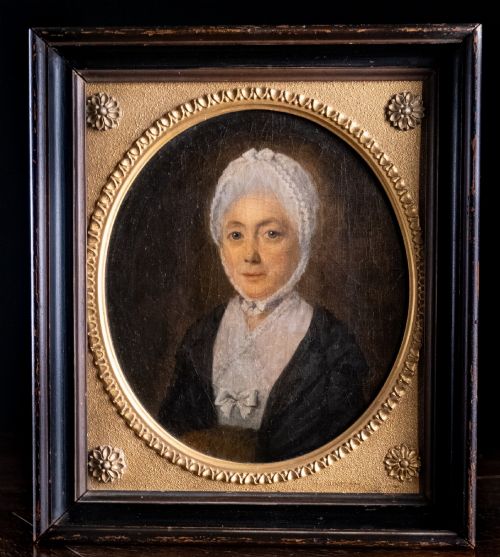
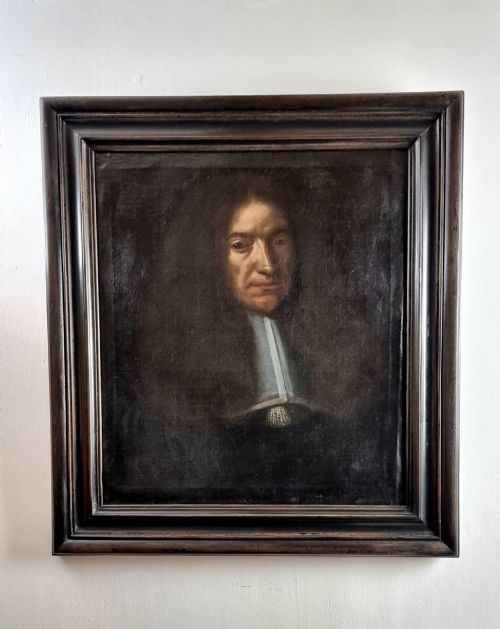
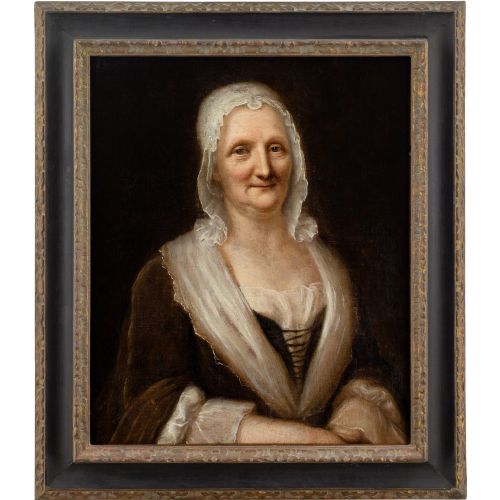
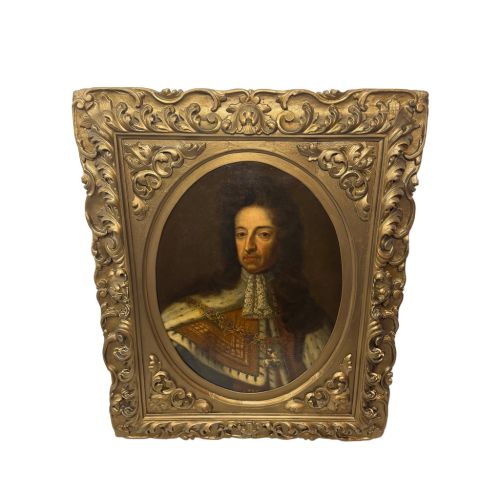
Framed historic portrait art captures historical figures, nobility, and everyday subjects from past centuries. When searching this phrase, you find works spanning from the seventeenth to the nineteenth century.
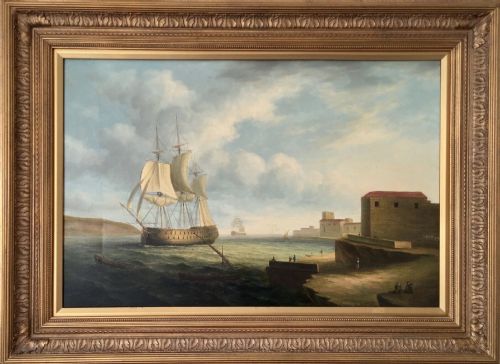
The selections on this page heavily feature oil paintings on canvas and panel alongside prints and mezzotints. Subjects range from British and European nobility to country girls and military officers.
Schools of art represented include English, French, and Northern European traditions. These pieces frequently retain period frames that complement the age of the artwork.
Materials and construction methods
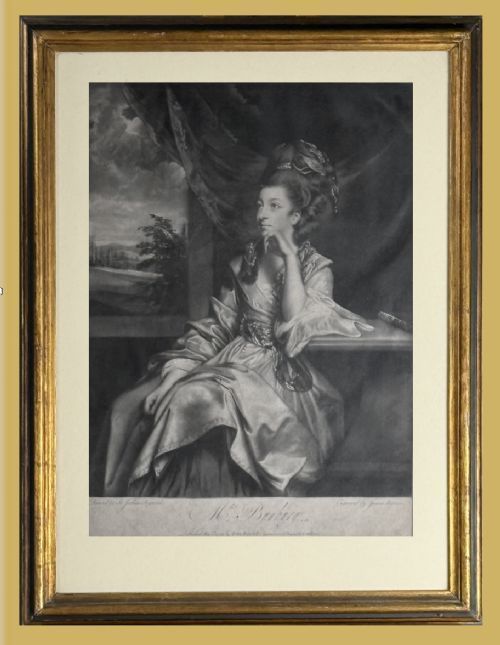
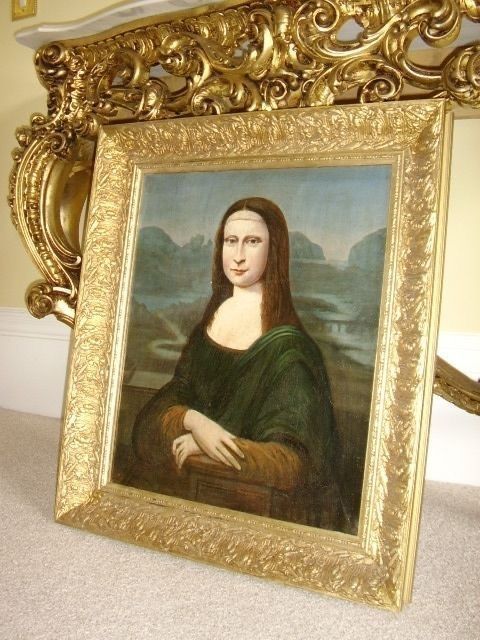
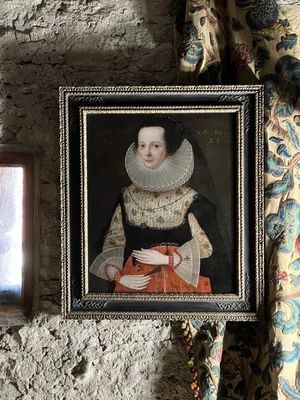
Artists painted primarily with oil paint on stretched canvas or wooden panels, creating rich textures and layered tones. Works on paper utilise techniques such as mezzotint and plumbago.
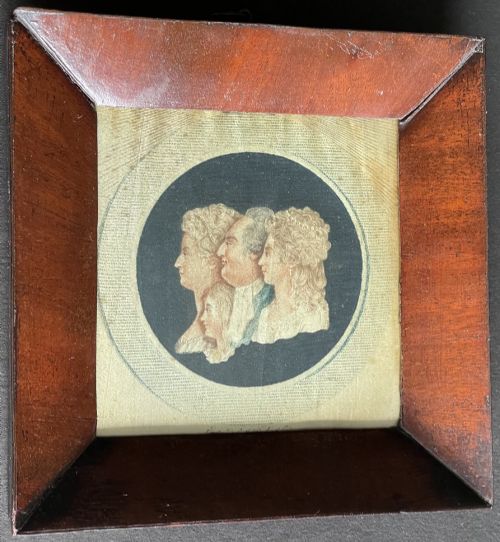
Frames utilise wood and giltwood, enclosing the primary artwork alongside glass for prints and miniatures. Silk prints also appear as a distinct medium within the selection.
A seventeenth-century gentleman holds a pipe while posing for posterity.
Distinctions in quality and execution
Condition of the original canvas, stability of the paint layer, and authenticity of the period frame influence the standing of each piece.
James Watson·Sir Joshua Reynolds·Leonardo Da Vinci·Jeremiah Davison·Sir Godfrey Kneller·John Scougall·Louis XVI·Edouard Pingret·Pietro Fachetti·King William III·Sir Thomas Wentworth·Sir Philip Mainwaring·Pieter Borseler·Joseph Vivienne·Henri and Charles Beaubrun·John Greenhill·John Taylor·Emperor Akbar II·William Millar·Frank Moss Bennett
The Framed Historic Portrait Art Glossary
- Mezzotint
- A printmaking process where the copper plate is roughened to achieve tonal gradations. This technique allows for rich dark backgrounds and subtle facial highlights.
- Plumbago
- A drawing executed in graphite, taking its name from the Latin word for lead ore. These detailed works often feature precise linework and monochrome shading.
- Oil on Panel
- A painting created on a wooden support rather than fabric canvas. Panels provide a rigid surface that supports fine, detailed brushwork.
- Giltwood
- Wood carved and coated with a thin layer of gold leaf. This material is standard for luxury frames surrounding historic portraits.
- Circle of
- A designation indicating an artist worked in close association with a master, sharing style and technique without being the master directly.
Framed Historic Portrait Art: Frequently Asked Questions
What periods do these portraits cover?
The listed items span multiple centuries, predominantly featuring seventeenth, eighteenth, and nineteenth-century works. Georgian and Regency pieces also appear regularly.
Specific dates within titles point to particular decades, such as the sixteen-twenties or eighteen-sixties, reflecting the era of creation or the sitter's lifetime.
How should I care for an oil portrait?
Keep painted canvases away from direct sunlight and fluctuating humidity to prevent paint cracking and wood warping. Dust frames gently with a dry, soft cloth.
Avoid using liquid cleaners on the canvas surface, as historic varnishes react poorly to moisture.
Are original frames included?
Many listings specify original or period frames accompanying the artwork. Giltwood frames frequently match the era in which the portrait was painted.
Check individual descriptions to confirm whether the frame dates to the same period as the canvas or print.
What is a portrait miniature?
A portrait miniature is a small-scale painting, often executed on delicate materials, designed for intimate viewing. Examples from the nineteenth century capture specific individuals with high precision.
These pieces usually feature specialised protective housing, such as small framed glass fronts.