





Framed Historic Engraving
A framed historic engraving brings centuries of cartography, portraiture and architecture directly onto the wall in traditional frames.
Framed Historic Engraving
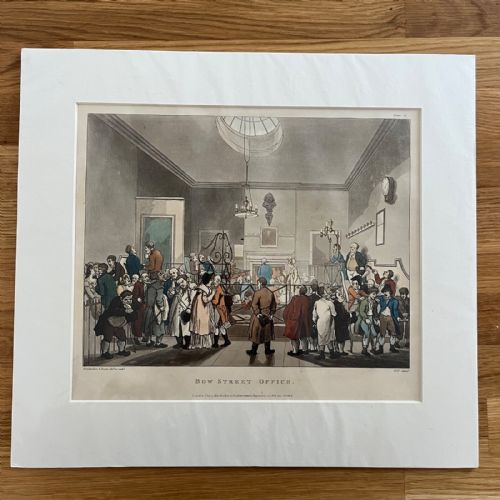
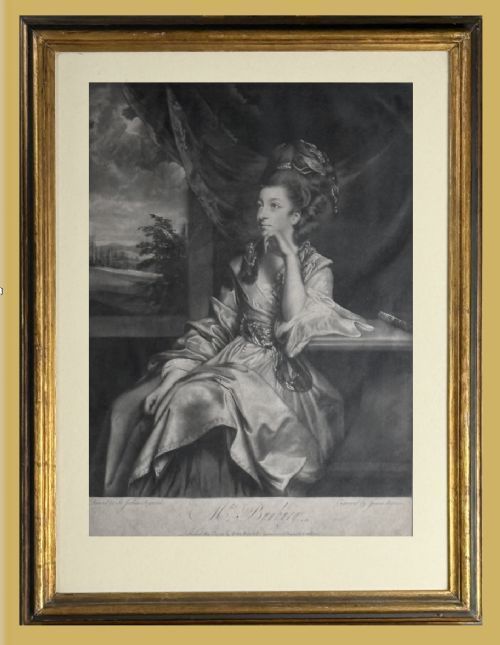
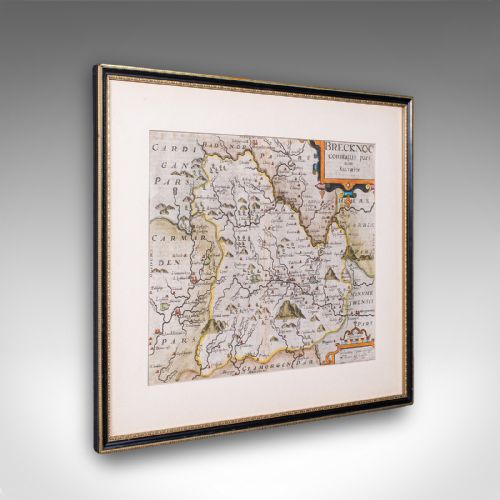
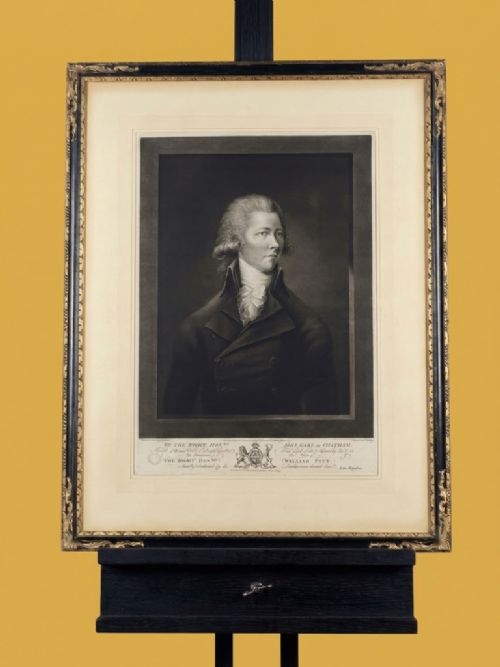
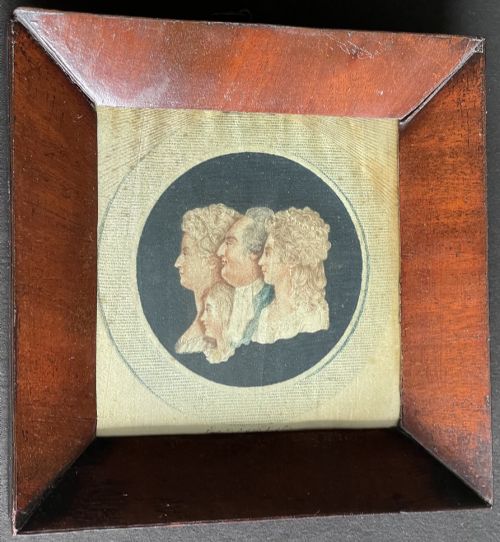
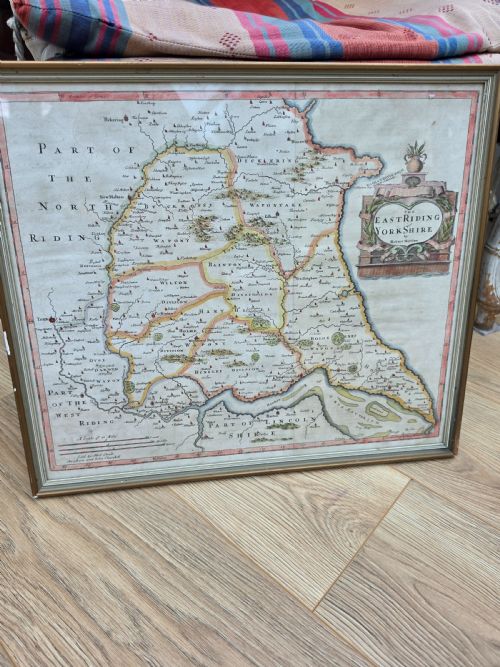
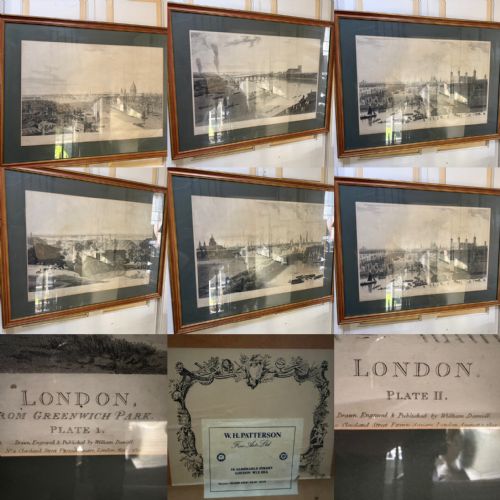
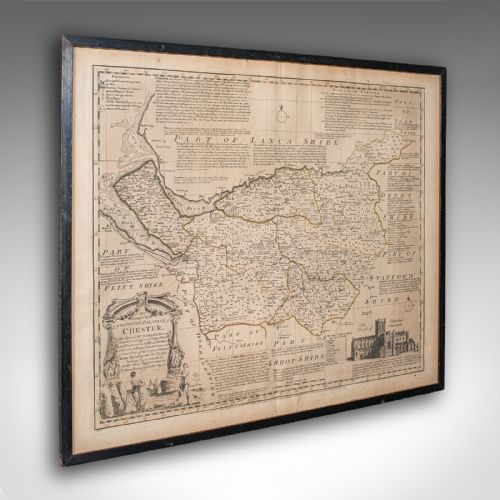
When you search for framed historic engraving, you find works spanning the seventeenth century through to the nineteenth century, including Georgian and Regency periods. The selection focuses heavily on framed county maps, town plans, mezzotint portraits, and architectural plates.
Most examples originate from British and European cartographers, publishers, and portraitists, presented behind glass in wooden or gilt wood frames. These pieces function primarily as wall art, capturing historical topography and notable historical figures.
Buyers encounter works produced by noted mapmakers and printmakers, alongside French engravings and panoramic views of London. Each item offers a distinct window into past cartography, portraiture, and architectural recording.
How they were made
The process relies on inked impressions pulled from engraved metal plates onto laid or woven paper, sometimes incorporating hand-applied watercolour. Certain specialised pieces utilise silk as the printing ground.
Frames typically consist of wood, gilt wood, or sections incorporating gold leaf to enclose the paper work behind protective glass. Past makers combined copperplate engraving and mezzotint techniques with manual colouring and traditional framing methods.
Framed Historic Engraving Retail Price Guide 2026
Typical asking prices for framed historic engraving among the pieces listed under this phrase on Sellingantiques today, from the lower quarter to the upper quarter. They describe what is for sale here now, not the wider market.
Materials recorded across the inventory include paper, ink, glass, wood, gold leaf, gilt wood, watercolour, and silk.
What varies in quality
Quality depends upon the crispness of the original impression pulled from the metal plate and the survival of fine detail in the lines. Early printings and first editions retain sharper definition than later impressions or subsequent restrikes.
The condition of the paper surface, the presence of original hand-colouring, and the integrity of early framing elements also separate standard examples from finer works. Original margins on maps and prints indicate a higher grade of preservation.
John Speed·Jan Blaeu·John Cary·William Daniell·Thomas Kitchin
The Framed Historic Engraving Glossary
- Mezzotint
- A printmaking process where the copper plate is roughened to produce dark tones, allowing smooth gradations of light and shade. This technique is frequently seen in eighteenth-century portrait prints.
- Cartography
- The science and art of mapmaking, represented on this page by seventeenth- and eighteenth-century regional and county maps. These engraved maps often include decorative cartouches and heraldic details.
- Gilt Wood
- Wood carved and coated with gold leaf or a gold-coloured finish, commonly used for traditional picture frames. It provides a reflective border suited to historic works on paper.
- Watercolour
- Paint using water-soluble pigments, applied by hand to enhance monochrome engravings and maps. Contemporary hand-colouring adds vibrancy to the printed lines.
- Plate Mark
- The indentation left on paper by the pressure of the metal plate during the printing process. This physical edge confirms an authentic early engraving.
Framed Historic Engraving: Frequently Asked Questions
How should I hang historic engravings?
Keep framed pieces away from direct sunlight to protect the paper and any ink or watercolour pigments from fading over time.
Ensure the hanging wall remains free from excessive moisture and stable in temperature to preserve both the print and its wooden frame.
What is a mezzotint portrait?
A mezzotint portrait is a print created by working a copper plate to achieve rich tonal variations rather than simple lines.
This method was often employed during the eighteenth century to reproduce oil paintings of notable public figures.
How do I identify a map's age?
Check the cartouche, spelling of place names, and any published date stated within the plate margins or accompanying text references.
Style elements like decorative borders and typography styles also help align the map with specific centuries and cartographers.
Can antique maps be removed from frames?
Removing antique paper from historical frames risks damaging fragile paper, acidic backing materials, and historic mountings.
Leave the work inside its protective frame unless conservation cleaning or expert examination requires professional intervention.