

Framed Hallway Mirror
A framed hallway mirror settles an entryway, bringing light and depth to narrow passages through period craft.
Framed Hallway Mirror
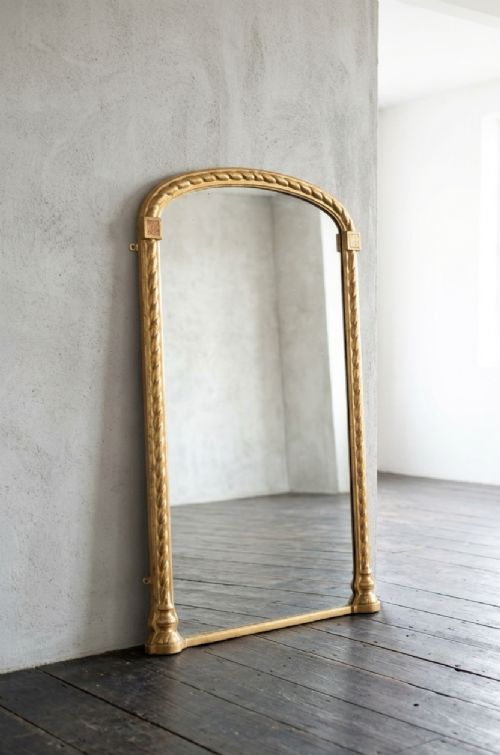
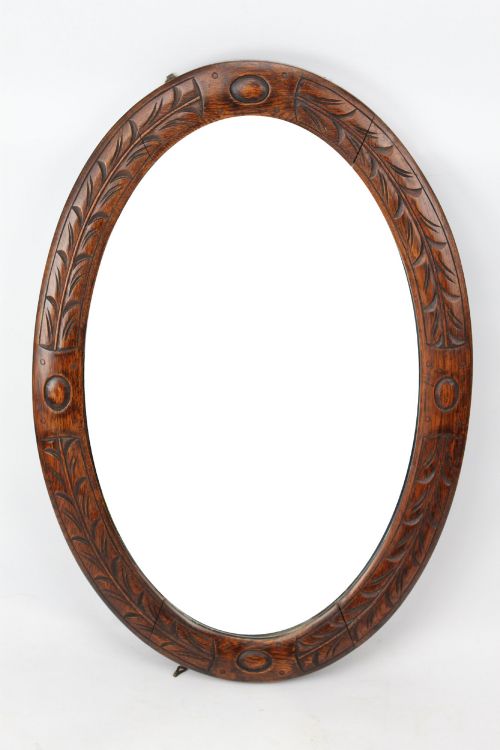
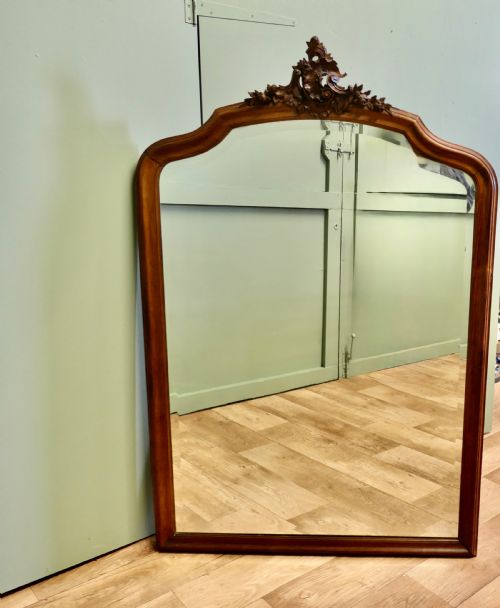
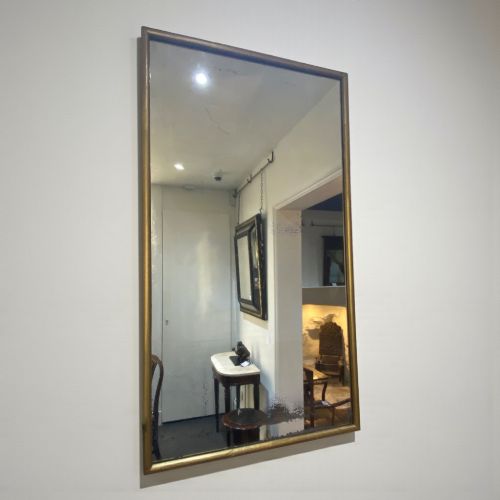
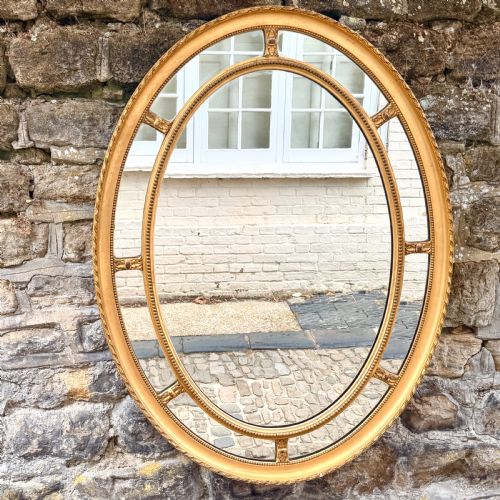
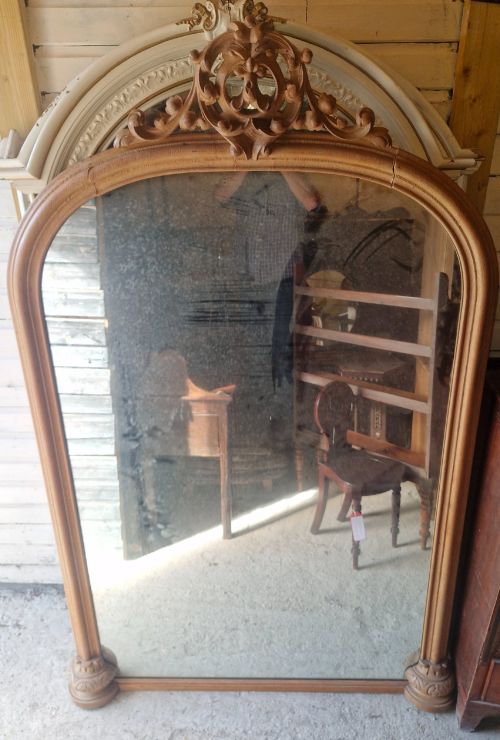
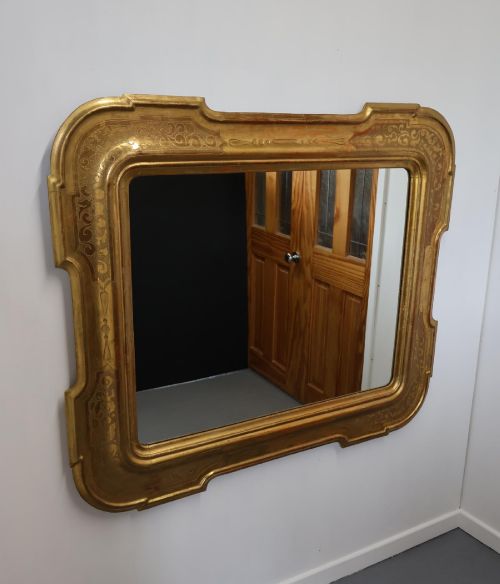
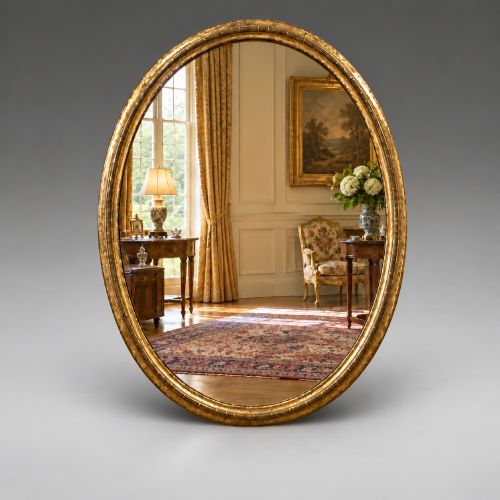
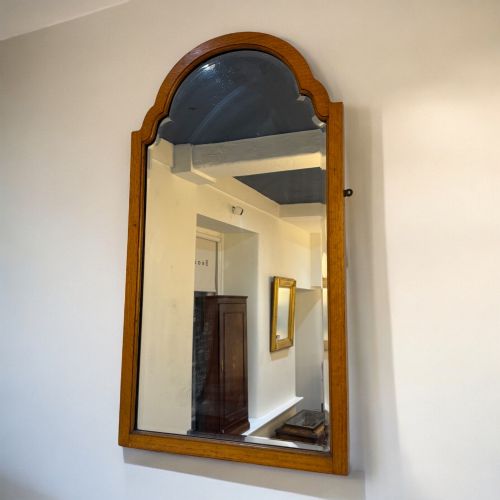
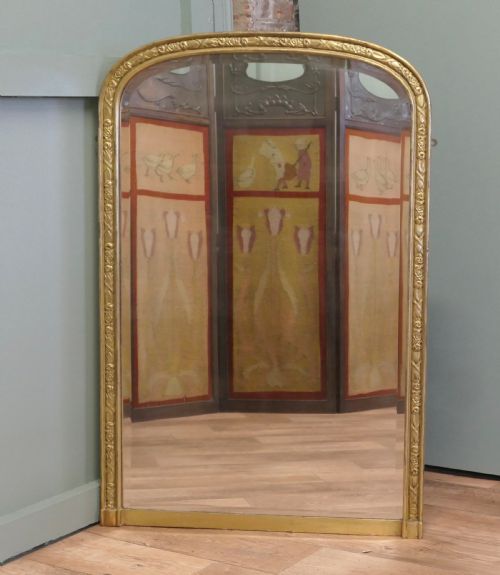
A framed hallway mirror serves as both a practical looking glass and a decorative anchor for an entryway, utilising surfaces designed to bounce daylight down dim passages. When searching for a framed hallway mirror, buyers encounter diverse forms ranging from compact pier glasses to tall vertical plates.
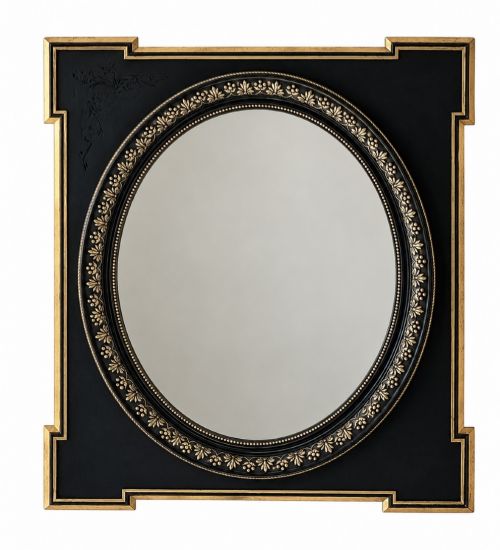
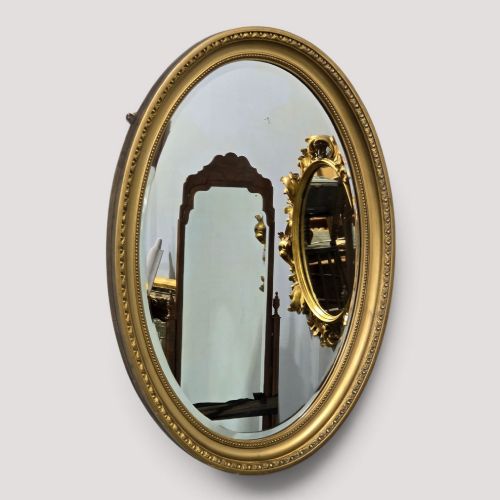
Victorian and Edwardian iterations dominate, alongside earlier Regency designs and later Art Deco interpretations. These pieces appear in rectangular, oval, and round formats intended specifically for wall hanging in domestic entrance spaces.
Origins span English workshops, French ateliers, and Italian glasshouses, bringing varied regional aesthetics to the domestic threshold. Such mirrors combine structural timber or gilded frames with functional reflective plates that define period character.
How they were made
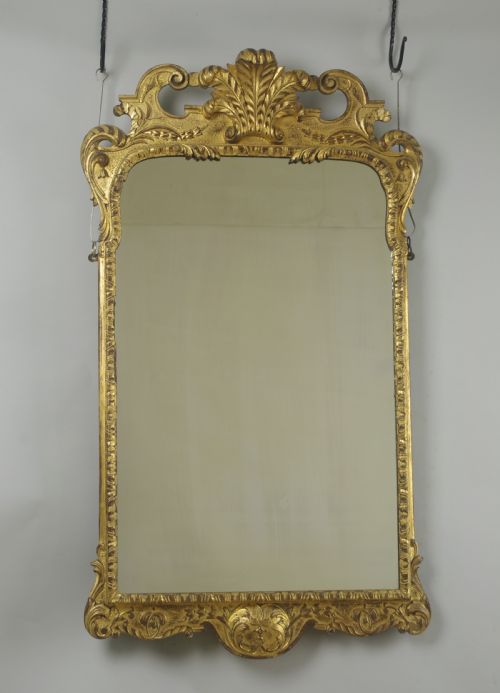
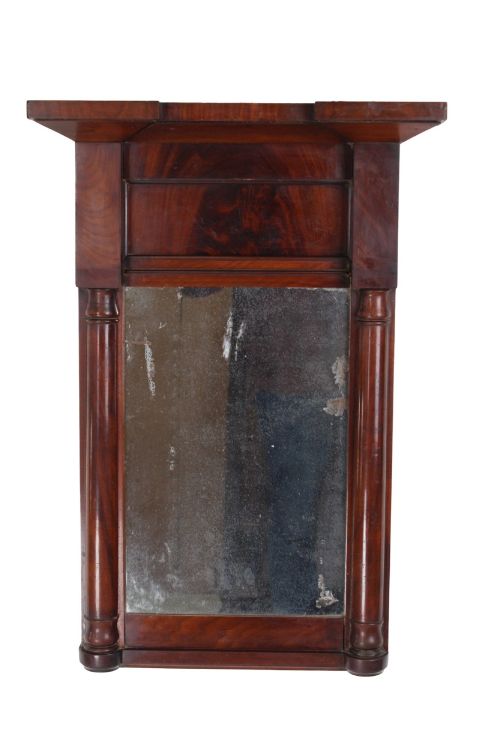
Frames rely heavily on timbers such as oak, mahogany, walnut, maple, and yew wood, often shaped with carved detailing or inlaid veneers. Gilding techniques apply gold leaf over gesso and wood grounds, creating brilliant reflective borders around the glass.
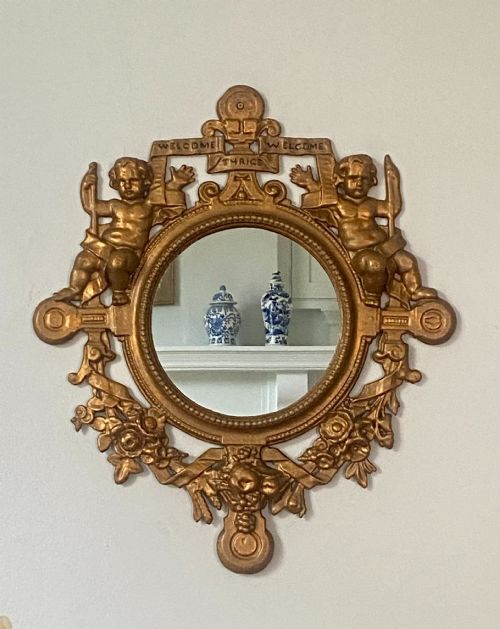
Makers utilised traditional joinery to construct stable wooden carcasses capable of supporting heavy glass plates. Plaster and composition ornaments provide relief decoration like acanthus leaves, while original bevelled or flat plates are secured within the rebates.
Framed Hallway Mirror Retail Price Guide 2026
Typical asking prices for framed hallway mirror among the pieces listed under this phrase on Sellingantiques today, from the lower quarter to the upper quarter. They describe what is for sale here now, not the wider market.
Materials recorded across the inventory include giltwood, gesso, oak, mahogany, walnut, maple, yew wood, and Venetian glass.
What varies in quality
The crispness of carved ornamentation and the depth of gesso moulding separate standard production from superior output. Hand-carved wooden details and well-burnished gold leaf display a tactile refinement absent in massed plaster casts.
The preservation of the original glass plate and backing boards influences the integrity of the piece. Clear silvering without excessive foxing, paired with robust frame construction, distinguishes the finer examples from later reworkings.
The Framed Hallway Mirror Glossary
- Pier mirror
- A tall, narrow glass designed to hang on the wall between windows or above a pier table. These pieces maximise available light in domestic rooms.
- Gesso
- A plaster-like mixture applied to wood frames to provide a smooth surface for gilding. Artisans carved intricate relief designs directly into this dried layer.
- Giltwood
- Timber coated with gold leaf or metallic powder applied over a prepared base. This treatment yields a luminous finish characteristic of formal period interiors.
- Overmantle mirror
- A wide looking glass traditionally positioned above a fireplace mantelpiece. Their generous proportions frequently suit larger entrance halls.
- Bevelled glass
- A mirror plate with angled, polished edges that catch and refract light. This treatment adds a subtle dimension to the perimeter of the glass.
Framed Hallway Mirror: Frequently Asked Questions
How do I hang a heavy antique wall mirror safely?
Heavy period mirrors require sturdy fixings anchored directly into wall studs or masonry rather than plaster alone. Distributing the weight across a secure mirror plate or robust hanging wire prevents structural strain on the original frame.
Ensuring the wall bracket matches the weight of the timber and glass combination protects both the antique and the surrounding wall surface. Professional framing hardware provides the necessary stability for daily use.
Are these mirrors suitable for daily use in a hallway?
Period wall mirrors function reliably for last-minute checks before leaving the house, offering both utility and decorative presence. Their durable wooden and gilded frames withstand normal domestic environments when placed securely out of traffic paths.
Original plates reflect light effectively to brighten darker corridors, making them practical additions to modern and traditional homes alike. Regular placement away from excessive moisture preserves the backing boards and silvering.
How do I identify a Victorian mirror from a Regency one?
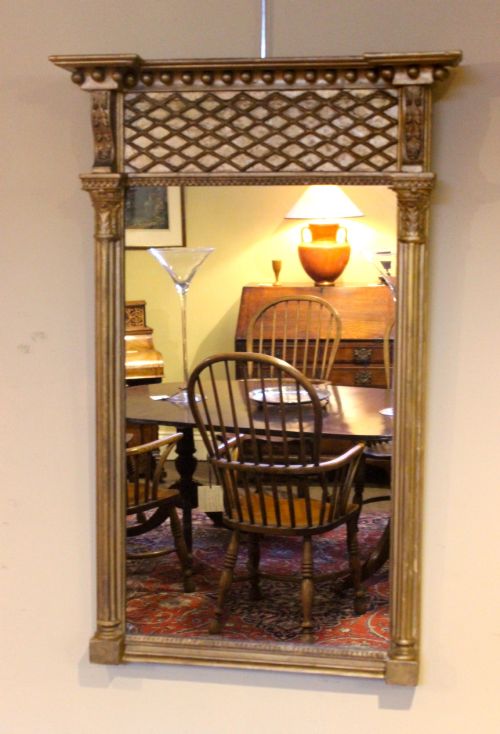
Victorian examples frequently exhibit heavier carved ornamentation, including acanthus leaves and rosewood or walnut veneers, reflecting mid to late nineteenth-century tastes. Regency pieces tend to favour classical restraint, featuring giltwood frames with ball-decorated cavetto cornices and architectural lines.
Examining the construction methods and wood types helps distinguish between the earlier classical revival and the later Victorian iterations. Frame profiles and decorative motifs offer clear indicators of the manufacturing era.