
Framed Gouache Artwork
Framed gouache artwork brings together opaque water-based pigment and period frames to capture everything from maritime scenes to botanical studies.
Framed Gouache Artwork
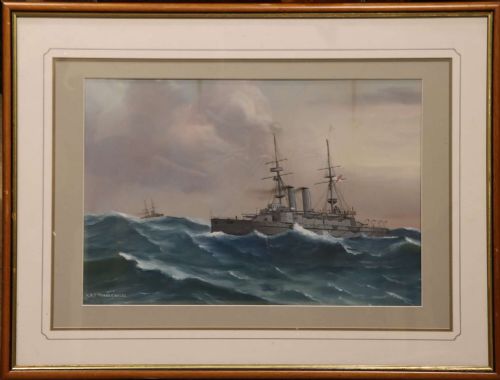
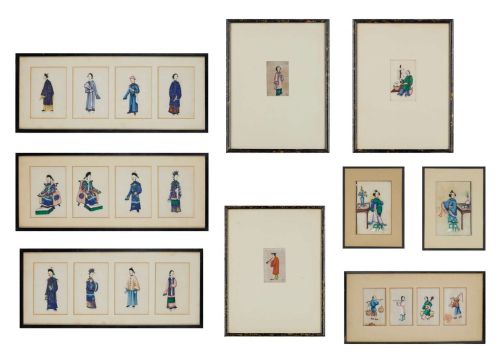
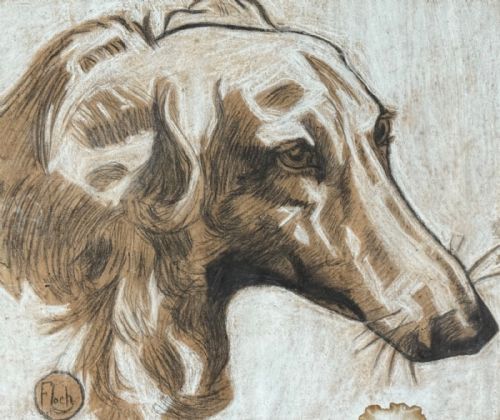
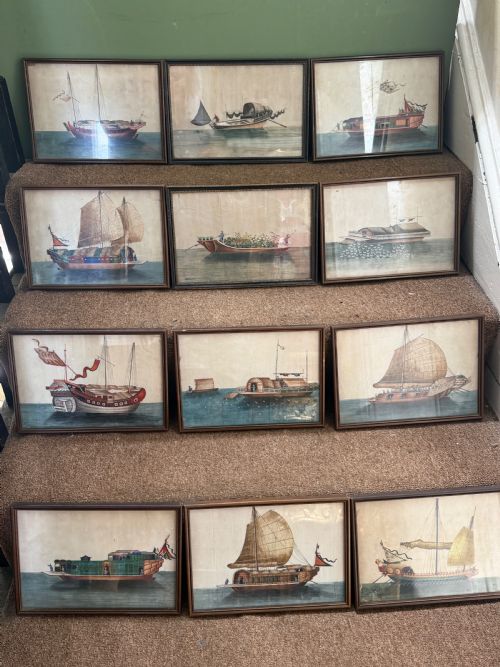
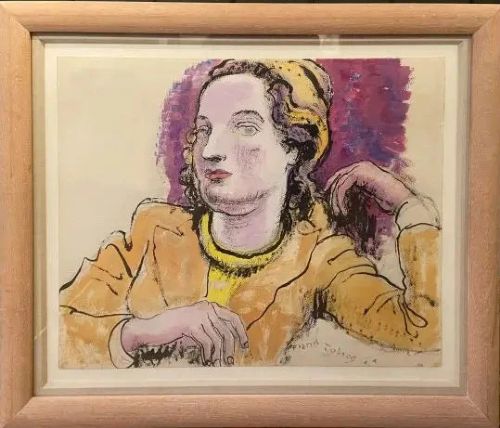
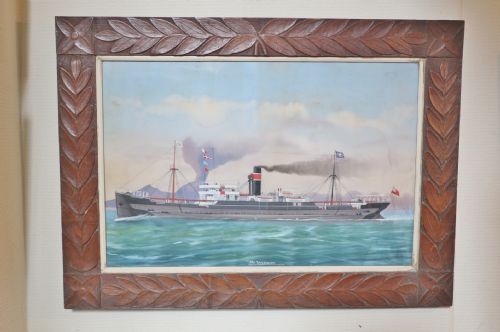
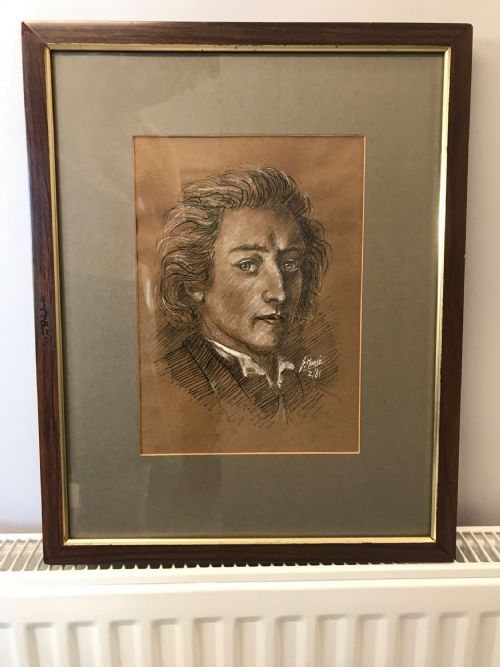
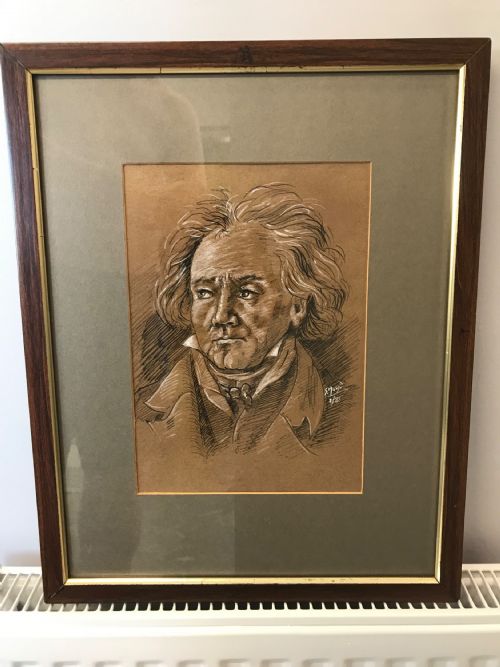
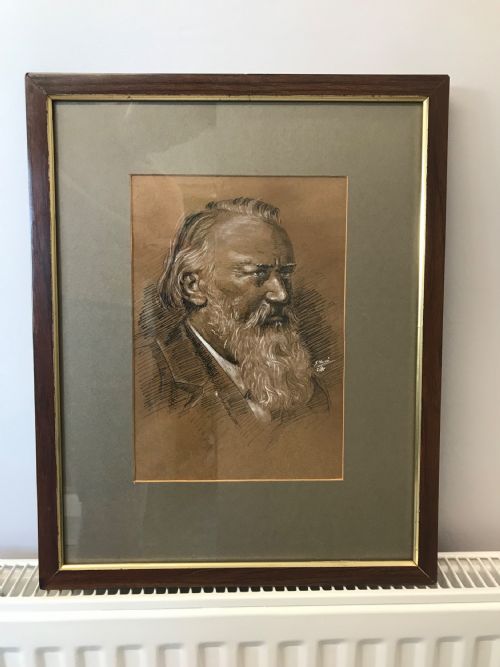
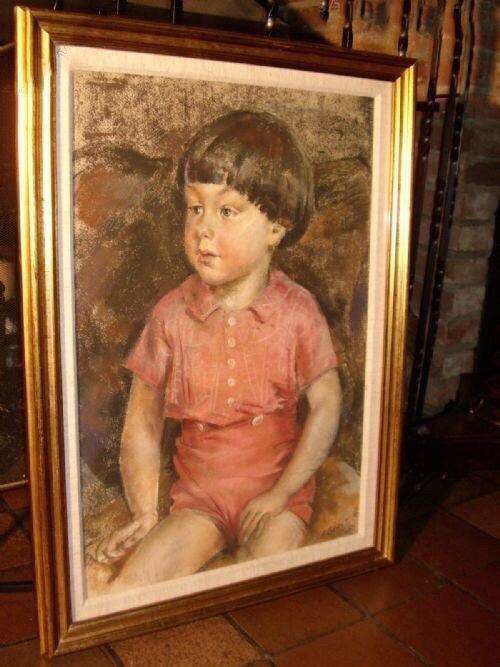
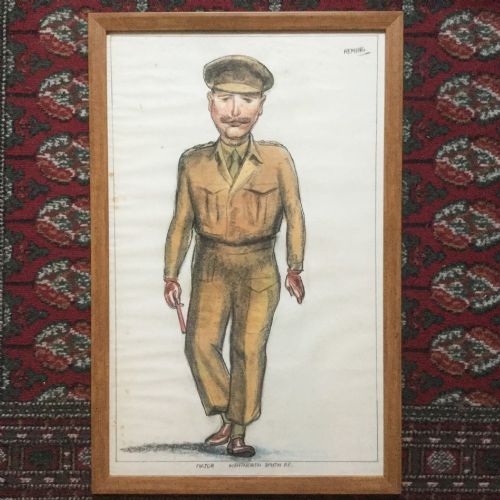
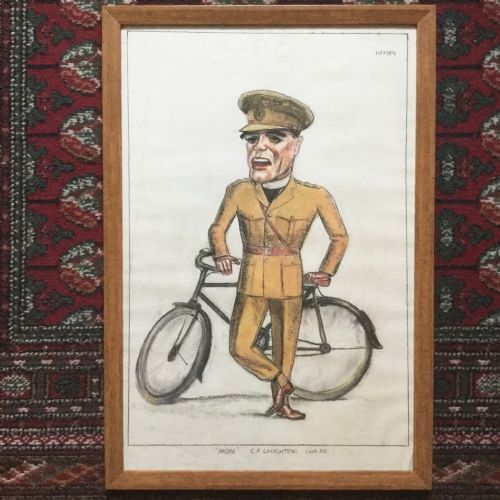
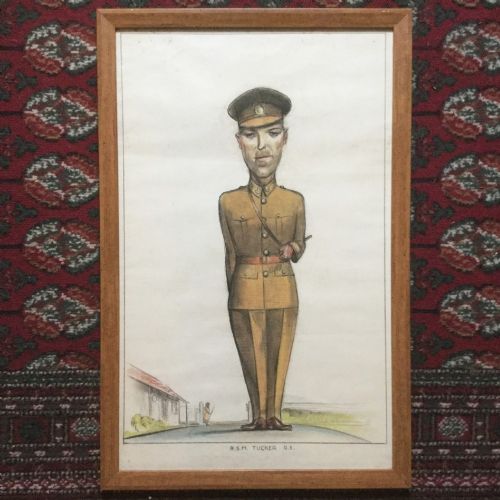
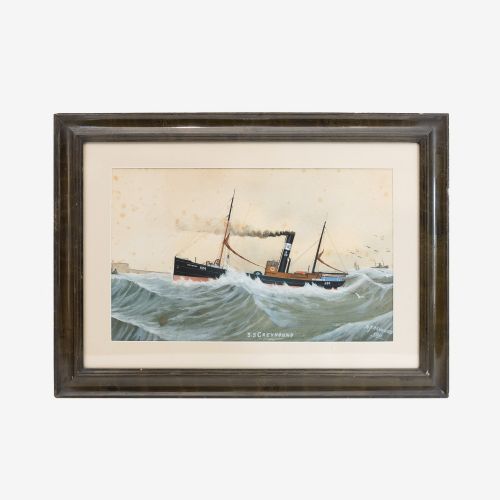
A framed gouache artwork selection contains works executed in opaque water-based paint, frequently paired with pencil, ink, or watercolour on paper, pith paper, board, or silk. These pieces range from nineteenth-century maritime watercolours and Chinese export ship paintings to mid-century modern animal studies and wartime portraits.
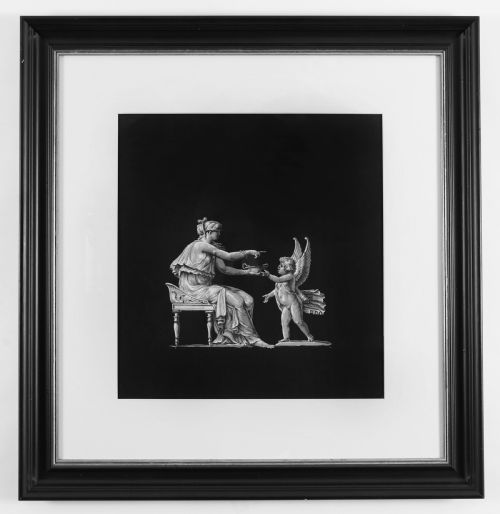
Buyers frequently encounter nineteenth-century examples alongside early twentieth-century naval depictions and botanical sets. The framing protects the delicate water-based medium behind glass, preserving works that span Victorian sentimentality through to Art Deco and mid-century abstraction.
Materials and technique
Artists apply gouache, which uses ground pigments mixed with water and a binding agent like gum, yielding an opaque matte surface that contrasts with translucent watercolour. Works often incorporate ink, pencil, or pastel on supports including buff paper, delicate pith paper, and board.
Surviving pieces rely on period wood frames fitted with glass to protect the fragile painted surface from atmospheric moisture and handling. These enclosures range from simple wooden surrounds to ornate Victorian and Edwardian frames.
Listings feature works created on paper, pith paper, silk, and board, spanning periods from the eighteenth century to the mid-twentieth century.
Variations in quality
Quality rests upon the precision of the brushwork and the artist's ability to command an opaque medium without muddying the colour palette. Stronger examples display crisp detail in figurative subjects, maritime rigging, or botanical studies, whereas weaker pieces lack definition.
The preservation of the paper support and the integrity of the original frame heavily influence the standard of a piece. Works showing minimal fading to the pigments and stable mounting beneath glass represent the upper tier of surviving examples.
Frank Dobson·John Rattenbury Skeaping·Gaston Cornil·Vincenzo D Esposito·Alice Anne Renshaw
The Framed Gouache Artwork Glossary
- Gouache
- An opaque water-based paint consisting of pigment, water, and an inert white binder such as chalk. This medium dries to a flat, velvety matte finish.
- Pith paper
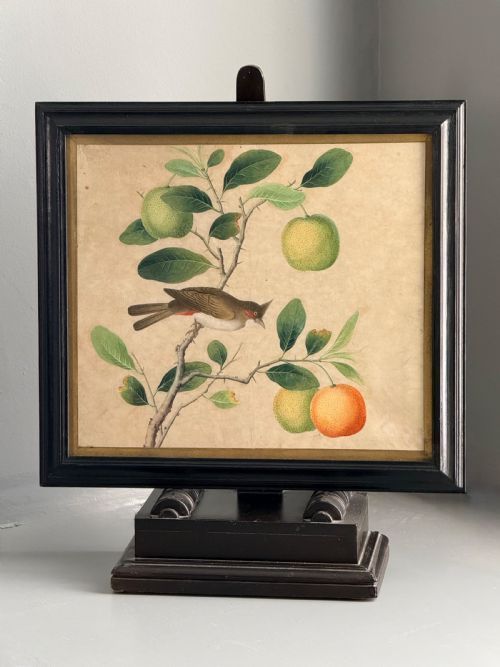
- A delicate material derived from the pith of the Tetrapanax papyrifer plant, commonly utilised for nineteenth-century Chinese export paintings. It has a velvet-like texture that absorbs gouache with exceptional brilliance.
- Chinese Export
- Objects manufactured in China specifically for Western markets during the Qing dynasty and later periods. These works often depict local shipping, flora, and figural scenes.
- Watercolour
- A translucent water-based medium frequently combined with gouache on paper to add highlights or tonal depth. Artists layer these washes to create atmospheric landscapes and portraits.
Framed Gouache Artwork: Frequently Asked Questions
How do I clean the glass on a framed gouache painting?
Apply a mild glass cleaner to a cloth rather than spraying directly onto the frame, ensuring liquid does not seep beneath the glazing.
Keep moisture away from the timber moulding and the paper backing to protect the delicate pigment within.
Where should I hang framed gouache artwork at home?
Position these pieces away from direct sunlight to prevent the gouache pigments and paper supports from fading over time.
Stable indoor humidity levels also safeguard the integrity of the antique paper and wooden frames.
What is the difference between watercolour and gouache?
Watercolour relies on translucent washes that allow the white of the paper to shine through the pigment layers.
Gouache incorporates added white filler, creating an opaque, matte finish that covers the underlying surface completely.
How can I identify a nineteenth-century frame?
Examine the construction methods, such as corner joinery, timber types, and the composition of any applied decorative gesso mouldings.
Period frames often show age-related oxidation and hand-finishing marks distinct from modern reproductions.