
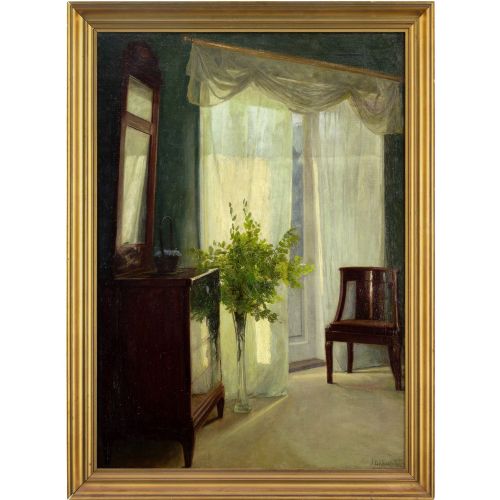
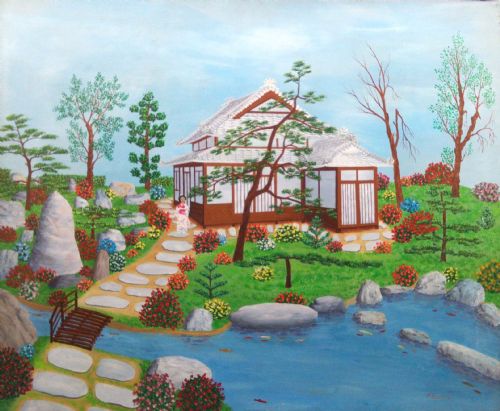
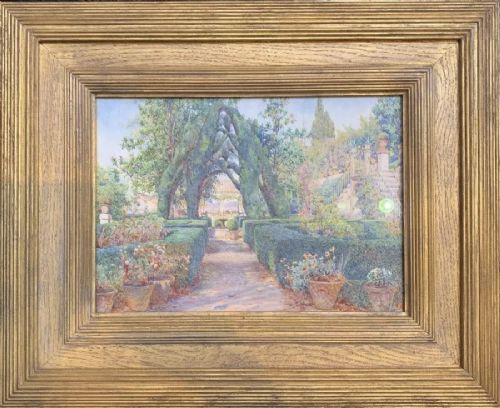
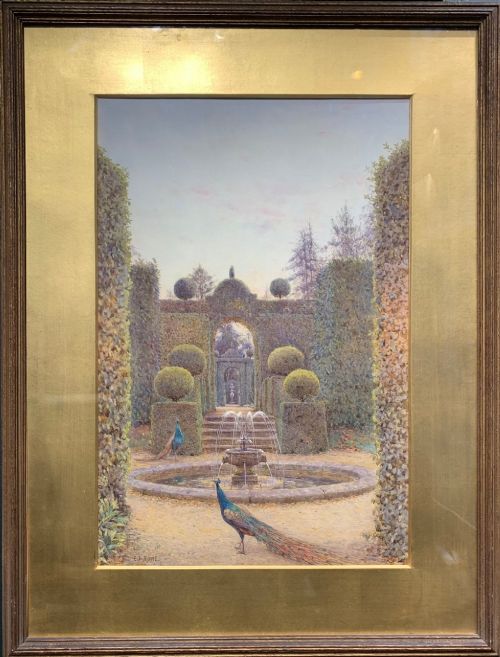
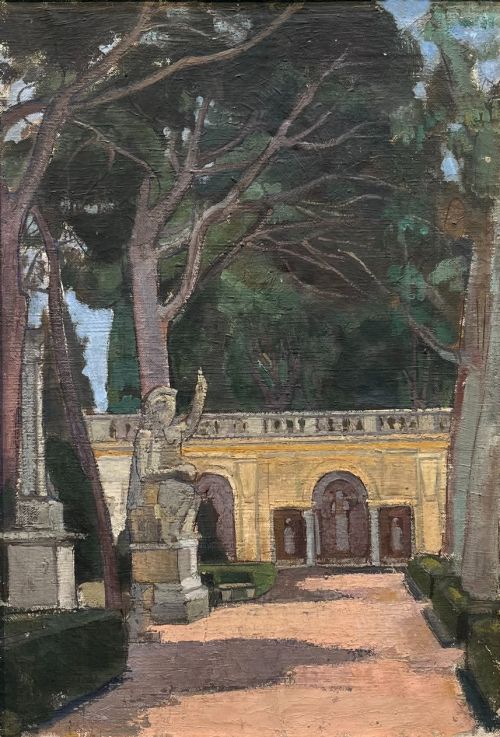
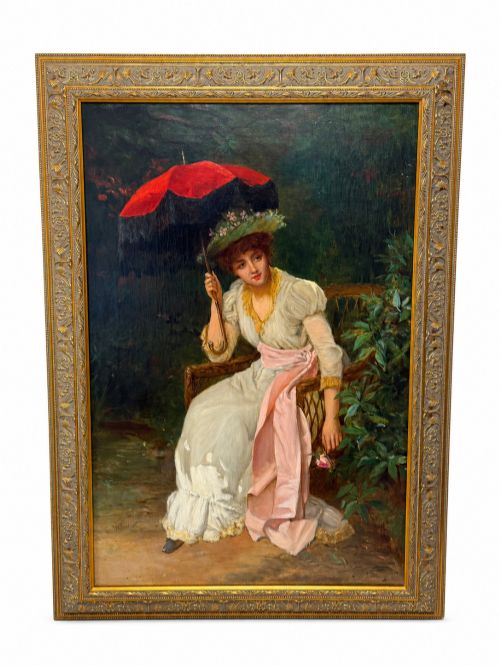
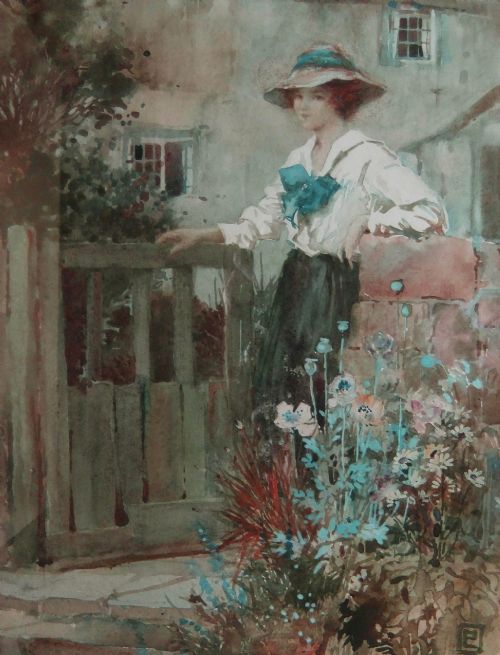
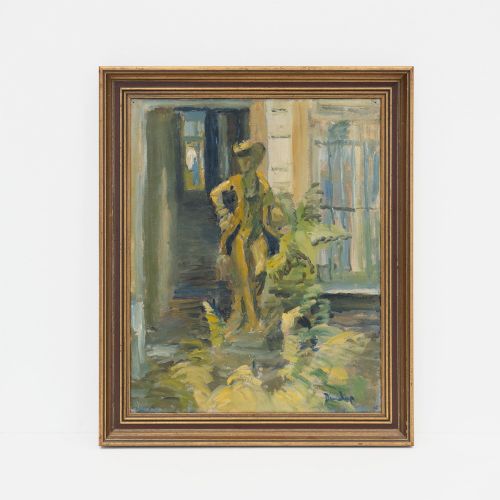

Framed Garden Painting
When you search for a framed garden painting, you enter a world of tranquil landscapes and floral studies that bring botanical beauty directly into your interior.
Framed Garden Painting
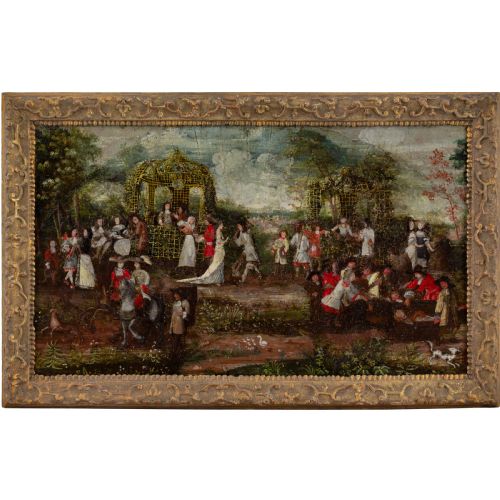
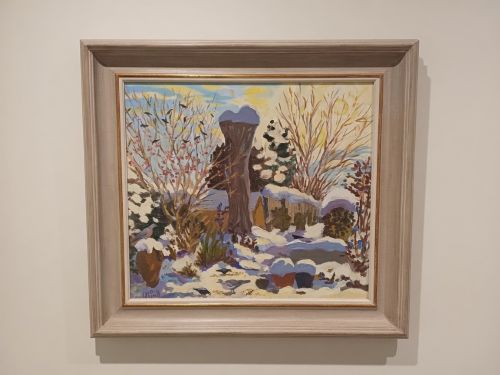
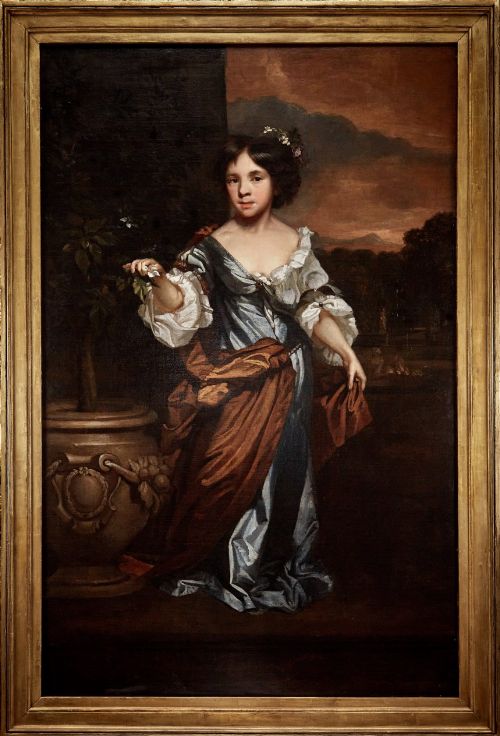
A framed garden painting captures cultivated plots, floral displays, and quiet terraces through various artistic lenses. These works range from late seventeenth-century depictions to mid-twentieth-century impressions.
The pieces you encounter most frequently on this page date from the Victorian and Edwardian eras through to the mid-twentieth century. They span British Impressionism, Victorian rural genres, and Edwardian pastoral scenes.
Canvases and watercolours dominate the selection, portraying subjects such as cottage gardens, country house grounds, and intimate floral studies. These artworks offer a lasting window into historical horticulture and domestic leisure.
Quality variations
The handling of light and botanical detail separates ordinary depictions from exceptional works. Masterful brushwork captures the transient sunlight on foliage and structural garden elements with precision.
Provenance and the reputation of the artist influence the standing of a piece within the range. Works by documented figures or distinct regional schools carry greater artistic interest.
Lucy Pratt·John Lübschitz·Ernest Arthur Rowe·William Oliver·Percy Lancaster·Ronald Ossory Dunlop·John Riley·John Closterman·Ralston Gudgeon·Harry Wanless·Arthur Hopkins·Rowland Henry Hill·Theresa Stannard·Owen Bowen·G Villiers Stuart·Ernest Higgins Rigg·Martinetti·Samson·Lilian Stannard·Charles E Cundall·Frank Moss Bennett·John Henry Inskip·Arturo Orselli·William Hatherell·Samuel Sidley
The Framed Garden Painting Glossary
- Watercolour pigment
- A colourant ground with a water-soluble binder, used on paper to create luminous washes. It allows for spontaneous application and subtle blending in botanical scenes.
- Oil on canvas
- Pigments mixed with drying oils applied to a stretched fabric surface. This medium permits rich textures and deep colour saturation.
- Gilt wood
- Timber treated with a thin layer of gold leaf or metallic powder. It provides decorative framing that enhances the artwork within.
- British Impressionism
- A painting style focusing on light and everyday subjects, prominent in British art from the late nineteenth century onwards. Artists captured outdoor scenes with rapid brushstrokes.
- Victorian rural genre
- Art depicting traditional countryside life and domestic settings during the nineteenth century. These scenes often romanticised pastoral routines and cottage gardens.
Framed Garden Painting: Frequently Asked Questions
What subjects appear in these paintings?
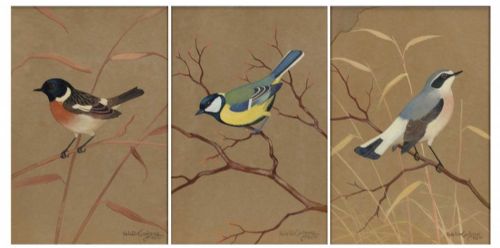
These artworks depict floral displays, cottage gardens, country house terraces, and garden birds. Artists often recorded specific estates or imagined pastoral retreats.
Scenes range from formal European gardens to intimate domestic courtyards and sunlit garden doors.
How do I hang a watercolour safely?
Watercolours require placement away from direct sunlight to prevent the fading of delicate pigments on paper. Glass protection is essential to shield the medium from ambient moisture and dust.
Use stable hanging hardware suited to the weight of the wooden frame to ensure secure wall mounting.
How do I identify the period of a frame?
Gilt wood frames often display construction methods, joinery, and decorative moulding characteristic of their specific era. Victorian and Edwardian frames show distinct profiles compared to later twentieth-century examples.
Examining the backboards and fixings provides additional clues regarding the age of the framing.
What is the difference between oil and watercolour?
Oil paintings utilise pigment bound in drying oil on canvas, offering thick brush texture and deep tones. Watercolours use water-soluble binders on paper, creating translucent washes and lighter effects.
Oils generally require a robust wooden or gilt frame, whereas watercolours need glass protection over the paper.