




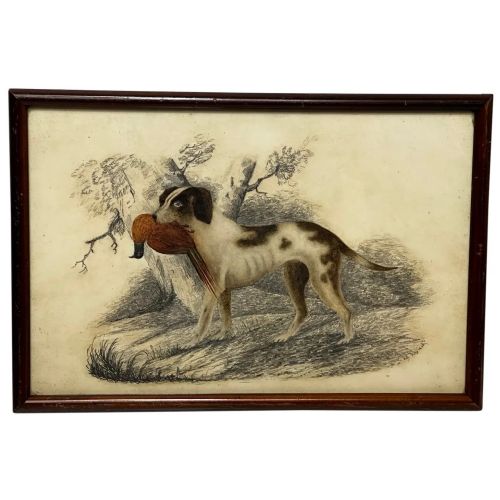

Framed Game Bird Art
Framed game bird art brings the traditions of the field indoors through oils, watercolours and prints.
Framed Game Bird Art
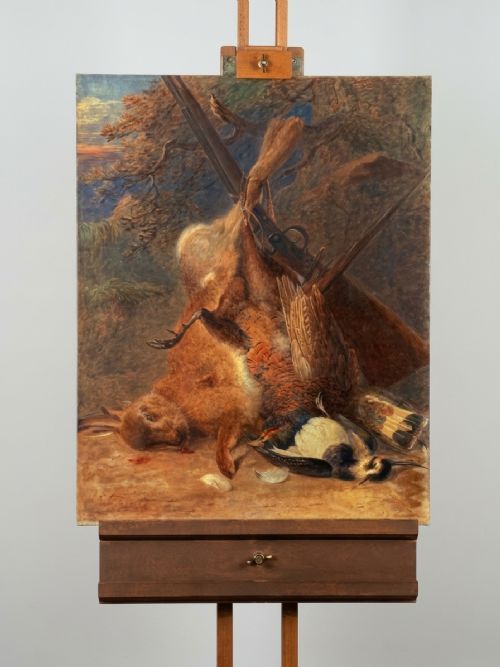
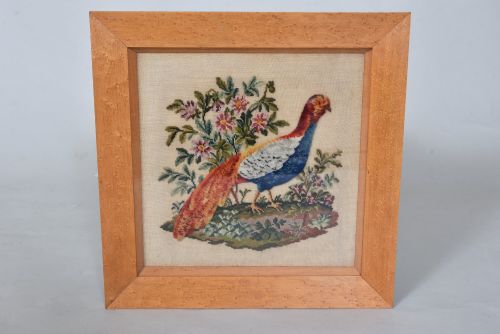
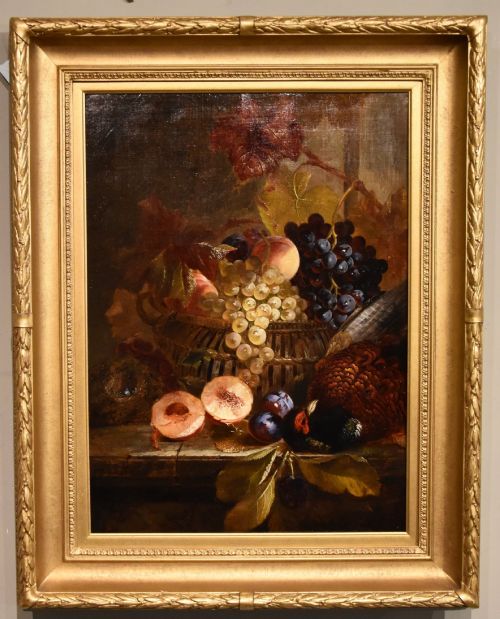
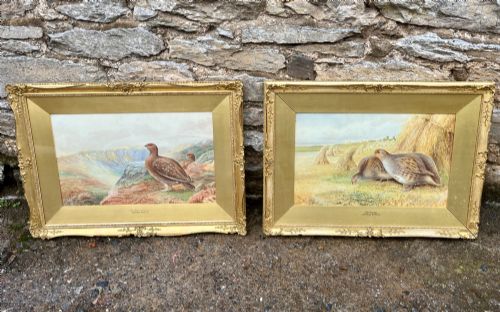
Framed game bird art encompasses paintings, watercolours, prints and textile works dedicated to pheasants, grouse, ducks and larder subjects. These pieces span the nineteenth century, the Victorian era and the mid-twentieth century, capturing sporting life and rural still lifes.
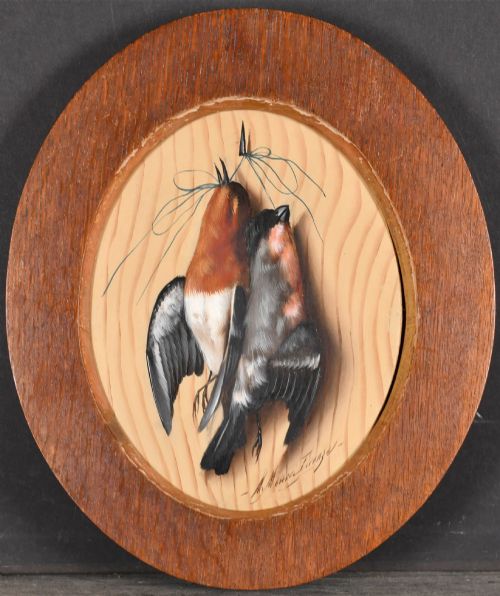
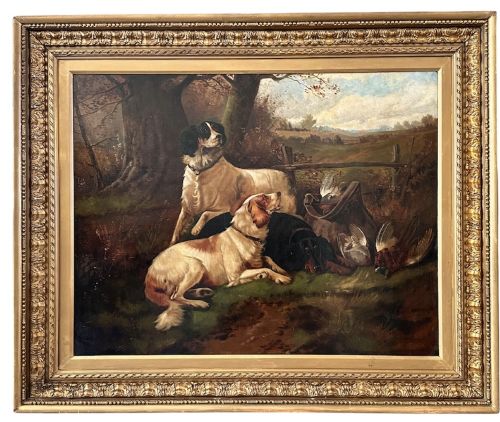
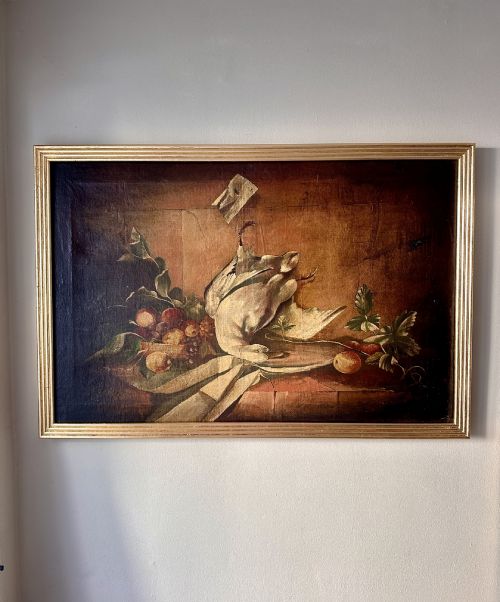
The version most commonly met on this page is the nineteenth century oil painting or watercolour, often depicting rural scenes with gun dogs, hanging songbirds or dead game in continental or British settings. Victorian plushwork and embossed prints also appear, alongside twentieth century impressions.
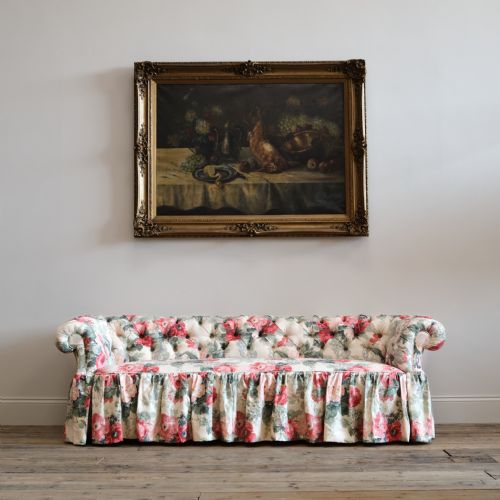
Works range from intimate watercolours to large continental school still lifes and exhibition sized pieces by named artists. They suit studies, dining rooms and halls where traditional country house aesthetics apply.
What varies in quality
The standard of draughtsmanship in the rendering of avian anatomy and plumage distinguishes finer works from simpler decorative pieces. Masterful handling of light within larder scenes and landscapes creates depth and atmosphere.
The integration of the artwork with its original or period frame affects the overall integrity of the piece. Provenance and attribution to established nineteenth century or twentieth century artists elevate the standing of the work.
A monkey occasionally crashes the avian gathering, proving nineteenth century still life painters possessed an unpredictable sense of humour.
George Sydney Shepherd·Michelangelo Meucci·John Sargent Noble·William Henry Ward·George Rankin·Henri Joseph Pauwels·Thomas Blinks·Stephen Elmer·Emile Lecomte·Archibald Thorburn
The Framed Game Bird Art Glossary
- Plushwork
- A Victorian craft technique utilising raised wool or velvet threads to create textured, tactile depictions of birds and animals. This method produces a three dimensional effect on fabric.
- Bodycolour
- Watercolour paint mixed with a white pigment to render it opaque, allowing for dense highlights and solid areas of colour. It is frequently paired with transparent watercolour in nineteenth century works.
- Larder subject
- A traditional still life genre depicting dead game, fish, fruit and household provisions arranged on a table or hanging from hooks. These compositions celebrate the harvest of the hunt.
- Continental School
- A term describing artists trained and working in mainland Europe rather than Britain, often associated with detailed academic realism in still life and animal painting.
- Trompe l'Oeil
- An art technique that uses realistic imagery to create the optical illusion that the depicted objects exist in three dimensions. In game art, this often involves birds painted to appear as though hanging on a flat wall.
Framed Game Bird Art: Frequently Asked Questions
What periods do these pieces come from?
The selection spans from the eighteenth century through the Victorian era and into the mid-twentieth century. Nineteenth century works form a significant portion of the available items.
Later pieces from the 1920s, 1940s and 1950s also appear, reflecting enduring interest in sporting subjects.
What materials were used for these artworks?
Artists worked with oil paint on canvas, traditional watercolours, bodycolour on paper and print mediums. Frames are commonly constructed from wood with giltwood or gold leaf finishes.
Textile pieces utilise plushwork techniques to create tactile surfaces.
How should I hang these pieces at home?
These works suit traditional rooms such as studies, libraries and dining spaces where country house aesthetics prevail. Pair oil paintings and large still lifes with adequate wall space to let the compositions breathe.
Ensure watercolours and prints are placed away from direct sunlight to protect the paper and pigments.
Are these pieces original works or prints?
The category includes both original oil paintings and watercolours alongside period prints, embossed works and plushwork textiles. Individual listings specify the exact medium used.
Signed prints and exhibition watercolours offer alternative ways to collect traditional sporting art.