
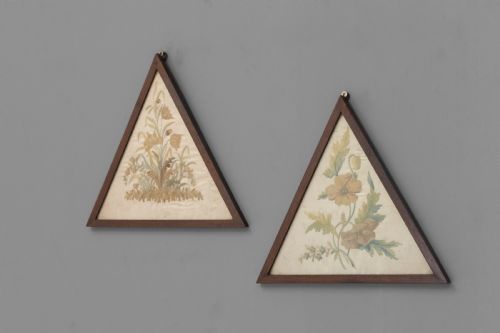


Framed Floral Needlework
Framed floral needlework pieces bring centuries of botanical stitchery indoors, offering enduring colour and intricate textile artistry for any room.
Framed Floral Needlework
These items encompass wall art, textile art, footstools, framed textile art, framed textiles, textiles, needlework pictures, and wall hangings. When searching for framed floral needlework, buyers encounter varied expressions spanning the seventeenth, eighteenth, nineteenth, and twentieth centuries.
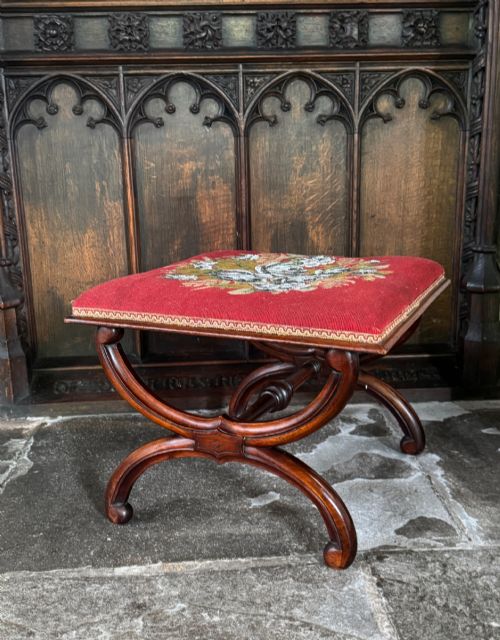
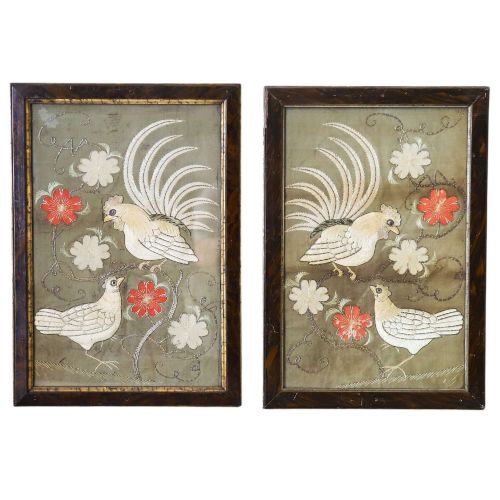
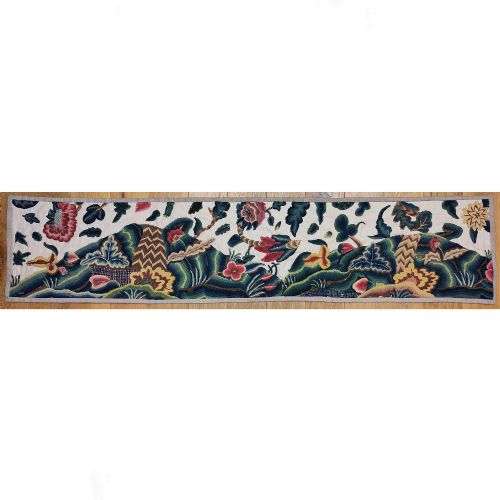
The selection ranges from early Italian embroidery and English crewelwork panels to Victorian beadwork seats, French silk embroideries, and Georgian samplers. Pieces often feature botanical and animal motifs, including garden birds, mandarin ducks, and cockerels alongside floral arrangements.
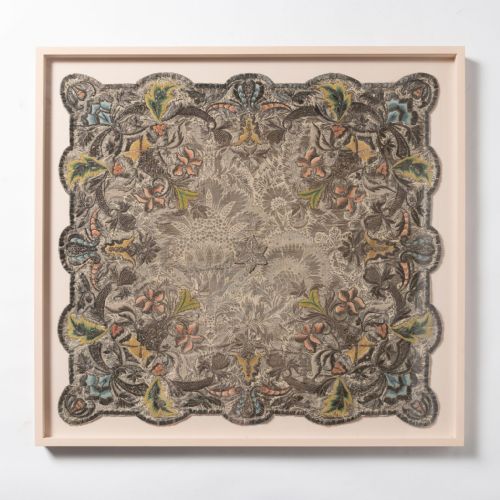
Origins stretch across English country house styles, French Napoleon III, Baroque taste, and folk art traditions. Buyers regularly find circular floral pictures, oval tapestry items, and mounted Suzani embroideries preserved behind glass in wooden frames.
How they were made
Makers utilised natural substrates including linen, wool, cotton, canvas, and silk as the foundational ground for detailed stitchwork. Needleworkers applied fine threads in wool and silk to build rich textures and layered botanical designs.
Finished textiles found protection within timber surrounds, including walnut, rosewood, and faux tortoiseshell frames, frequently set beneath glass. Structural items like footstools combined wooden frames in X-shape or scroll forms with upholstered needlework and tapestry seats.
Stitchers occasionally hid secret initials or small stray bugs within the lush floral foliage of their eighteenth-century panels.
What varies in quality
Execution and precision in the hand-stitched elements dictate the visual distinction between standard output and finer examples. The complexity of the threadwork, the subtlety of the botanical shading, and the dexterity of the needle technique separate accomplished works from simpler folk pieces.
The material integrity of the supporting textile ground and the preservation of the original fibres influence the overall standing of an example. Additionally, the craftsmanship of the accompanying wooden frame and the quality of the glass protection contribute significantly to the finished object.
The Framed Floral Needlework Glossary
- Crewelwork
- Embroidery executed in wool onto a linen or cotton ground. This technique traditionally produced robust floral and vegetal patterns found in English panels.
- Sampler
- A piece of needlework demonstrating various stitches and patterns, often worked by learners. Examples frequently record dates and the maker's name.
- Suzani
- A type of embroidered tribal textile originating from Central Asia. These items feature bold floral and botanical motifs on large mounted grounds.
- Tapestry
- A form of textile art woven on a loom or worked with needlepoint stitches. Historical examples often depict pictorial scenes or repeating floral compositions.
- Beadwork
- Needlework incorporating small glass or ceramic beads stitched onto a foundation fabric. This method created textured patterns on items such as stool seats.
Framed Floral Needlework: Frequently Asked Questions
How do I hang antique needlework safely?
Position framed textiles away from direct sunlight to protect delicate silk and wool threads from fading over time. Ensure the wall environment remains stable in temperature and humidity to preserve the fabric ground.
Utilise secure picture wire and appropriate wall fixings suited to the weight of the timber frame. Professional framing using conservation-grade glass helps shield the textile from dust and atmospheric moisture.
What is crewelwork?
Crewelwork involves embroidery using wool yarn on a sturdy linen or cotton twill fabric. This historic technique creates raised, textured surfaces ideal for botanical and floral designs.
Originating centuries ago, traditional crewel panels display diverse stitch types that give depth to stems, leaves, and petals. These historic textiles were frequently mounted and framed for interior display.
How are periods told apart?
Stylistic indicators and framing materials help distinguish between centuries of needlework production. Seventeenth and eighteenth-century examples often feature crewelwork panels or tapestry cushion covers, while Georgian pieces commonly include dated samplers.
Victorian and later nineteenth-century works frequently employ vibrant silk threads, beadwork on footstools, or specific frame types like faux tortoiseshell. Examining the stitch structure and backing materials offers further chronological context.
Where were these pieces used?
Historical needlework adorned domestic interiors as wall hangings, framed pictures, and decorative panels within English country houses. Tapestry cushion covers and footstool seats combined decorative floral designs with everyday utility.
Smaller framed silk embroideries and circular pictures decorated intimate drawing rooms and parlours. Today, these pieces transition easily into modern hallways, living spaces, and studies as focal wall art.