


Framed Female Portrait
A framed female portrait captures the likeness of women across centuries in oil, pastel, watercolour, and print.
Framed Female Portrait
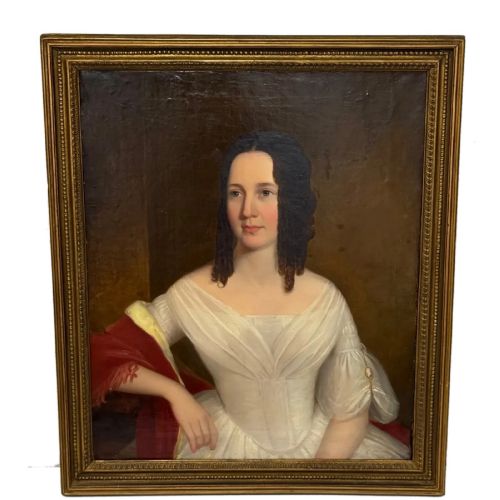
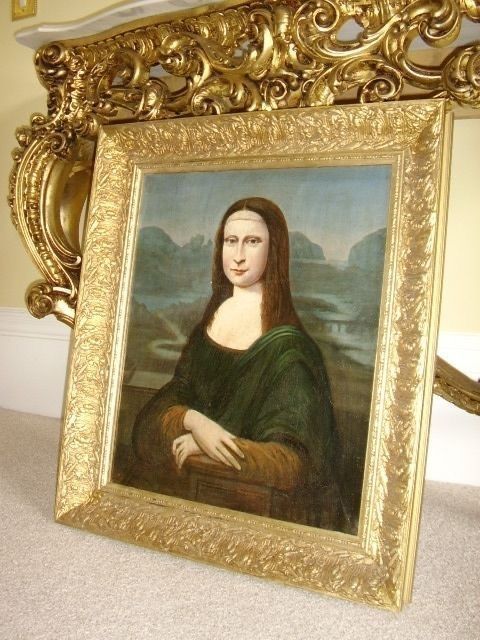
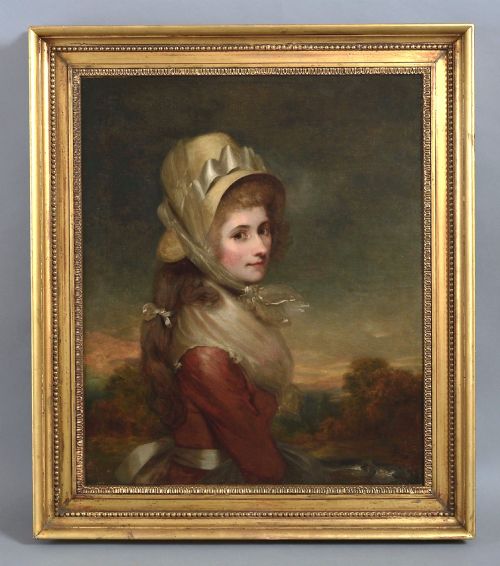
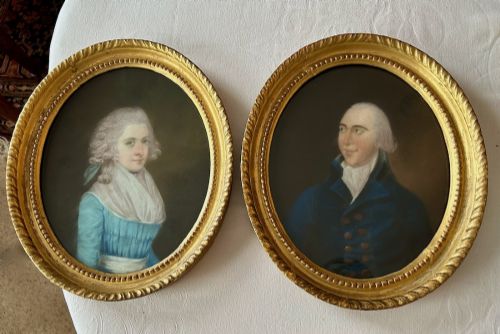
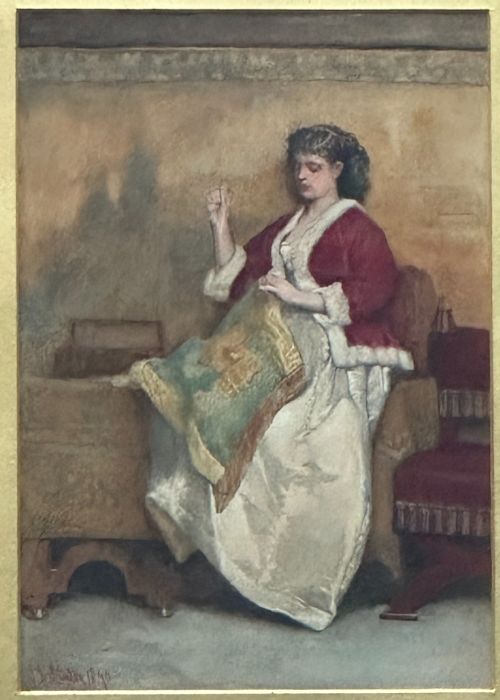
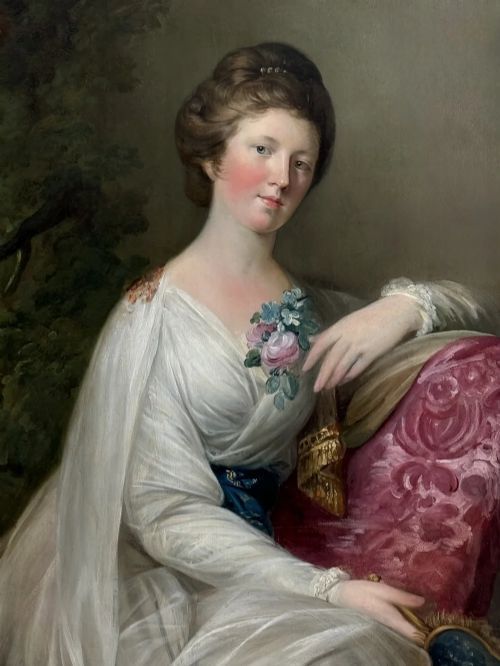
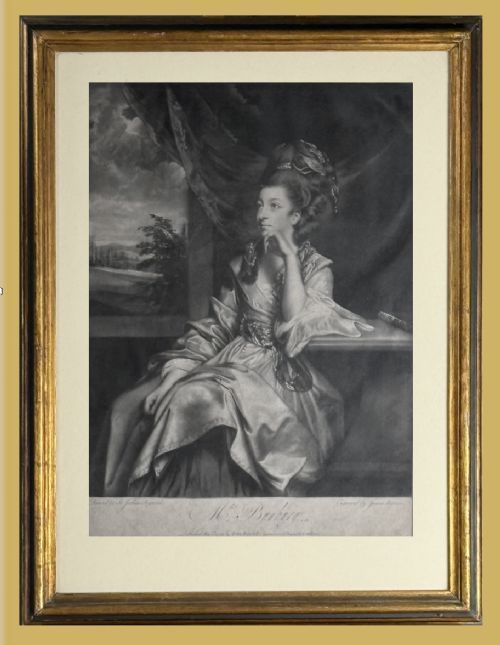
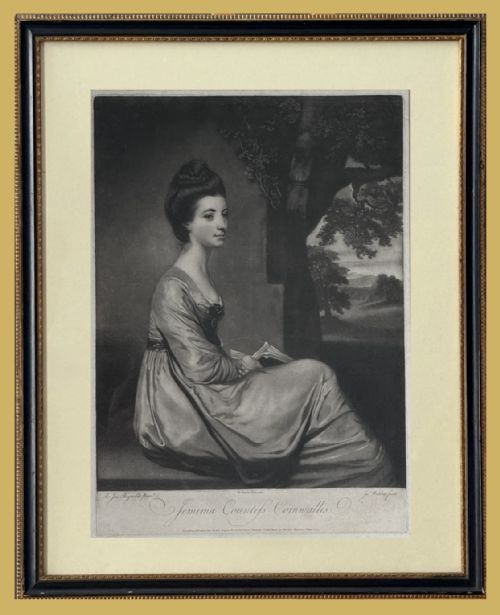
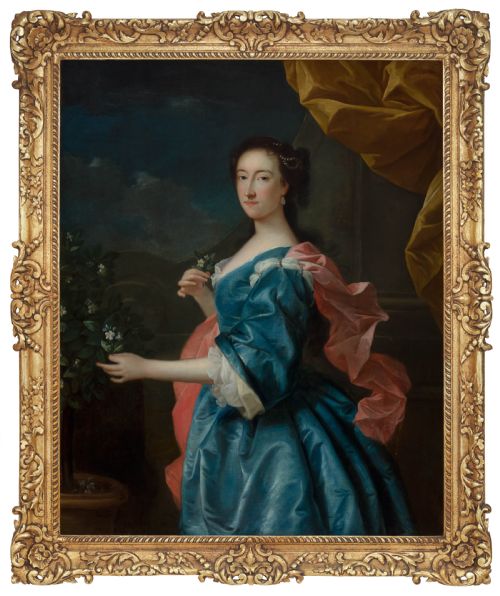
A framed female portrait encompasses artworks depicting women from the seventeenth century through to the mid-twentieth century. The selection spans formal oil paintings on canvas and panel, delicate pastels, watercolours, and intricate print methods such as mezzotint and engraving.
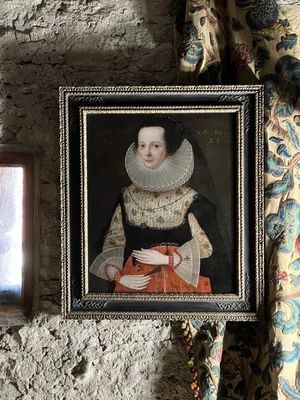
Buyers encounter diverse stylistic expressions ranging from Stuart and Baroque depictions of noblewomen to Georgian works, Regency watercolours, Victorian academic studies, and later twentieth-century interpretations. These pieces frequently feature named subjects, aristocratic figures, or anonymous sitters captured in elaborate costume or everyday dress.
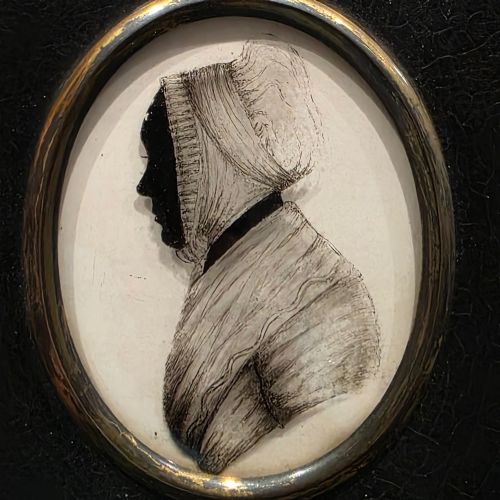
The physical presentation relies heavily on period framing, often utilising giltwood, gold leaf, and glass protection for works on paper and miniatures. Such framing complements the domestic or gallery display context intended by the original creators.
Materials and Technique
Artists executed these works using oil on canvas or wood panel, applying pigments that retain their depth across centuries. Works on paper utilised watercolour, pastel, and enamel, capturing subtler tonal gradations for miniatures and portraits.
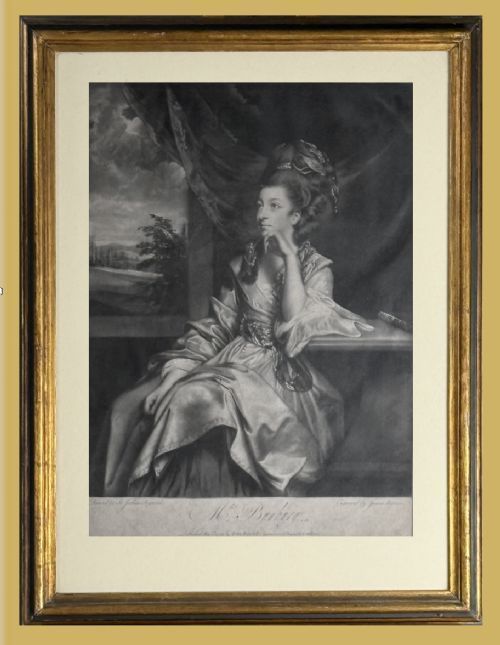
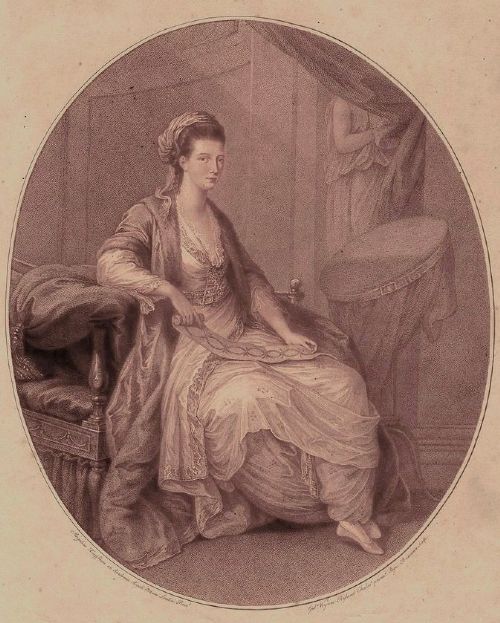
Printmakers employed mezzotint and engraving techniques on paper, working after established painters to reproduce popular likenesses in multiple impressions. Craftsmen then housed these diverse media within timber frames, frequently incorporating gold leaf and giltwood finishes.
Framed Female Portrait Retail Price Guide 2026
Typical asking prices for framed female portrait among the pieces listed under this phrase on Sellingantiques today, from the lower quarter to the upper quarter. They describe what is for sale here now, not the wider market.
Several noblewomen gaze outward holding oranges, a seventeenth-century symbol of exotic wealth and botanical triumph.
Evaluating Quality
Provenance and attribution significantly elevate a piece, particularly when linked to documented hands, contemporary studios, or identifiable sitters of note. The integration of period-appropriate materials, such as original giltwood frames and uncompromised canvas surfaces, preserves the integrity of the object.
Sir Joshua Reynolds·Sir Peter Lely·James Watson·Horace Hone·John Smith
The Framed Female Portrait Glossary
- Mezzotint
- A printmaking process of the intaglio family where the plate is roughened to achieve rich dark tones and subtle graduations. This technique gained widespread popularity for reproducing oil paintings of notable sitters.
- Giltwood
- Wood carved and treated with a thin layer of gold leaf or metal powder for decorative effect. It provides opulent framing for oil paintings and mirrors.
- Portrait Miniature
- A small, highly detailed painting, often executed on vellum, ivory, or enamel, designed for intimate viewing or portable display. These works frequently incorporate fine glass and precious metals.
- Pastel
- A dry painting medium consisting of powdered pigment and a binder, worked onto paper or vellum. It yields velvety surfaces with luminous colour but requires glass protection.
- Provenance
- The documented history of ownership of an artwork, tracing its path from the creator to the present marketplace. Clear provenance establishes authenticity and historical context.
Framed Female Portrait: Frequently Asked Questions
How do I date a framed female portrait?
Dating relies primarily on the costume, hairstyle, and framing materials associated with the sitter. Details such as ruffs, lace collars, and gown cuts align closely with specific historical decades.
Technique and substrate further refine the age, distinguishing seventeenth-century panel paintings from later nineteenth-century canvases or twentieth-century works on paper.
Where should I hang a framed female portrait?
These portraits suit traditional living spaces, studies, or hallways where lighting can be controlled to prevent fading. Placing them away from direct sunlight protects sensitive media such as watercolour, pastel, and oil pigments.
Pairing a portrait with period furniture enhances its historical context within a room scheme.
What is the difference between an oil painting and a mezzotint?
An oil painting is a unique, hand-painted artwork utilising pigments suspended in drying oil on canvas or panel. Each brushstroke is singular and applied directly by the artist or studio.
A mezzotint is a printed reproduction created from an engraved metal plate, allowing multiple impressions of a single portrait to be circulated after an original painting.