


Framed Female Portrait Painting
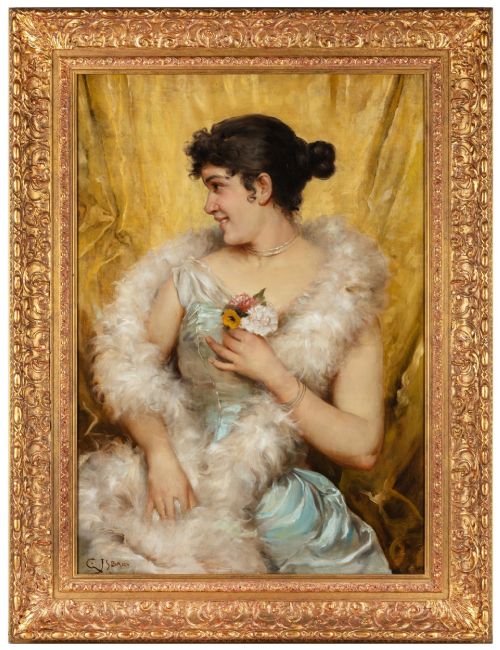
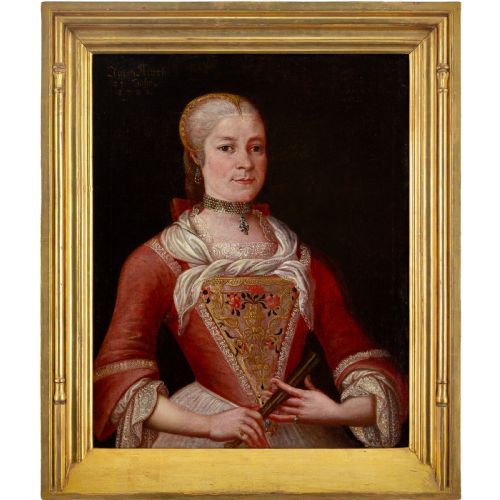
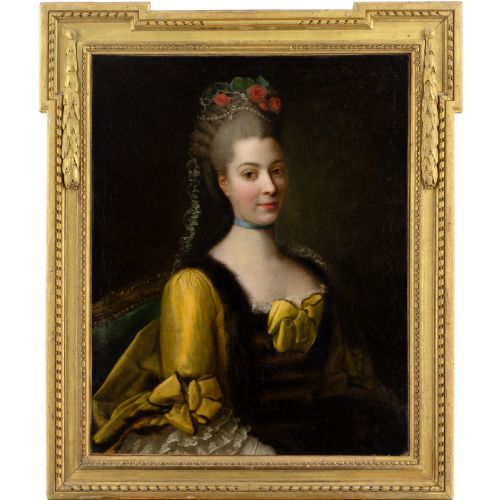
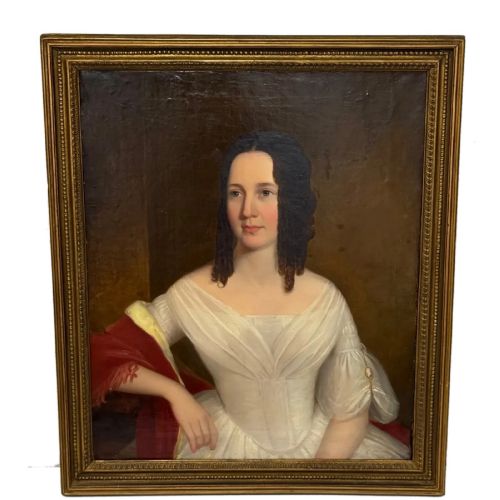
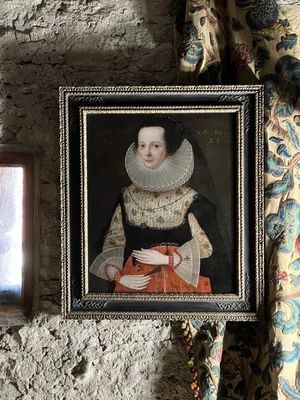
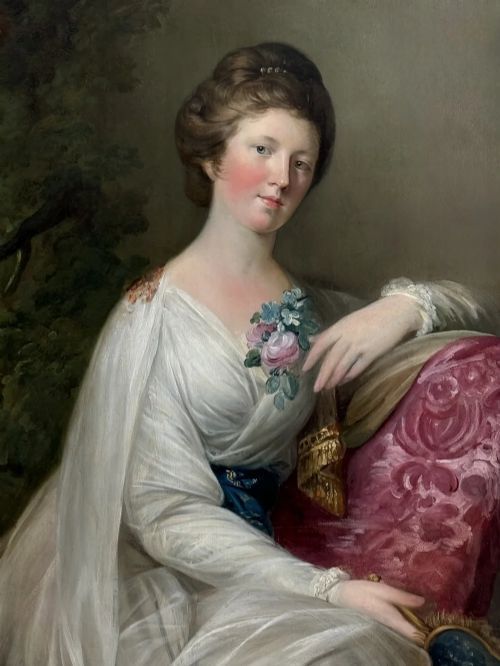
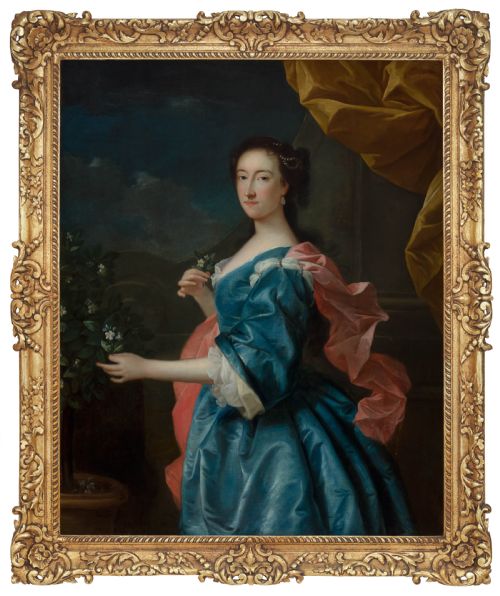
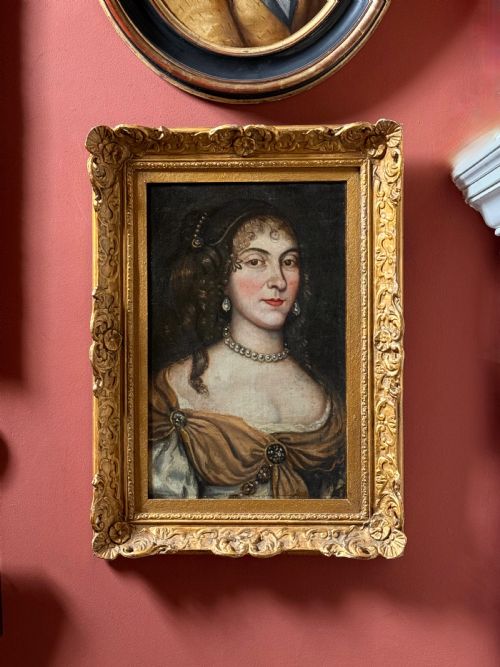
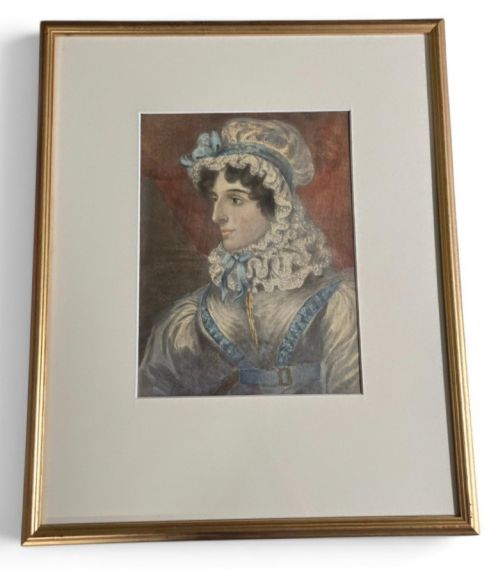
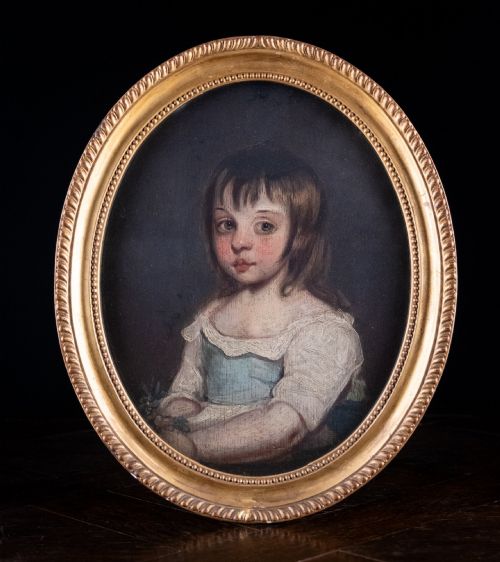
Framed female portrait painting captures the likenesses of women across centuries, offering buyers a direct window into past lives through historic portraiture.
Framed Female Portrait Painting
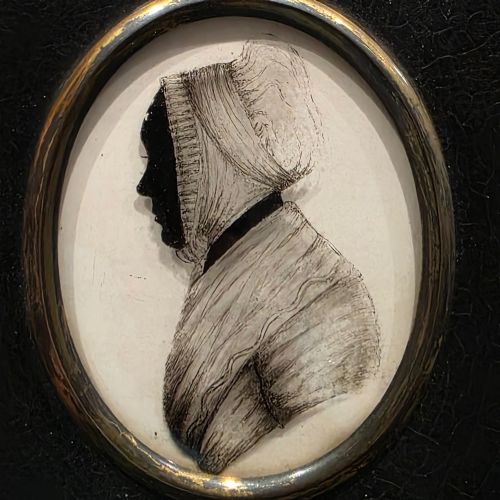
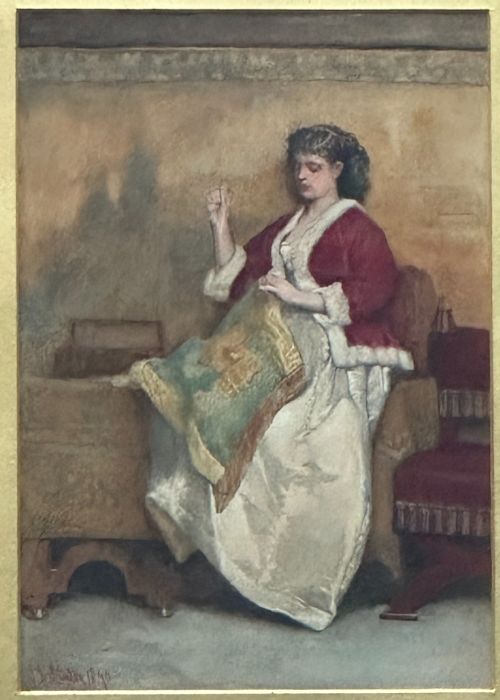
When you search for framed female portrait painting, you encounter works spanning from the seventeenth century through to the mid-twentieth century, predominantly executed in oil on canvas or oil on board. The selection ranges from intimate miniature silhouettes and watercolours to monumental Edwardian oils and grander aristocratic likenesses.
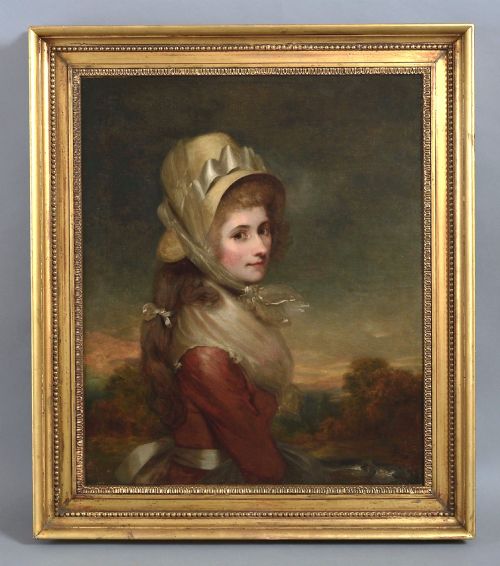
You are most likely to meet nineteenth-century and eighteenth-century works on this page, often depicting named noblewomen, country girls, or anonymous ladies in period dress. These pieces frequently retain their original or period-appropriate frames, highlighting the aesthetic tastes of their respective eras.
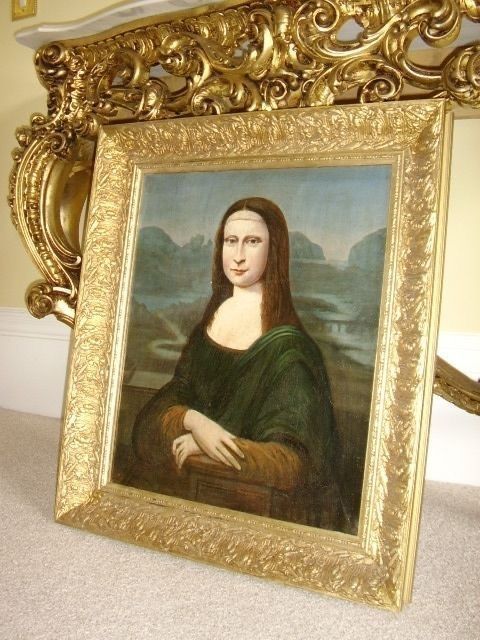
The assortment includes both direct observations by listed artists and studio copies or pieces after historic masters such as Sir Peter Lely or Thomas Gainsborough. Each item documents the changing fashions, hairstyles, and societal roles of women across Georgian, Victorian, and Edwardian periods.
How they were made
Artists built these works primarily using oil paint applied to prepared canvas, wood panels, or paper, often sealed with protective varnish layers that deepen the tones over time. Watercolours and pastels on paper also feature prominently, requiring glass protection within secure frames.
Frames themselves form an integral part of the construction, commonly utilising carved and moulded wood finished with gilt or paint. Giltwood surrounds provide reflective brilliance, while simpler wooden frames offer a restrained architectural border to the canvas.
Framed Female Portrait Painting Retail Price Guide 2026
Typical asking prices for framed female portrait painting among the pieces listed under this phrase on Sellingantiques today, from the lower quarter to the upper quarter. They describe what is for sale here now, not the wider market.
Portraits include both identified aristocrats and anonymous sitters captured by regional schools and continental workshops.
What varies in quality
The standard of portraiture rests heavily on the confidence of the brushwork and the psychological depth captured in the sitter's expression. Master works display subtle transitions of light across skin and fabric, whereas lesser examples rely on stiffer, more formulaic rendering.
Provenance and attribution significantly influence distinction, with pieces linked to documented hands or specific historic sitters commanding greater scholarly interest. The preservation of the original canvas support and the integrity of the period frame also determine the overall standing of an individual work.
Sir Martin Archer Shee·Sir James Dromgole Linton·John Hayls·George Willison·Jeremiah Davison·Pieter Borsseler·Charles Spooner·Francisco Goya·Horace Hone·Sir Peter Lely·John Russell·John Vanderbank·Robert Byng·G. J. S. Bary
The Framed Female Portrait Painting Glossary
- Oil on Canvas
- Pigment mixed with drying oil applied to a woven fabric stretched across a wooden frame. This medium allowed artists to achieve rich colour depth and subtle blending.
- Giltwood
- Wood that has been carved and coated with a thin layer of gold leaf. It was frequently used for ornate frames during the Georgian and Victorian periods.
- Portrait Miniature
- A small-scale painting depicting a person with high detail. These delicate works were often housed in protective cases or miniature frames.
- Silhouette
- A portrait represented as a solid shape of a single colour, usually black, outlined and filled in. Some examples involve reverse painting on glass.
- Attributed To
- A term used when a work is considered likely by a specific artist based on stylistic evidence, though lacking definitive documentation.
Framed Female Portrait Painting: Frequently Asked Questions
How do I date a portrait painting?
Dating relies heavily on the sitter's costume, hairstyle, and framing style, alongside any inscriptions or signatures on the canvas reverse. Fashion changes offer reliable chronological markers for narrowing down the decade of creation.
Material analysis of the stretcher bars, canvas weave, and pigments also assists experts in confirming the period of origin. Comparing the handling to documented works by contemporary schools provides further precision.
What is the difference between oil on canvas and oil on board?
Oil on canvas involves stretched woven fabric as the primary support, which offers natural spring and texture beneath the paint layers. This method dominated professional fine art production across multiple centuries.
Oil on board utilises a rigid wooden or composition panel substrate, providing a completely firm surface for the artist. This format frequently appears in smaller studies or later regional works.
Are these portraits of real historical figures?
Many listings identify specific sitters by name, title, or family lineage, occasionally supported by contemporary documentation or historic inscriptions. These named subjects provide direct links to documented genealogies and past estates.
Other works depict anonymous subjects, often styled as idealised country girls, classical figures, or contemporary ladies of fashion. These pieces reflect broader cultural archetypes rather than specific biographical histories.
How should I care for an antique portrait?
Antique paintings require stable environmental conditions away from direct sunlight, excessive humidity, and rapid temperature fluctuations. Protecting the canvas and gilt frame from moisture prevents warping and paint flaking.
Dusting should be performed gently with a soft, dry brush, avoiding any chemical cleaning agents or water on the painted surface. Professional conservation should be sought for any structural repairs or varnish cleaning.