




Framed Fabric Wall Art
Framed fabric wall art brings together historic textiles and needleworks preserved under glass or mounted on boards.
Framed Fabric Wall Art
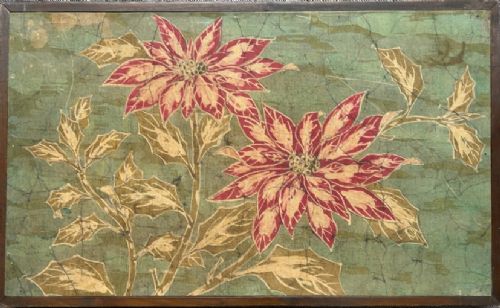
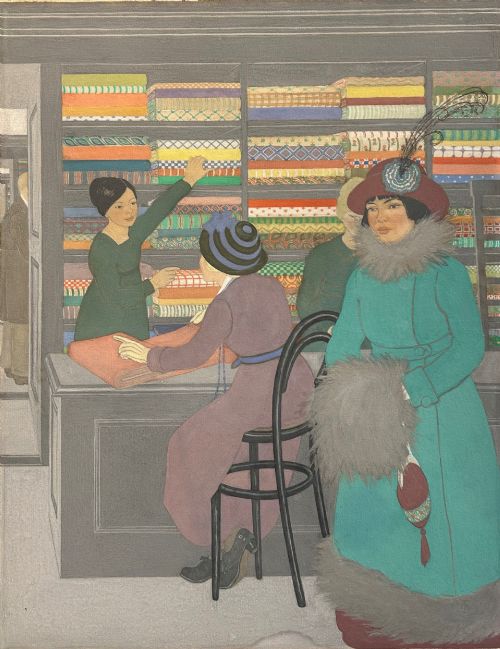
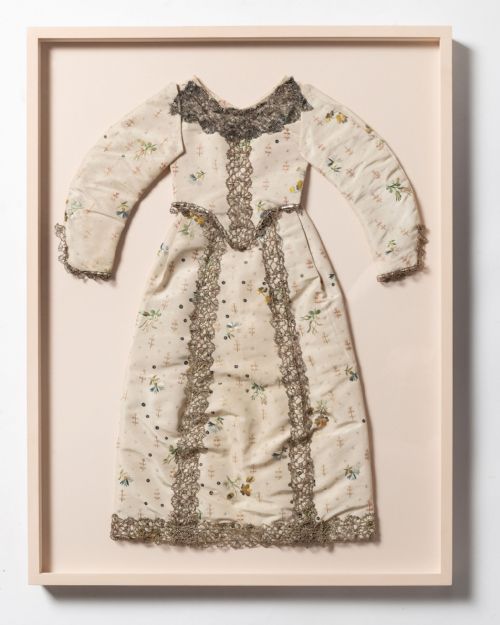
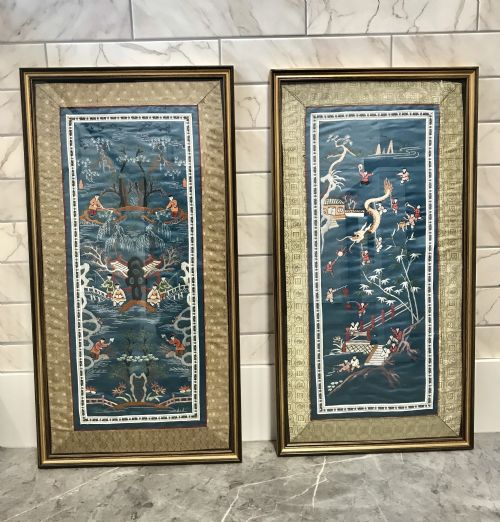
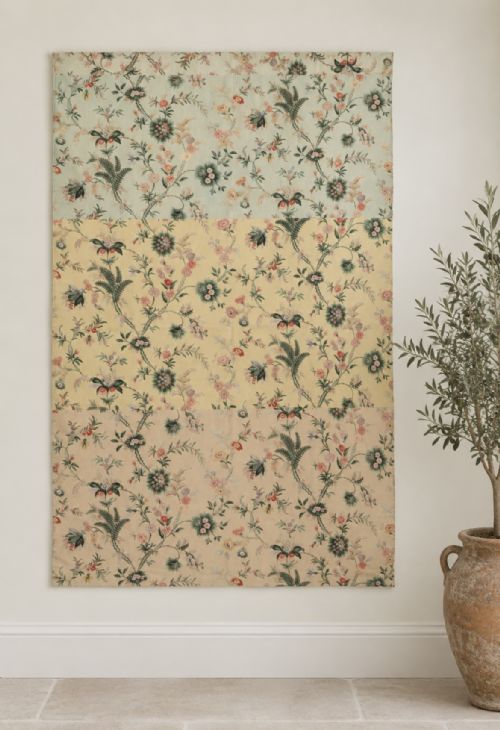
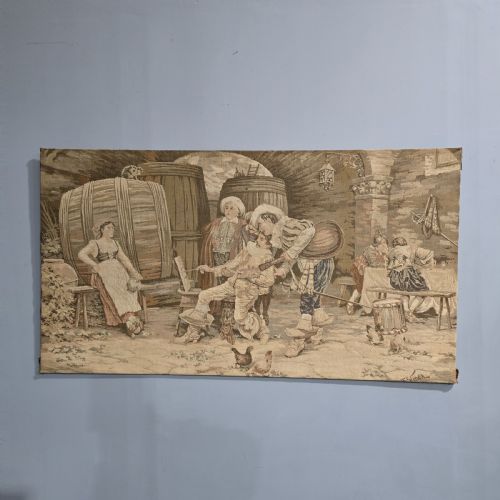
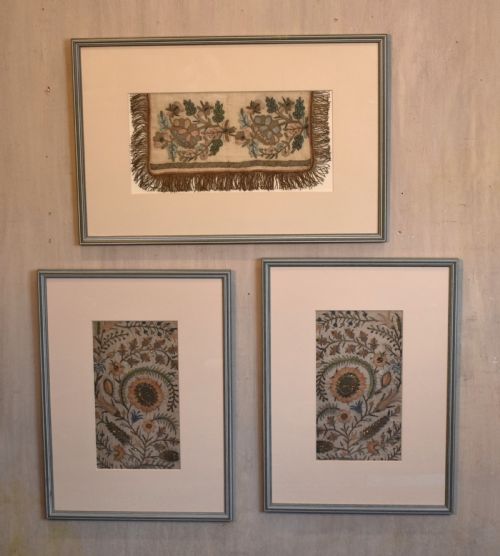
When you search for framed fabric wall art, you encounter a diverse range of textiles spanning from the eighteenth century to the mid-twentieth century. The pieces on this page include embroidered panels, woven tapestries, lace samplers, and painted textiles encased behind glass or mounted in wood frames.
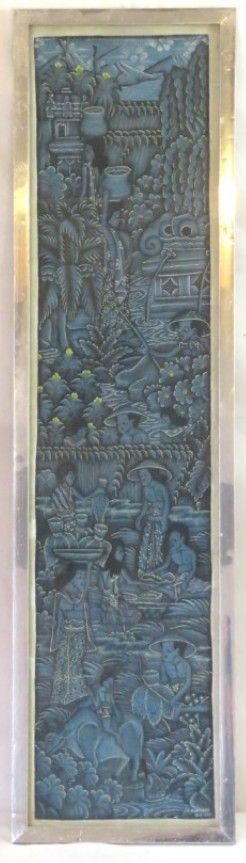
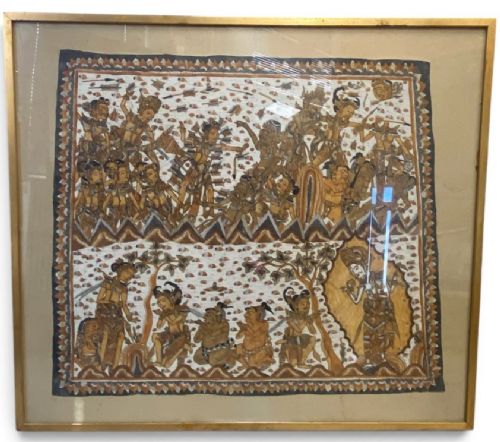
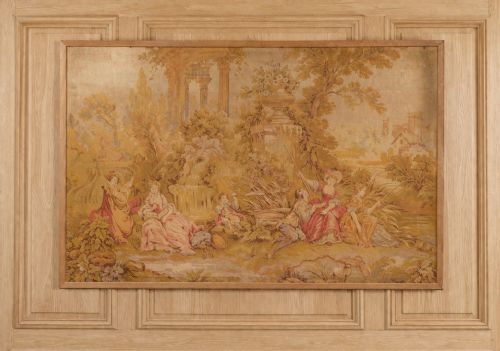
Origins vary widely across the selection, featuring English panels, French tapestries, Chinese silk embroidery, Central Asian suzanis, and Balinese paintings on textile. Object types range from large wall hangings to detailed dress fragments and early needleworks.
The most common formats present historic fabric secured inside a protective frame to showcase intricate needlework or pigment work. These items function primarily as decorative wall art while preserving delicate materials from handling.
What varies in quality
Quality rests on the intricacy of the needlework or painting and the preservation state of the fabric. Finer examples display dense hand-sewn stitches, complex pictorial registers, and well-maintained natural materials.
The craftsmanship of the mounting and framing influences the overall presentation of the piece. Superior items maintain stable integration between the historic textile and its protective enclosure.
Listings include items spanning from the 18th century through the mid-20th century, utilising silk, cotton, linen, wool, and glass.
Beatrice Saunders
The Framed Fabric Wall Art Glossary
- Suzani
- An embroidered tribal textile originating from Central Asia, typically worked in silk on a cotton or linen ground. These panels display bold botanical or geometric motifs.
- Sampler
- A piece of sewing produced as a demonstration or test of skill, often featuring alphabets, numbers, and decorative motifs executed in various stitches.
- Tapestry
- A form of textile art woven on a vertical loom, traditionally featuring pictorial scenes or repeating patterns created with coloured wool and silk threads.
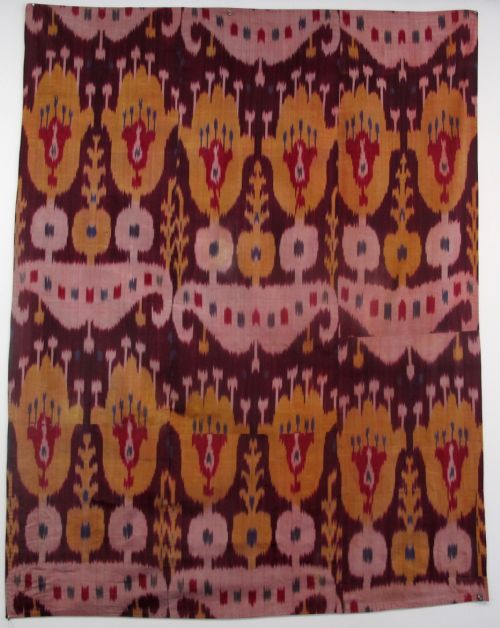
- Ikat
- A dyeing technique used to pattern textiles employing a resist dyeing method on yarns prior to dyeing and weaving the fabric.
- Kuba cloth
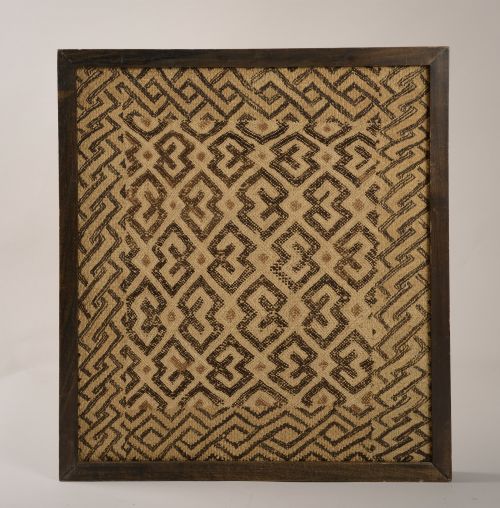
- A textile from Central Africa made from raffia palm fibre, known for its geometric cut-pile embroidery and patchwork construction.
Framed Fabric Wall Art: Frequently Asked Questions
How should I clean framed fabric wall art?
Keep these pieces away from direct sunlight to prevent fading of the historic dyes and fibres.
Dust the wood frame gently and avoid using liquid cleaners near the glass or exposed textile edges.
Can I hang these textiles in bright rooms?
Ultraviolet light degrades historic silk, cotton, and wool over time, altering the original colours significantly.
Position your wall art on interior walls away from direct windows to preserve the fabric.
How do I tell an 18th century tapestry from later copies?
Examine the back of the panel where possible for hand-spun yarn characteristics and traditional loom tension marks.
Early French and European tapestries utilise specific wool and silk blends distinct from modern reproductions.
Are these textile pieces secured behind glass?
Many smaller embroidered panels, lace samplers, and silk works are protected behind glass within wood frames.
Larger woven tapestries and Kuba cloths are typically mounted directly onto boards for stable hanging.