



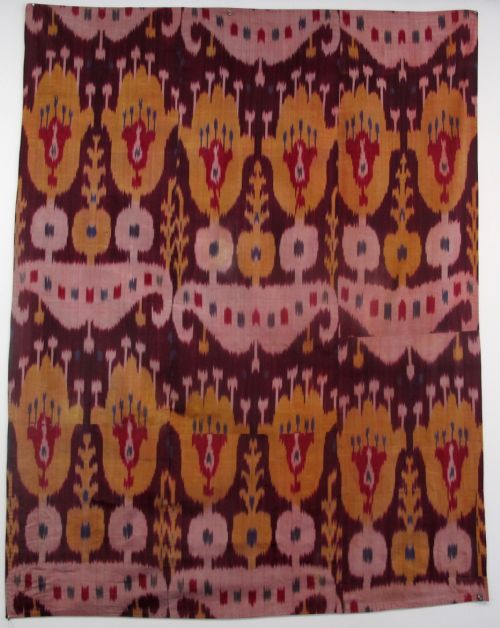

Yellow Silk Textile Panel
A yellow silk textile panel brings vibrant warmth to a room, offering rich textures and historic patterns from Central Asia, India, and Europe.
Yellow Silk Textile Panel
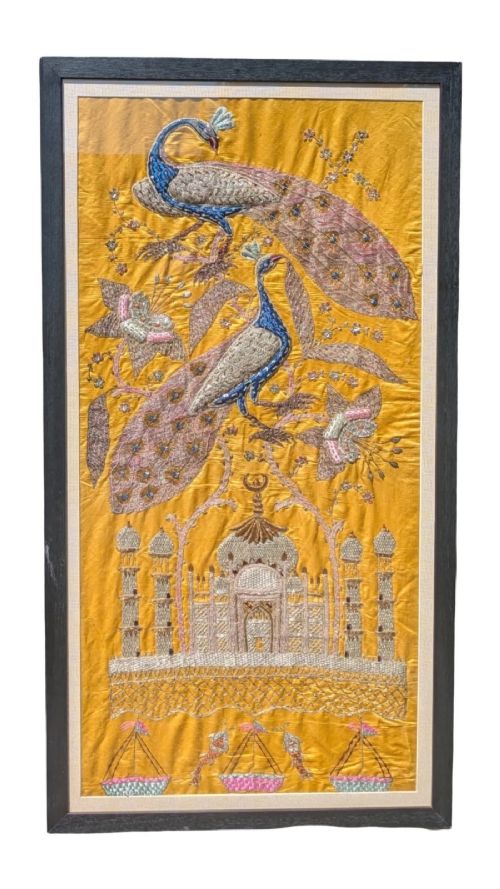
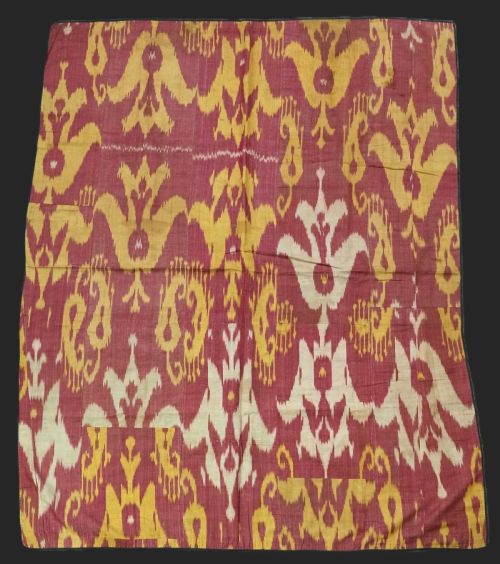
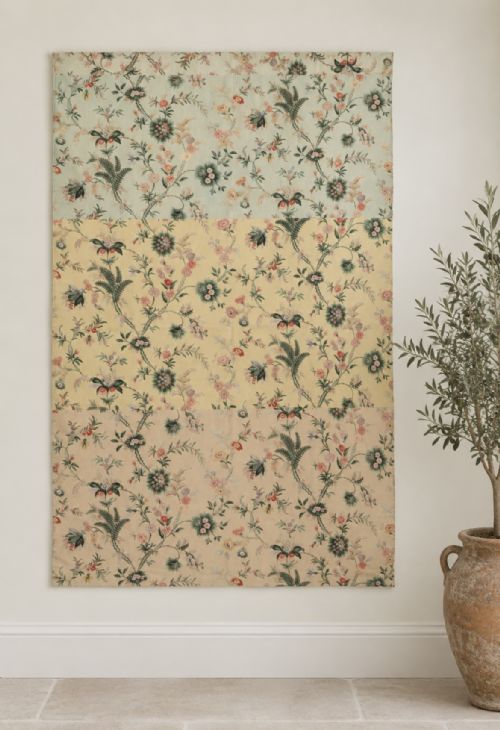
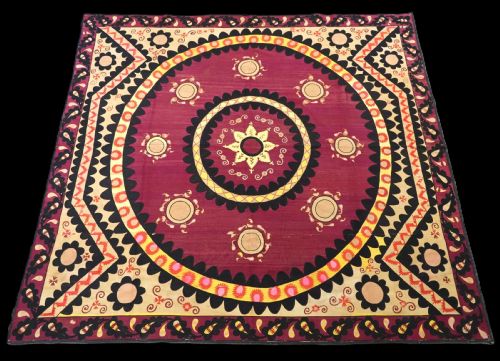
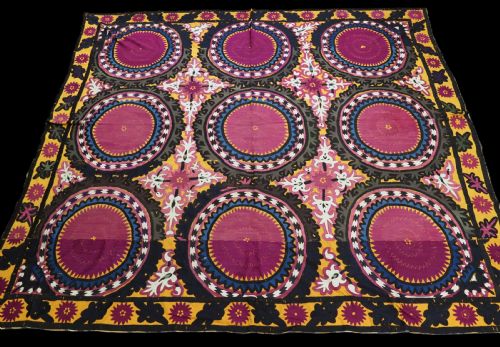
A yellow silk textile panel encompasses a diverse range of historic wall hangings, framed works, and embroidered fabrics. When searching for a yellow silk textile panel, collectors encounter pieces spanning from the sixteenth century to the early twentieth century.
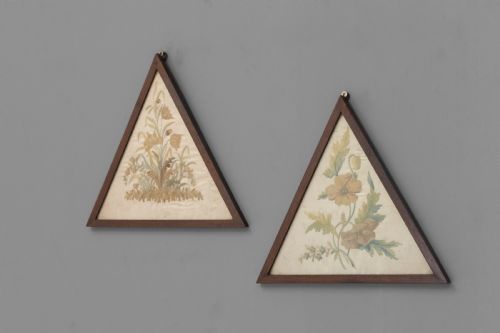
Makers and artisans created these items primarily as wall art, prayer suzanis, and dowry embroideries. The forms vary from fully embroidered textiles to semi-silk ikat panels framed in wood and glass.
Materials and construction
Materials recorded in the listings include silk, cotton, wool, wood, glass, and metallic thread. Silk provides the lustrous ground or embroidery thread, often combined with a cotton or wool foundation.
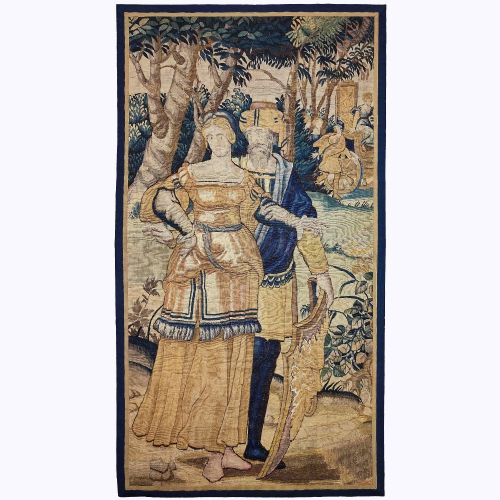
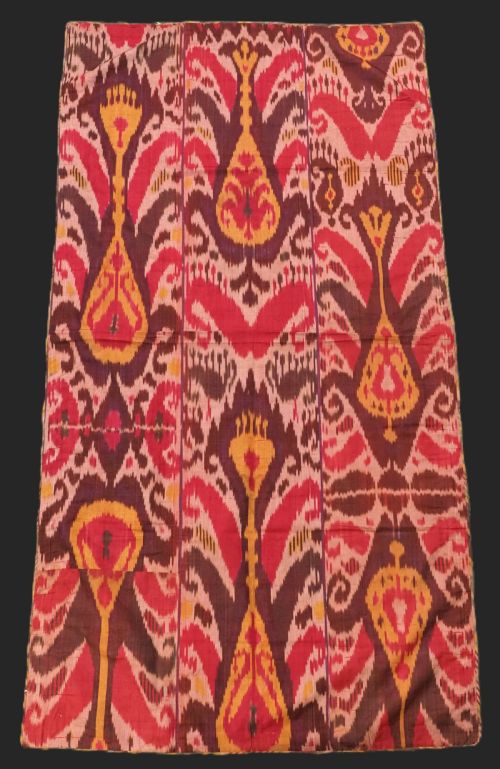
Techniques range from intricate hand embroidery on silk and cotton grounds to traditional resist-dyeing methods used in Uzbek ikat fabrics. Flemish pieces utilise tapestry weaving, while Indian and Uzbek workshops employ dense needlework.
Assessing quality and execution
Quality in these textiles depends on the density of the embroidery work and the complexity of the design layout. Fully embroidered palak suzanis and finely rendered Indian pictorial scenes represent the more intricate end of the scale.
The vibrancy of the dye work and the preservation of the delicate silk threads also distinguish superior examples. Pieces with intact grounds and rich chromatic depth command greater attention from collectors.
The Yellow Silk Textile Panel Glossary
- Suzani
- An embroidered tribal hanging from Central Asia, traditionally worked in silk on a cotton or linen ground. These textiles often feature large floral and sunburst motifs.
- Ikat
- A dyeing technique where yarns are pattern-dyed before weaving, creating characteristic blurred edges along the design motifs. This method requires considerable precision from the weaver.
- Adras
- A traditional Central Asian fabric woven with a silk warp and a cotton weft, combining the lustre of silk with the stability of cotton. It appears frequently in nineteenth-century panel formats.
- Tapestry
- A form of textile art woven on a vertical loom, where coloured weft threads are beaten down to cover the warp entirely. Flemish examples from the sixteenth century represent this tradition.
- Palak
- A specific type of Uzbek suzani characterised by a dense, fully embroidered field that almost entirely conceals the ground fabric. These are among the most labour-intensive Central Asian embroideries.
Yellow Silk Textile Panel: Frequently Asked Questions
How were these textile panels used historically?
Many of these pieces served as domestic wall decorations, ceremonial hangings, or marriage dowry items within nomadic and settled communities alike.
In Central Asia, suzanis decorated the interior walls of nomadic yurts and permanent homes, while European examples adorned great houses.
How do I care for antique silk panels?
Display these textiles away from direct sunlight to prevent the silk fibres and natural dyes from fading over time.
Mounting them behind protective glass or supporting them evenly across a padded wooden frame helps distribute the weight.
How do I distinguish an ikat panel from an embroidery?
An ikat panel achieves its pattern through pre-dyeing the threads before the weaving process takes place, resulting in softly bled pattern edges.
Embroidery, conversely, applies stitched threads directly onto a pre-woven foundation fabric using a needle.
What periods do these textile panels represent?
The available selection spans from sixteenth-century Flemish works up through nineteenth-century Central Asian pieces and twentieth-century Indian and English items.
Late nineteenth-century and early twentieth-century Uzbek suzanis and silk ikats form the largest group in the current listings.