




Antique Floral Fabric Panel
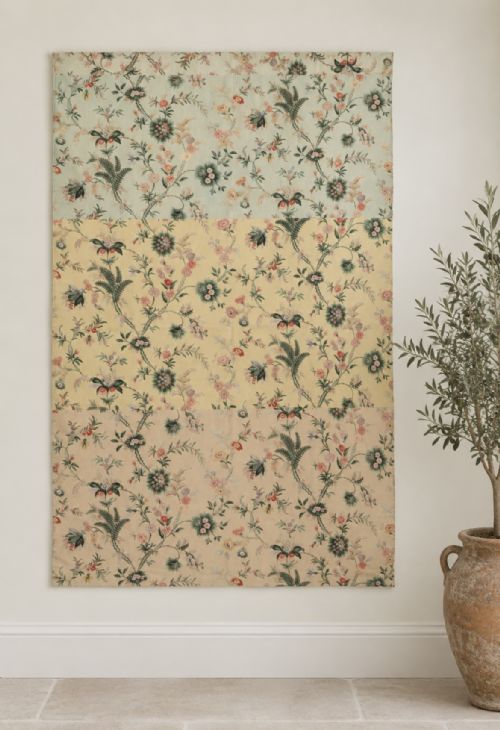
These antique floral fabric panel examples bring historic woven and embroidered botanicals into your rooms, offering tactile colour and pattern from past centuries.
Antique Floral Fabric Panel
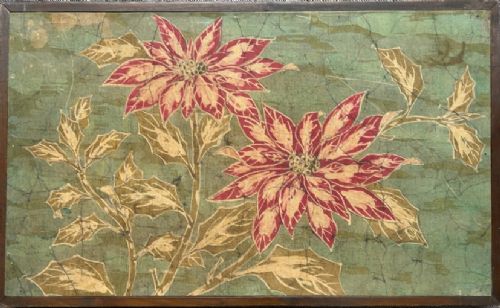
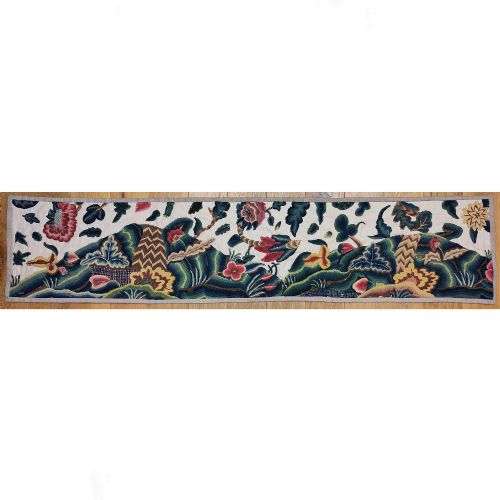
When you search for an antique floral fabric panel, you encounter textiles ranging from English wall panels to French tapestries and room dividers. The most frequent examples on this page are French tapestry panels and intricate embroidered hangings from the eighteenth century onwards.
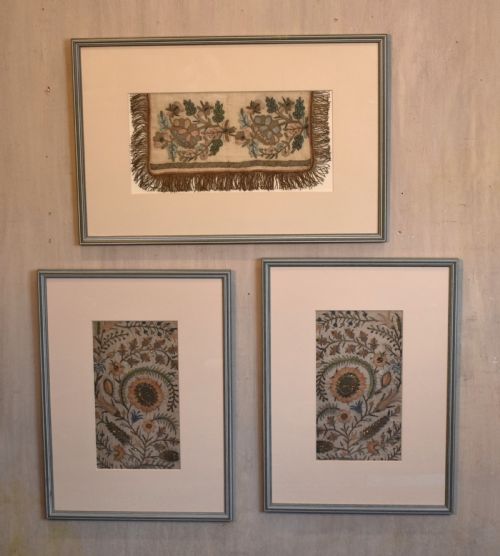
These textiles appear in various forms including wall hangings, framed works, and room dividers that showcase botanical motifs. Pieces span styles from French Rococo and Arts and Crafts to Central Asian tribal designs.
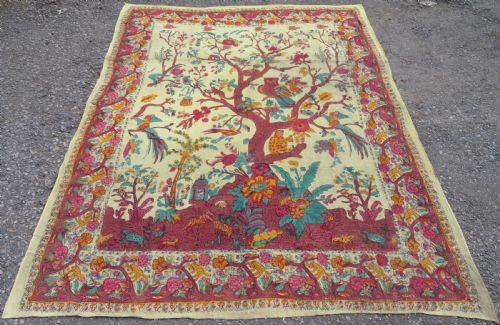
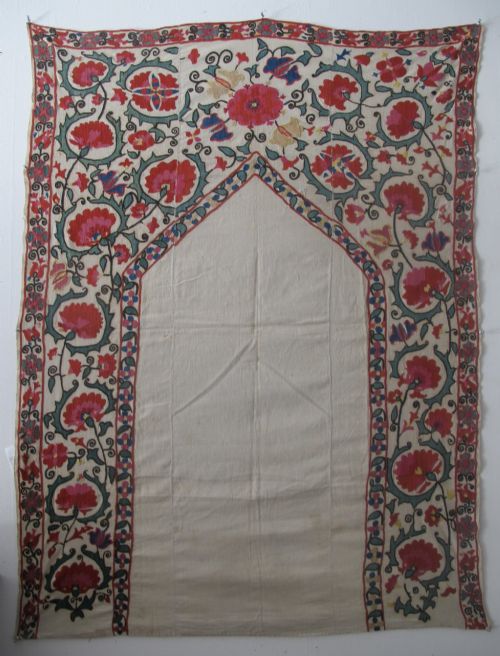
The selection includes specific regional works such as Uzbek suzanis, Indian palampores, and Bizarre silk lampas lengths. Buyers find both large wall hangings and smaller mounted embroideries representing centuries of textile tradition.
How they were made
Maker construction relies on natural materials such as silk, cotton, wool, linen, and velvet supported by wooden frames or natural dyes. Artisans utilised thread to build complex botanical patterns across cotton and red cotton grounds.
Techniques range from the dense needlework of Suzani embroideries to the woven pile of ciselé silk velvet and the sophisticated weave of Bizarre silk lampas. Central Asian tribal makers and European ateliers employed distinct regional methods to fix natural dyes and secure fibres.
This selection spans the eighteenth century through to nineteen-thirty, incorporating silk, cotton, wool, linen, velvet, and natural dyes across multiple forms.
What varies in quality
Quality depends on the density of the weave or embroidery and the preservation of the natural dyes used in the floral motifs. Finer pieces demonstrate precise needle control and superior handling of complex styles like Bizarre silk or classical French Rococo.
The integrity of the ground fabric, whether linen, cotton, or velvet, dictates the structural durability of the panel. Superior examples maintain rich colour saturation in their botanical threads and intact edges across centuries of use.
The Antique Floral Fabric Panel Glossary
- Suzani
- A type of embroidered and decorative tribal textile from Central Asia, traditionally made in countries like Uzbekistan. These panels often feature bold botanical and architectural designs.
- Lampas
- A type of figured textile where pattern wefts create the design against a ground weave. Bizarre lampas refers to extravagant, asymmetrical eighteenth-century designs.
- Ciselé velvet
- A velvet fabric where the pattern is created by cutting some pile loops while leaving others uncut. This technique produces contrasting textures within the floral design.
- Palampore
- A large, hand-painted or mordant-dyed cotton bed cover or hanging originating from India. They typically display intricate tree-of-life and floral motifs.
- Tapestry
- A form of textile art woven on a loom rather than embroidered with a needle. Historical panels often depict elaborate architectural or botanical scenes.
Antique Floral Fabric Panel: Frequently Asked Questions
How do I hang a fabric panel?
Wall hangings require careful weight distribution to prevent stress on historic fibres. Mounting them over padded wooden battens or within glazed frames protects the textile from tension and dust.
Ensure panels hang away from direct sunlight to preserve natural dyes. Professional framing with UV-filtering glass suits smaller mounted needleworks and delicate silks.
What is a Suzani embroidery?
A Suzani is a traditional embroidered textile from Central Asia, notably Uzbekistan, stitched with silk threads on a cotton or linen ground. They often display large floral and architectural motifs worked by hand.
These pieces served functional and decorative roles within nomadic and settled households. Their bold botanical compositions make them striking wall art today.
How do I clean an antique textile?
Historic textiles tolerate very little moisture and cleaning should be left to specialist conservators. Surface dust can be gently removed using low-suction vacuums through a protective mesh screen.
Avoid washing, scrubbing, or applying commercial cleaning agents to silk, wool, or cotton panels. Professional textile restorers assess the stability of natural dyes before any intervention.
What is Bizarre silk?
Bizarre silk refers to luxury woven textiles produced during a specific period of the early eighteenth century. They feature asymmetrical, exotic floral patterns influenced by global trade and botanical exploration.
These fragments demonstrate advanced weaving techniques using rich silk yarns. Collectors value them for their inventive designs and historical rarity.
How are different periods identified?
Dating relies on stylistic markers, weave structures, and the composition of natural dyes. Eighteenth-century pieces often show Rococo influence or complex lampas weaves, while later nineteenth-century works reflect Arts and Crafts or regional folk traditions.
Examining the reverse of the panel reveals the type of ground fabric and thread preparation. Comparing stitch density and motifs against documented historical examples confirms the era.