
Framed Equestrian Oil Canvas
When you search for a framed equestrian oil canvas, you enter a rich tradition of horse portraiture and sporting art.
Framed Equestrian Oil Canvas
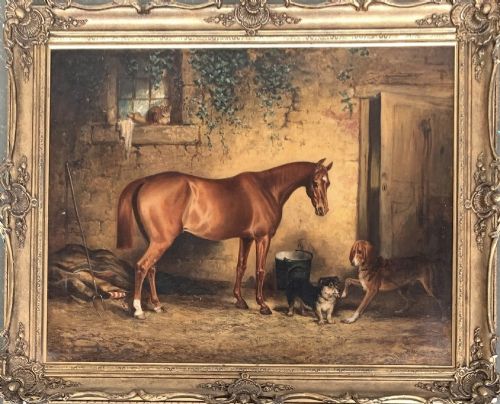
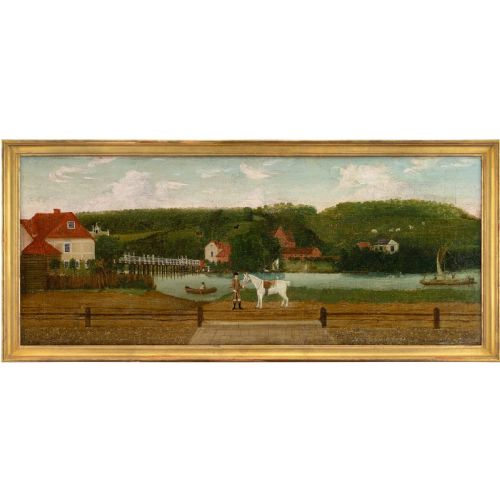
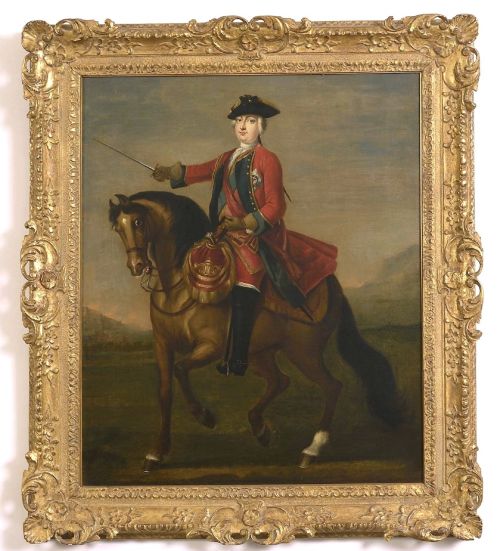
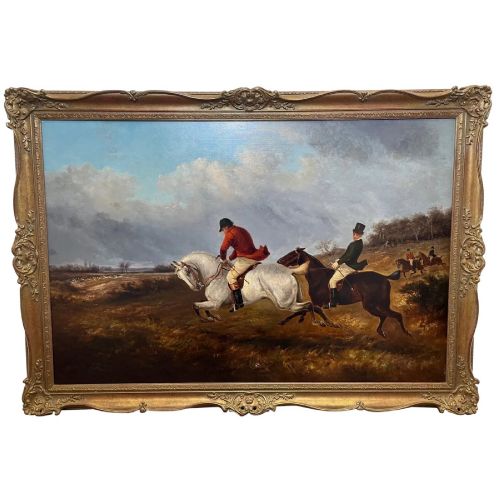
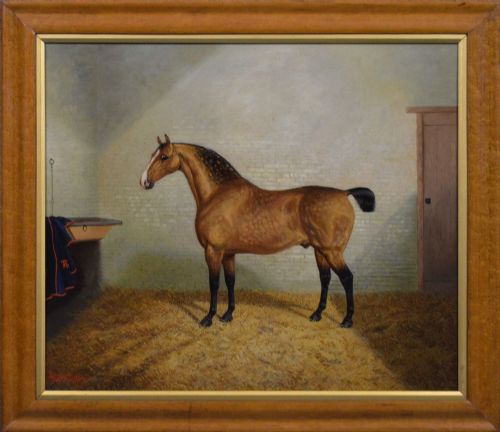
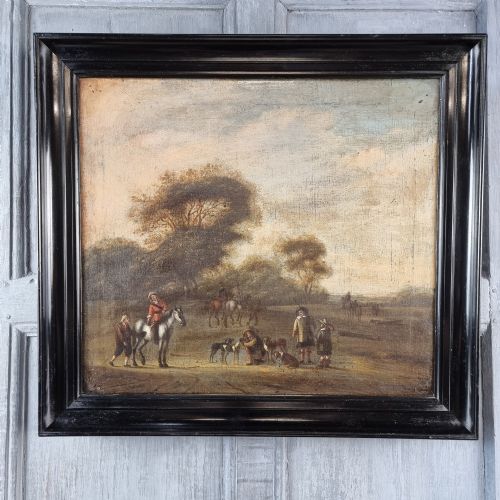
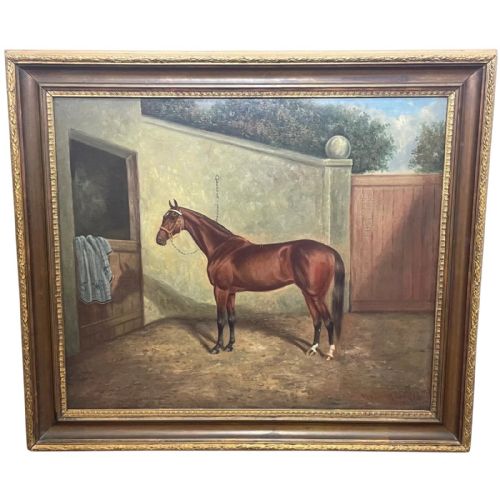
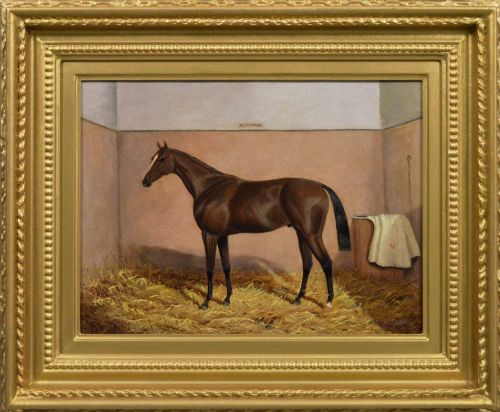
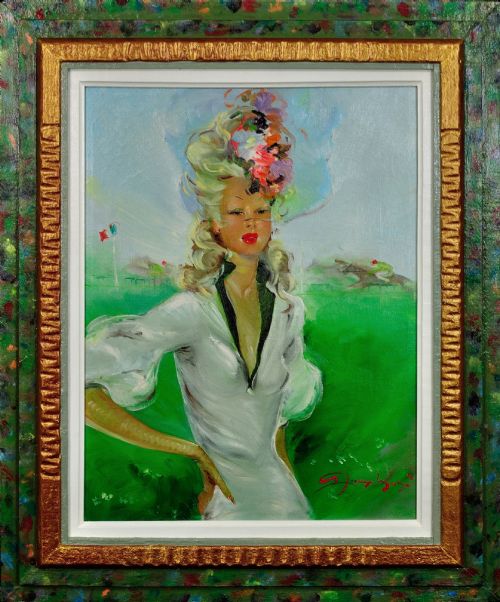
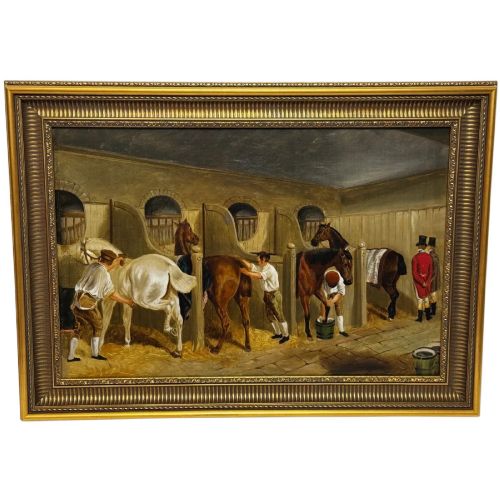
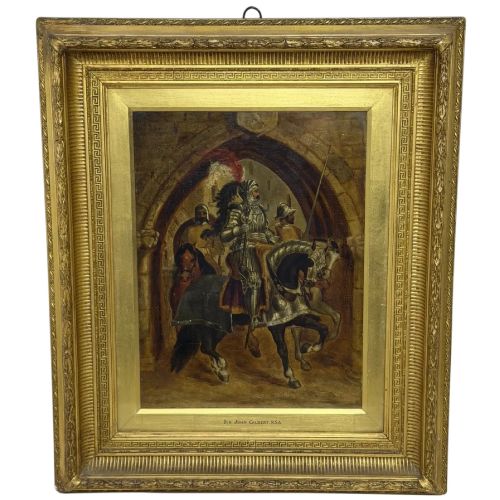
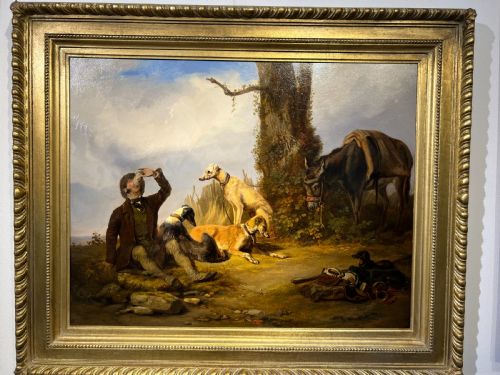
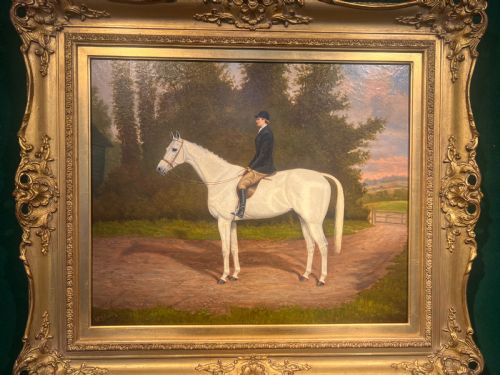
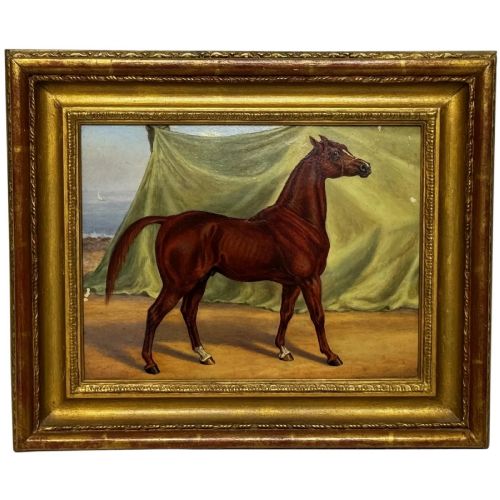
A framed equestrian oil canvas typically portrays horses, hunting scenes, or racing subjects rendered in oil paint upon woven fabric. These works capture specific animals, historical races, or rural working scenes across various historical periods.
The pieces appearing on this page span from nineteenth-century Victorian sporting works to mid-twentieth-century examples. Buyers encounter individual horse portraits, hunting studies, and landscape compositions featuring equines.
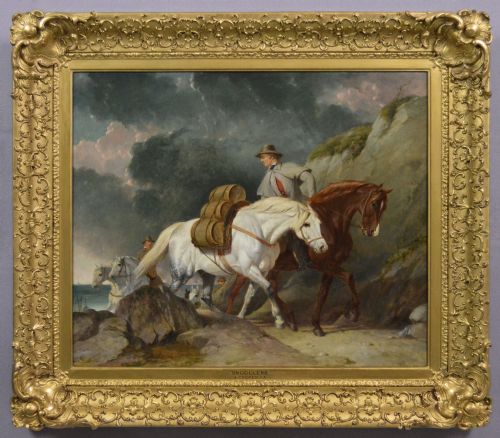
Origins range from British provincial works to continental European examples, reflecting distinct regional approaches to animal painting. Common formats include structured horse portraits in stables, dynamic hunting gallops, and coastal scenes with working horses.
Materials and Construction
Artists painted primarily with oil-based pigments applied to stretched canvas supports using bristle and sable brushes. This medium allowed for gradual blending, rich surface texture, and deep tonal variations.
Canvases sit within wooden frameworks, often featuring moulded and gilded wooden surrounds known as giltwood or gilt frames. These surrounds complement the painted surface and protect the edges of the stretched textile.
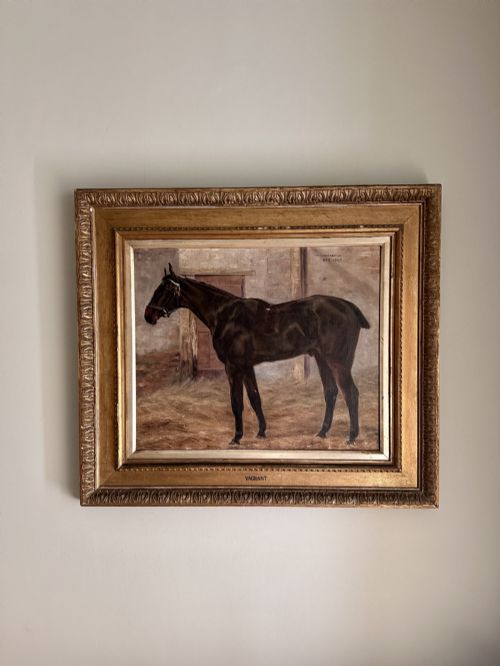
Several canvases immortalise victorious nineteenth-century racehorses with names like Spion Kop, Flying Fox, and Vagrant.
Assessing Quality and Execution
Anatomical accuracy and skeletal proportion separate skilled animaliers from routine painters. The handling of muscle structure, light on glossy coats, and the expression in the eye dictate the success of a horse portrait.
The treatment of the surrounding landscape or stable interior provides context and depth. Finer works integrate the animal convincingly into its environment rather than placing a flat cutout against a generic backdrop.
Thomas Smythe·Albert Clark·Abraham Cooper·Fred Fitzpatrick·Ernest Payne·John Alfred Wheeler·Thomas Walker Bretland·John Ferneley Senior·Charles Walter Simpson·Harry Freckleton·Raimond Louis Lecourt·John Arthur Lomax
The Framed Equestrian Oil Canvas Glossary
- Canvas
- A heavy woven fabric, typically linen or cotton, stretched tightly across a wooden frame to serve as a painting surface. It provides a durable ground for oil paint layers.
- Giltwood
- Wood that has been coated with a thin layer of gold leaf or metallic gilt powder. It forms the decorative ornamental frame surrounding many traditional oil paintings.
- Sporting Art
- A genre of painting dedicated to depictions of rural sports, hunting, shooting, and horse racing. It holds a significant place in British artistic heritage.
- Equestrian
- Pertaining to horses, horse riding, or the representation of horses in art. In painting, it denotes works where the horse forms the primary subject matter.
Framed Equestrian Oil Canvas: Frequently Asked Questions
What subjects do these paintings show?
These works display individual racehorses, working ponies, hunting scenes, and equestrian portraits in various settings. Many record named winners, estate stables, or rural landscapes featuring horses.
Other compositions capture historical sporting events or everyday agricultural labour with working horses. The focus remains squarely on the animal and its immediate surroundings.
How do I hang a heavy framed canvas?
A substantial framed oil painting requires secure fixings anchored directly into wall studs or solid masonry using appropriate wall plugs and screws. Picture wire or brass rings on the reverse must match the weight of the timber and plaster frame.
Position the piece at eye level away from direct sunlight and heat sources to protect the oil paint and canvas from environmental stress.
How can I tell the period of a horse painting?
The style of the horse's conformation, the rider's costume, and the framing technique often indicate the era of execution. Nineteenth-century works frequently feature detailed anatomical focus and heavy gilt frames, while twentieth-century examples show broader brushwork.
Signatures, dates inscribed on the reverse, and artist records provide further chronological markers. Comparing the handling of the background landscape also helps date the painting.
How should I clean an antique oil painting?
Dust accumulation on the canvas surface requires only gentle removal with a soft, dry brush or feather duster. Avoid using water, household cleaners, or chemical solvents on the paint layer.
Professional conservators should handle deeper cleaning, varnish removal, or canvas repairs to prevent accidental damage to the original pigments.