
Framed Equestrian Canvas Art
Framed equestrian canvas art brings together historic depictions of horses, hunting scenes, and racing subjects housed in traditional wooden surrounds.
Framed Equestrian Canvas Art
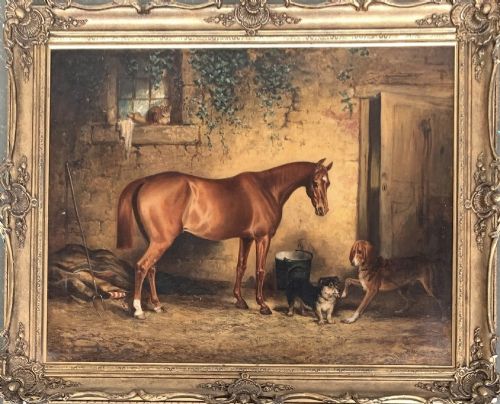
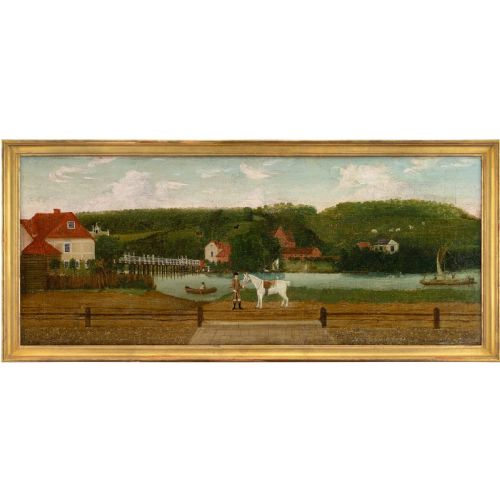
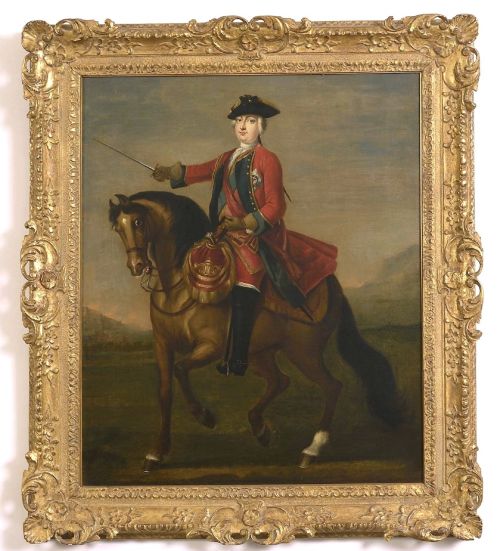
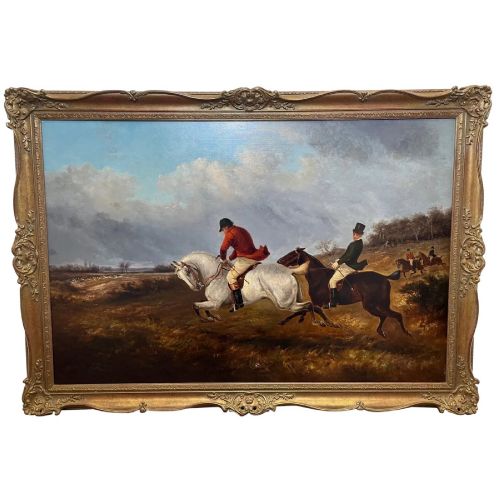
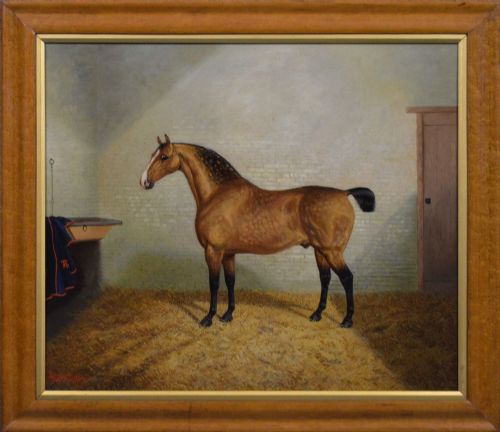
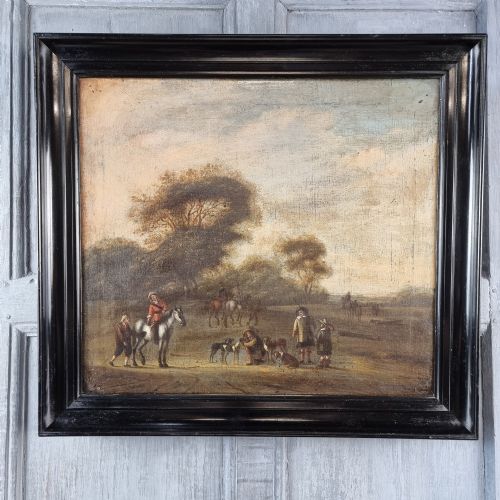
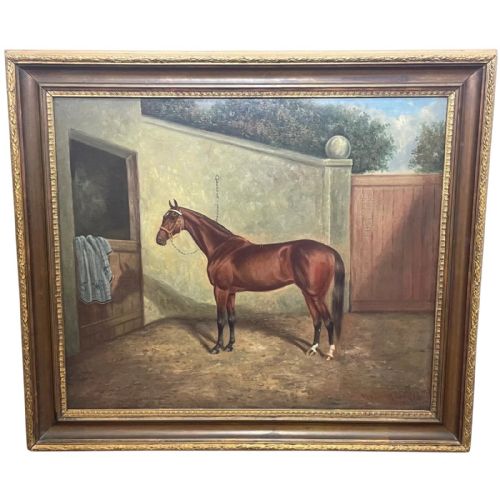
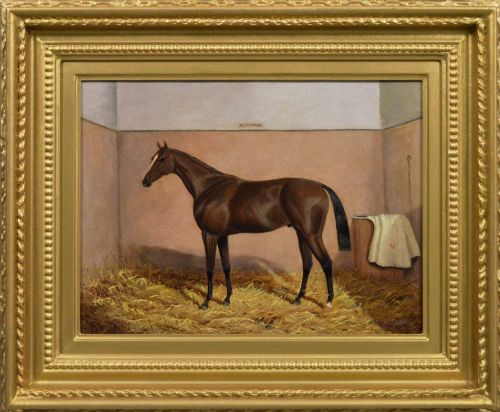
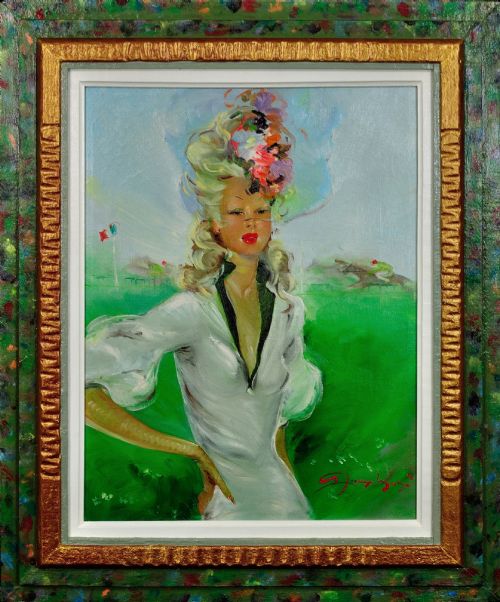
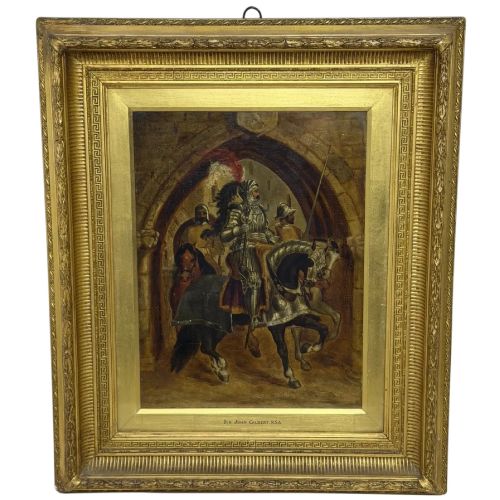
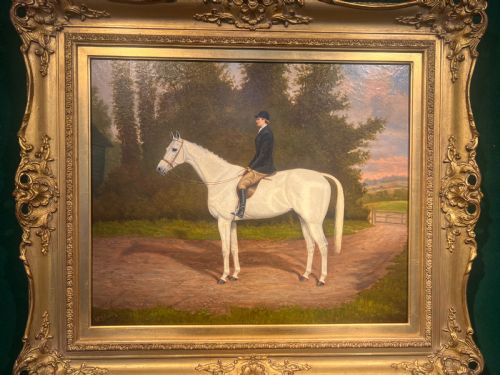
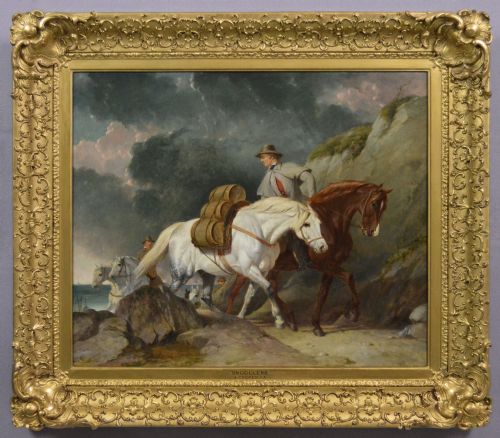
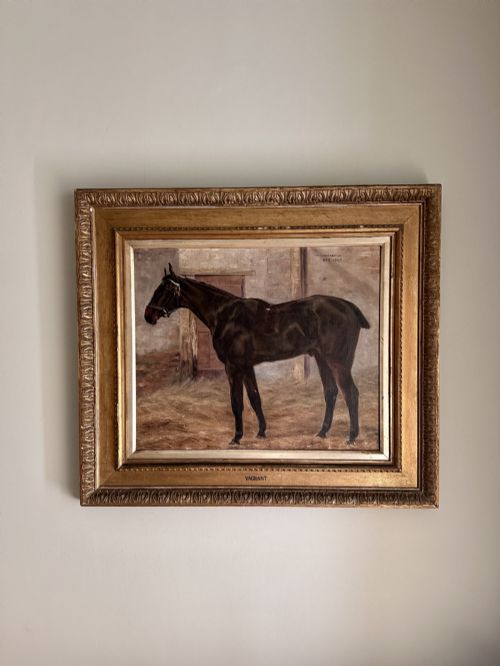
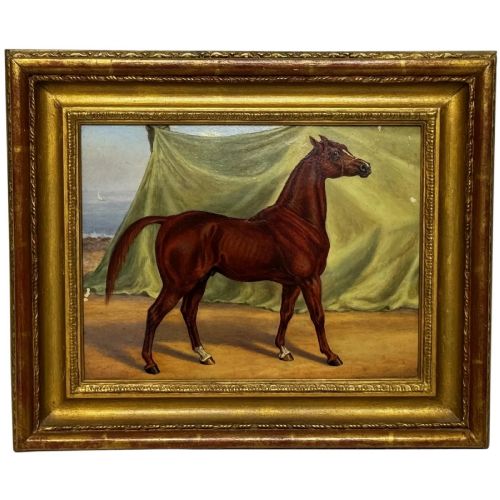
When buyers search for framed equestrian canvas art, they encounter oil paintings on stretched fabric depicting horses, riders, and rural sporting scenes from the nineteenth and twentieth centuries. These works range from detailed individual horse portraits to dynamic hunting and racing compositions created within British and European artistic traditions.
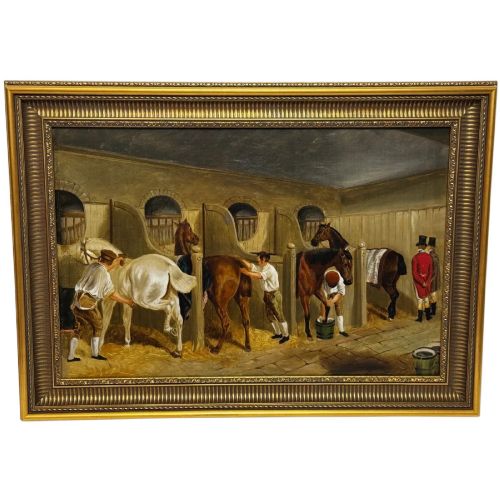
The selections on this page predominantly showcase Victorian and Edwardian sporting paintings alongside mid-twentieth-century works. Common formats include structured equine studies, stableyard interiors, and landscapes incorporating horses at work or leisure, all enclosed in period wooden or gilt frames.
Materials and construction methods
These pieces are executed primarily in oil paint applied to woven canvas stretched over wooden frames. The medium allows for fine blending of tones to render the sheen of horse coats and the textures of leather tack and landscape elements.
The enclosing frames are constructed from wood, frequently finished with giltwood or decorative plaster mouldings that reflect the prevailing interior design styles of their respective periods.
Several canvases capture horses sharing the landscape with early steam locomotives, recording the literal collision of horsepower and machine.
Distinctions in execution and condition
Quality in these works rests on the artist's anatomical accuracy in rendering equine forms, muscle structure, and movement. Finer pieces demonstrate careful attention to light on the animal's coat and a balanced composition within the landscape or stable setting.
The integrity of the canvas and the preservation of the original paint layer without extensive retouching differentiate superior examples, as does the matching quality and age of the surrounding wooden or gilt frame.
Thomas Smythe·Albert Clark·Abraham Cooper·John Ferneley Senior·Charles Walter Simpson
The Framed Equestrian Canvas Art Glossary
- Canvas
- A heavy woven fabric used as a surface for oil painting. It is typically stretched tightly across a wooden stretcher frame before the artist begins work.
- Giltwood
- Wood that has been coated with a thin layer of gold leaf or gilt paint. This finish is common on traditional picture frames from the nineteenth century and earlier.
- Equine portrait
- A painting created specifically to record the likeness of an individual horse, often a named racehorse, hunter, or prize stallion.
- Stretcher
- The internal wooden framework that holds a painted canvas taut. Antique stretchers often show wedge keys in the corners used to adjust tension.
- Sporting art
- A genre of painting dedicated to rural sports, including horse racing, fox hunting, shooting, and depictions of prize animals in landscape settings.
Framed Equestrian Canvas Art: Frequently Asked Questions
What subjects appear in these paintings?
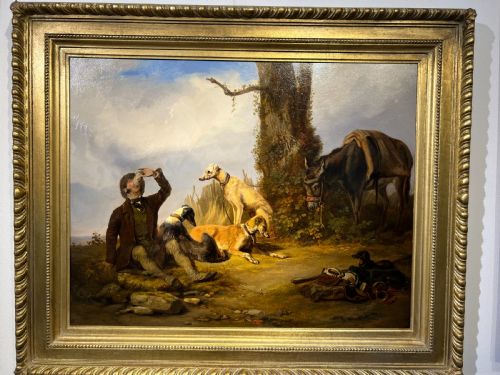
The subjects include named racehorses, hunting dogs, stable scenes, and horses working in pastoral landscapes. Many works document specific equestrian events or prize animals from the nineteenth and twentieth centuries.
Portraiture of individual horses commissioned by owners forms a significant portion of the works, alongside wider topographical views featuring coaching or agricultural horses.
How do I date an equestrian painting?
Dating relies on stylistic clues within the painting, such as the cut of the rider's clothing, the design of the tack, and the construction methods of the canvas stretcher and frame. Signatures, dates inscribed on the canvas or stretcher, and historical records of the horses depicted provide further evidence.
Clothing styles and architectural elements in the background help narrow the decade of creation when signatures are absent or illegible.
Are the frames original to the canvases?
Many pieces retain their original period frames, which were selected to complement the painting style of the era. Giltwood and moulded wooden frames often show age-appropriate wear that matches the history of the canvas.
Some works may have been reframed later in their lifespan to suit changing interior tastes or to replace damaged original mouldings.
How should I care for an oil painting on canvas?
Canvas paintings require stable indoor humidity and protection from direct sunlight to prevent the oil paint from cracking or fading. Dusting should be done gently with a soft, dry brush without applying liquid cleaners to the surface.
Keeping the piece away from direct heat sources prevents the wooden stretcher and canvas from warping over time.