


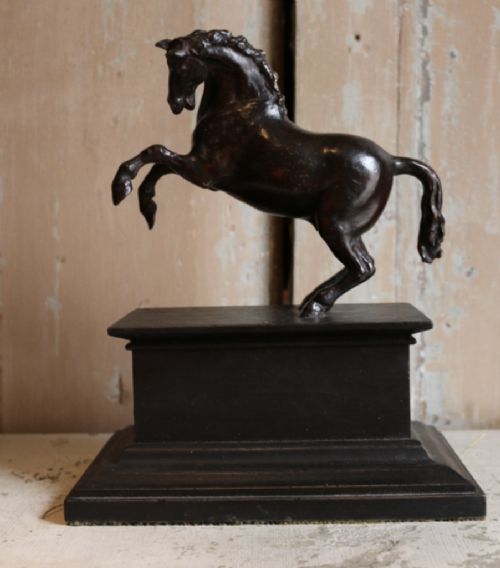


Vintage Equestrian Fine Art
These vintage equestrian fine art pieces capture the spirit of horses and rural life through oil on canvas, watercolour and engravings.
Vintage Equestrian Fine Art
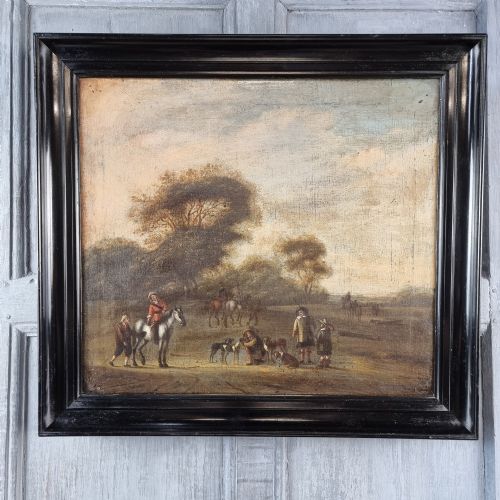
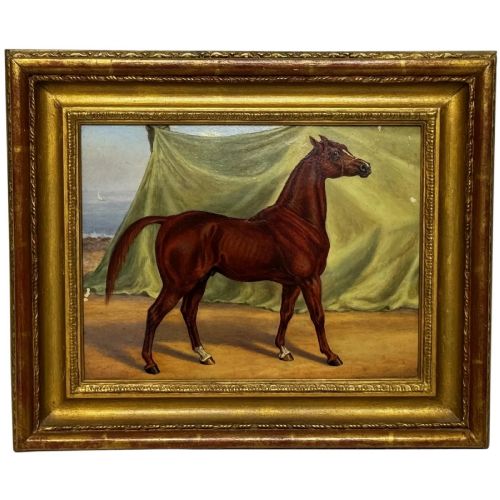
Vintage equestrian fine art encompasses oil paintings, watercolours and framed prints focused on horses and the British countryside. When searching for vintage equestrian fine art, buyers encounter works ranging from seventeenth century landscapes to mid twentieth century scenes. The selection includes individual portraits of hunters and purebreds alongside broader rural genre paintings.
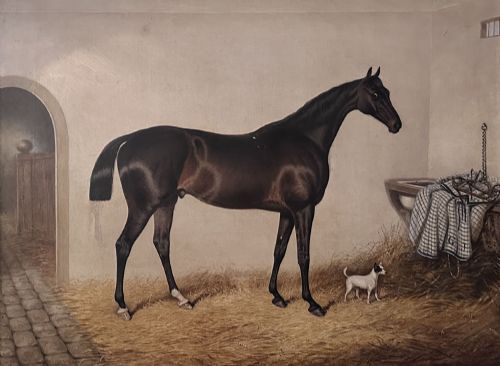
Victorian racing portraits and nineteenth century sporting art form a significant portion of these listings. Pieces vary from detailed stableyard studies to energetic depictions of riders and carriages on the road. The subject matter reflects a long cultural engagement with horses across Britain and continental Europe.
Evaluating Quality
Quality in these artworks rests upon the artist's command of anatomy, movement and proportion in depicting horses. Superior pieces display precise brushwork that defines coat texture, muscle tone and light reflection accurately. Weaker examples may show stiff postures or poorly resolved background figures that disrupt the composition.
The integration of the animal within its environment distinguishes the finest paintings from routine topographical records. Works by documented artists command greater attention due to established provenance and stylistic maturity. Frame integrity and surface preservation also influence the standing of an individual piece.
Several works record specific historical animals, including a purebred Arabian horse from Bombay stables and a Victorian race winner named Master Walter.
Dame Laura Knight·John Sanderson Wells·Léon Joseph Voirin·John Atkinson·Michael Lyne·Ernest Higgins Rigg·John Richard Worsdale·Edward Lloyd·Maurice Wagermans·George Cole
The Vintage Equestrian Fine Art Glossary
- Sporting art
- Artworks depicting field sports, horses, racing and hounds. This genre developed significantly in Britain during the eighteenth and nineteenth centuries.
- Giltwood frame
- A wooden picture frame coated with gold leaf or gilt finish. These frames often match the period of the artwork they enclose.
- Genre painting
- The pictorial representation of scenes from everyday life. In this context, it includes ploughmen, fairs and roadside travel with horses.
- Oil on canvas
- Pigment suspended in drying oil applied to a stretched fabric support. This combination offers durability and rich colour depth.
Vintage Equestrian Fine Art: Frequently Asked Questions
What periods do these paintings cover?
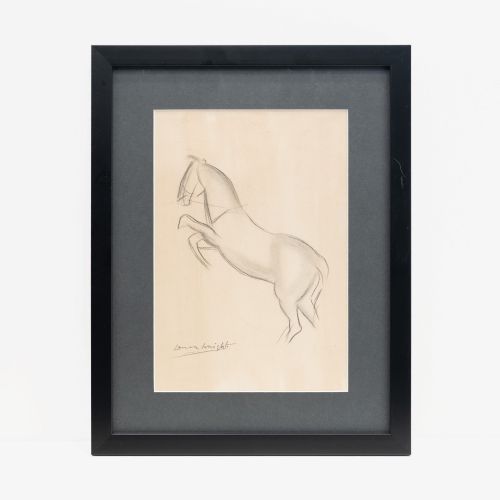
The inventory spans works from the seventeenth century through the Victorian era to the mid twentieth century. Early pieces focus on landscapes and rearing horses, while later works include Victorian racing portraits and twentieth century rural scenes.
Buyers find distinct stylistic shifts between seventeenth century compositions and later British impressionist or modern British interpretations of equestrian subjects.
How do I care for an oil painting?
Oil paintings require stable indoor humidity and protection from direct sunlight to prevent canvas degradation and paint cracking. Dusting should be done gently with a dry, soft brush without applying pressure to the surface.
Avoid using liquid cleaners or placing works near direct heat sources such as radiators or fireplaces.
Are watercolours framed differently?
Watercolours and paper works are typically mounted behind glass to protect the delicate medium from moisture and airborne pollutants. They require acid-free backing materials within the frame to prevent paper yellowing over time.
Oil paintings on canvas are generally displayed unglazed to allow the textured paint surface to remain visible.
What subjects appear besides horse portraits?
Beyond individual portraits of hunters and purebreds, the selection includes coaching scenes, horse fairs, hunting parties and agricultural work with ploughmen. These genre scenes place the horse within working rural environments and social gatherings.
Artists also depicted specific historical events and regional race meetings across Britain and abroad.