
Framed Equestrian Art
Framed equestrian art captures horses and riders in traditional British sporting scenes, offering a rich glimpse into historic racing and hunting culture.
What framed equestrian art includes
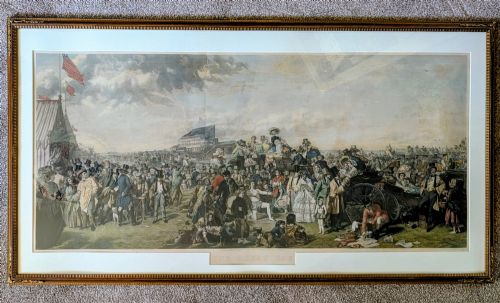
These pieces encompass wall art ranging from nineteenth century British sporting prints to twentieth century works depicting racing and hunting subjects.
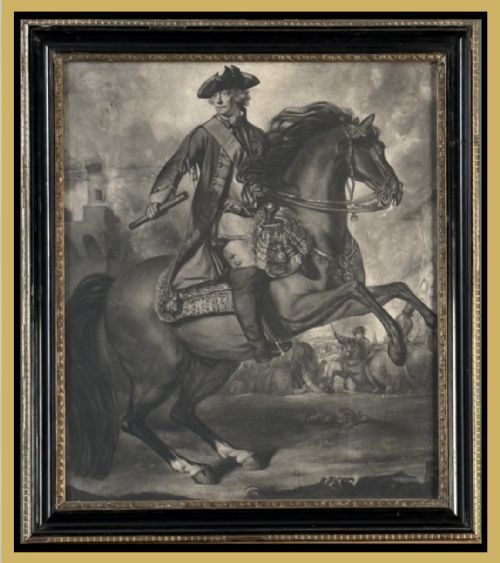
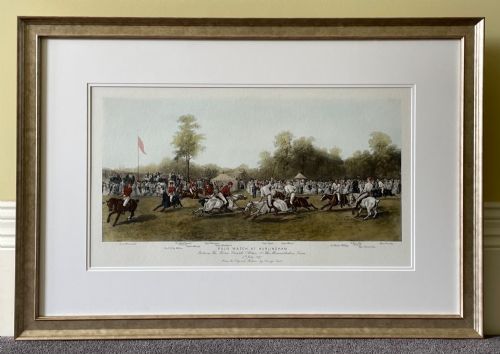
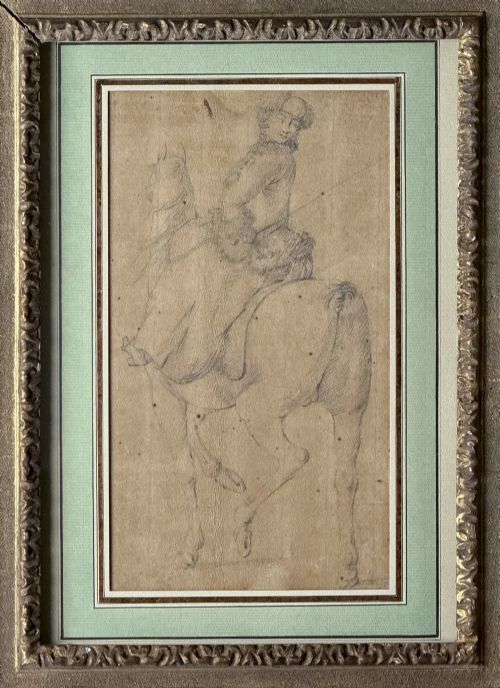
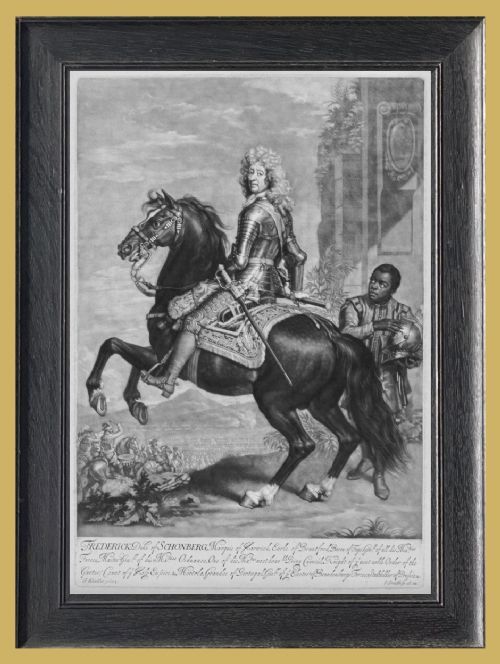
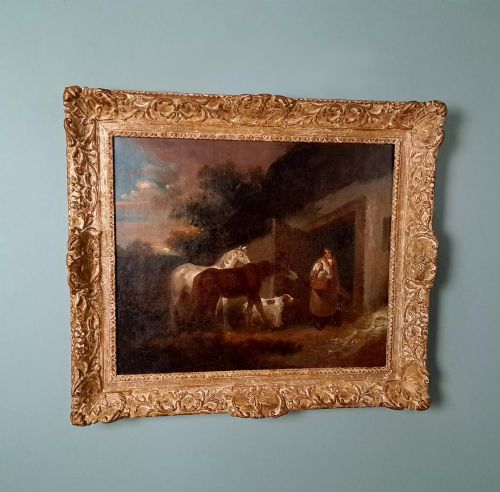
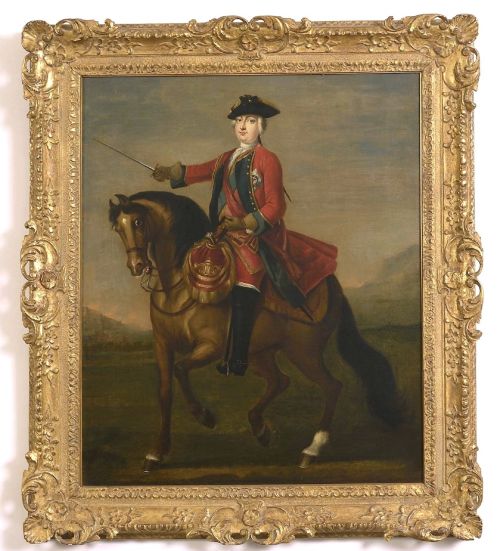
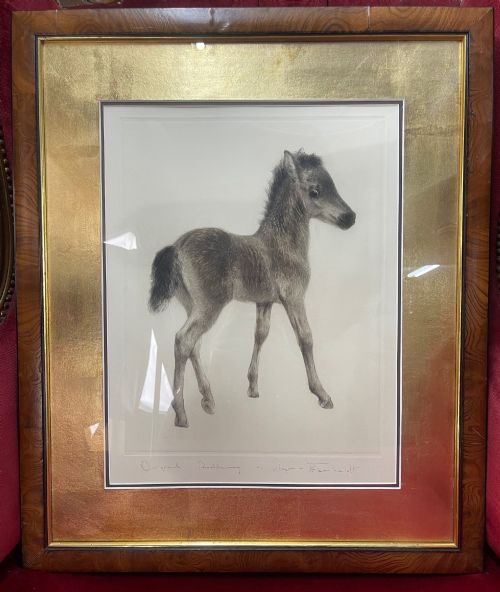
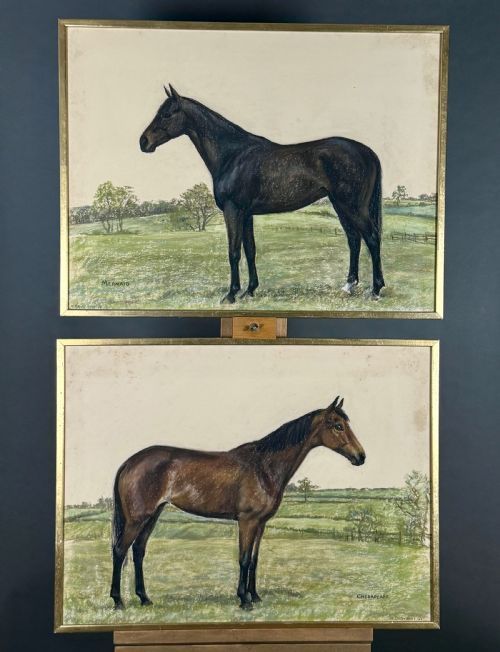
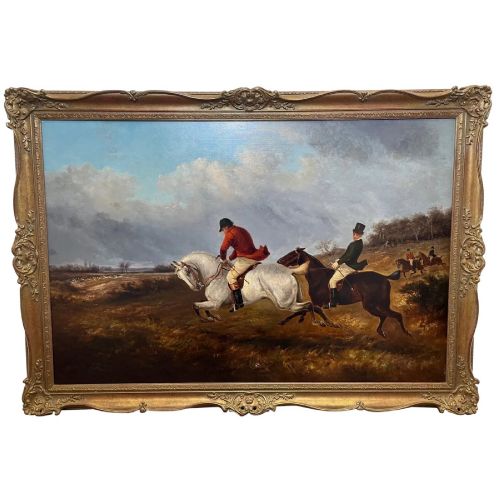
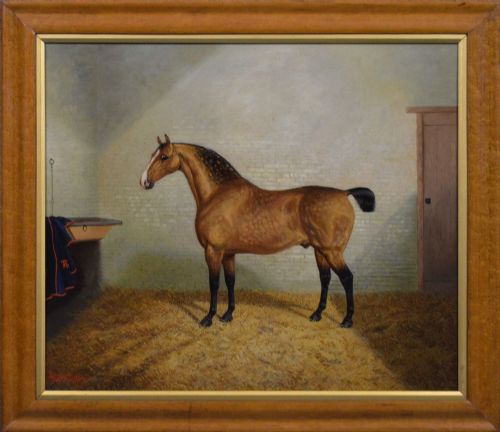
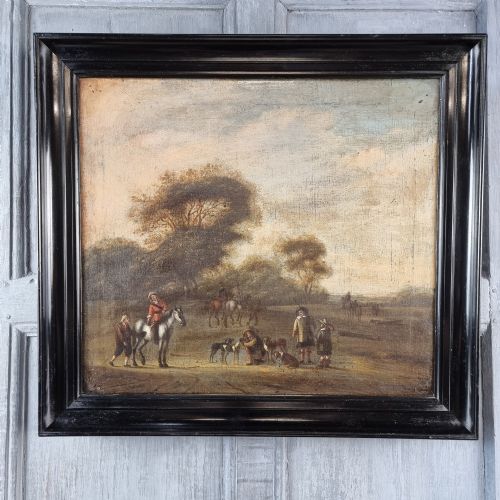
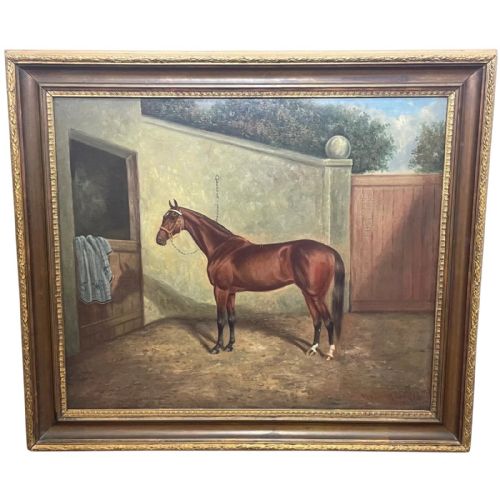
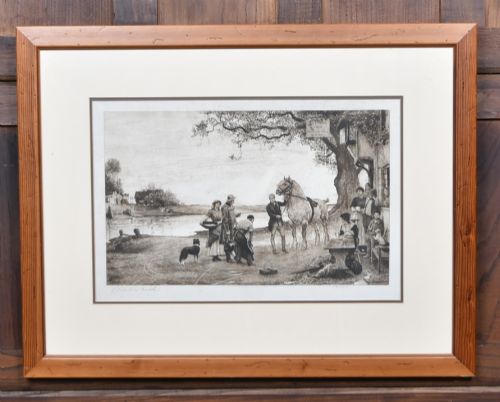
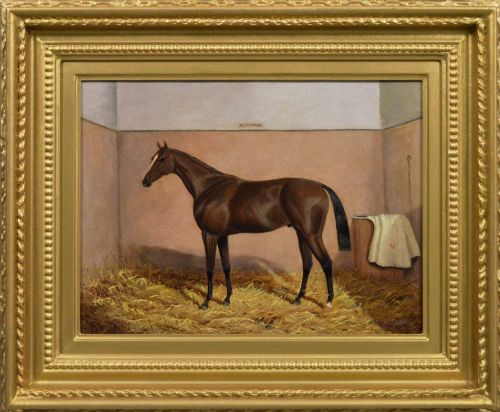
Buyers encountering this search phrase will most frequently find framed prints, lithographs, engravings, and oil paintings on canvas.
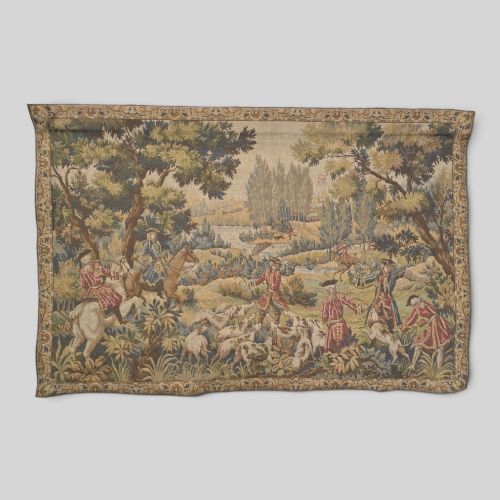
The objects originate from periods spanning the Victorian era through the nineteen thirties, reflecting traditional equestrian styles and nineteenth century British and French aesthetics.
Materials and construction
The physical pieces combine paper, ink, and canvas supported by wood frames and protected beneath glass panes.
Visual techniques include hand coloured engravings, lithographs, and oil paint, occasionally accented with gold leaf.
Retail Price Guide 2026
Typical UK retail prices for framed equestrian art, calculated from the Sellingantiques database of over a million retail prices indexed since 2003. This retail price guide relies exclusively on Sellingantiques data; no external sources or auction records are used, so the figures do not describe the wider market.
Keep an eye out for carpet beaters sharing wall space with racing legends in these quirky vintage prints.
Judging the range
Quality separates by the fidelity of the print medium, the presence of careful hand colouring, and the historical significance of the publisher or artist.
The condition of the paper, the depth of the ink, and the integrity of the original framing materials distinguish finer examples from standard decorative items.
The Framed Equestrian Art Glossary
- Lithograph
- A print made by printing from a stone or a metal plate treated so that ink adheres only to the design. This technique allowed for detailed reproduction of sporting scenes.
- Engraving
- An image cut into a hard plate, which then holds ink for transfer to paper. Hand coloured versions received pigment by brush after printing.
- Hand coloured
- A print finished with watercolour or other pigments applied by hand. This adds individual character and colour to mass produced plates.
- Sporting art
- Artwork depicting field sports, horses, racing, and hounds. It forms a distinct genre within British and French painting and printmaking.
Frequently Asked Questions
What periods do these pieces date from?
The listings span the Victorian era, the nineteenth century, and the early twentieth century.
Specific dates on the pieces range from eighteen twenty one up to nineteen thirty.
How are these artworks framed?
The pieces utilise wood frames to enclose the paper or canvas components.
Glass is commonly incorporated to protect the delicate prints and paintings within.
What mediums were used for these works?
Makers utilised paper, canvas, ink, and oil paint to create the imagery.
Gold leaf and hand colouring also appear on select engraved and lithographic plates.
Who created these equestrian scenes?
Works are attributed to artists and publishers such as Aiken, Victor Adam, and Frank Giggs.
Several pieces also derive from nineteenth century British and French artistic traditions.