





Framed Embroidered Sampler
These framed embroidered sampler pieces are historic textile works that record the patience and skill of young makers centuries ago.
Framed Embroidered Sampler
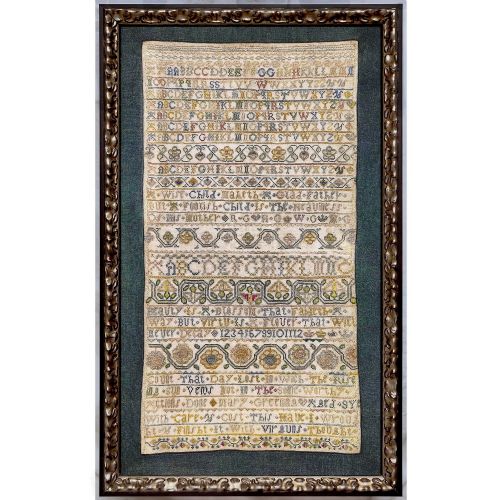
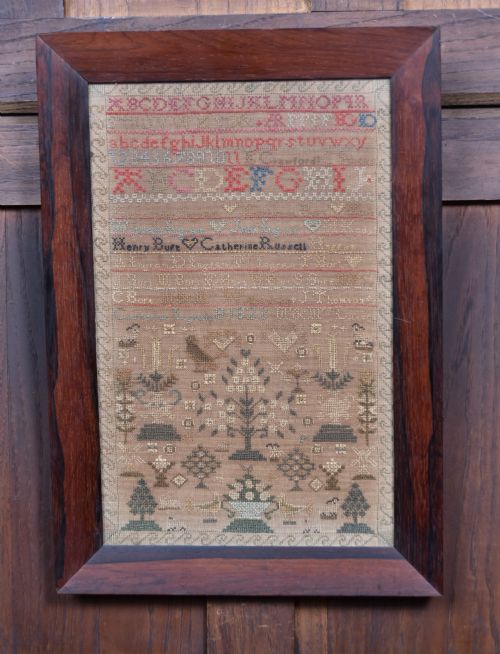
When you search for a framed embroidered sampler, you encounter centuries of textile art created primarily by young girls and school pupils practising stitches, alphabets and numerals. These pieces range from simple band designs to elaborate maps and pictorial scenes.
The examples on this page span several periods, originating in the seventeenth, eighteenth and nineteenth centuries, alongside later folk art interpretations. You will find works bearing the names and ages of makers such as Mary Banion, Mary Greening and Margaret Ann Blackow.
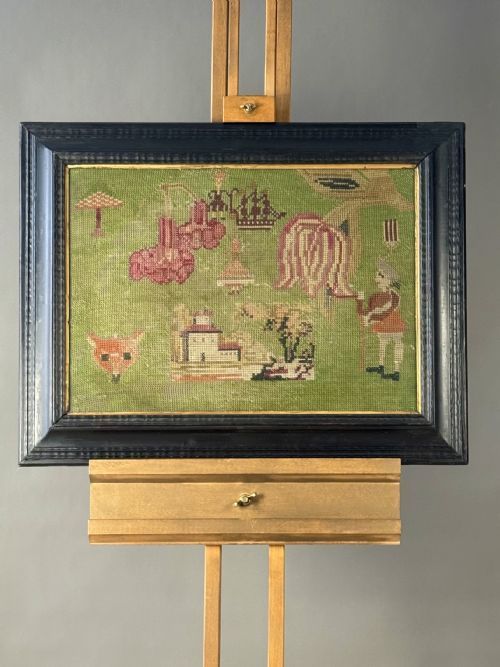
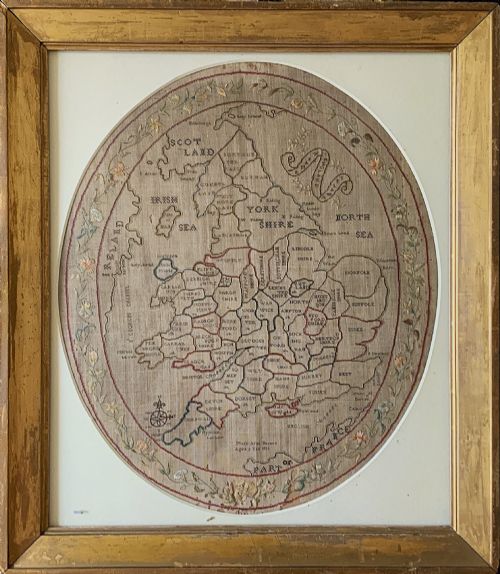
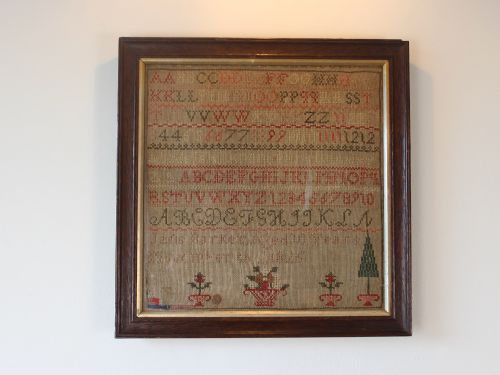
Common formats include traditional alphabet panels, religious texts such as the commandments, cartographic maps of England and Wales, and framed pictorial needlework. Many retain their original wood and glass frames.
How they were made
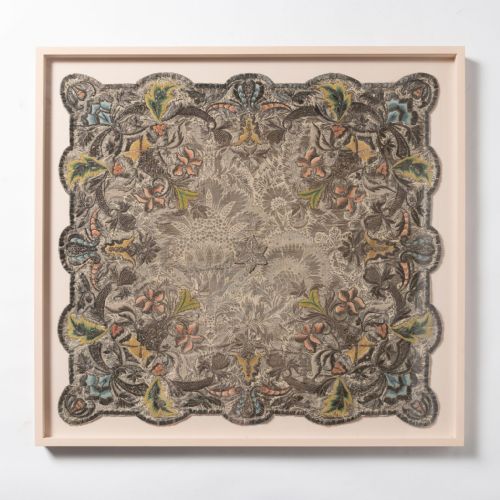
Makers stitched using silk thread, silk floss and wool onto a linen ground fabric, employing a variety of needlework techniques to build up text and imagery. The choice of materials dictated the texture and longevity of the finished panel.
Finished embroideries were stretched and housed behind glass within wooden frames to protect the delicate threads from dust and handling.
Young Mary Banion stitched her map of England and Wales at just nine years old.
What varies in quality
Quality rests upon the precision of the stitching, the complexity of the design and the preservation of the textile and its frame. Elaborate cartographic maps and detailed pictorial scenes demand greater skill than basic alphabet grids.
The inclusion of legible maker details, dates and school names elevates the historical interest of a piece, while original framing helps maintain the integrity of the antique textile.
Mary Banion·Mary Greening·Sarah Baker·Margaret Ann Blackow
The Framed Embroidered Sampler Glossary
- Band sampler
- A long, narrow textile featuring horizontal bands of different embroidery stitches and patterns used by learners to demonstrate their repertoire. These early formats predate the wider square compositions.
- Needlepoint
- Embroidery stitched onto a stiff open-weave canvas ground rather than fine linen. This technique creates a dense surface that covers the backing fabric entirely.
- Alphabet sampler
- A textile exercise focused on lettering and numerals, often accompanied by the maker name and date. They served as both practice pieces and family records.
- Map sampler
- An embroidered cartographic depiction, frequently showing the counties of England and Wales. These demonstrate advanced geography and needlework skills combined.
Framed Embroidered Sampler: Frequently Asked Questions
How old are these samplers?
The pieces span from the late seventeenth century through the Georgian and Victorian eras up to later folk art examples from the twentieth century.
Many bear inscribed dates and the ages of the young makers, allowing collectors to date them precisely.
Were these made by children?
Yes, the majority were worked by young girls and pupils at schools or establishments as part of their education in needlework and literacy.
Inscriptions often record the age of the child, frequently around nine to twelve years old.
How should I display them?
They should be hung out of direct sunlight to prevent the silk and wool threads from fading over time.
Keeping them behind their protective glass in stable room conditions preserves the fragile linen and historic framing.
What subjects do they show?
Common subjects include alphabets, numerals, religious verses, moral quotations and genealogical records of family names.
More ambitious works feature detailed maps of England and Wales or pictorial scenes illustrating stories.