


Framed Cut Paper Artwork
Framed cut paper artwork captures delicate silhouettes and intricate papercraft scenes, offering a tangible link to historical portraiture and narrative design.
Framed Cut Paper Artwork
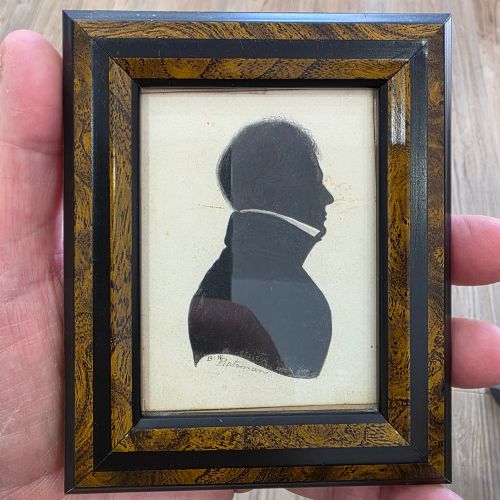
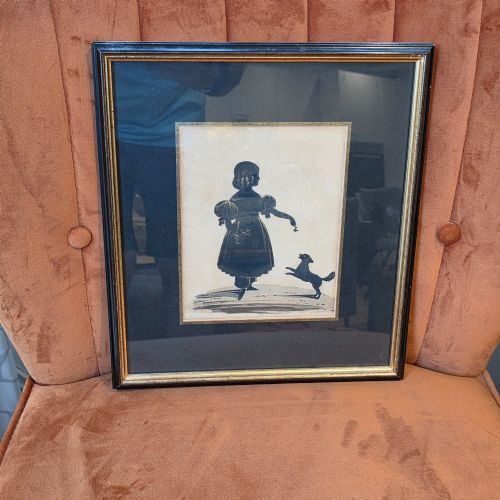
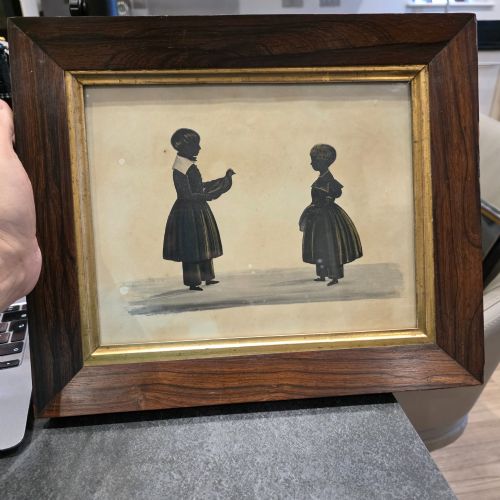
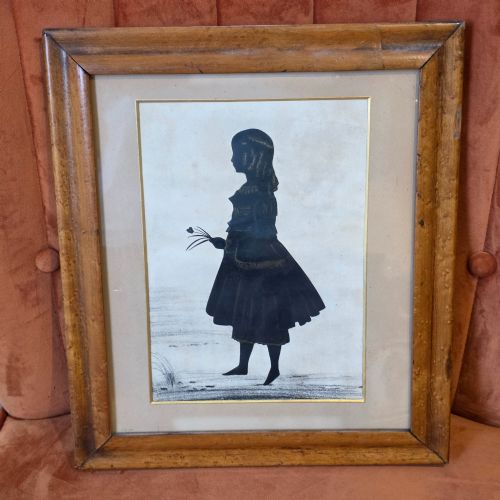
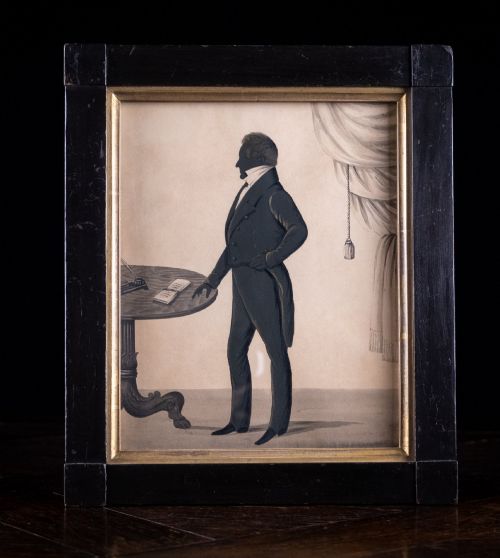
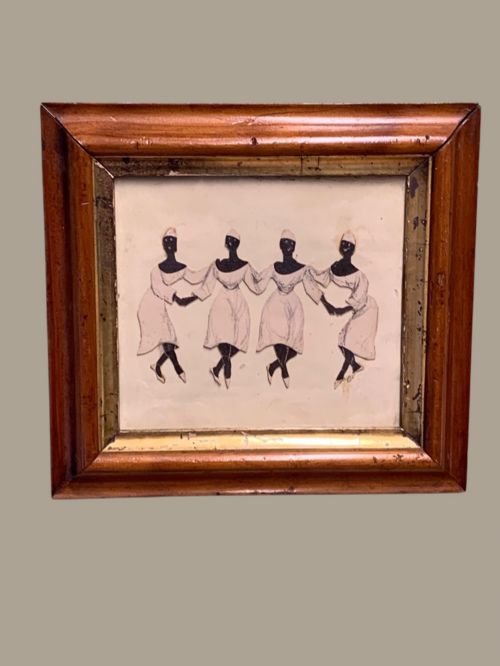
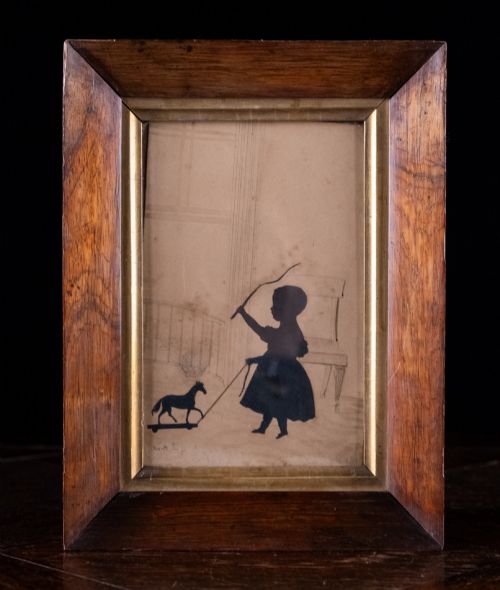
Framed cut paper artwork encompasses precision-cut silhouettes, decorative paper collages, and detailed silhouette portraits preserved beneath glass. These pieces range from intimate portrayals of gentlemen and children to elaborate conversation pieces depicting multiple figures and animals.
The selections span distinct historical periods, with a strong representation of nineteenth-century works alongside eighteenth-century miniatures and twentieth-century examples. Forms vary from simple profile studies to complex scenes incorporating watercolour and gold leaf within period wood frames.
How they were made
Artisans utilised fine paper, card, and cardstock, cutting delicate shapes by hand using specialised blades or scissors. Many works incorporate ink, watercolour, and gold leaf to add depth, detail, and highlights to the primary paper elements.
The finished paperworks are housed within protective enclosures utilising wood frames, glass, and brass fixtures, often backed with paper or card to preserve the fragile mediums from environmental damage.
Listings feature paper, glass, wood, ink, gold leaf, brass, watercolour, and gilt across works dated from the eighteenth to the twentieth century.
What varies in quality
The standard of execution separates simple cutouts from masterworks, evident in the precision of the scissor work, the fineness of anatomical detail, and the successful integration of watercolour or ink embellishments. Compositional complexity, such as multi-figure conversation pieces or detailed landscape backgrounds, also distinguishes finer examples.
The preservation and originality of the framing contribute significantly to the character of each piece. Original glass, period wood frames such as maple or gilded mouldings, and documented attribution to known silhouette artists elevate the standing of the work.
William James Hubard·Augustin Edouart·Frederick Frith·Alfred Darbyshire
The Framed Cut Paper Artwork Glossary
- Silhouette
- A solid shape representing an outline, usually a profile portrait filled in with a dark colour. This form originated long before photography as an accessible method of likeness.
- Conversation piece
- An informal group portrait depicting family members or acquaintances engaged in a common activity. These multi-figure scenes often include pets or domestic settings.
- Gilt
- A thin layer of gold applied to wood, metal, or paper surfaces. It frequently highlights frames or accents the details within silhouette portraits.
Framed Cut Paper Artwork: Frequently Asked Questions
How should I hang these pieces?
Keep them away from direct sunlight to prevent the fading of delicate paper, watercolours, and ink. Stable indoor humidity protects the paper fibres and the wooden frames.
Use secure wall fixings suited to the weight of the wood and glass housing, ensuring the artwork hangs level and safe.
How do I identify nineteenth-century pieces?
Look at the framing materials, paper texture, and cutting style typical of the period. Nineteenth-century works often feature distinctive profile cuts of gentlemen, ladies, and children, sometimes signed by known artists or galleries.
Backings, handwritten notes, and original glass pane characteristics provide further clues to the date of creation.
Are silhouettes hand-cut?
Traditional silhouettes from these periods were cut by hand from black paper using scissors or small blades. Artists developed immense dexterity to capture accurate likenesses swiftly.
Some examples include added details in ink or watercolour, distinguishing bespoke portraiture from later commercial production.