


Antique Profile Portrait Picture
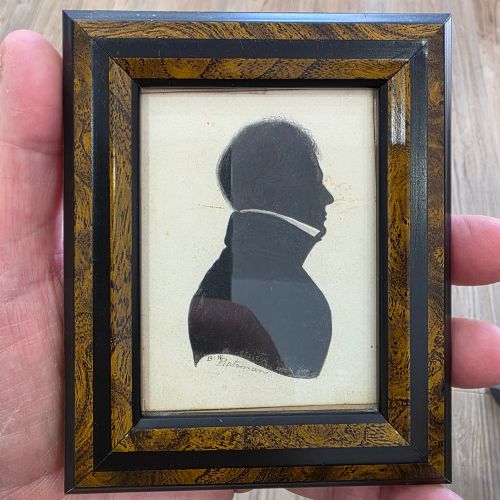
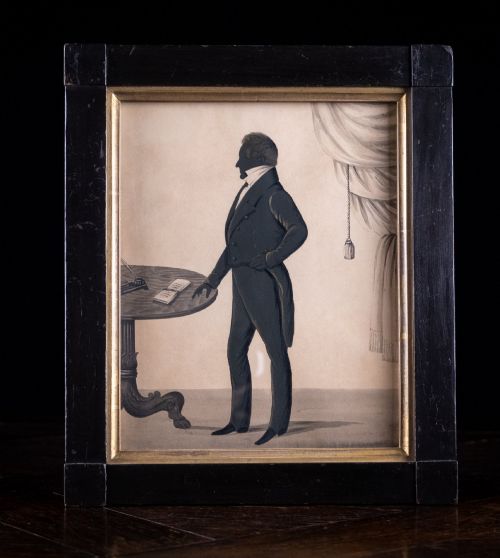
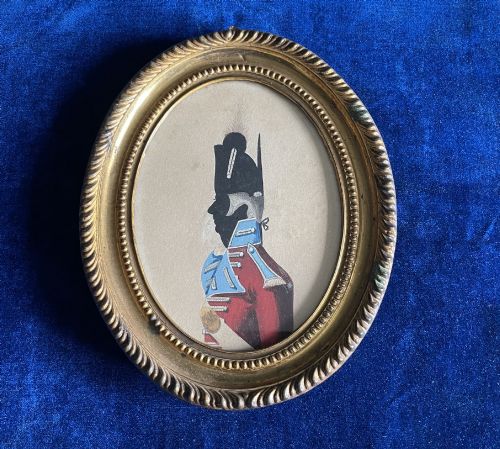
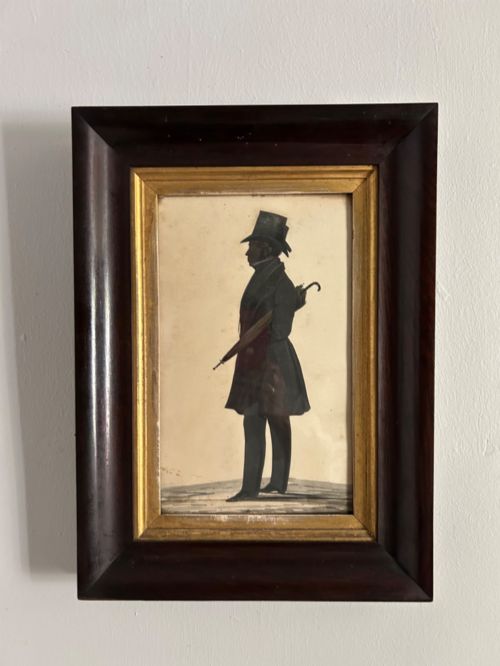
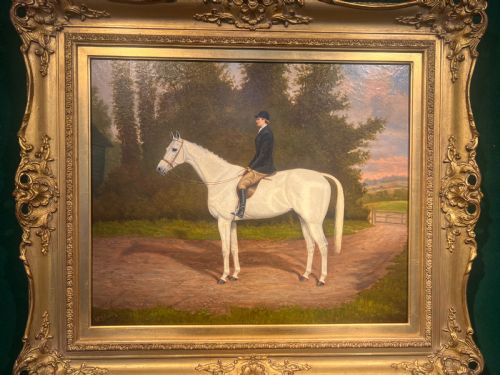
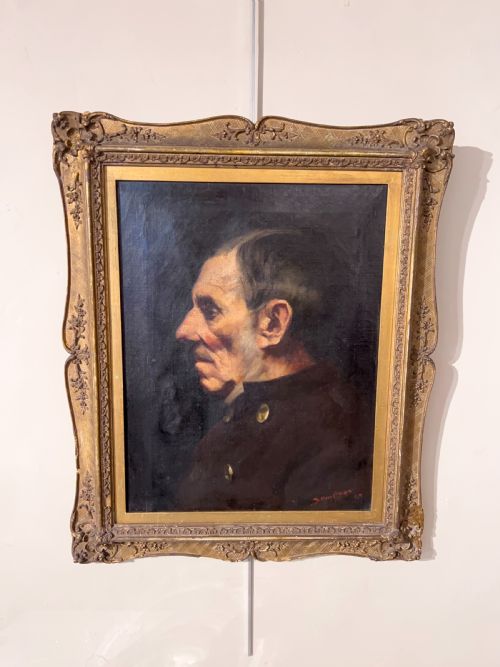
An antique profile portrait picture captures the likeness of a sitter in silhouette or monochrome, offering an intimate glimpse into past lives.
Antique Profile Portrait Picture
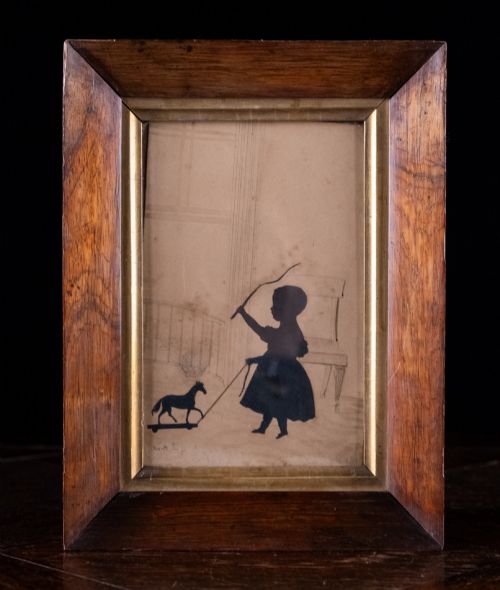
The silhouettes and profile drawings found here are most commonly framed in rosewood, maple, or deep giltwood. Such pieces range from single bust portraits to complex conversation pieces depicting multiple figures and animals.
Materials and Construction
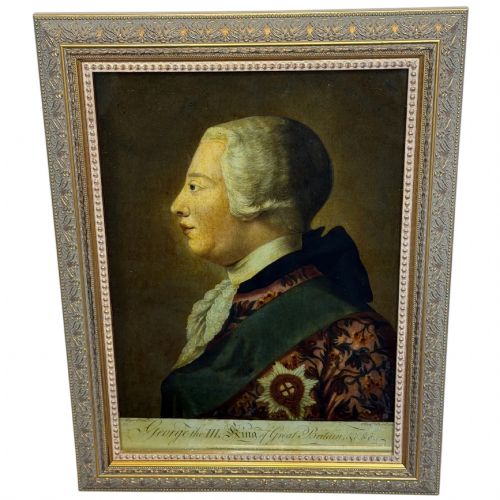
Artists created these profile portraits using ink, paper, charcoal, and oil paint, frequently applying gold leaf or delicate gilding to accentuate collars and dress. Reverse painted mezzotints on glass also appear among the selection.
The supporting structures rely on traditional timber framing, utilising wood, brass, and giltwood. Protective glass covers the paper and card surfaces to prevent fading and moisture damage.
Listings feature 18th Century, Regency, and Victorian periods, utilising materials such as glass, paper, ink, wood, brass, giltwood, gold leaf, and oil paint.
Assessing the Workmanship
Quality rests upon the precision of the cutting or brushwork, where master profileists captured accurate likenesses and costume details without preliminary sketches. Enhanced skill shows in the subtlety of gilded highlights and the crispness of silhouette edges.
Bateman·Augustin Edouart·Richard Purcell·Bertram Priestman·Hubard Gallery·J. Deacon·John Miers
The Antique Profile Portrait Picture Glossary
- Silhouette
- A portrait represented as a solid shape of a single colour, usually black, showing the profile of the subject. This form gained immense popularity in the eighteenth and nineteenth centuries before the widespread use of photography.
- Conversation Piece
- An informal group portrait, often in silhouette, showing figures engaged in common domestic activities or outdoor scenes. These compositions tell a narrative story about the family or group depicted.
- Reverse Painted Mezzotint
- An image applied directly to the underside of glass, combining printmaking techniques with hand painting. This method produces a luminous finish that protects the pigments from environmental wear.
- Giltwood
- Wood that has been coated with a thin layer of gold leaf or gilt powder. It provides a bright, reflective border for many fine profile portraits.
Antique Profile Portrait Picture: Frequently Asked Questions
How are profile silhouettes dated?
Dating relies heavily on the style of dress, hair, and bonnet depicted in the portrait. Framing materials and paper types also provide reliable clues to the era.
Inscribed signatures or handwritten notes on the reverse of the frame often confirm the exact year and the sitter's identity.
Were these portraits meant for wall hanging?
Most framed silhouettes and small profile paintings were designed to hang on parlour and drawing room walls. Groupings of several frames created an ancestral gallery effect.
Some smaller miniatures were kept in travelling cases or placed on mantelpieces.
How should I care for paper silhouettes?
Keep profile portraits away from direct sunlight to prevent the black paper or ink from fading. Stable indoor humidity protects both the paper and the wooden frame.
Avoid hanging them on damp exterior walls.
What is a hollow-cut silhouette?
A hollow-cut silhouette is formed by cutting the portrait out of a white sheet of paper, which was then laid over a dark background fabric or paper. This technique created a crisp, three-dimensional shadow effect.
Artists often added delicate ink details by hand once the cutting was complete.