


Framed Countryside Landscape
Framed countryside landscape works capture rural life and scenery, offering buyers a window into historic fields, rivers, and woodlands.
Framed Countryside Landscape
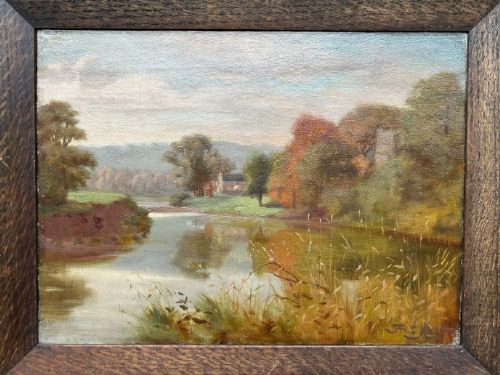
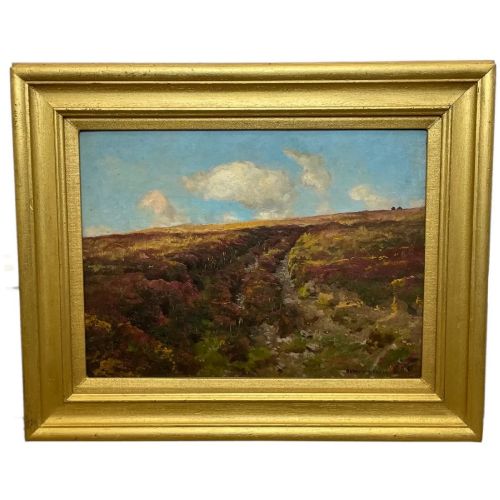
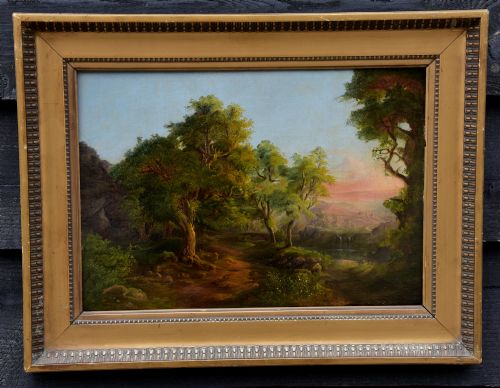
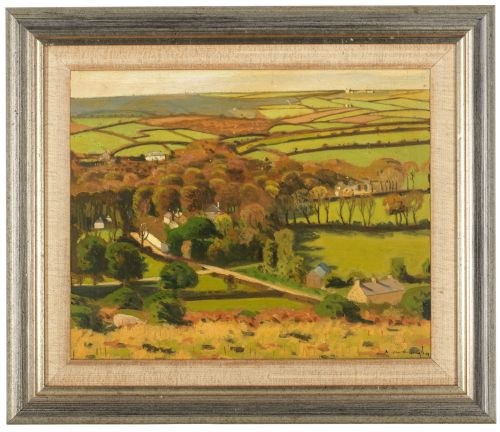
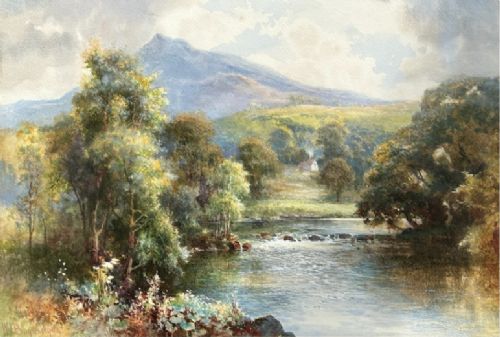
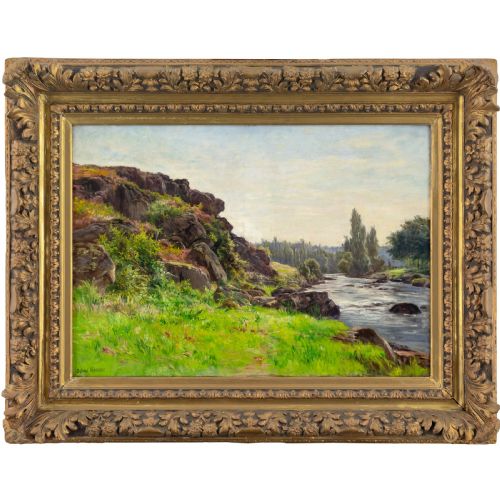
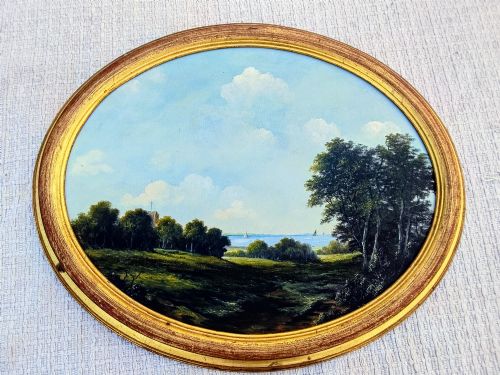
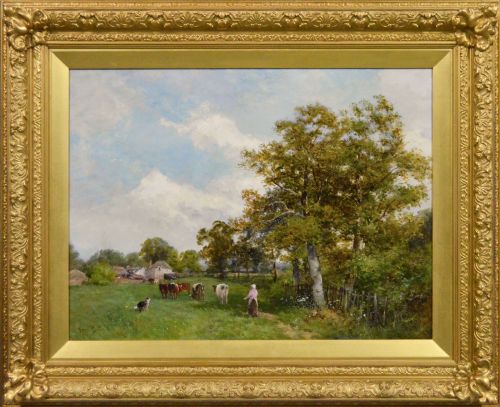
A framed countryside landscape brings historic rural views into domestic spaces through painted depictions of fields, rivers, and woodlands. These works span multiple decades and centuries, reflecting changing artistic interpretations of British and European terrain.
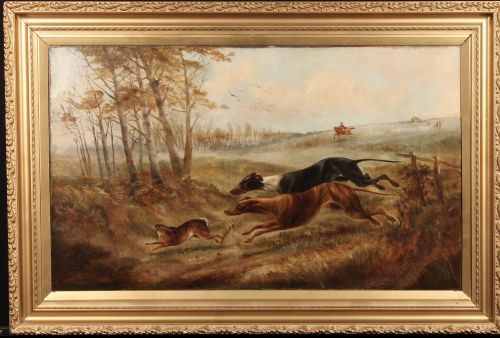
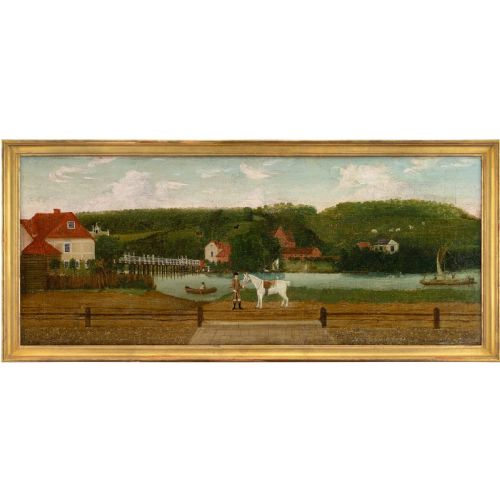
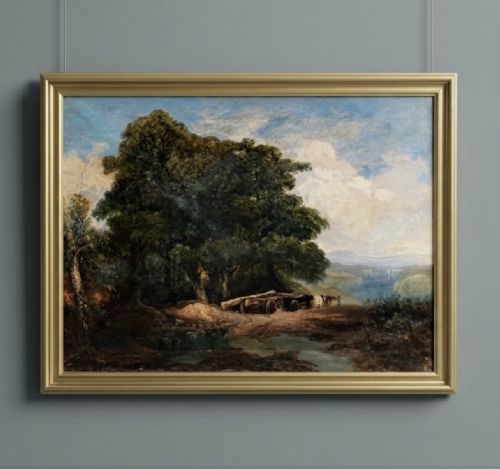
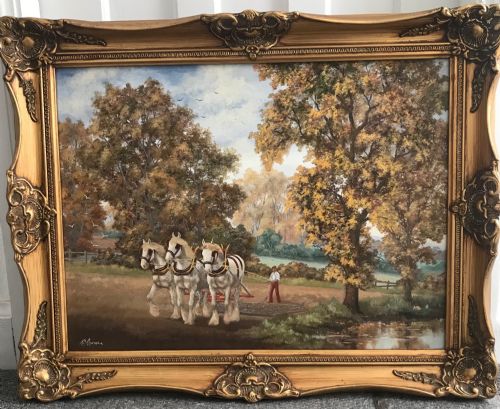
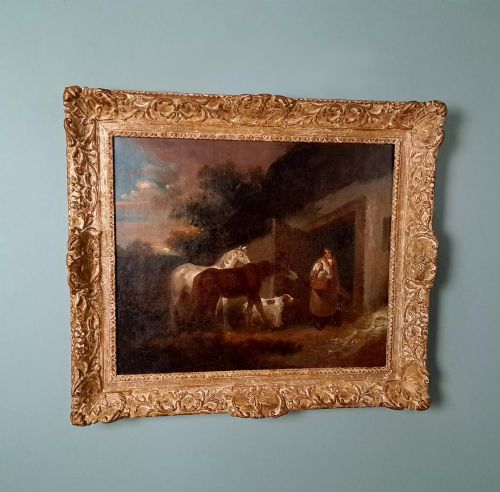
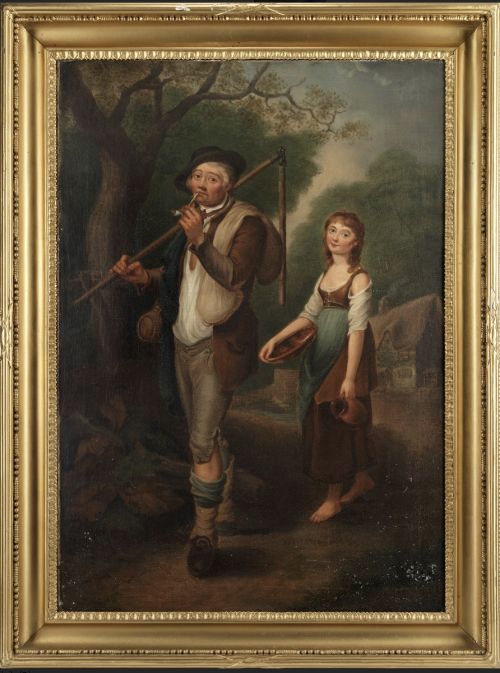
Buyers frequently encounter nineteenth-century canvases alongside early twentieth-century examples, showing pastoral scenes rendered with varying degrees of realism and Impressionist influence. Common subjects include rivers, farmworkers, livestock, and woodland paths.
The selection ranges from detailed nineteenth-century oil paintings to delicate watercolours and later twentieth-century interpretations. Each piece retains its original framing context, preserving the complete presentation intended by the artist or period.
Materials and Technique
Artists painted primarily with oil paint on canvas, panel, or board, building up rich textures and deep tones. Watercolours on paper offer a lighter, more translucent alternative, often framed beneath protective glass.
Wood serves as the primary material for the accompanying frames, providing structural support and aesthetic enclosure. Canvases are stretched across wooden frames before mounting, while panels offer a rigid support for detailed brushwork.
The inventory spans Victorian, Edwardian, British Impressionist, and Post-Impressionist styles.
Assessing Quality
Quality rests in the handling of light, perspective, and brushwork, where confident execution distinguishes accomplished artists from lesser hands. Superior compositions capture atmospheric depth and natural movement rather than relying on rigid formulas.
The preservation of the paint surface and the integrity of the original support dictate the enduring merit of a piece. Well-maintained canvases and stable pigments retain their visual impact without excessive darkening or destabilisation.
Richard Sebastian Bond·William H Myers·George Graham·Frederick Marriott·Arthur Wardle·William Joseph Shayer Senior·Robert Morson Hughes·William Joseph Boyes·Gabriel Mathieu·David Bates·Muriel Metcalfe·Lucy Pratt·Raymond Booth·Harald Foss·Eric Brown·Henri Ottmann·Richard Redgrave·Ernest Higgins Rigg·George Oyston·John Bond·Rene Levrel·Vernon DeBeauvoir Ward·Florence Adelina Hess·Frederick Hines
The Framed Countryside Landscape Glossary
- Oil on Canvas
- Pigment mixed with drying oil applied to a stretched fabric support. This technique allows for rich colour blending and textured brushwork.
- Watercolour
- Pigment suspended in a water-based solution applied to paper. It produces translucent washes and delicate tonal shifts.
- British Impressionism
- A late nineteenth and early twentieth-century painting style focusing on light and everyday subjects. Artists working in this manner prioritised loose brushstrokes over rigid academic precision.
- Oil on Panel
- Pigment applied to a flat wooden board rather than fabric. This rigid support provides a smooth surface for detailed observation.
Framed Countryside Landscape: Frequently Asked Questions
What periods do these landscapes cover?
The selections span from the nineteenth century through the mid-twentieth century, encompassing Victorian, Edwardian, and later modern movements.
Each era brings distinct stylistic approaches to rural subjects, moving from detailed realism towards looser Impressionist interpretations.
How should I care for an oil painting?
Keep paintings away from direct sunlight and dramatic fluctuations in temperature and humidity to protect the canvas and pigments.
Dust the surface gently with a soft, dry brush and avoid applying moisture or cleaning agents directly to the paint.
Are watercolours framed differently from oils?
Watercolours require glass protection and mounts to prevent the paper from touching the glazing. Oil paintings on canvas generally remain open to the air within their wooden frames.
What subjects appear most frequently?
Woodland paths, rivers, agricultural workers, and livestock dominate the rural scenes. Coastal views and mountain landscapes also feature among the pastoral compositions.