
Framed Cottage Artwork
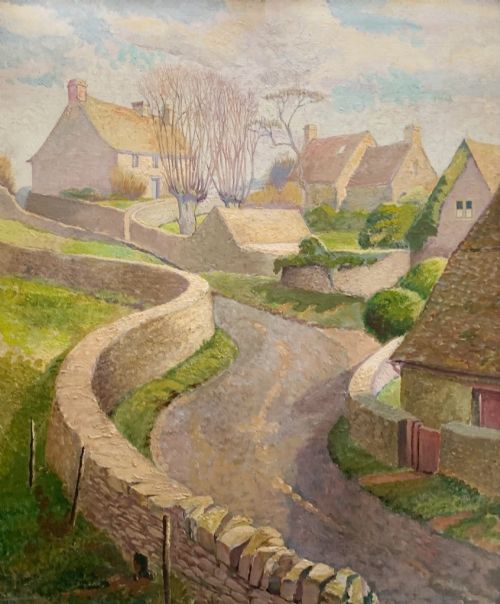
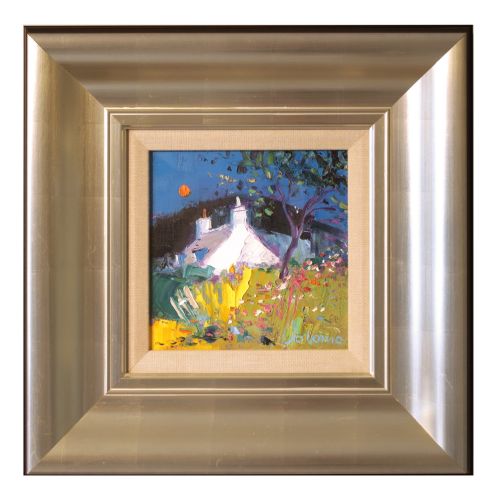
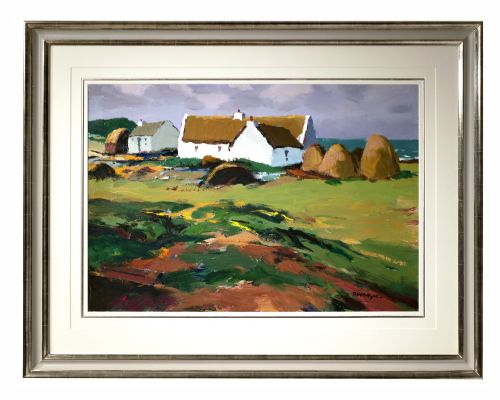
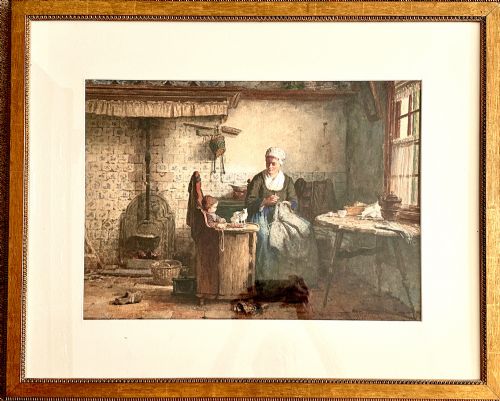
Framed cottage artwork captures rural life through oils, watercolours, and lithographs set within timber and gesso frames from the nineteenth century onwards.
Framed Cottage Artwork
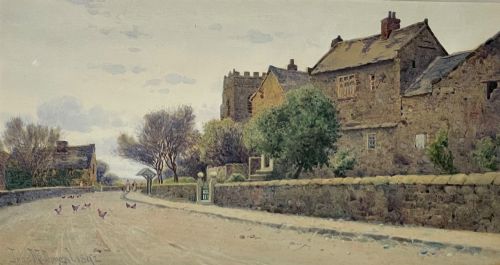
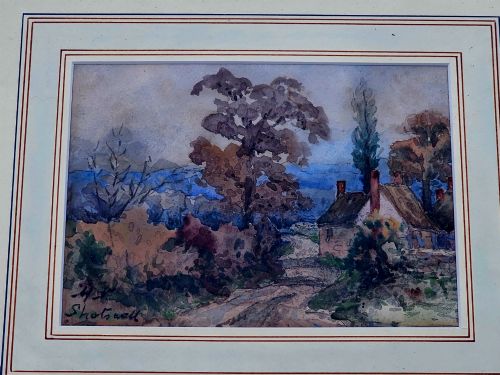
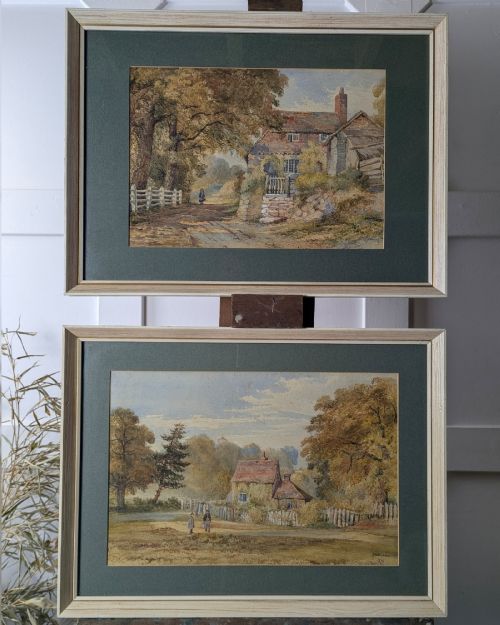
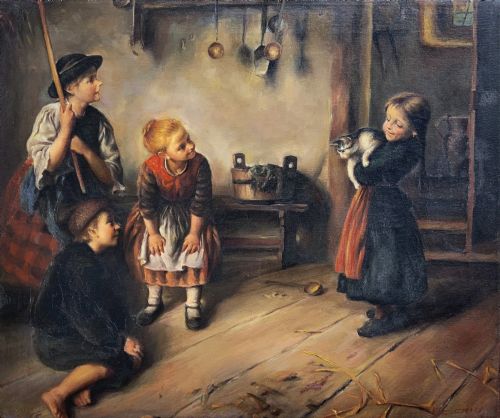
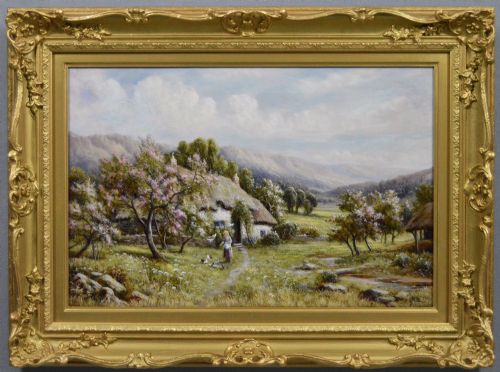
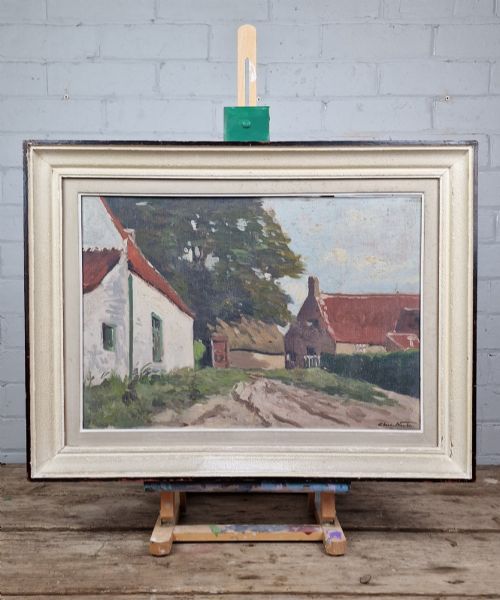
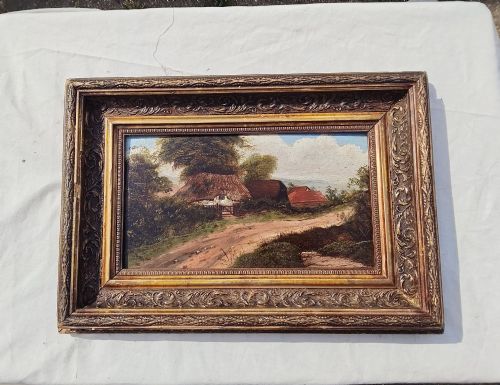
Buyers seeking framed cottage artwork encounter historic depictions of rural buildings, farmyards, and rustic domestic scenes. These pieces capture quiet country life through the eyes of artists working across the Victorian era into the mid-twentieth century.
The selections on this page lean heavily toward nineteenth-century works and early twentieth-century examples. Most items present traditional British or European country scenes rendered on canvas, panel, card, or paper.
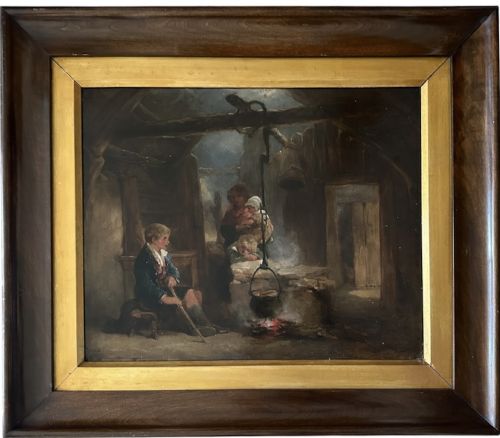
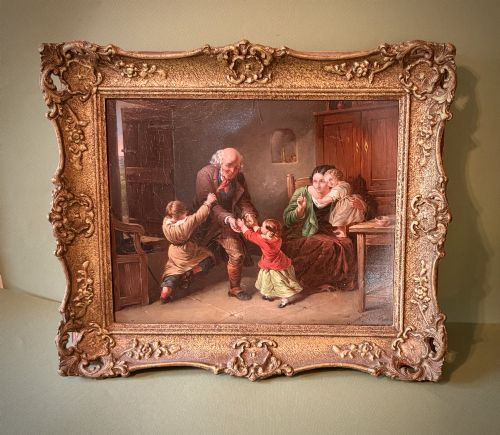
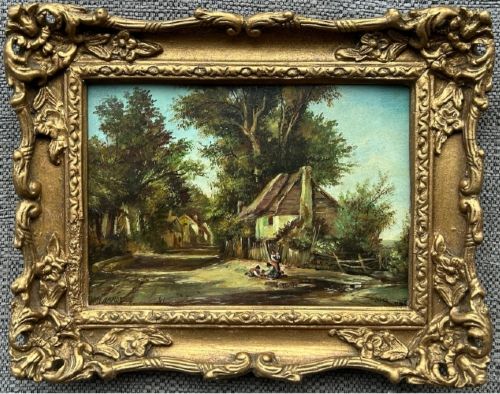
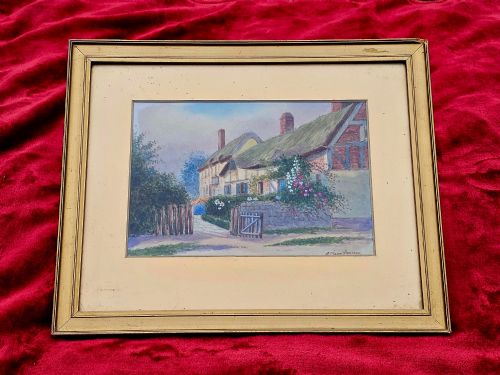
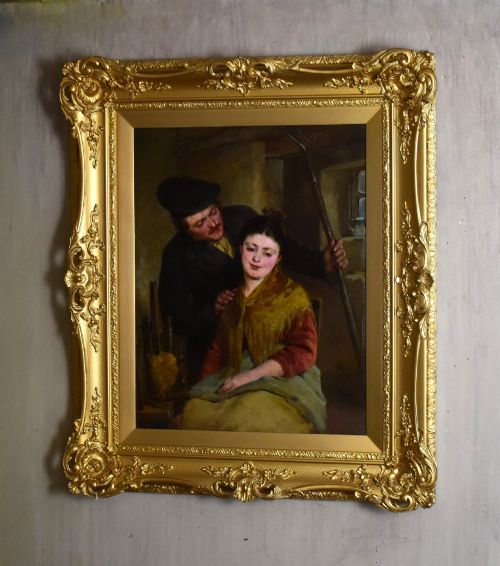
Framed cottage artwork bridges landscape painting and genre scenes, frequently featuring figures outside thatched dwellings, riverbanks, and pastoral farmyards. The survival of period frames often matches the vintage of the artwork itself, maintaining a cohesive presentation.
How They Were Made
Makers utilised traditional supports including stretched canvas, wooden panels, heavy card, and rag paper. Pigments were applied as oil paint or watercolour, sometimes finished with protective glass inside timber and gesso mouldings.
Surviving frames often feature moulded wood and applied gesso ornamentation, frequently finished in gilt or painted tones. These housings were constructed to protect delicate paper and canvas surfaces from environmental wear.
The available listings span materials from oil on canvas and panel to watercolour on paper, housed within timber and gesso frames.
What Varies in Quality
Quality rests upon the confidence of the brushwork and the structural stability of the support and frame. Stronger examples display deliberate control over light, atmosphere, and architectural perspective rather than mechanical repetition.
The integration between the painting and its period frame influences the overall integrity of the piece. Well-matched mouldings complement the artistic period without obscuring the composition.
William Howard Hardy·A. Marie Parsons·John McDougal·Robert A. Nottingham·Robert John Hammond·Charles Houben·Howard Helmick·John Lowrie Morrison·Donald McIntyre·Hendrik Valkenberg·Jacob Akkersdijk·Percy Lancaster·George Morland·Charles Edward Wilson·Harry Brooker·Alexander Rosell·Mario Pinetti·Haynes King·Fred Lawson·James Kyd·J S Ainley·William Hoggatt·James Hardy Junior·Frederick James Knowles·George Smith
The Framed Cottage Artwork Glossary
- Genre painting
- Depictions of everyday life and ordinary people engaged in domestic activities. These scenes frequently focus on cottage interiors and rural households.
- Gesso
- A plaster-like mixture applied to wooden frame mouldings as a base for gilding or painting. It provides a smooth surface for ornamental detailing.
- Panel
- A rigid flat wooden support used by artists in place of canvas. Panels offer a stable surface for detailed oil painting.
- Lithograph
- A print produced through a planographic process from a stone or metal plate. These reproductions often recorded popular painted works for broader distribution.
Framed Cottage Artwork: Frequently Asked Questions
What periods do these artworks cover?
The listings span from the nineteenth century through the early twentieth century and into the mid-twentieth century. Victorian examples sit alongside Edwardian and post-impressionist creations.
Different decades brought shifts in palette and painting technique while maintaining a steady focus on rural subjects.
How do oils and watercolours differ?
Oil paintings utilise pigment suspended in drying oil on canvas, panel, or card, offering rich texture and depth. Watercolours apply gum-based pigments onto paper, producing lighter translucent effects.
Both mediums required protective framing under glass or exposed surface varnish depending on the support.
Are the frames original to the pieces?
Many items retain their period wooden and gesso frames, which often date to the same era as the artwork. Gilding and decorative mouldings on these housings reflect nineteenth and early twentieth-century design.
Matching frames preserve the historical context of the display.
Where were these cottage scenes painted?
Artists recorded rural views across Britain, Ireland, and continental locations such as France, Belgium, and the Netherlands. Subjects include named villages, riverbanks, and imaginative pastoral compositions.
Local topography informed the distinct architecture of the cottages depicted.