

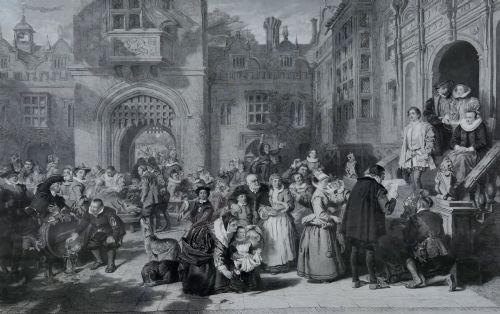
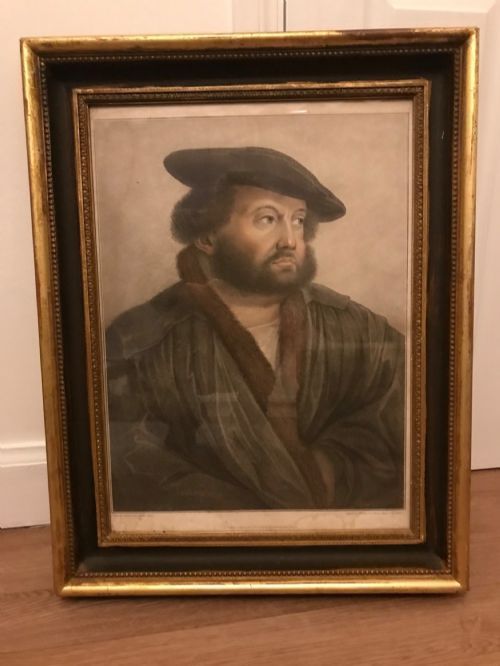
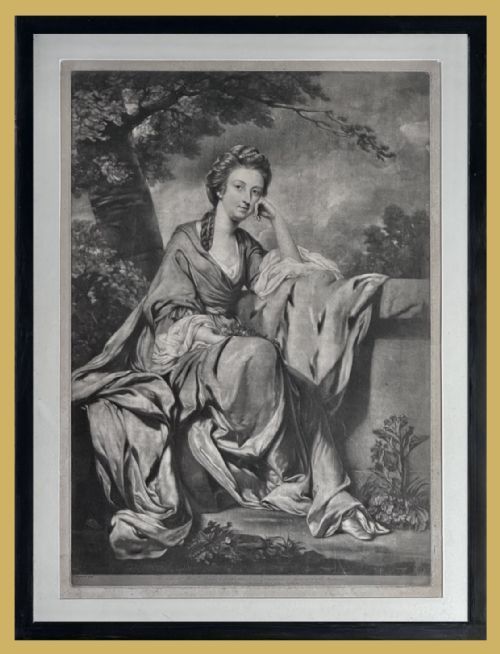
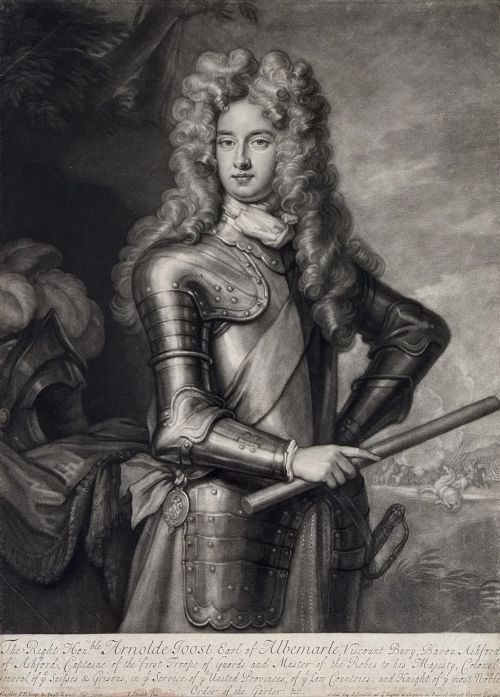
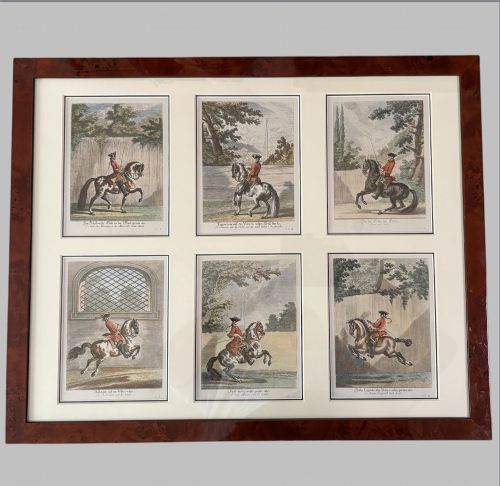
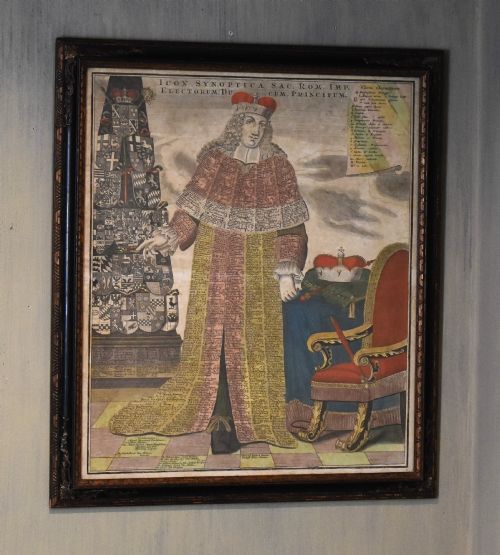
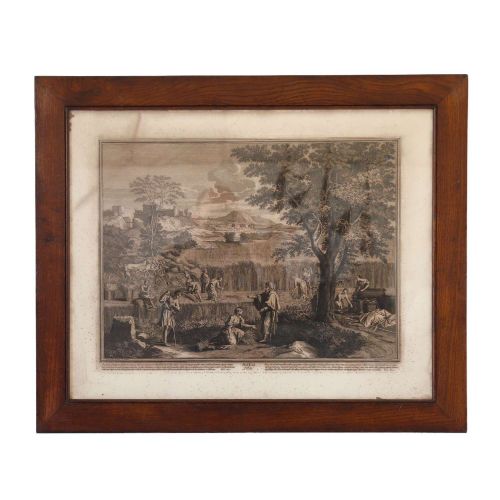
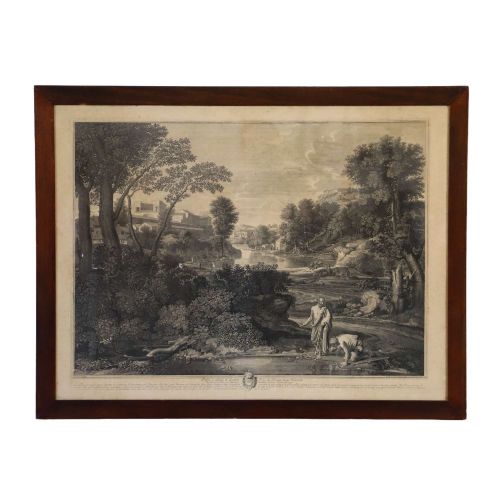
Framed Copperplate Etching
When you search for framed copperplate etching, you are looking at printed works pulled from metal plates and set behind glass.
Framed Copperplate Etching
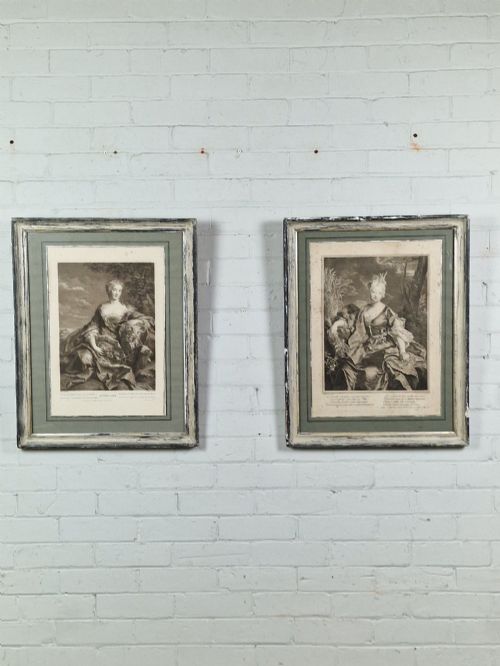
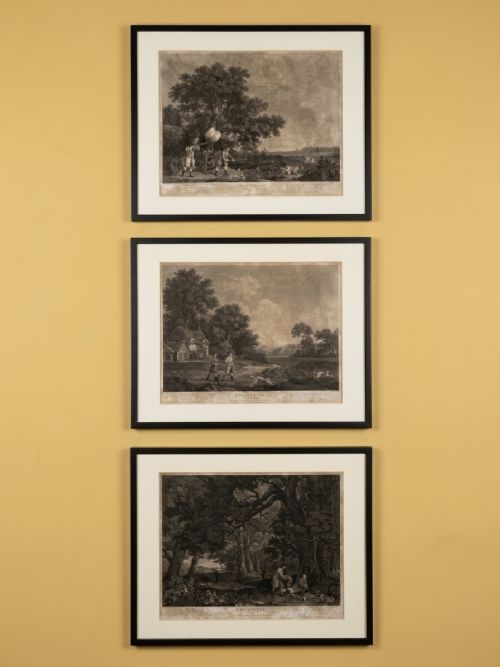
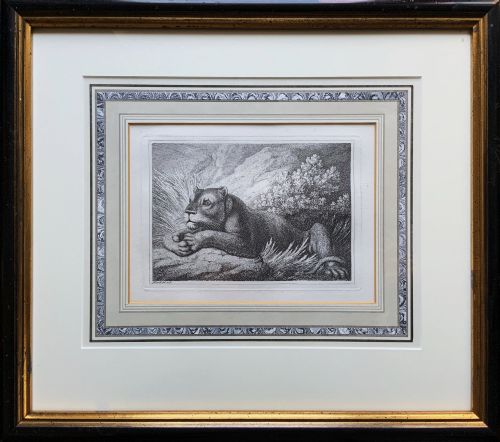
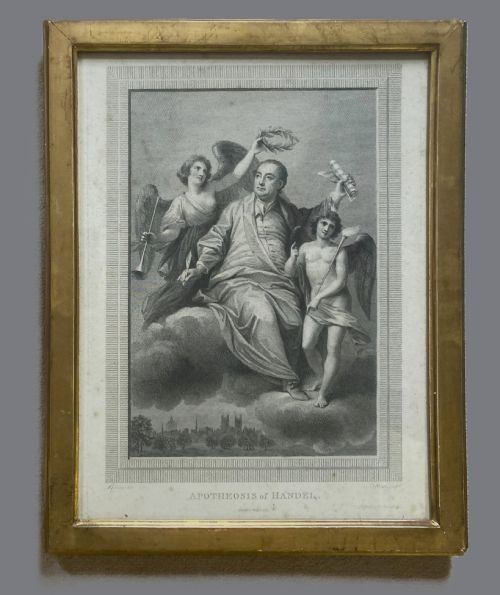
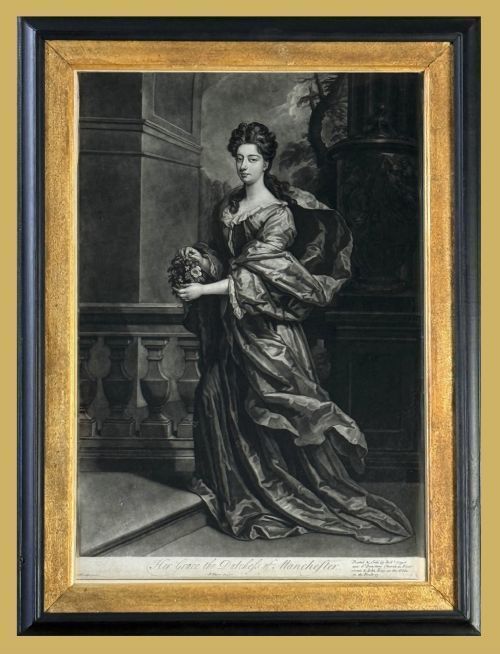
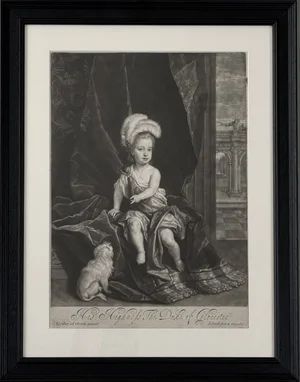
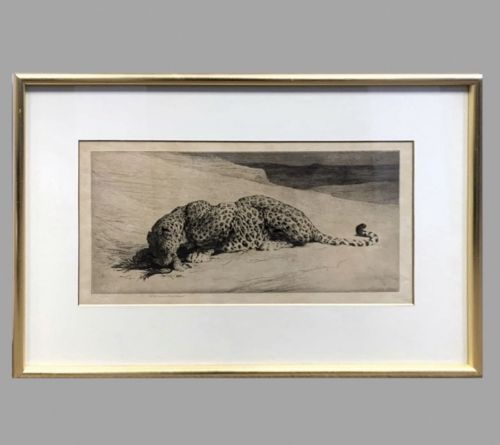
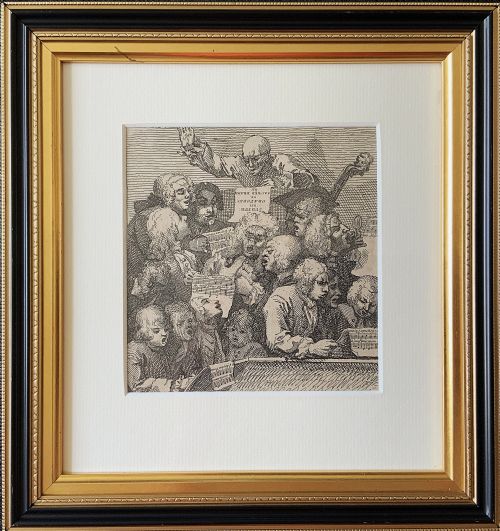
A framed copperplate etching brings together centuries of printmaking traditions, stretching from the seventeenth century through to the twentieth century. These works capture everything from classical portraits and architectural elevations to hunting scenes and dramatic narratives.
Most pieces encountered on this page originate in the eighteenth and nineteenth centuries, reflecting Georgian and Victorian aesthetic tastes. They take the form of individual framed prints, pairs, and larger uniform sets designed for wall display.
Subjects range widely across European art history, including religious scenes, mythological tableaus, and topographical views from the Grand Tour. Buyers select them for their historical depth and the crisp linearity inherent in metal plate printing.
How They Were Made
Makers produced these works by incising lines into copper plates, either directly with a sharp tool or by biting the metal with acid through a protective ground. Printers then applied ink to the recessed grooves, wiping the surface clean before running the plate and damp paper through a heavy press.
Many sheets received subsequent hand colouring in watercolours or tints to enhance the visual impact of the composition. Finished prints were secured within period surrounds made from wood, maple, or gilt wood, often protected by old glass.
Framed Copperplate Etching Retail Price Guide 2026
Typical asking prices for framed copperplate etching among the pieces listed under this phrase on Sellingantiques today, from the lower quarter to the upper quarter. They describe what is for sale here now, not the wider market.
Listings span the seventeenth to the twentieth centuries, featuring paper, glass, wood, ink, gold leaf, gilt wood, maple, and watercolour.
What Varies in Quality
The clarity of the impression dictates much of the visual success, as plates worn down from numerous printings yield softer, less defined lines than early strikes. Crisp contrasts between shadow and highlight separate the finer pulls from later, more sluggish editions.
The integrity of the original framing elements contributes significantly to the character of the piece, with period Hogarth frames and untouched backing materials holding greater contextual weight. Preservation of margins around the printed plate mark also influences the overall standing of the work.
John Smith·Sir Godfrey Kneller·Edward Fisher·Sir Joshua Reynolds·Francesco Bartolozzi·James Heath·John Faber Jr·Herbert Dicksee·Étienne Baudet·William Hogarth·Antonio Capellan·Alessandro Mocchetti·James Basire
The Framed Copperplate Etching Glossary
- Copperplate etching
- A printmaking technique where an artist draws through an acid-resistant ground on a copper sheet before acid bites the exposed lines. The resulting plate holds ink for transfer onto paper under pressure.
- Mezzotint
- A tonal printmaking method where the metal plate is roughened uniformly to produce dark areas, then scraped and burnished to create lighter passages. This process allows for subtle gradations of shadow and light.
- Stipple engraving
- A method of creating images on metal using fine dots rather than continuous lines, often employed to render soft flesh tones and painterly textures. It achieved immense popularity during the eighteenth century for portraiture.
- Plate mark
- The indentation left in the paper by the outer edges of the metal plate during the printing process. Its presence confirms the use of an intaglio printing plate rather than a surface reproduction.
- Hogarth frame
- A narrow, moulded wooden frame, often finished with gilt or dark lacquer, characteristic of eighteenth-century English framing styles. These mouldings frequently accompany period prints and mirrors.
Framed Copperplate Etching: Frequently Asked Questions
How do I identify an original etching?
Original intaglio prints display a distinct plate mark where the metal edge pressed into the damp paper during printing. Under magnification, the ink lines sit slightly raised above the paper surface rather than appearing flat.
Older impressions often show minor paper ageing, characteristic plate wear, and watermark details specific to the period of manufacture. Modern reproductions lack this tactile depth and historical substrate.
Can I hang these prints in sunlight?
Direct sunlight causes significant fading to both the paper support and any historic hand-applied watercolours. Ultraviolet rays break down organic pigments and weaken the paper fibres over time.
Position these framed works away from south-facing windows and consider specialist UV-filtering glass if placement in a bright room is unavoidable.
How should I care for old frames?
Historic timber and gilt frames require minimal intervention, needing only gentle dusting with a dry, soft brush. Avoid using liquid cleaners, polishes, or modern cloths that might strip original surface patination.
Keep them in stable environmental conditions away from radiators and damp walls to prevent wood shrinkage, cracking, or glue failure in the mitre joints.
What is the difference between an etching and an engraving?
An engraver cuts lines directly into the metal plate using a sharp steel tool called a burin, requiring considerable physical force. An etcher uses acid to bite the lines into the metal through a protective wax coating.
Etchings typically display freer, more painterly lines with rounded edges, whereas engravings exhibit crisp, precise, and tapering strokes.