
Framed Classical Prints
Framed classical prints capture centuries of artistic heritage, offering timeless portraiture and mythological scenes preserved beneath protective glass.
Framed Classical Prints
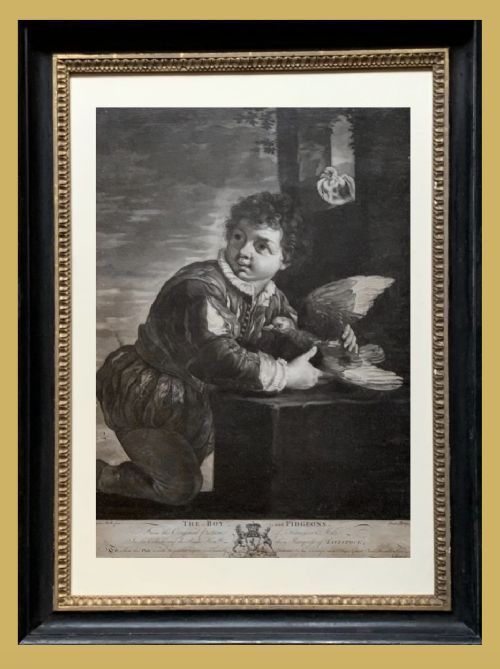
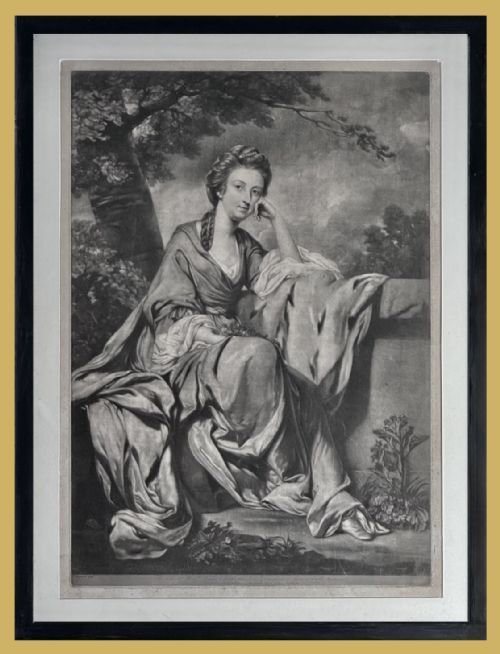
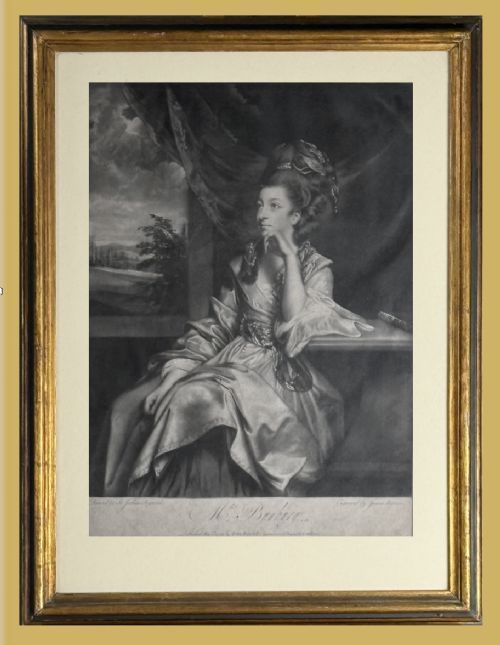
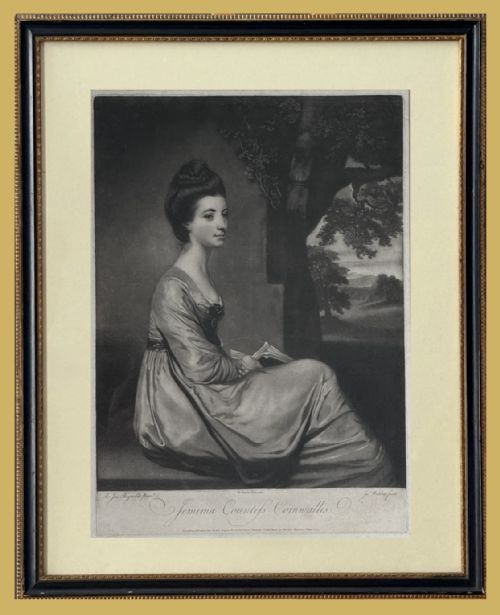
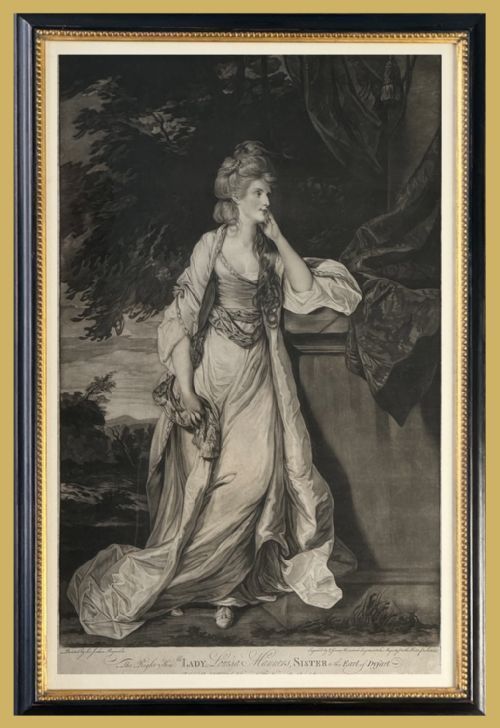
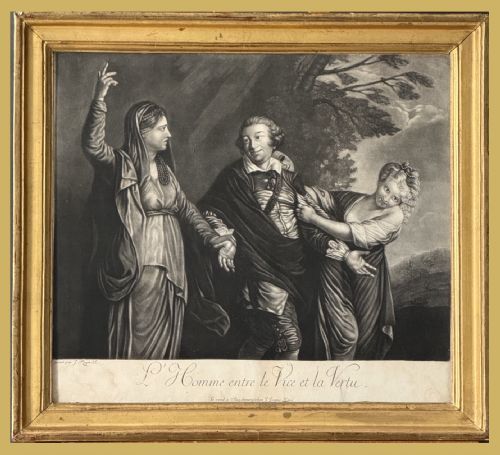
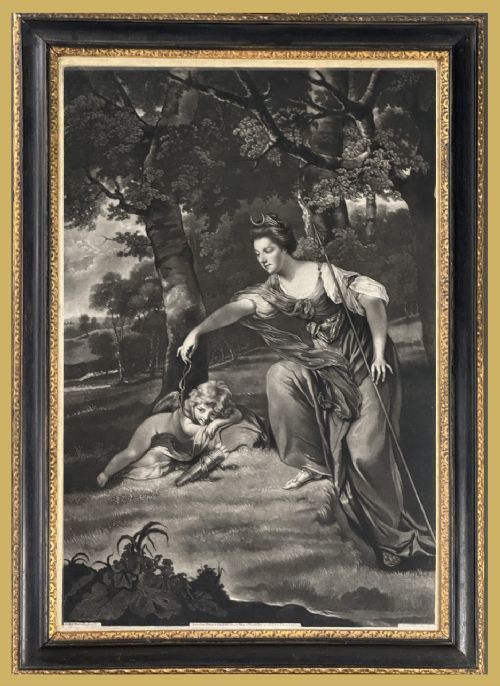
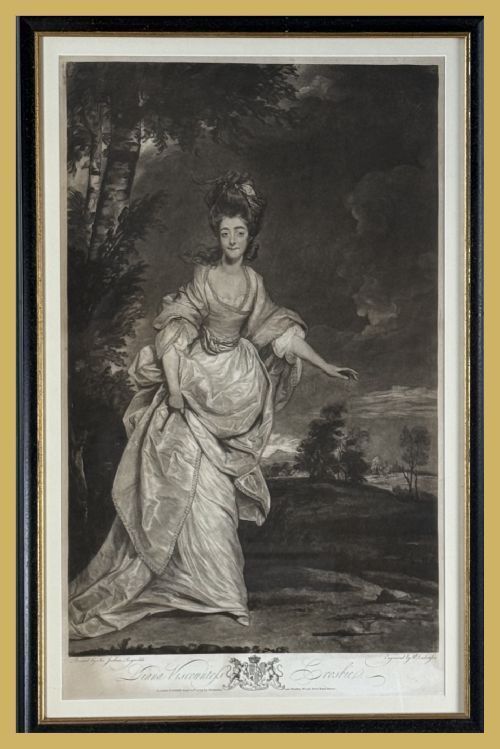
Framed classical prints present historical imagery, traditional portraiture and mythological subjects preserved behind glass within protective wooden and gilt frames. These works bridge centuries of artistic tradition, drawing upon the aesthetics of the Renaissance, Baroque and Neoclassical periods.
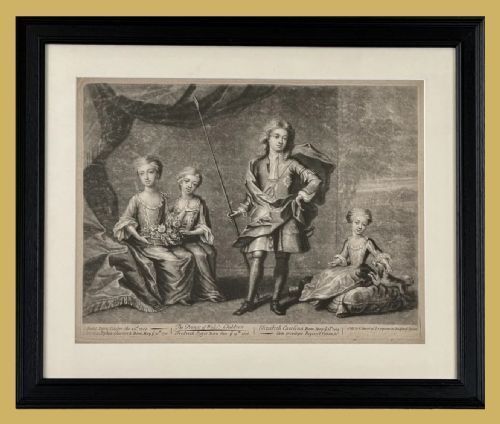
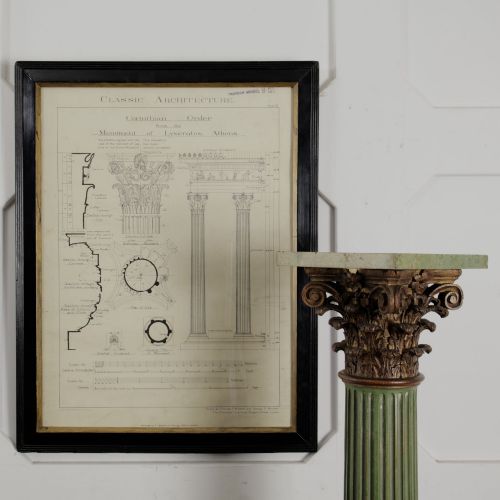
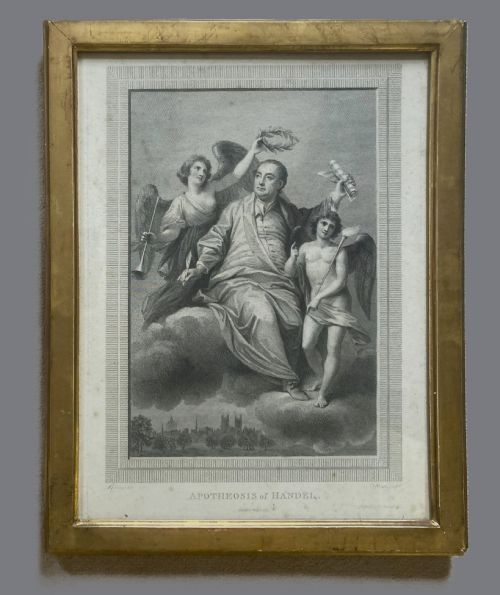
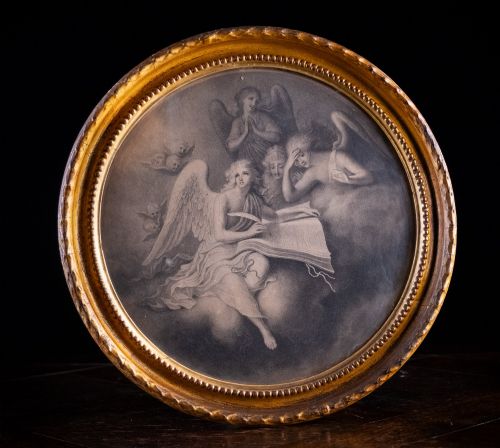
The selections available here range widely across centuries, incorporating eighteenth-century mezzotints, nineteenth-century engravings and mid-twentieth-century oleographs. Common subjects include stately portraits of nobility, allegorical scenes of cupids and angels, and architectural plates detailing classical orders.
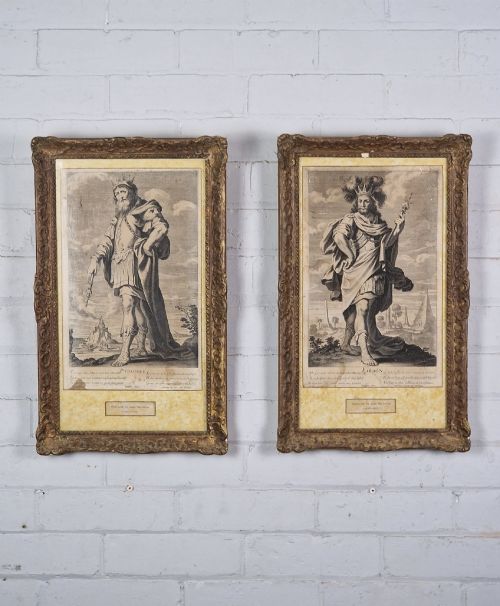
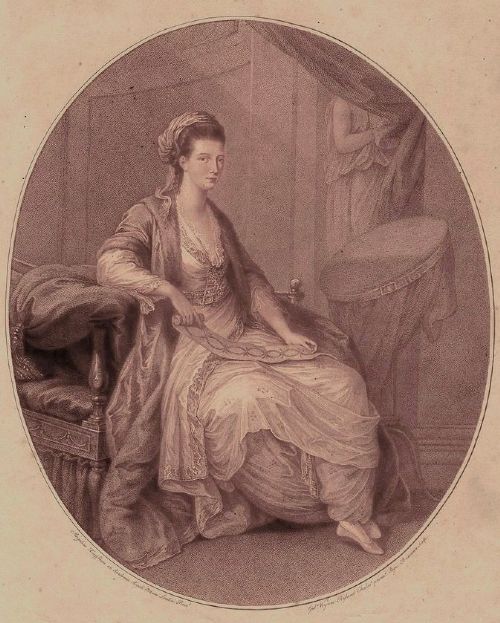
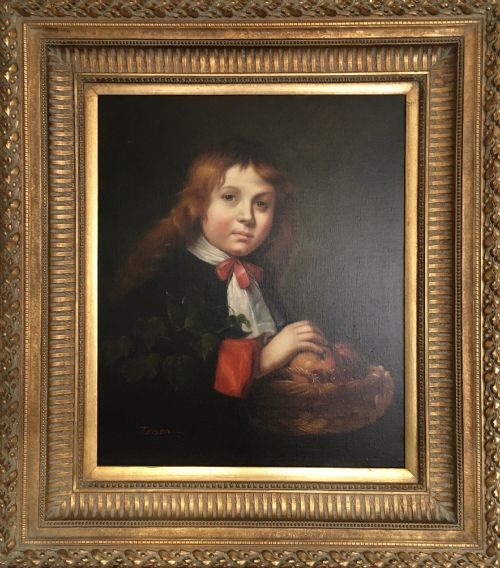
Buyers encounter numerous variations in execution, from detailed copperplate engravings and delicate stipple works to richly textured oleographs and ink washes on paper and canvas. Each piece relies on traditional framing methods, often retaining period wood or gilt leaf surrounds that complement the artwork within.
Technique and Materials
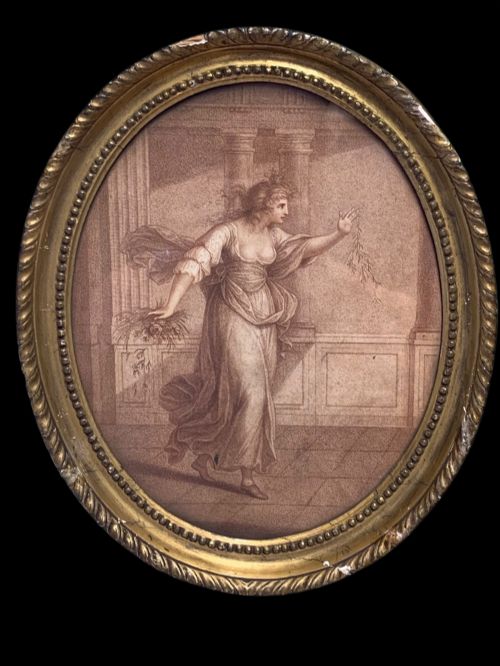
Printmakers and artists utilised specialised techniques such as mezzotint, copperplate engraving and stipple engraving to transfer intricate compositions onto high-quality paper. These methods required meticulous hand-working of metal plates to achieve subtle gradations of tone and line before pulling the final impressions.
Finished prints were frequently enhanced with hand colouring using watercolour or ink washes, bringing vibrancy to botanical studies, equestrian plates and allegorical compositions. Later iterations incorporated canvas supports and oleograph printing to emulate the rich textures of oil paintings.
Protective framing employed seasoned wood, frequently finished with gold leaf or gilt wood moulding, secured alongside glass to shield the paper from environmental degradation. These frames often utilised period joinery methods appropriate to the century of creation.
Several eighteenth-century portraits capture aristocratic subjects gazing firmly past the viewer, seemingly unimpressed by modern interior design choices.
Assessing Quality
Quality rests significantly upon the crispness of the impression and the depth achieved by the printmaker during the transfer from plate to paper. Early impressions taken from freshly worked copper plates exhibit a sharpness of line and richness of tone that later printings gradually lose.
The integrity and originality of the surrounding frame contribute substantially to the overall standing of the piece. Period frames featuring original gilt leaf and traditional joinery elevate the presentation, maintaining the historical context established by the artwork inside.
The expertise involved in hand colouring and the preservation of the paper substrate dictate longevity and visual impact. Well-maintained sheets retaining clear margins and stable pigments represent the pinnacle of traditional print production.
John Boydell·Edward Fisher·Jean Mariette·James Watson·Valentine Green·Jiohan Elis Haid·W Dickinson·James Heath·Adam Buck·Étienne Baudet·Robert Sayer
The Framed Classical Prints Glossary
- Mezzotint
- A printmaking process where the copper plate is roughened uniformly to produce rich dark tones, and scraped to create highlights. This tonal method allows for smooth gradations particularly suited to portraiture.
- Engraving
- A technique where an artist cuts lines directly into a metal plate with a sharp tool called a burin. The resulting incisions hold ink to produce sharp, precise lines upon paper.
- Oleograph
- A mechanical colour lithograph produced on canvas to imitate an oil painting, often featuring textured varnish finishes. These developed popularity in the nineteenth and twentieth centuries as accessible decorative art.
- Stipple
- An engraving method utilising dots of varying density rather than continuous lines to create subtle tonal shifts and flesh tones. It gained prominence during the eighteenth century for delicate figural compositions.
- Gilt Wood
- Wood carved and coated with a thin layer of gold leaf or metallic powder, providing a luminous decorative border. This finish is characteristic of classical frames across the Georgian and Victorian eras.
Framed Classical Prints: Frequently Asked Questions
How should I clean the glass on a framed print?
Use a soft microfibre cloth lightly dampened with water or a mild glass cleaner applied directly to the cloth rather than the frame. Avoid spraying liquid near the wooden edges or older paper margins to prevent moisture damage.
Keep harsh chemical solvents away from the antique wood and gilt surfaces. Gentle wiping preserves both the historic frame finish and the clarity of the protective glass.
Are these pieces original antiques?
The selections encompass genuine period works spanning the seventeenth through to the twentieth centuries, alongside mid-century decorative oleographs. Each listing specifies the manufacturing period and medium used in creation.
Reviewing individual details clarifies whether a piece is an eighteenth-century copperplate impression or a later twentieth-century interpretation. This historical distinction guides both collectors and interior decorators.
How do I hang a heavy gilt-framed print safely?
Utilise professional picture-hanging hardware rated to support the combined weight of the timber frame, glass, and paper substrate. Secure fixings directly into wall studs or employ appropriate masonry anchors depending on the wall construction.
Avoid relying on lightweight picture wire unless the original framing structure specifically requires it and remains entirely secure. Proper weight distribution prevents strain on antique joinery.
What lighting is best for displaying classical prints?
Position prints away from direct, harsh sunlight to prevent the fading of printing inks, hand-colouring washes, and paper degradation over time. Controlled ambient lighting or UV-filtering glass helps protect delicate pigments.
Adjustable picture lights mounted above the frame highlight the tonal depths of mezzotints and engravings without exposing the paper to excessive heat. This balance protects the artwork while enhancing its visual appeal.