
Framed Classical Portrait
A framed classical portrait captures historical subjects and mythological figures through traditional painting, engraving, and drawing methods.
Framed Classical Portrait
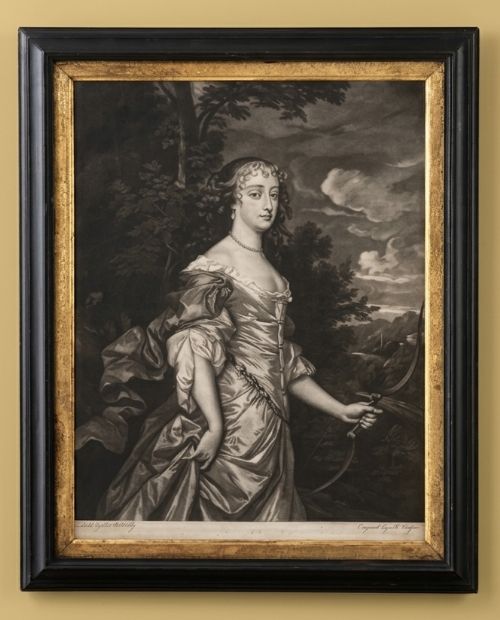
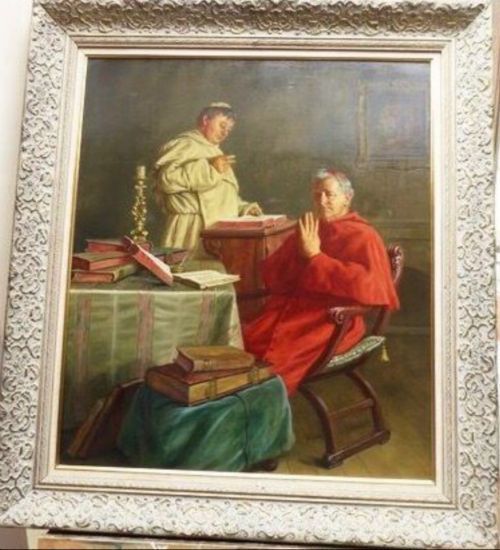
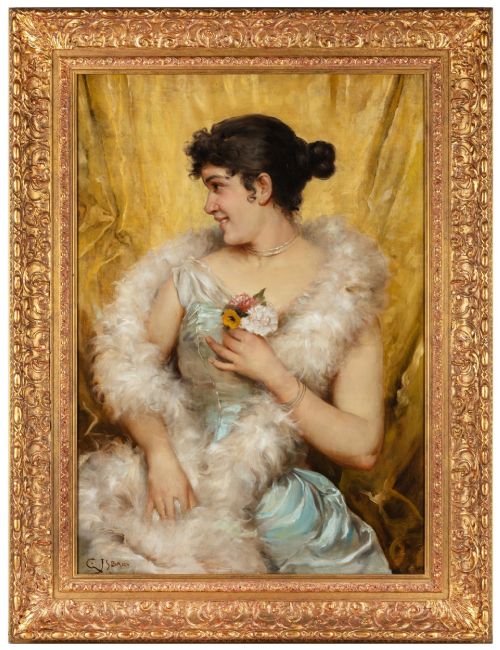
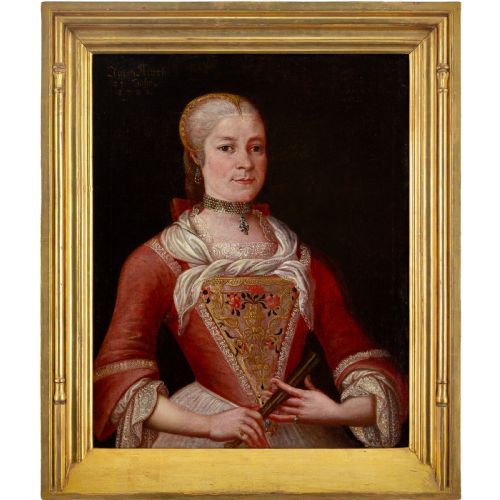
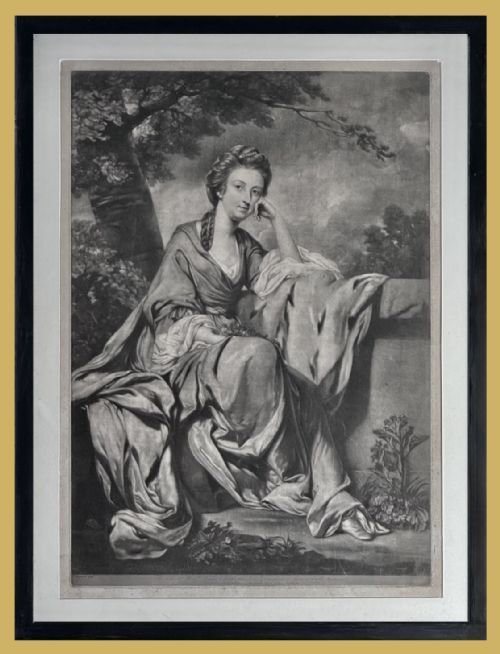
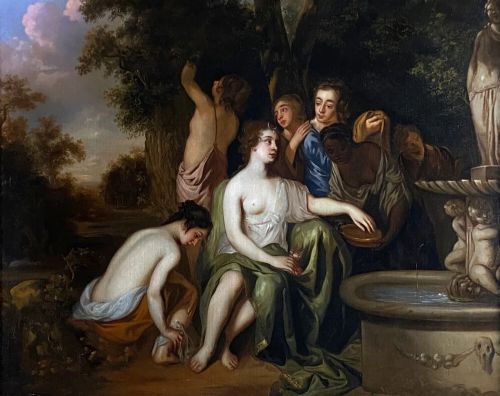
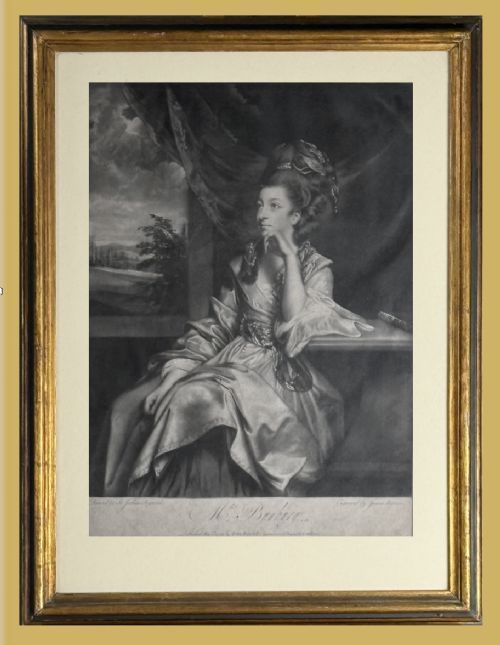
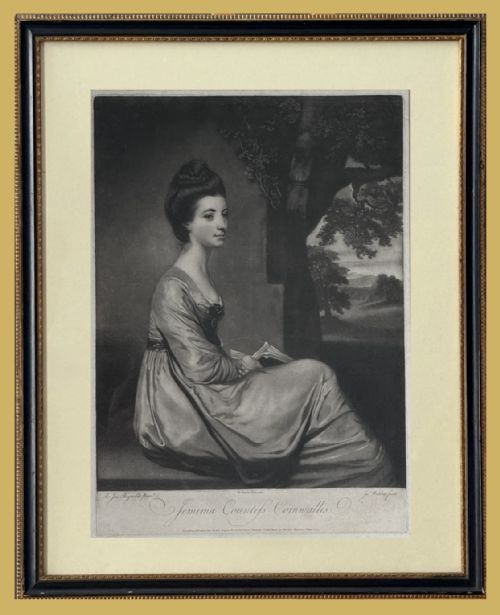
A framed classical portrait encompasses oil paintings, mezzotints, engravings, watercolours, and carved plaques produced across several centuries. Buyers searching for a framed classical portrait encounter works ranging from seventeenth-century Dutch school oils to eighteenth-century mezzotints after Sir Joshua Reynolds.
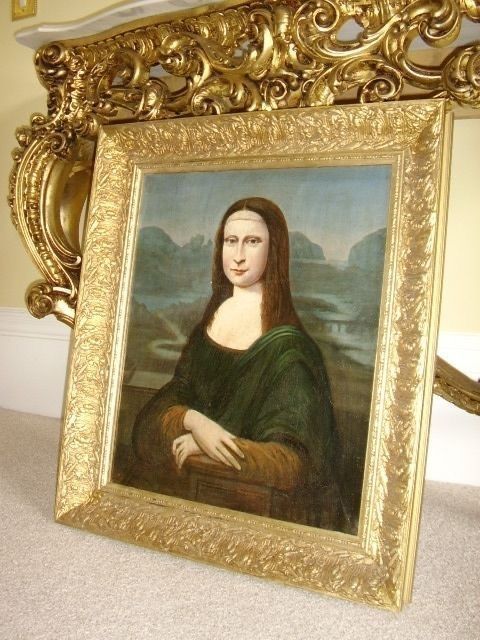
The selections span distinct periods including the seventeenth, eighteenth, and nineteenth centuries, alongside later twentieth-century interpretations and revivals. Many items represent historical figures, nobility, or mythological narratives rendered in styles such as Baroque, Neoclassical, and Georgian.
Materials and Techniques
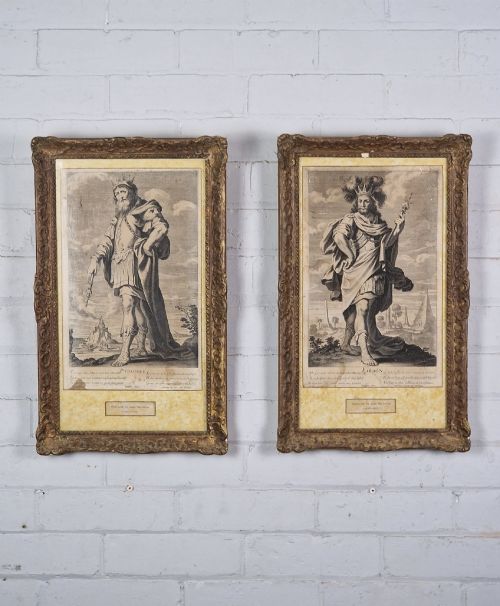
Makers utilised traditional supports such as canvas, paper, and wood panels for the primary imagery. Pigments and inks were applied using oil, watercolour, pastel, or stipple engraving techniques to build depth and likeness.
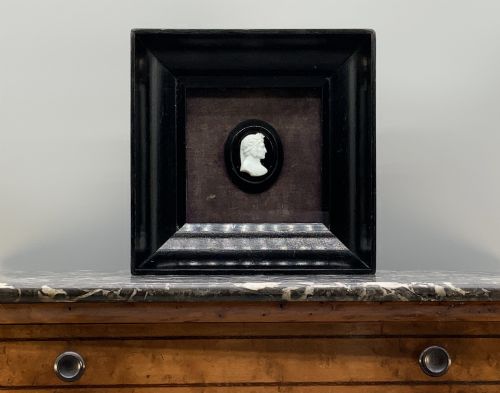
Framing often involved timber embellished with gold leaf or gilt wood, providing structural support and decorative enclosure for the artworks. Carved ivory and plaster intaglios also appear as specialised sculptural mediums within the selection.
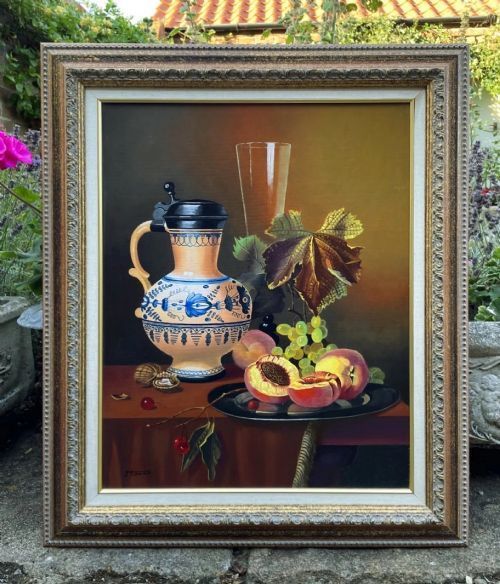
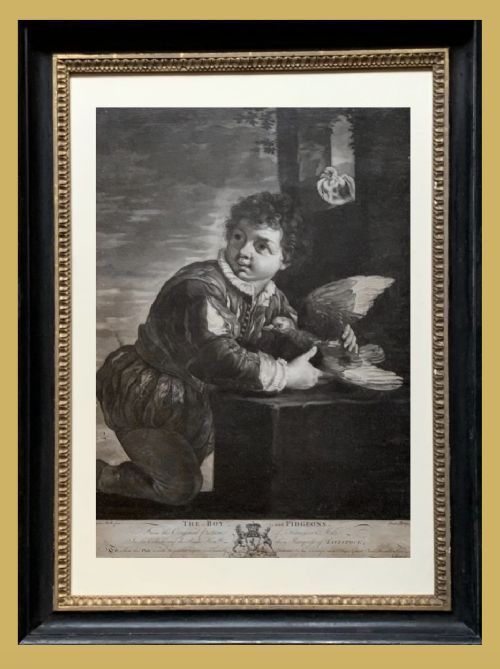
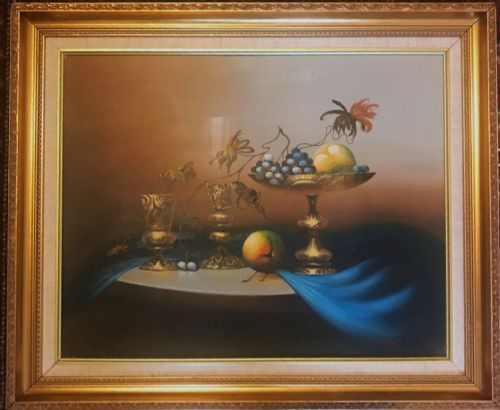
Fruit, pigeons, and even a lady picking oranges manage to share wall space with classical deities and nobility.
Factors of Quality
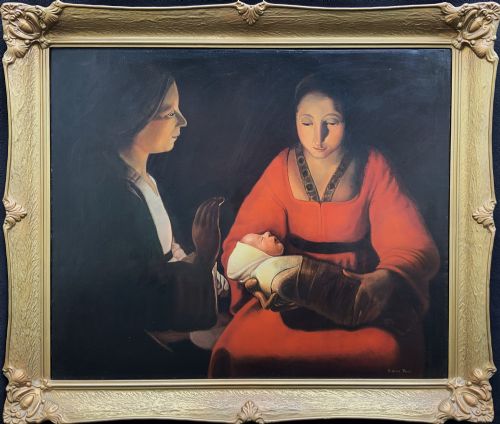
The execution of the subject's expression and anatomical proportion dictates the visual strength of each work. Masterful handling of light, shadow, and pigment separation elevates individual pieces above standard decorative productions.
The integration between the artwork and its housing influences overall integrity. Original or period-appropriate gilt wood frames that complement the scale and aesthetic of the portrait contribute significantly to the piece's character.
John Boydell·Edward Fisher·Sir Joshua Reynolds·James Watson·Pieter Borsseler
The Framed Classical Portrait Glossary
- Mezzotint
- A printmaking process of the intaglio family where the plate is roughened to achieve rich dark tones and subtle gradations. This technique allows for remarkably smooth tonal transitions, making it popular for reproducing oil paintings.
- Intaglio
- A design carved, incised, or engraved into a hard material so that the impression sinks below the surface. Plaster examples were frequently collected during the Grand Tour.
- Neoclassical
- A Western cultural movement drawing inspiration from the classical art and culture of ancient Greece or Rome. It manifests in restrained compositions and dignified subject matter.
- Oleograph
- A mechanical colour lithograph textured to imitate the appearance of an oil painting on canvas. These reproductions became common methods for widely distributing popular imagery in later periods.
- Baroque
- A highly ornate and extravagant style of architecture, art and music that flourished in Europe from the early seventeenth century. It emphasises dramatic lighting, deep emotion, and dynamic movement.
Framed Classical Portrait: Frequently Asked Questions
What periods do these portraits cover?
The inventory spans multiple centuries, incorporating seventeenth-century Dutch and Italian works alongside eighteenth-century mezzotints and nineteenth-century watercolours. Later twentieth-century interpretations also appear.
This broad temporal spread reflects enduring artistic engagement with classical themes and historical likenesses across different eras.
How were these artworks traditionally displayed?
These portraits were designed for interior wall placement within residential drawing rooms, libraries, and galleries. The protective framing ensured the paper or canvas remained secure against environmental exposure.
Many incorporated gilt wood surrounds intended to project status and complement period interior decoration schemes.
How do I identify a mezzotint?
Mezzotints present distinctive velvety dark tones and smooth tonal graduations achieved by working a copper plate with a rocker. They lack the harsh lines typical of standard engravings.
Examining the surface closely reveals a dense network of tiny burrs that held ink to create soft, painterly shadows.
What subjects besides portraits appear here?
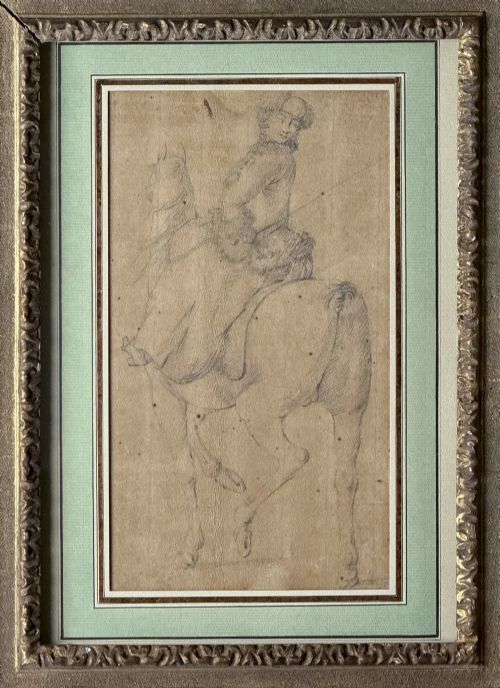
Alongside individual human subjects, the category includes mythological narratives like the baths of Diana, equestrian studies, and allegorical compositions. Sibyls and classical deities frequently serve as central motifs.
Still life elements and botanical studies occasionally accompany the primary human figures within broader compositional frameworks.