


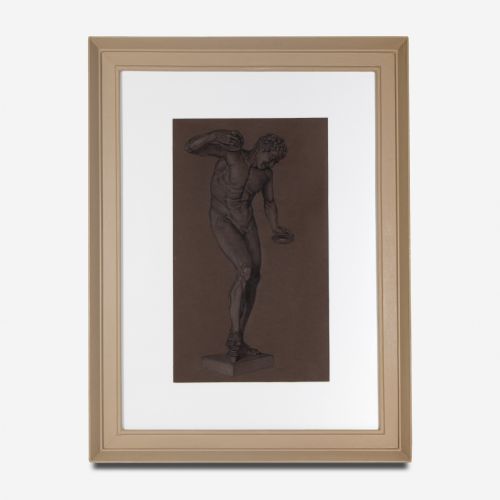


Framed Charcoal Nude Study
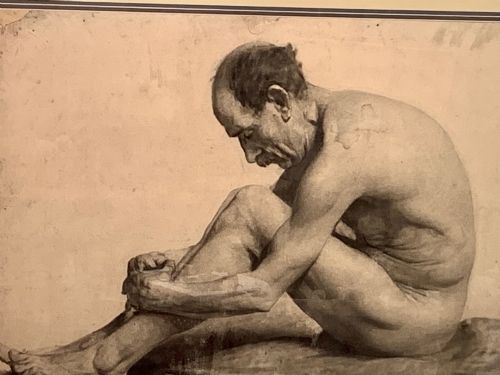
A framed charcoal nude study captures the human form with immediacy, offering raw draughtsmanship preserved behind glass.
Framed Charcoal Nude Study
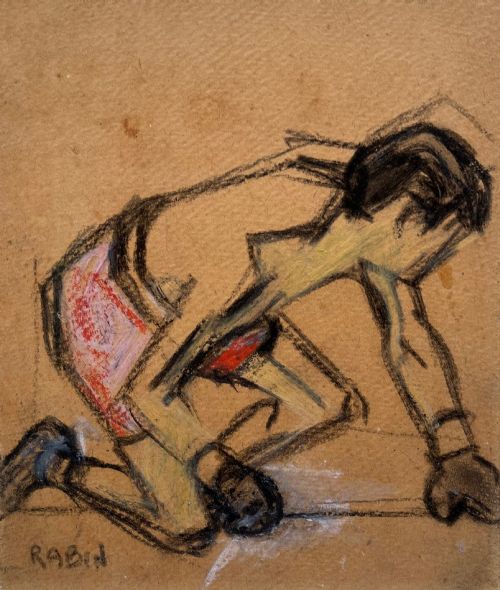
When you search for a framed charcoal nude study, you encounter original life drawings spanning the nineteenth and twentieth centuries. These works record studio sessions, academic training, and avant-garde explorations.
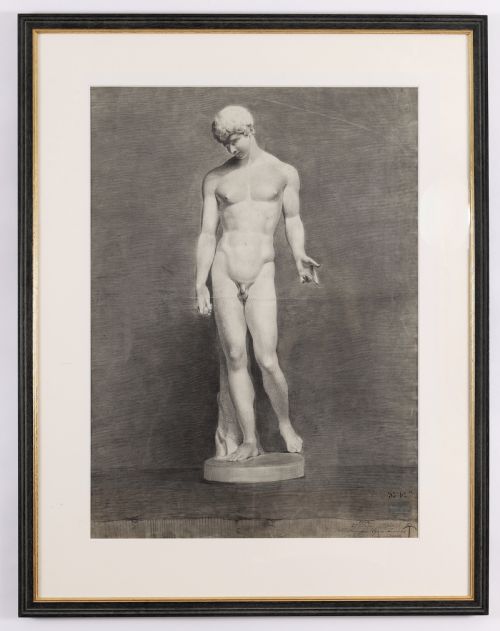
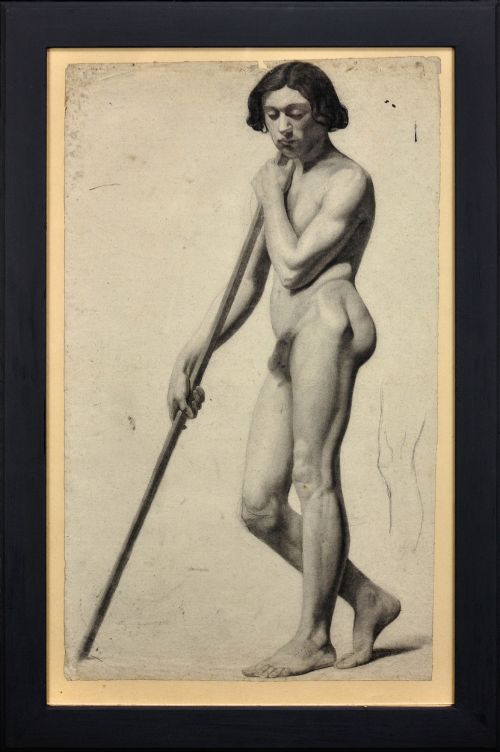
The selections on this page include academic life studies of male and female figures alongside cubist and modern British interpretations. Most pieces arrive ready to hang in period wood and gilt frames.
You find domestic sketches alongside large exhibition pieces, reflecting the diverse settings where artists practiced draughtsmanship. Each work demonstrates direct observation of the human body through monochrome media.
Materials and Techniques
Artists executed these drawings on paper, toned paper, and card using charcoal, chalk, graphite, and pastel. The friable nature of charcoal demanded swift, confident strokes to capture shadow and volume.
Makers protected these delicate works beneath glass within wooden frames, often retaining gilt finishes. This method preserved the fragile pigment from smudging and environmental damage over generations.
Several models clearly held exhausting poses for hours, resulting in drawings that capture both human anatomy and sheer fatigue.
Assessing Quality and Execution
Superior examples demonstrate confident anatomical understanding and fluid line work, particularly in rendering muscle and bone structure. Strong tonal contrast separates master studies from routine student exercises.
The integrity of the framing and the preservation of the paper support influence the overall character of the piece. Works retaining named attribution or documented school provenance carry deeper historical context.
Samuel Rabin·Henry Arthur Roberts·Demetrios Galanis·Winifred Eugene Ballard·Frank Dobson
The Framed Charcoal Nude Study Glossary
- Charcoal
- A dry drawing medium made from organic matter that produces rich, velvety blacks. It permits rapid blending and bold marks essential for life studies.
- Academic Realism
- A style of painting and drawing produced under the influence of European academies. It emphasises precise anatomy, classical proportion, and rigorous observation.
- Toned Paper
- Paper manufactured with a neutral tint rather than stark white. This surface allows artists to build highlights with chalk and shadows with charcoal.
- Life Study
- A drawing executed directly from a live human model. These works served as foundational practice for painters and sculptors.
- Crayon
- A stick of compressed pigment used for drawing. In historical contexts, it often refers to chalk or grease-based drawing materials.
Framed Charcoal Nude Study: Frequently Asked Questions
How should I care for a framed charcoal nude study?
Keep the drawing away from direct sunlight and high humidity to prevent the paper from yellowing and the charcoal from degrading.
Ensure the glazing remains intact and avoid opening the frame, as trapped moisture can cause mildew on the delicate medium.
Are these drawings original or reproductions?
The pieces listed are original works on paper, executed by hand using charcoal, chalk, graphite, and pastel.
Each drawing contains unique handling marks and surface textures that distinguish it from a print or mechanical reproduction.
What is an academic life study?
An academic life study is a detailed drawing of a human model produced within a formal art school setting. These exercises taught students precise proportion, shading, and anatomical accuracy.
Such works often focus on specific poses, such as standing figures or reclining forms, to test the artist's technical skill.
How do I date a charcoal nude drawing?
Dating relies on stylistic clues, framing methods, and the type of paper or watermarks visible within the composition. Academic pieces often follow distinct period conventions in posture and rendering.
Signatures, inscriptions, and artist biographies provide further confirmation of the era in which the work was created.