

Framed Canvas Horse Portrait
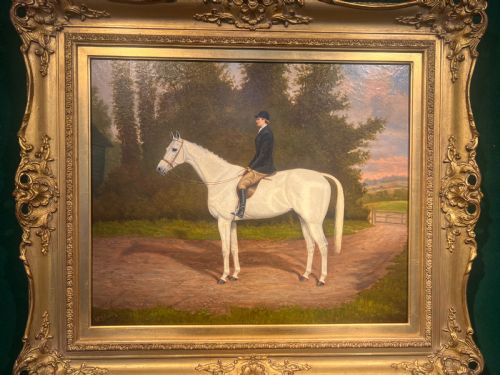
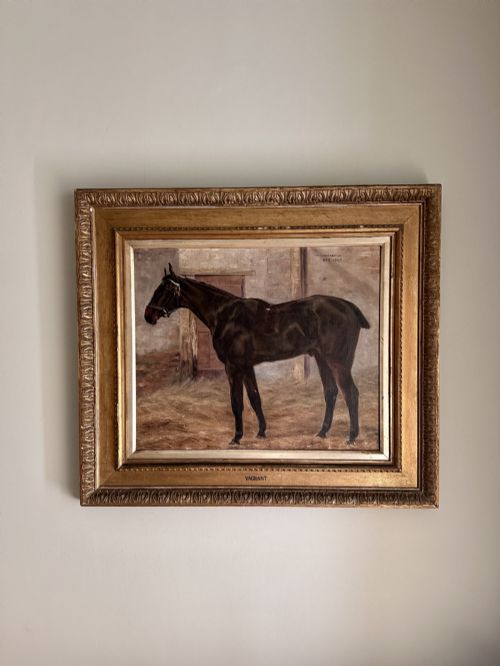
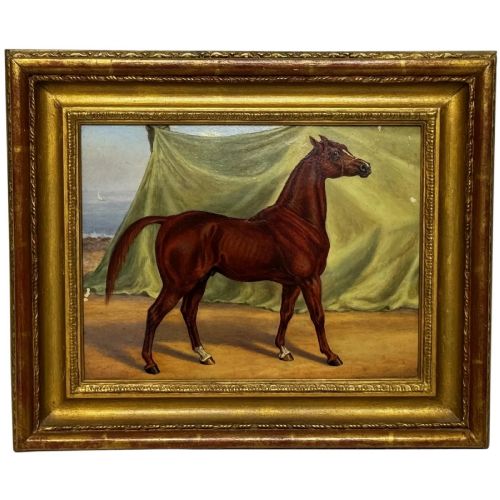
A framed canvas horse portrait brings the presence of nineteenth-century equines, hunters, and classic racers directly onto the wall.
Framed Canvas Horse Portrait
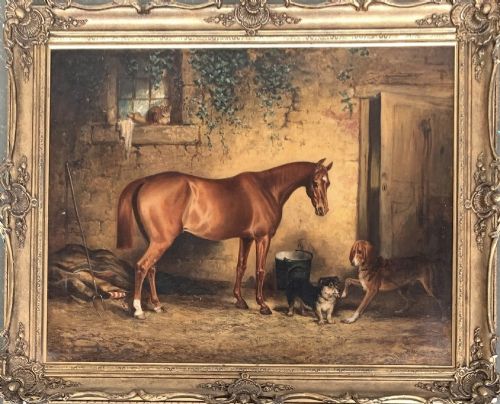
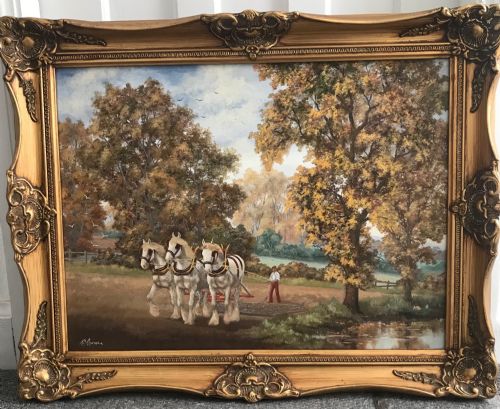
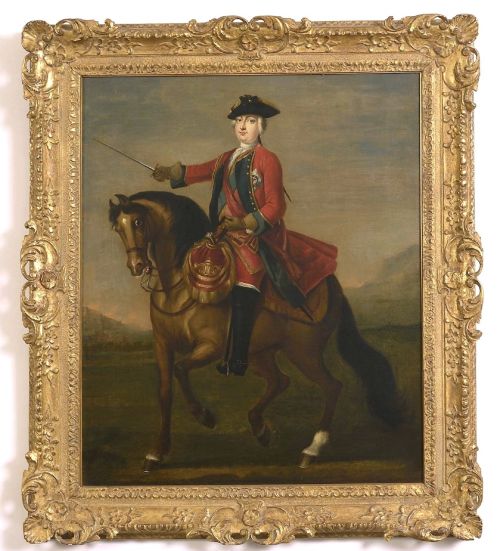
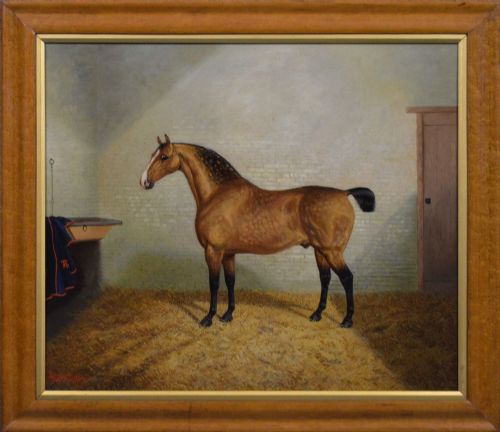
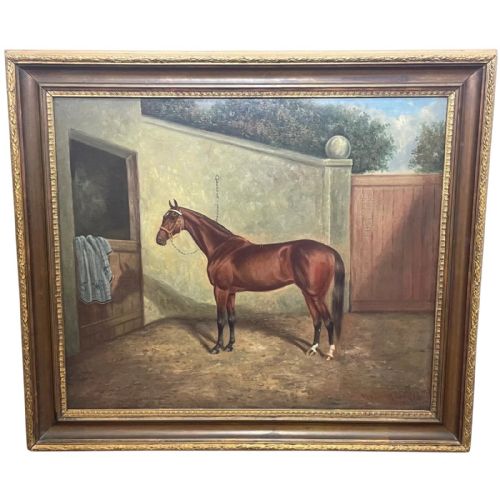
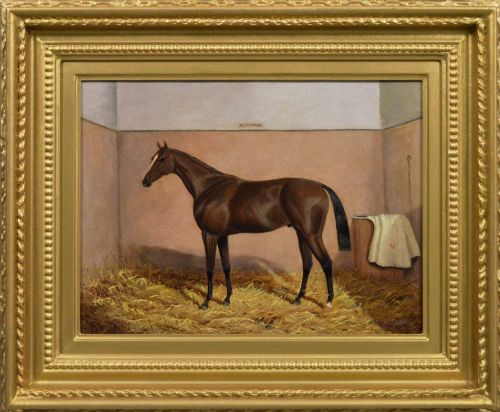
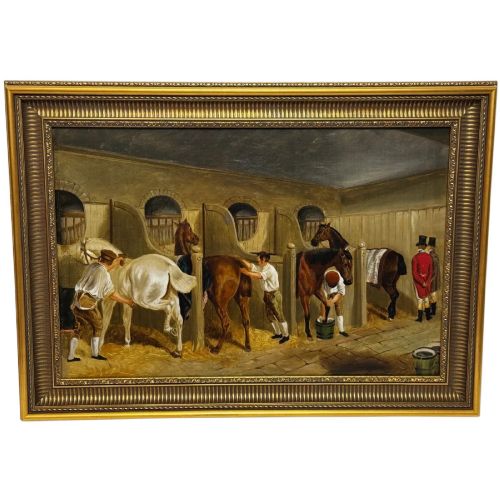
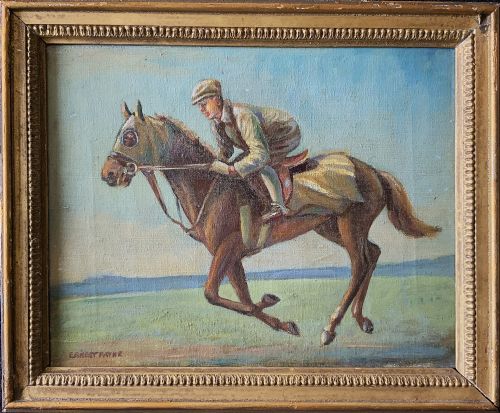
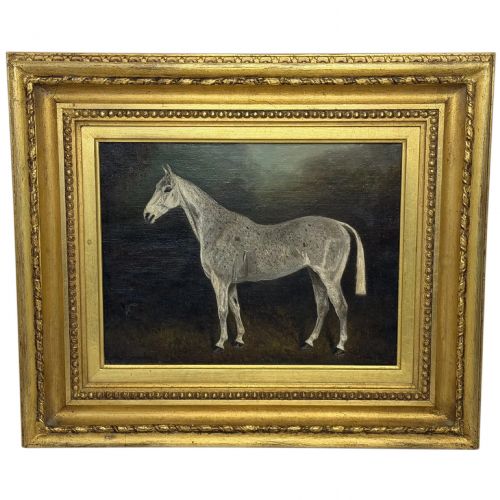
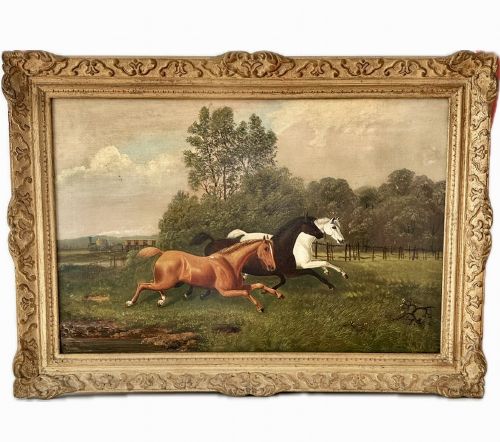
When you search for a framed canvas horse portrait, you encounter oil paintings spanning the eighteenth, nineteenth, and twentieth centuries, including Victorian sporting art and Edwardian equestrian studies. These works depict named racehorses, hunters, and working horses, often accompanied by stable hands, jockeys, or rural landscapes.
The most common pieces on this page originate from the Victorian era and the early twentieth century, rendered in oil paint on canvas and housed in period wood or giltwood frames. Artists record specific animals like Derby winners alongside anonymous mounts, capturing the conformation and character valued by past owners.
How They Were Made
These artworks utilise oil paint applied to stretched canvas, mounted within wooden or giltwood frames that sometimes incorporate gold leaf. Painters build up the composition through layered glazes and brushwork to define the musculature, coat sheen, and expression of the horse.
Supporting structures comprise timber stretchers behind the canvas and substantial frames constructed from wood, which protect the edges and complement the tonal depth of the oil pigments.
Several horses recorded here outran their rivals to win historic races like the Epsom Derby, preserving their triumphant profiles for modern walls.
What Varies in Quality
Quality rests upon the artist's anatomical accuracy, brush control, and ability to render the distinct personality and conformation of the subject. Superior works display confident handling of light across the coat and realistic integration of the horse within its landscape or stable setting.
The integrity of the canvas and the preservation of the original oil paint layer dictate the visual impact of the piece. Finer examples retain their original stretchers and appropriate period frames that match the age and provenance of the artwork.
Henry Barraud·John Wootton·Albert Clark·John Ferneley Senior·Samuel Spode
The Framed Canvas Horse Portrait Glossary
- Canvas
- A heavy woven fabric stretched across a wooden frame to serve as the foundational support for oil paintings. It provides the texture visible beneath the layers of pigment.
- Giltwood
- Timber that has been coated with a thin layer of gold leaf or gold paint. This finish imparts a warm, reflective border to period frames.
- Sporting Art
- A genre of painting dedicated to horses, hounds, shooting, and rural sports. These works document the history of racing, hunting, and equine breeding.
- Stretcher
- The internal wooden frame that holds a canvas taut. Period stretchers help confirm the age and original mounting of an oil painting.
Framed Canvas Horse Portrait: Frequently Asked Questions
How do I identify the age of a horse painting?
Age is determined by examining the canvas weave, the style of the wooden stretcher, and the construction techniques of the frame. Clothing styles of jockeys or handlers depicted in the scene also offer reliable chronological clues.
Signatures, dates inscribed on the reverse, and historical records matching named racehorses or estates help narrow down the exact decade of creation.
Where should I hang an equestrian oil painting?
These works suit traditional reception rooms, studies, or hallways where adequate wall space allows the composition to breathe. Pair them with neutral wall colours to let the warm tones of the oil paint and gilt frame stand out.
Avoid placing canvas art in direct sunlight or above active heat sources, as fluctuations in temperature and light can damage the paint and canvas over time.
What is the difference between a hunter and a racehorse portrait?
Hunter portraits typically show sturdier animals with substantial bone structure, often posed in fields, near farm buildings, or alongside hunting dogs. They emphasise utility and endurance in rural landscapes.
Racehorse portraits focus on lean, athletic thoroughbreds, frequently accompanied by jockeys in racing silks or standing within stable yards with a recorded race history.
How do I care for antique oil on canvas?
Keep the canvas away from excessive moisture and extreme humidity changes to prevent the fabric from sagging or the oil paint from cracking. Dust the surface gently with a soft, dry brush without applying pressure.
Consult a professional restorer if the paint layer develops stability issues or if the canvas requires cleaning to remove accumulated surface grime.