




Framed Canine Art
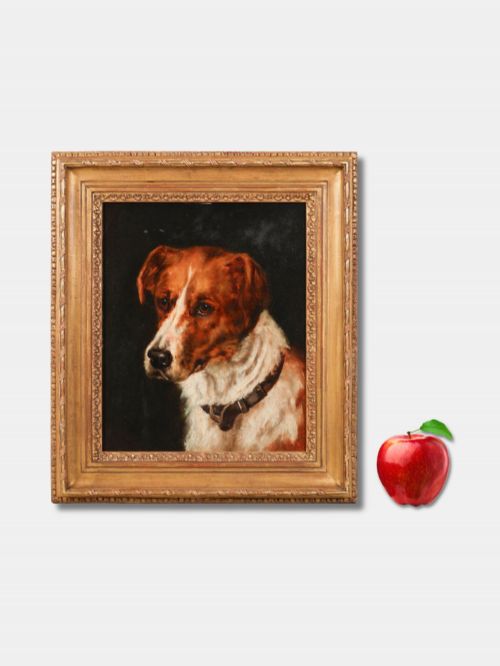
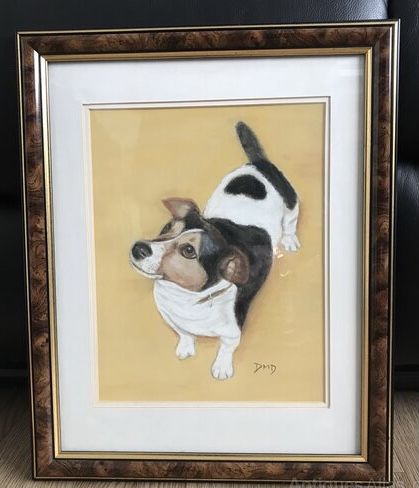
Framed canine art brings together centuries of painted dogs, from working terriers to sporting hounds in oils, watercolours and etchings.
Framed Canine Art
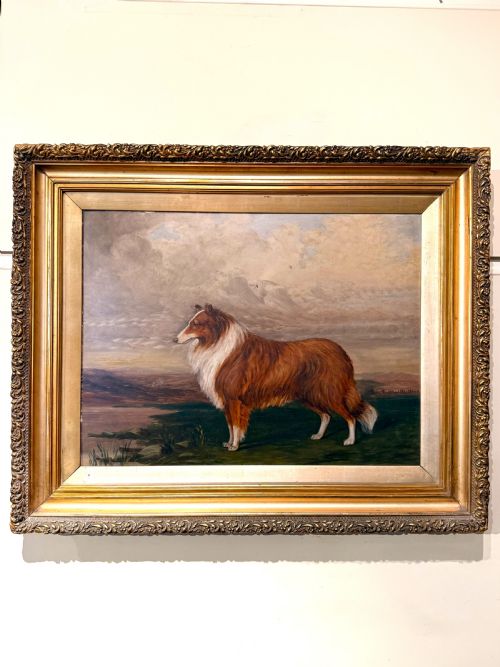
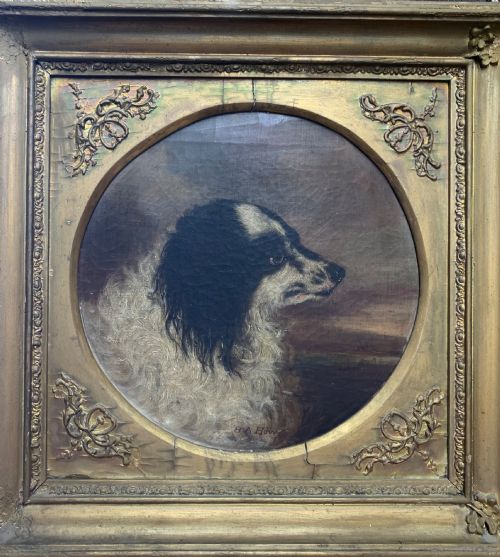
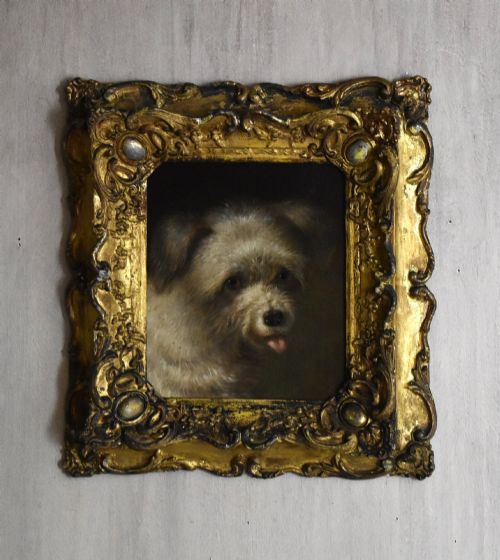
When you search for framed canine art, you encounter everything from individual nineteenth century oil portraits of spaniels and collies to twentieth century watercolours, pastels and etchings.
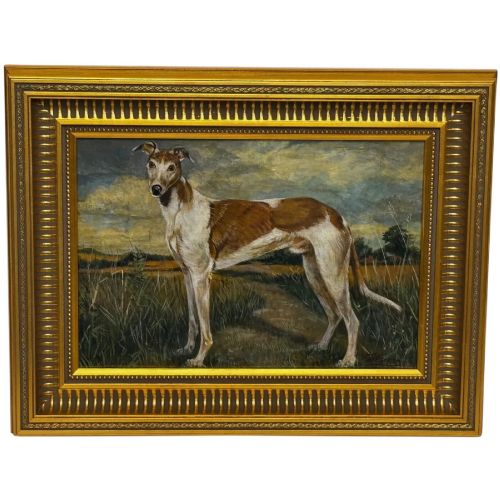
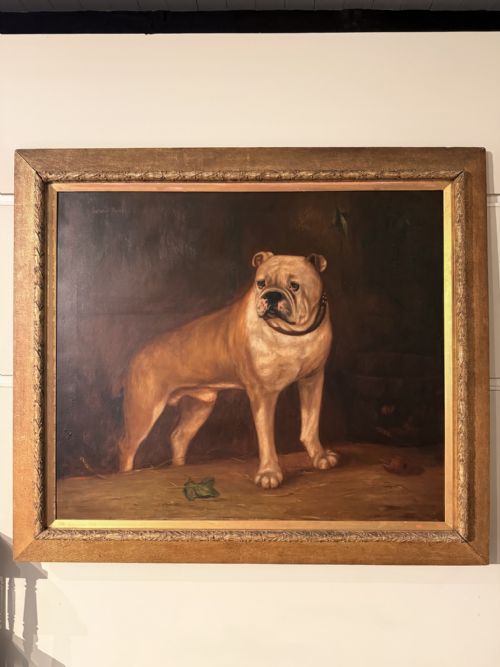
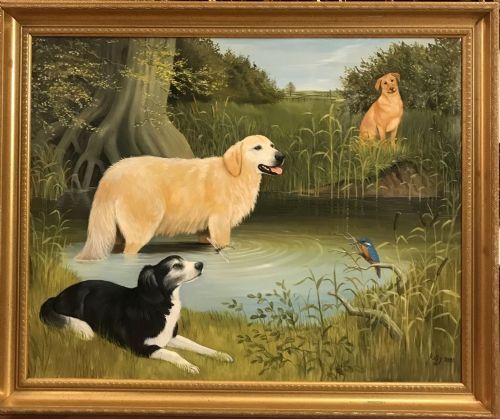
The pieces on this page lean heavily towards Victorian and early twentieth century British sporting art, featuring gun dogs, terriers and hounds set within landscapes or simple interiors.
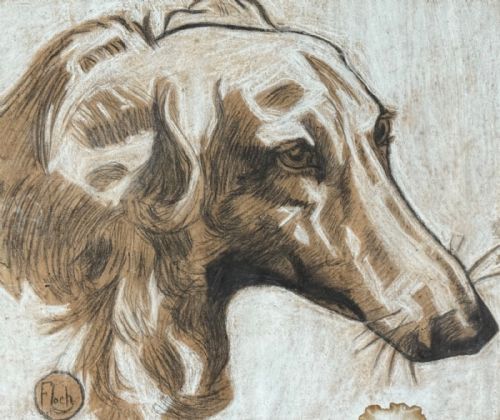
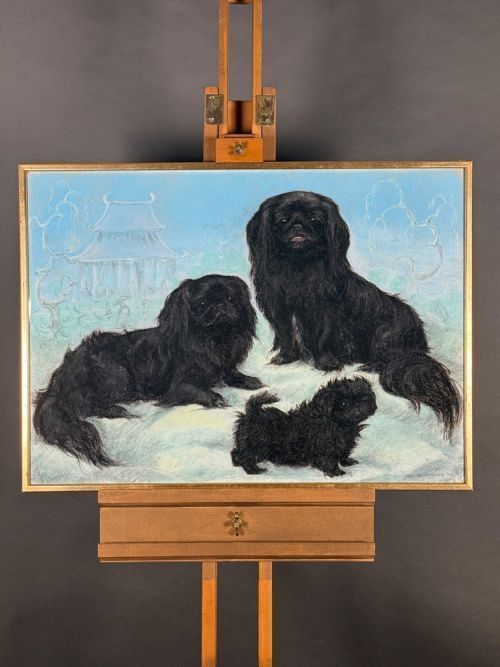
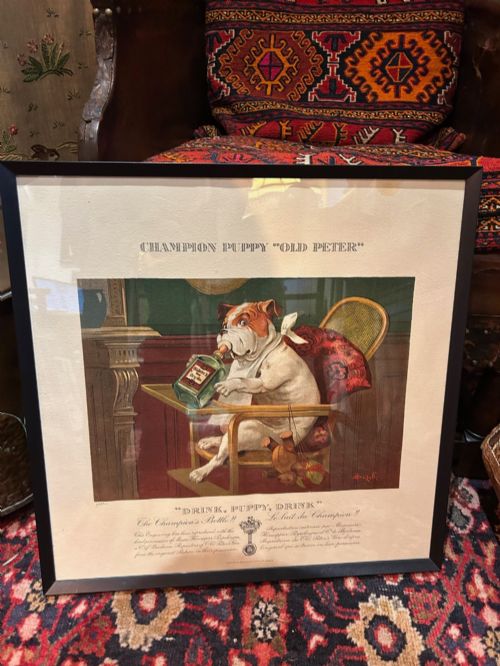
You will also find French advertising prints, gouache drawings of borzois and pastels of Pekingese, showing how artists across different periods captured the character of dogs.
How they were made
Oil paint on canvas or wood board forms the backbone of these works, often paired with traditional giltwood or plain wooden frames that enclose the image behind glass.
Works on paper utilise watercolour, gouache, pastel, charcoal and pencil, frequently supplemented by original etchings printed with fine ink lines.
Makers shaped these materials using standard studio methods of the nineteenth and twentieth centuries, applying layers of pigment to capture the texture of a dog's coat and the light in a landscape.
The dog subjects range from individual named pets like Dora the Boxer to working foxhounds, terriers and gun dogs with their day's bag.
What varies in quality
Quality rests on the artist's ability to render the anatomy and expression of the animal truthfully, moving beyond a stiff formula to capture the individuality of the dog.
The strength of the surrounding frame, whether an original period giltwood moulding or a later replacement, affects the overall integrity of the piece.
Handling of light, background landscape detail and the preservation of the surface pigment distinguish accomplished studio works from simpler decorative copies.
Valentine T. Garland·Marcellin Auzolle·Herbert Dicksee·Martin Theodore Ward·John Sargent Noble·John Emms·John Frederick Herring Senior·Arthur Wardle·William Barraud·Augustin Edouart·Sir Edwin Landseer·Samuel Raven·Colin Graeme Roe·John Trivett Nettleship
The Framed Canine Art Glossary
- Oil on Canvas
- Pigment mixed with drying oil applied to stretched fabric. It allows for rich blending of colour and texture in animal portraits.
- Etchings
- Prints produced by biting lines into a metal plate with acid before inking. Artists like Herbert Dicksee used this method for detailed tonal work.
- Giltwood
- Wood carved and coated with gold leaf or metallic paint. It frames many traditional nineteenth century paintings.
- Gouache
- An opaque water-based paint. It provides flat, solid areas of colour in works on paper.
- Sporting Art
- Depictions of animals, hunting and rural pursuits. This genre forms a significant portion of nineteenth century canine painting.
Framed Canine Art: Frequently Asked Questions
What periods do these pieces cover?
The selection spans from the late eighteenth century through the Victorian and Edwardian eras into the mid twentieth century.
Most examples date from the nineteenth and early twentieth centuries, reflecting traditional British sporting and portrait styles.
How do I identify a dog's breed in older art?
Artists often recorded specific working types, such as lurchers, spaniels, terriers and pointers, which evolved into modern breeds.
Looking at the proportions, coat texture and context of the landscape gives clues to the specific dog type depicted.
Are these works original or copies?
You will find both original painted portraits from life and period copies after well known masters like Sir Edwin Landseer.
Signatures, brushwork and historical framing help distinguish unique studio pieces from later reproductions.
How should I hang framed canine art at home?
These pieces suit traditional studies, hallways or living spaces, particularly when grouped alongside other animal studies or landscape works.
Keep them away from direct sunlight to protect oil pigments and works on paper from fading.