



Framed Terrier Artwork
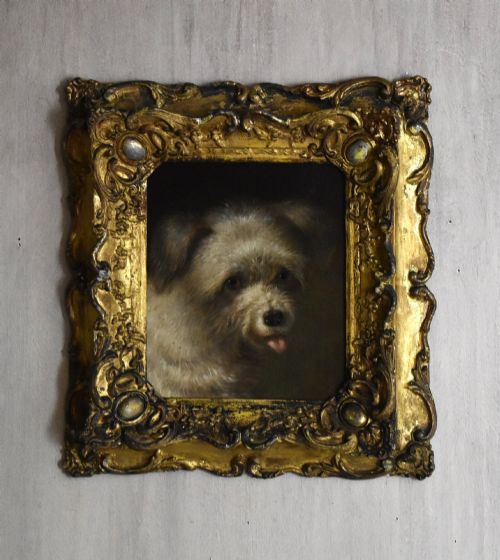
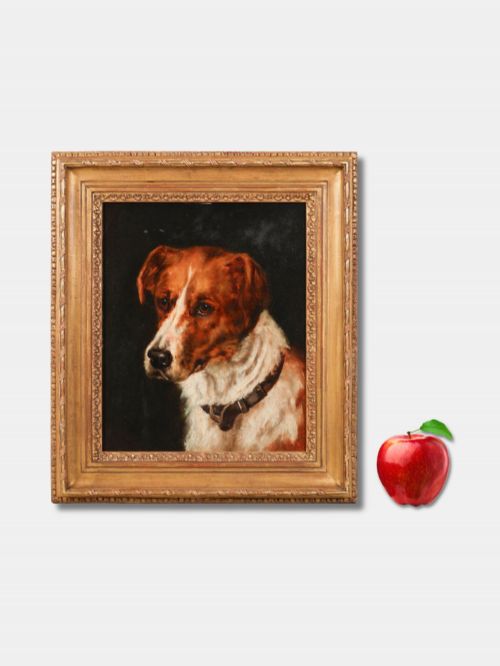
Framed terrier artwork captures the distinct character and spirit of these beloved dogs through historical paintings, drawings, and prints.
Framed Terrier Artwork
When you search for framed terrier artwork, you encounter historical depictions celebrating working terriers, lap dogs, and farm companions. These pieces document the deep affection for dogs across generations through various artistic interpretations.
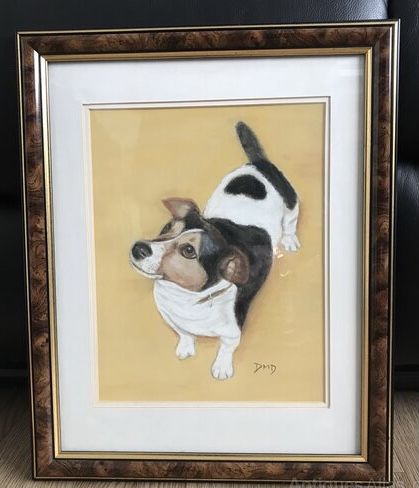
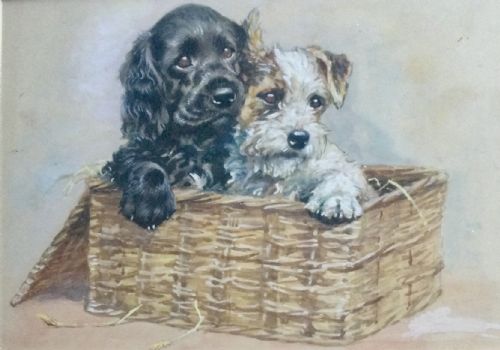
The selections available here span multiple eras, most notably the nineteenth century and the early twentieth century. You will find oil paintings, watercolours, pastels, and etchings preserved in period frames.
The subjects range from solitary portraits of Jack Russells and Scottish terriers to lively scenes of dogs ratting in barns or guarding farmyards. Each piece reflects the specific aesthetic of its period, whether Victorian realism or Edwardian sporting art.
Materials and Techniques
Artists working in the nineteenth and early twentieth centuries relied on oil paint applied to canvas or wood panels to build rich textures and deep tones. Watercolours and pastels on paper offered a lighter medium for intimate animal studies.
Printmakers utilised etching and engraving techniques to produce detailed monochrome or tinted impressions, often signed by the artist. These works were subsequently housed beneath glass within wooden or giltwood frames to protect the delicate paper surfaces.
Object types recorded in the inventory include oil paintings, fine art, framed artwork, etchings, prints, and wall art.
Qualities of Distinction
The standard of these works depends heavily on the artist's ability to render the anatomy, coat texture, and alert expression of the terrier with anatomical accuracy and psychological depth. Pieces by listed academic painters or established etchers display superior handling of light and form.
The integrity of the framing also influences the piece, with original giltwood or period wooden surrounds contributing significantly to the historical context. Condition plays a role, with well-preserved canvases and clean paper surfaces retaining greater visual impact.
Valentine T. Garland·Martin Theodore Ward·Herbert Dicksee·Sir Edwin Landseer·Percival Glenfern·Edwin Frederic Holt·Mabel Gear·M.E. Hankinson·John Emms·George Armfield·Edward Armfield·Samuel Fulton
The Framed Terrier Artwork Glossary
- Etching
- A printmaking process where lines are bitten into a metal plate with acid before being inked and pressed onto paper. This technique allows for fine, expressive detail in animal hair and whiskers.
- Giltwood
- Wood carved and covered with a thin layer of gold leaf or metallic gilt paint. It is frequently seen on nineteenth-century picture frames.
- Oil on canvas
- Pigment suspended in drying oil applied to a woven fabric stretched across a wooden frame. It remains the most common medium for substantial dog portraits from the Victorian era.
- Pastel
- A medium consisting of powdered pigment and a binder rolled into sticks for drawing. It creates a soft, velvety texture well suited to rendering furry coats.
- Victorian realism
- An artistic movement focused on depicting subjects with unvarnished truth and exact detail. In animal art, this meant capturing the realistic physical traits and working behaviours of terriers.
Framed Terrier Artwork: Frequently Asked Questions
What periods do these artworks come from?
The pieces span from the Regency era through the Victorian period and into the early twentieth century, including works from the nineteen-twenties and nineteen-forties.
This broad chronological range allows collectors to select works that align with specific historical interior styles and prevailing artistic movements of those decades.
How were these framed pieces used historically?
Dog portraits and sporting art traditionally hung in country houses, libraries, and parlours to celebrate valued hunting companions, working ratters, and family pets.
Owners commissioned or collected these images to honour the specific lineage and loyalty of their dogs, integrating them directly into domestic interior decoration.
How can I tell an original etching from a print reproduction?
Original etchings display plate marks where the edges of the metal plate pressed into the paper during printing, along with subtle variations in ink density. Later photographic reproductions lack these physical indentations and uniform surface textures.
Examining the paper closely under magnification often reveals the characteristic fine ridges of ink left by the etched lines.
How do I care for framed oil paintings and works on paper?
Oil paintings require stable indoor humidity and protection from direct sunlight to prevent the canvas from slackening and the paint from cracking. Works on paper demand extra caution, needing glass protection and placement away from moisture.
Dusting the wooden and giltwood frames gently with a dry, soft cloth preserves the finish without disturbing the structural integrity of the piece.