
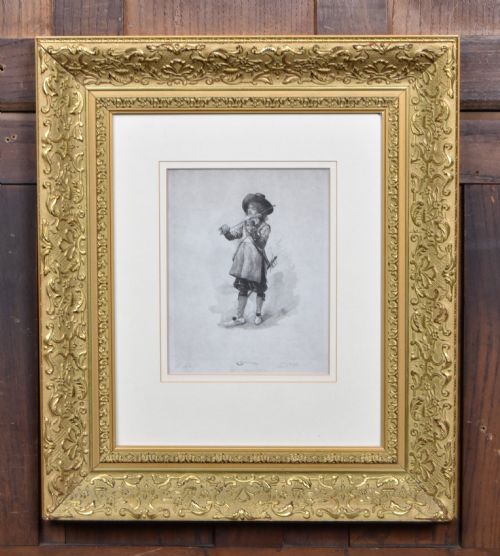
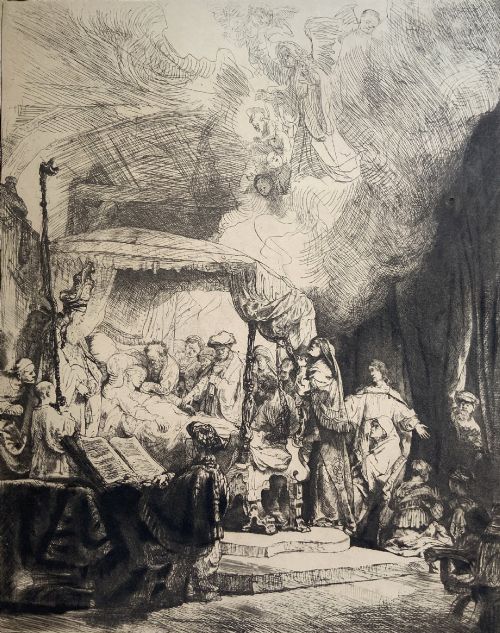
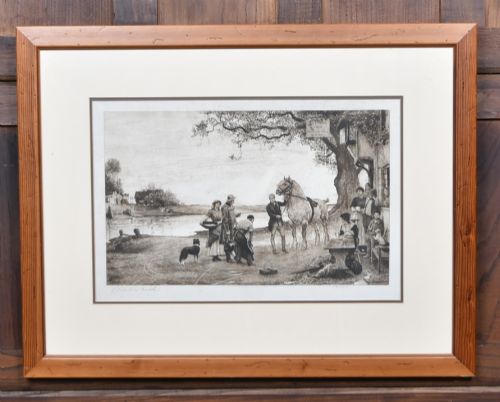
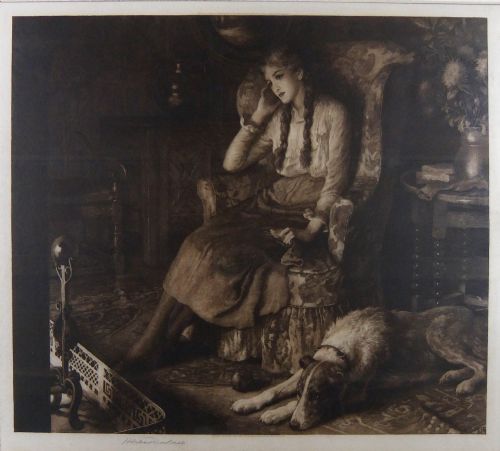
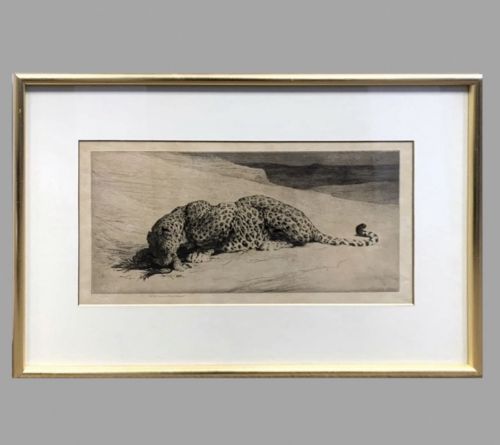
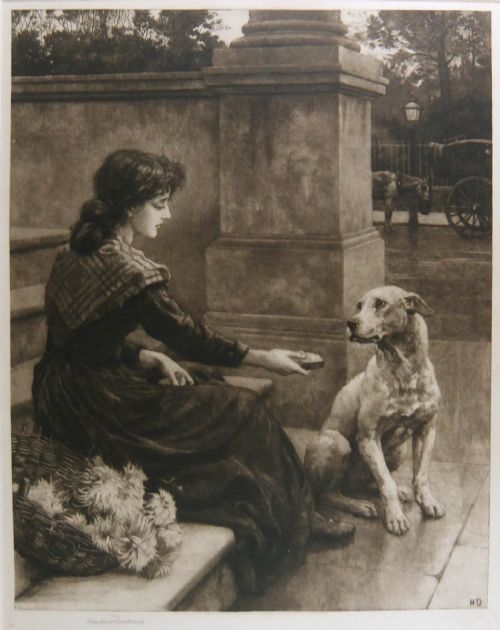
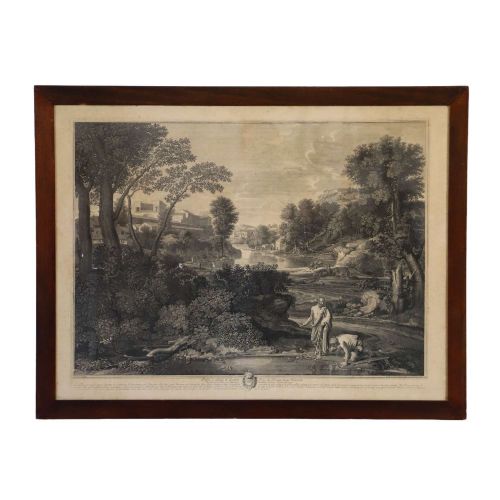
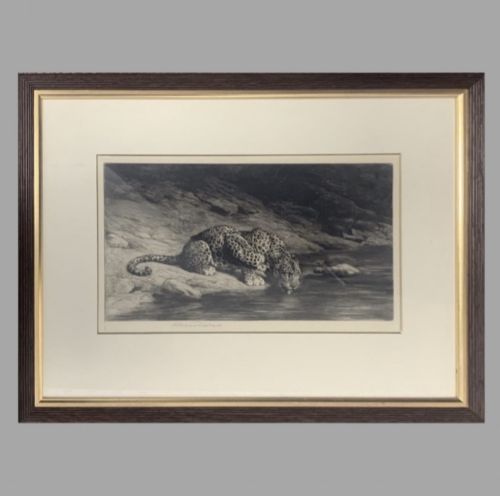
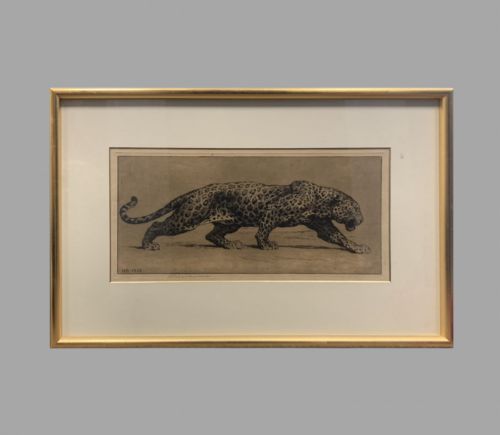
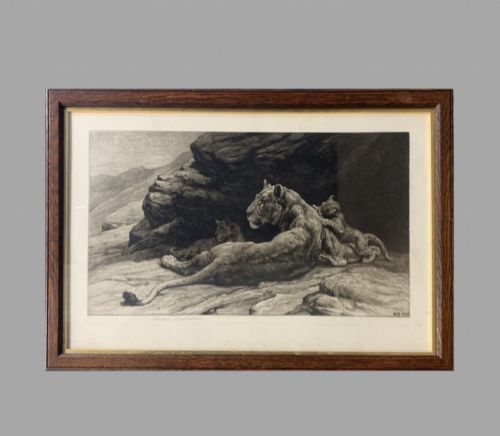
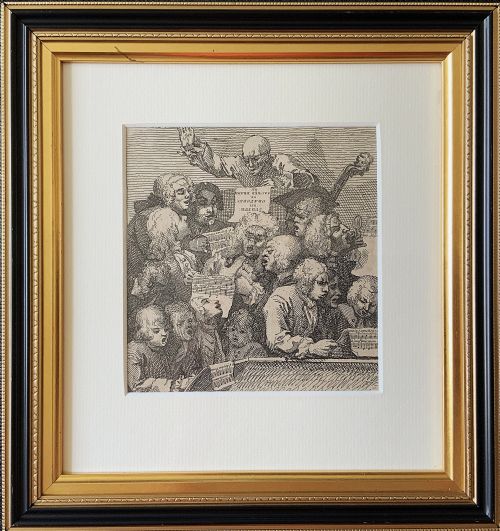


Framed Black White Etching
These framed black white etching pieces bring historic printed line work directly to the wall in period surrounds.
Framed Black White Etching
A framed black white etching selection encompasses works on paper ranging from eighteenth-century architectural plates to early twentieth-century signed artist proofs. Buyers encounter detailed intaglio prints, engravings and drypoints produced across several centuries of European printmaking tradition.
The most common examples on this page date from the nineteenth and early twentieth centuries, featuring rural scenes, animal studies and urban views. These prints arrive housed behind glass within wooden, gilt, or gold leaf frames that often complement their monochromatic palettes.
Materials and Technique
Printmakers created these works by incising lines into metal plates using sharp tools or acid bites, then transferring the inked design onto paper or vellum under pressure. This intaglio process produces the characteristic raised ink lines and plate marks distinctive of genuine etchings and engravings.
Framing materials rely heavily on timber, incorporating plain wood, gilt wood, and gold leaf mouldings designed to protect the delicate paper sheets beneath glass glazing.
The inventory spans the 18th Century, 19th Century, and early 20th Century, covering Victorian, Georgian, and Neoclassical styles.
Factors of Quality
Quality rests upon the crispness of the plate impression and the strength of the composition, where sharp, deep lines indicate an early and clean pull from the matrix. Artist signatures, pencil annotations, and limited edition numbers distinguish collector proofs from standard book plates or later reproductions.
The integrity of the original frame and the preservation of the paper ground, free from heavy foxing or fading, elevate the standing of any piece within this category.
Amand Durand·Robert W Macbeth·Herbert Dicksee·Étienne Baudet·William Hogarth·Gustave Doré·Adolphe Pannemaker·Francesco Piranesi·James Basire
The Framed Black White Etching Glossary
- Etching
- A printmaking method where acid bites lines into a metal plate to hold ink. This technique allows for fluid, expressive line work.
- Drypoint
- An intaglio printmaking process where a sharp needle scratches directly into the metal plate. This method leaves a distinctive burr that creates soft, velvety lines when printed.
- Engraving
- A technique where an artisan cuts lines directly into a metal plate using a burin tool. This results in precise, clean, and controlled imagery.
- Artist Proof
- An impression printed for the creator to check the state of the plate before the main edition. These proofs carry special value among collectors.
- Vellum
- A fine parchment prepared from calfskin used as a durable printing surface. It offers a smooth, absorbent texture that holds delicate ink details.
Framed Black White Etching: Frequently Asked Questions
What is a framed black white etching?
A framed black white etching is an intaglio print created from an inked metal plate, presented behind glass within a decorative or simple wooden moulding.
These works capture monochrome imagery ranging from architectural studies to classical portraits produced across the eighteenth, nineteenth, and early twentieth centuries.
How do you date an old etching?
Dating relies on examining the paper quality, the style of the engraving, and any inscribed signatures, publication lines, or dates within the plate margins.
Archival clues such as watermarks in the paper and the construction of the original frame provide further chronological markers for the piece.
What is the difference between an etching and an engraving?
An etching uses acid to bite the lines into a metal plate, resulting in free and painterly strokes.
An engraving relies entirely on a hand-held tool called a burin to cut directly into the metal, producing sharper and more geometric lines.
How should I hang and care for these prints?
These works require placement away from direct sunlight and high humidity to protect the paper ground and prevent fading of the ink.
Keeping them behind glass shields the delicate surface from airborne pollutants and physical contact during routine room maintenance.