




19th Century Style Etching
These 19th century style etching examples bring historical decorative character to an interior through fine printed and engraved craftsmanship.
19th Century Style Etching
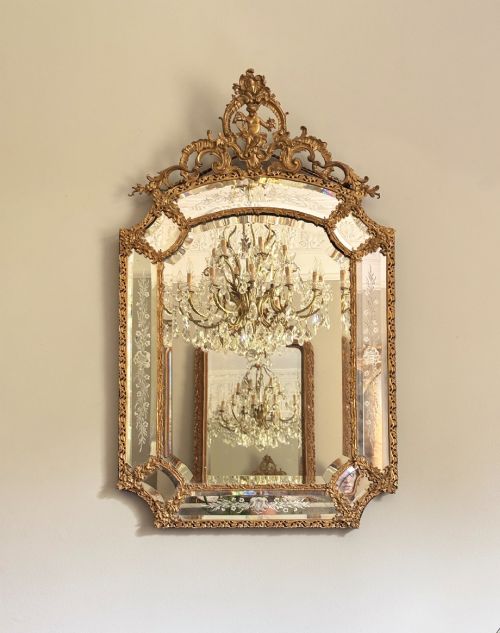
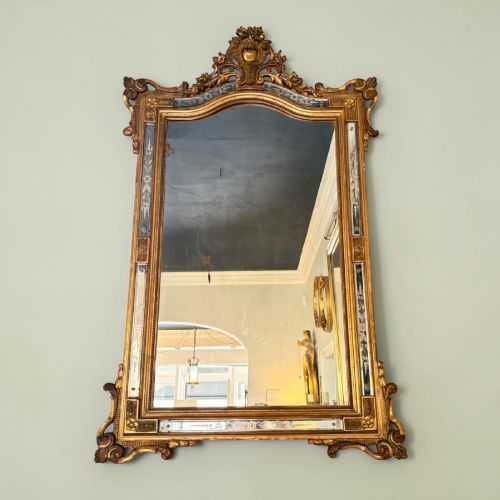
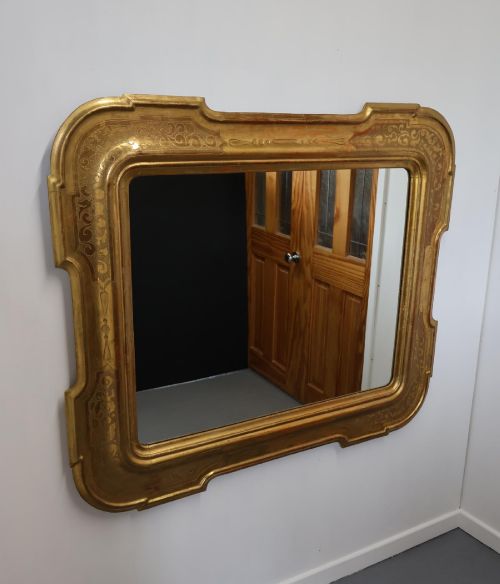
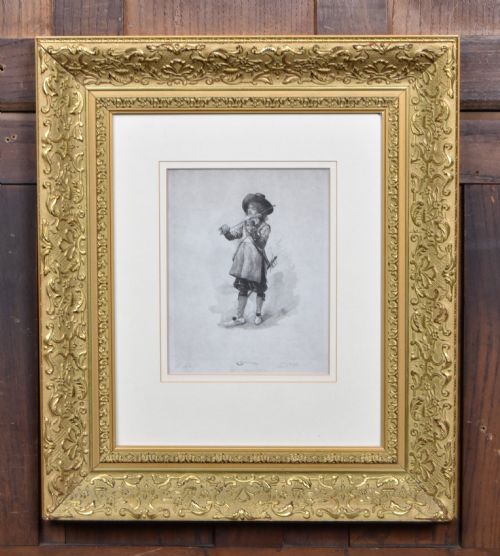
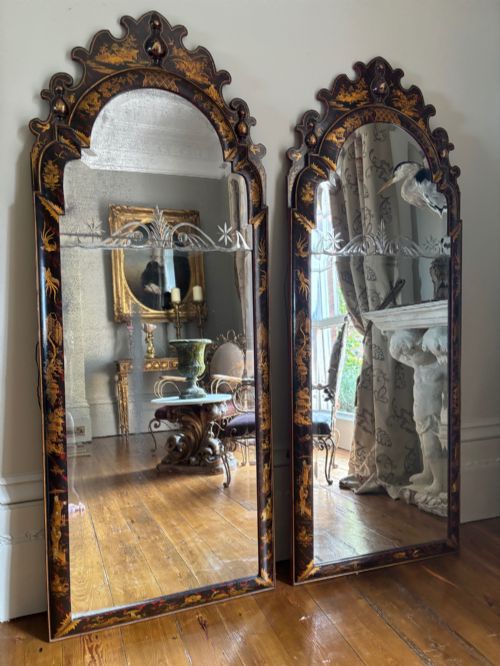
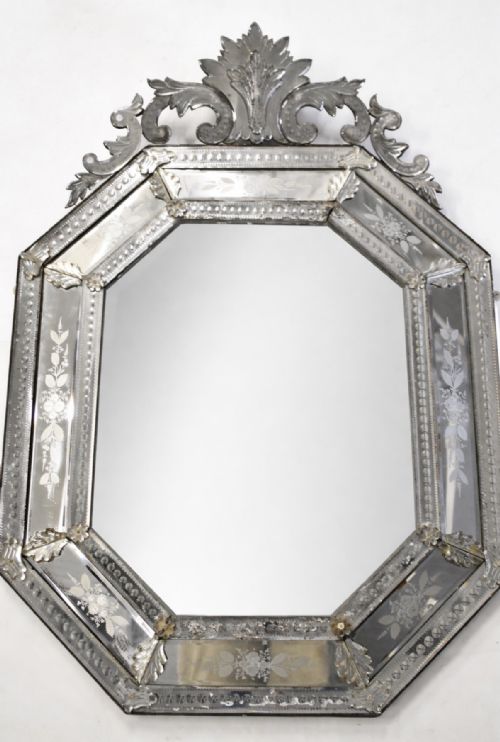
A 19th century style etching search brings up framed prints and works on paper created during the nineteenth century, often reflecting earlier historical periods. You will encounter framed prints alongside related decorative items such as etched glass vessels and mirrors from the same era.
The selection ranges from works after named artists to decorative prints featuring hand colouring. Most pieces date from the Victorian decades between 1860 and 1890, showing various revival influences.
How they were made
Makers utilised paper and glass as primary surfaces, applying ink for printed works and wheel engraving or acid techniques for glassware. Frames and structural elements incorporated wood, gesso, and gilt bronze.
Craftsmen combined traditional carving, gilding, and metalwork to house and complement the printed or etched surfaces. Detail was added through hand colouring on paper and bone inlay on wooden objects.
19th Century Style Etching Retail Price Guide 2026
Typical asking prices for 19th century style etching among the pieces listed under this phrase on Sellingantiques today, from the lower quarter to the upper quarter. They describe what is for sale here now, not the wider market.
The listings combine printed works on paper with decorative glass vessels and gilt-framed mirrors from the Victorian era.
What varies in quality
Quality depends on the crispness of the line work in the etching and the precision of any hand colouring applied to the paper. Superior pieces show careful attention to detail in both the printed image and the surrounding frame or mount.
The materials used for framing and mounting, such as carved wood, gesso, and gilt bronze, heavily influence the overall standard of the object. Finer examples maintain their original surface finishes and structural integrity without heavy restoration.
Elkington·P. Ruiz·Thomas Rowlandson
The 19th Century Style Etching Glossary
- Etching
- A printmaking process where acid cuts into unprotected parts of a metal plate to hold the ink. This technique allows for fine, detailed lines.
- Hand colouring
- The application of watercolour or tint by hand onto a finished monochrome print. It adds visual warmth and individual character to each sheet.
- Gesso
- A plaster-like mixture applied to wood surfaces to prepare them for painting or gilding. It provides a smooth base for intricate decorative moulding.
- Gilt bronze
- Bronze coated with a thin layer of gold, frequently used for decorative mounts and frames. It offers a durable and lustrous metallic finish.
19th Century Style Etching: Frequently Asked Questions
How should I hang a framed print?
Choose a wall away from direct sunlight to protect the paper and any hand colouring from fading over time.
Use appropriate fixings suited to the weight of the frame and the wall construction to ensure secure placement.
What rooms suit these pieces best?
Living rooms and studies provide a suitable environment where detailed prints and decorative items can be viewed closely.
Ensure the room maintains stable humidity levels to preserve the paper, wood, and glass components.
How do I clean an etched glass piece?
Dust the surface gently with a soft, dry cloth to remove loose particles without scratching the material.
Avoid harsh chemical cleaners that might damage the engraved details or any associated metal mounts.
Can I mix different revival styles?
Nineteenth-century makers frequently combined various historical influences, making eclectic displays historically appropriate.
Balance scale and framing materials to create a cohesive look among different objects.