



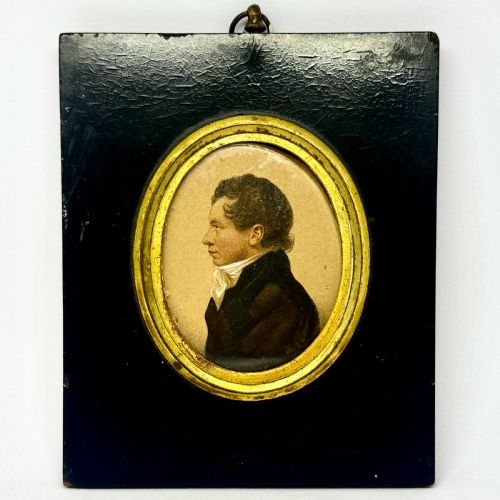


Framed Black Profile
These framed black profile works capture individual likenesses through shadow and line, offering an intimate glimpse into past centuries.
Framed Black Profile
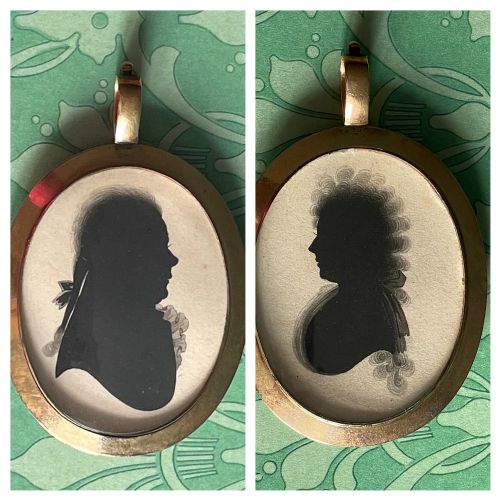
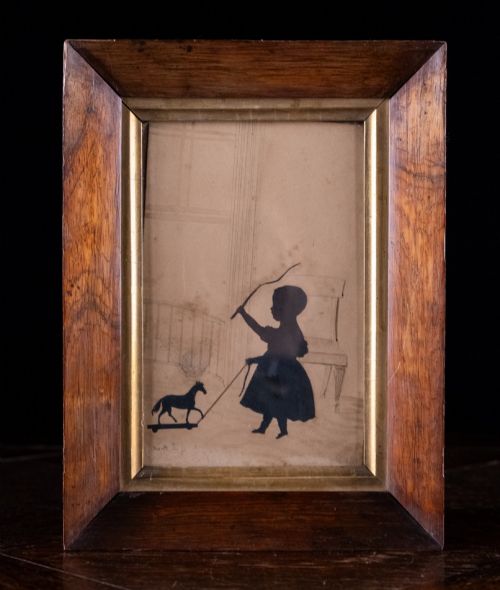
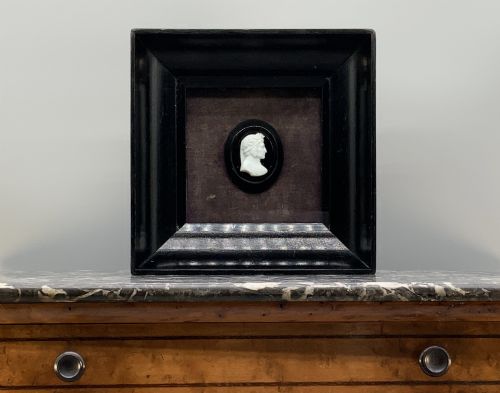
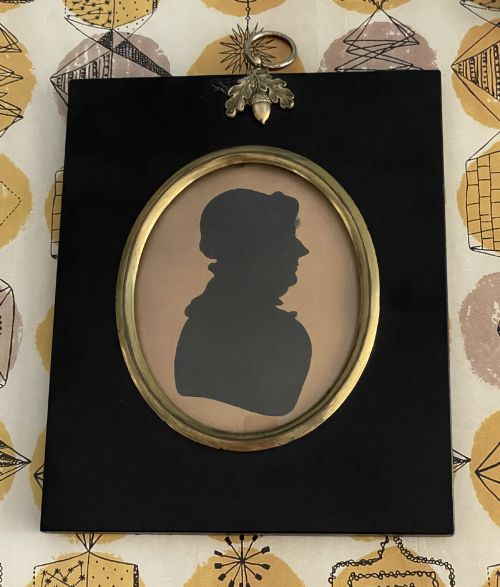
When you search for framed black profile, you encounter portrait miniatures and silhouette portraits capturing subjects from the eighteenth, nineteenth, and early twentieth centuries. These works include silhouettes cut from paper, painted on glass or plaster, and ink studies on paper.
The versions most common on this page date from the Georgian, Regency, and Victorian periods, often framed in ebonised wood or rosewood. They present single figures, couples, or family groups in stark, elegant contrast.
How they were made
Makers utilised paper, card, plaster, glass, and ivory as surfaces for ink, paint, and cut-paper silhouettes. Ebonised wood, rosewood, and brass provided the outer structure for framing these small-scale likenesses.
Techniques ranged from freehand cutting with scissors to precise painting on glass and plaster, sometimes finished with gold leaf highlights to define costume details.
Framed Black Profile Retail Price Guide 2026
Typical asking prices for framed black profile among the pieces listed under this phrase on Sellingantiques today, from the lower quarter to the upper quarter. They describe what is for sale here now, not the wider market.
Materials documented across these listings include glass, paper, wood, brass, ink, ebonised wood, gold leaf, and papier-mâché.
What varies in quality
The standard of execution in cut and painted profiles rests upon the precision of the silhouette artist's hand and the clarity of the sitter's profile. Finer examples display meticulous attention to hair, lace, and costume through delicate brushwork or sharp scissor work.
Framing materials and original mounts also influence the piece, with genuine period rosewood or ebonised wood surrounds and intact brass bezels marking superior preservation.
James Ferguson·Augustin Edouart·Frederick Frith·Thomas London·Alfred Darbyshire·John Miers·John Smith of Edinburgh·John Duncan Fergusson
The Framed Black Profile Glossary
- Silhouette
- A portrait profile filled in with a solid dark colour, typically black, shown side-on. This likeness style became popular in the eighteenth and nineteenth centuries.
- Ebonised wood
- Timber treated to resemble ebony, frequently used for dark, polished frames during the Regency and Victorian eras. It provides a stark contrast against light walls and gilt accents.
- Plumbago
- A drawing executed in graphite, taking its name from the Latin word for lead ore. Artists used this medium for detailed, monochromatic portrait miniatures.
- Gilded silhouette
- A dark profile enhanced with fine gold leaf details applied to indicate costume, lace, or jewellery. This technique added depth and cost to the finished portrait.
Framed Black Profile: Frequently Asked Questions
How do I hang them?
Group several framed black profile pieces together on a small wall space to create a traditional gallery effect. Their compact scale suits narrow alcoves and hallways.
Keep them out of direct sunlight to protect the paper, ink, and painted surfaces from fading over time.
What periods do they cover?
The listings span from the eighteenth century through the Regency and Victorian eras up to the early twentieth century. Georgian and Regency examples often feature hollow-cut or painted glass methods.
Later Victorian and Edwardian pieces show shifts in framing styles and mounting techniques while retaining the core profile format.
Are the frames original?
Many pieces retain their period ebonised wood, rosewood, or brass-mounted frames from the eighteenth and nineteenth centuries. These housings form an integral part of the artwork's history.
Look closely at the reverse of the frame for old trade labels, maker inscriptions, and early backing papers.