





Framed Black and White Picture
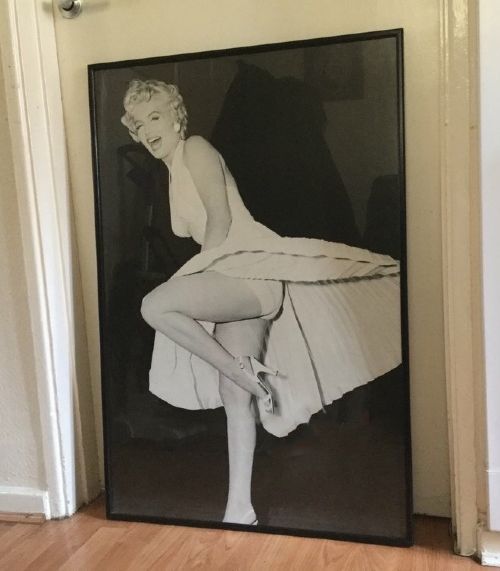
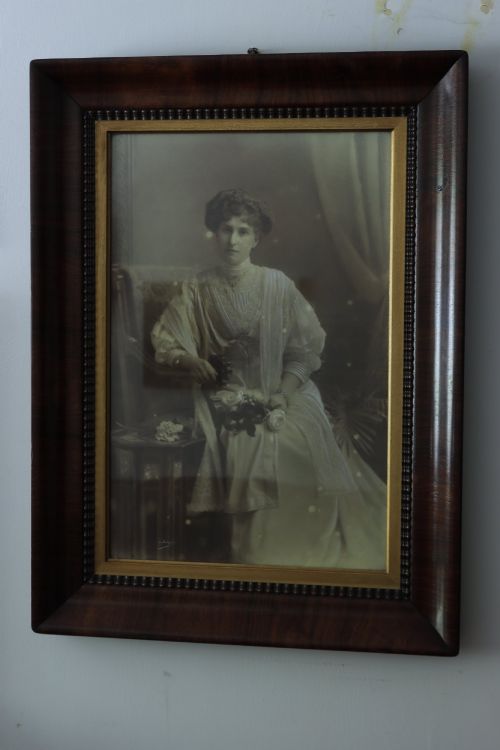
A framed black and white picture brings monochrome dignity to a wall, capturing subjects from botanical studies to dramatic historical scenes in monochrome tones.
Framed Black and White Picture
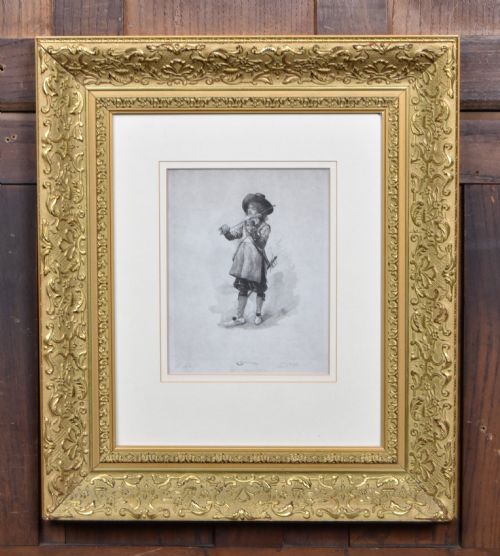
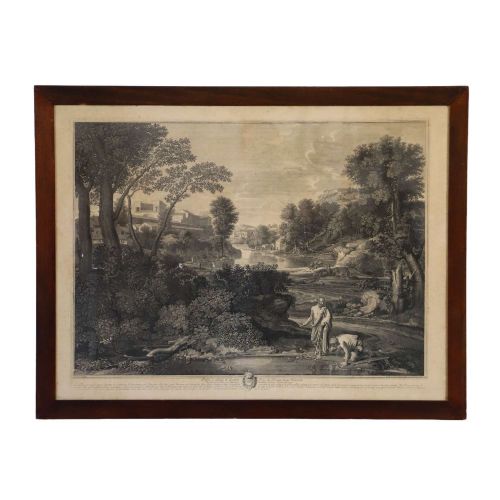
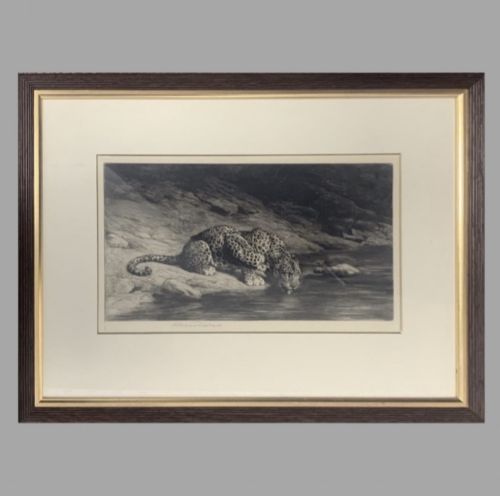
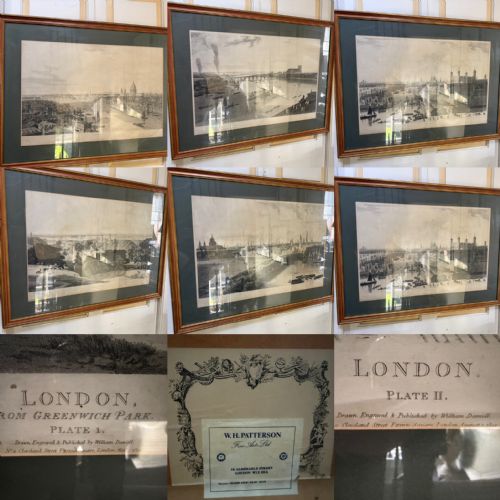
A framed black and white picture encompasses a wide span of historic imagery, ranging from 18th-century engravings and 19th-century etchings to early photographic prints. Buyers seeking these works encounter subjects as diverse as classical landscapes, portraits, nudes, and maritime scenes.
The most common forms on this page include paper prints, engravings, etchings, and monochrome photographs housed within period wooden frames. Pieces stretch across Victorian, Edwardian, and mid-century aesthetics, reflecting the decorative tastes of past centuries.
Origins vary from English political portraits to French classical engravings and alpine photographic views. Each object carries the distinct printmaking or photographic methods of its specific decade, from the 1700s onward.
Materials and construction
These works rely primarily on paper sheets marked with ink, etching, or photographic emulsion, preserved beneath protective glass. Frames are constructed from wood such as mahogany or finished with gilt and gold leaf.
Techniques range from hand-pulled etchings and detailed line engravings to early silver gelatin or sepia photographic prints. The physical support often includes original mounts and historic timber framing that matches the era of the image.
Even a wartime bulldog manages to look remarkably stern inside its vintage frame.
Distinctions in quality
Quality rests heavily on the clarity of the printed impression, the crispness of ink or photographic detail, and the preservation of the paper surface against foxing and fading. Master engravers and signed artist proofs command greater visual authority than standard commercial reproductions.
The integrity of the frame also dictates overall standard, with original period giltwood, mahogany, or carved surrounds holding more historical coherence than later replacements. The nuance of the maker's hand, particularly in etchings and pen and ink drawings, elevates the piece.
Étienne Baudet·Herbert Dicksee·Julian Mandel·Gustave Doré·Adolphe Pannemaker·W. Roffe·Pierre-Joseph Redouté·Tom M. Hemy·David Wilkie
The Framed Black and White Picture Glossary
- Engraving
- A printmaking technique where an image is incised into a metal plate, usually copper or steel, with a cutting tool called a burin. The resulting lines hold ink to transfer sharp details onto paper under pressure.
- Etching
- A method where acid bites into metal plates through a protective ground to create recessed lines for holding ink. This process allows for free-flowing lines similar to a pen drawing.
- Artist proof
- An impression of a print taken before the final edition is made, typically retained by the artist for quality control or personal use. Signed examples carry specific weight among collectors.
- Giltwood
- Wood, often carved timber, treated with a thin layer of gold leaf or gold paint. It provides a reflective, ornate border frequently seen on formal 18th and 19th-century frames.
Framed Black and White Picture: Frequently Asked Questions
How do I date a framed black and white picture?
Dating relies on examining the paper type, printing technique, and framing materials used in the construction. Stylistic clues within the subject matter, alongside signatures and inscriptions, often point to specific decades such as the Victorian or Edwardian eras.
Paper stock and backing boards also reveal age. Older pieces frequently feature handmade papers and traditional joinery on the wooden frames.
What is the difference between an engraving and an etching?
An engraving is cut directly into a metal plate using a sharp tool, resulting in crisp, precise lines with tapered ends. An etching uses acid to bite the lines into the plate, producing a softer, more fluid quality that mimics hand-drawn lines.
Both techniques create monochrome imagery on paper but leave distinct textural marks under close inspection.
Are these pictures in their original frames?
Many pieces retain their original period frames, such as 18th-century mouldings or Victorian giltwood surrounds. Original frames show appropriate signs of age and wear that match the era of the enclosed artwork.
Some items may have been reframed later in their lifespan to protect fragile paper or to suit changing interior decoration styles.
How should I care for a historic paper picture?
Historic paper prints and photographs require protection from direct sunlight to prevent fading and yellowing of the paper. Keeping them away from excessive moisture and fluctuating humidity protects both the ink and the surrounding wooden frame.
Displaying them in stable indoor environments ensures the longevity of delicate paper and glass mountings.