

Framed Animal Art
Framed antique animal art brings historical portraiture of dogs, horses, livestock, and wild beasts into domestic spaces with lasting craft.
Framed Animal Art
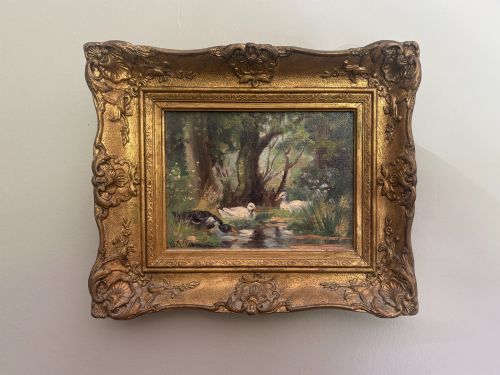
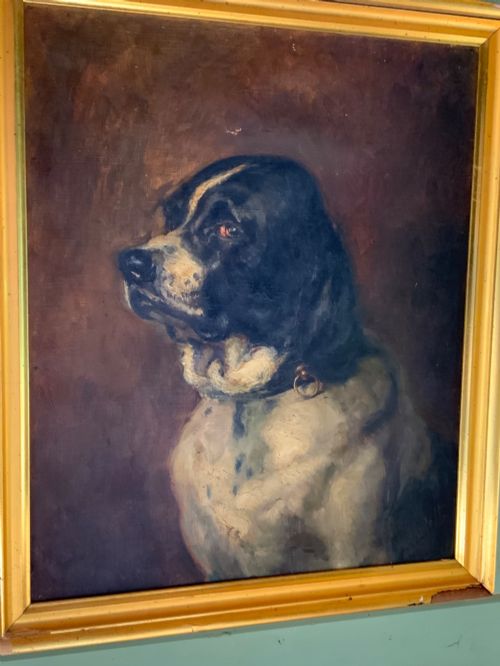
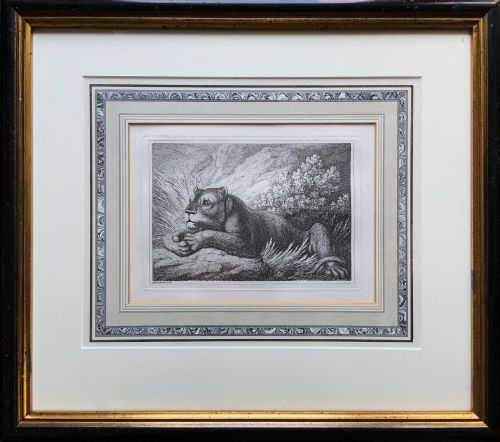
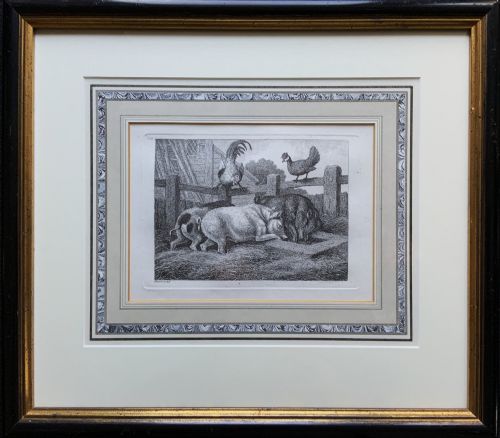
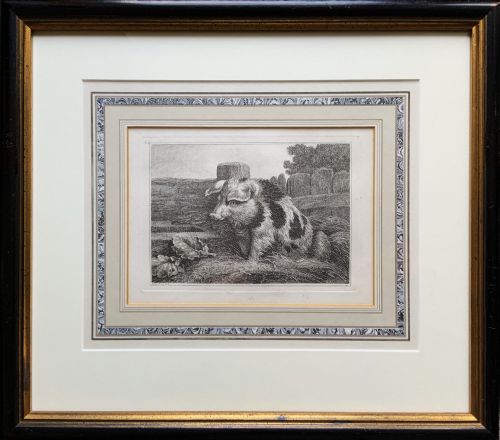
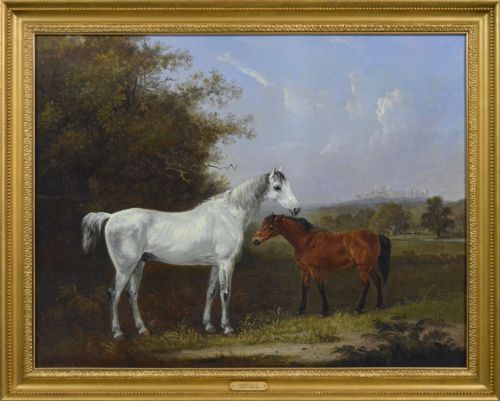
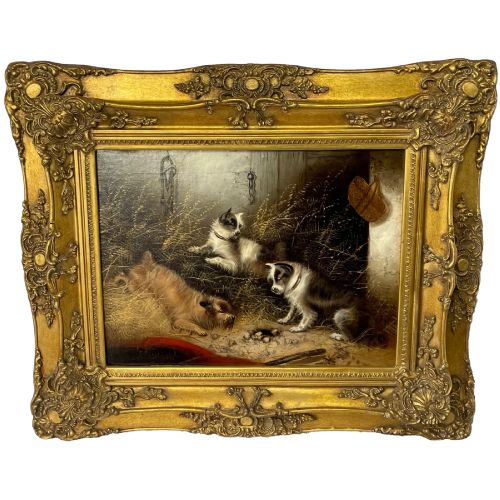
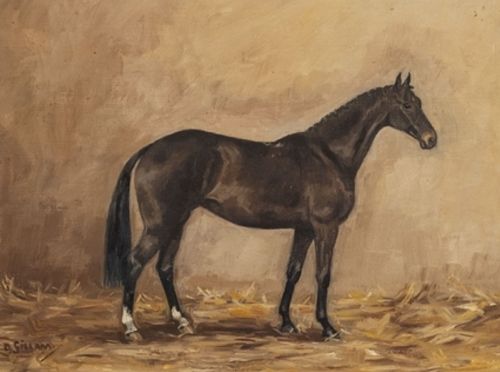
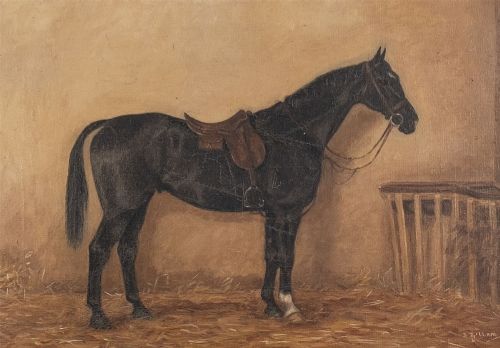
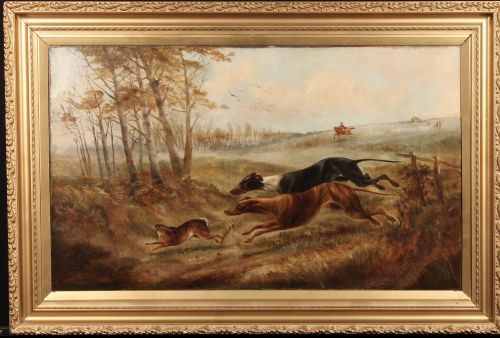
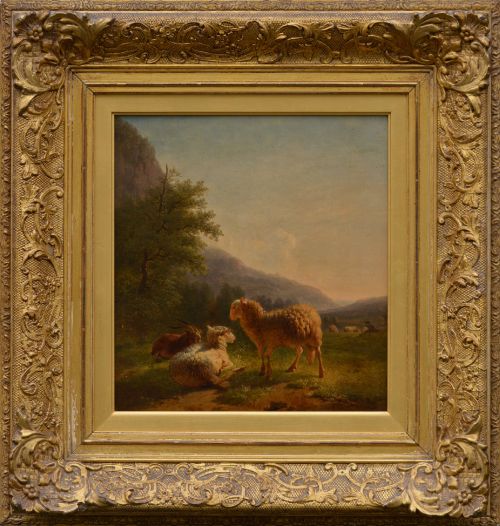
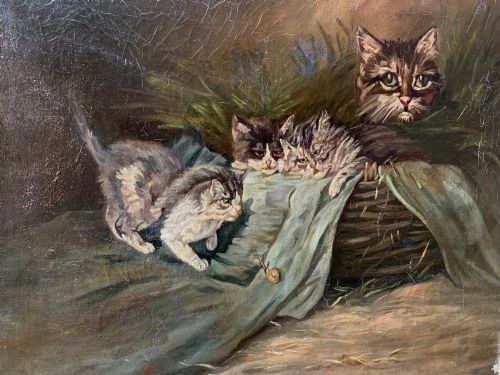
Framed antique animal art encompasses oil paintings, watercolours, etchings, drawings, and chromolithographs produced across the nineteenth and early twentieth centuries. These works record prized livestock, domestic pets, sporting dogs, and wild animals within period enclosures.
The selections available lean heavily towards Victorian and Edwardian portrayals, featuring oil on canvas, wood panels, and detailed works on paper. Domestic dogs, horses, farmyard cattle, and exotic cats dominate the subject matter.
Such items originate from British and European schools, reflecting rural traditions, sporting pursuits, and domestic companion culture of past centuries. Each piece preserves the physical likeness of creatures through traditional mediums.
How they were made
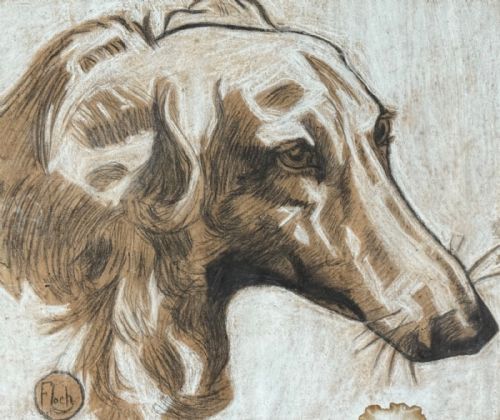
Artists utilised oil paint on canvas or board, watercolour, gouache, pencil, and pastel applied to paper or buff paper. Printmakers employed etching techniques on paper and vellum alongside hand-coloured engravings and chromolithographs.
Finished works received period protection through wooden frames, frequently incorporating giltwood mouldings, glass covers, and gold leaf accents. Textile pieces also surface, utilising wool work mounted for display.
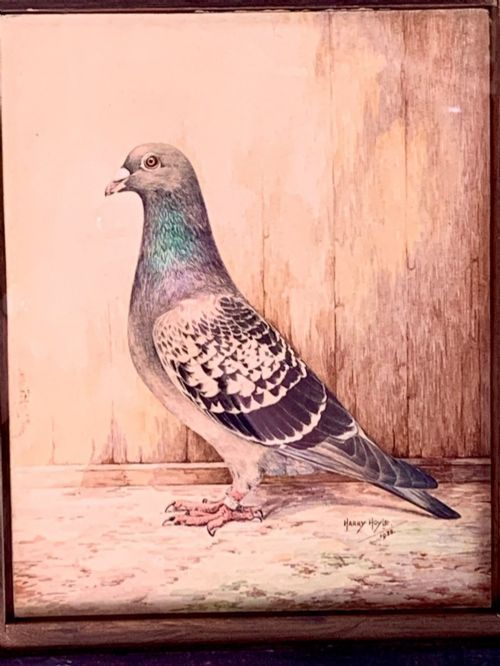
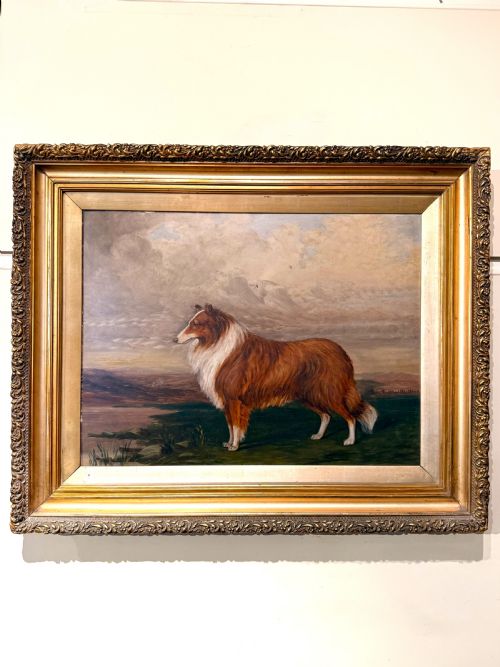
Pigeons, monkeys, and prize bulls share wall space with pampered pugs, lapdogs, and fierce leopards.
What varies in quality
Anatomical precision and the natural rendering of fur, feather, and muscle structure distinguish accomplished animal portraiture from standard decorative output. Master hands capture individual character and alertness rather than generic silhouettes.
The integrity of the original support, the stability of the paint or ink medium, and the preservation of early framing elements dictate the standing of individual pieces.
Eugène Verboeckhoven·Herbert Dicksee·Edgar Hunt·Albert Clark·George Augustus Holmes·Henry Barraud·Fred Fitzpatrick·Horatio Henry Couldrey
The Framed Animal Art Glossary
- Etching
- A printmaking process where lines are bitten into a metal plate with acid before ink is applied and transferred to paper or vellum. This technique allows for fine, expressive detail.
- Chromolithograph
- A multicoloured print produced through lithographic stones, capturing tonal gradations of original artworks. These were popular for reproducing paintings in the nineteenth century.
- Giltwood
- Wood that has been coated with a thin layer of gold leaf or powder. It provides reflective framing for traditional artworks.
- Vellum
- A fine parchment prepared from calfskin, utilised as a durable drawing or printing surface. Etchings pulled on vellum often display rich ink absorption.
Framed Animal Art: Frequently Asked Questions
What periods do these artworks cover?
The listings span from the nineteenth century through the Edwardian era into the early twentieth century, incorporating Victorian realisms and sporting art traditions.
Dating relies on stylistic clues, artist signatures, and framing materials typical of those periods.
How were these animal portraits used?
Owners commissioned portraits of prized livestock, hunting dogs, and beloved pets to celebrate agricultural success or domestic companionship.
They hung in country houses, stables, and parlours as markers of status and affection.
How do I care for framed antique art?
Keep works away from direct sunlight and damp environments to protect paper supports, canvas integrity, and gold leaf frames.
Maintain stable indoor temperatures to prevent wood warping and pigment cracking.
How do I distinguish mediums?
Oil paintings display textured brushwork on canvas or board, while watercolours and pastels present flatter applications on paper.
Etchings reveal fine, incised lines under magnification, distinct from printed reproductions.