


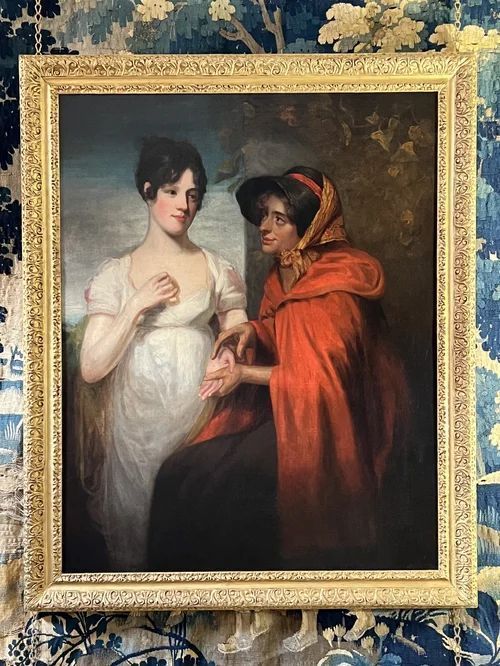
Framed 18th Century Painting
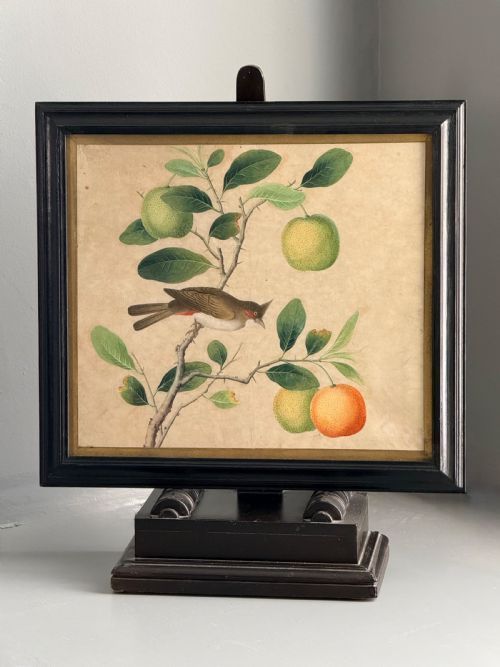
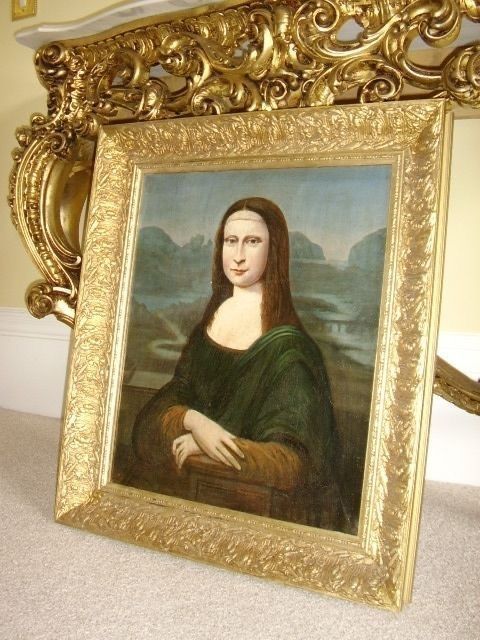
A framed 18th century painting brings period depth and authentic portraiture into a room through surviving canvases and panels.
Framed 18th Century Painting
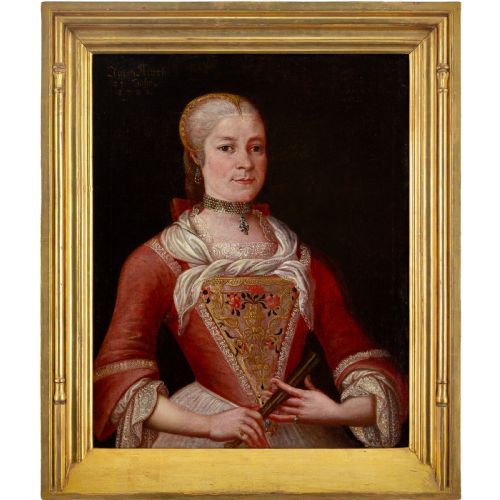
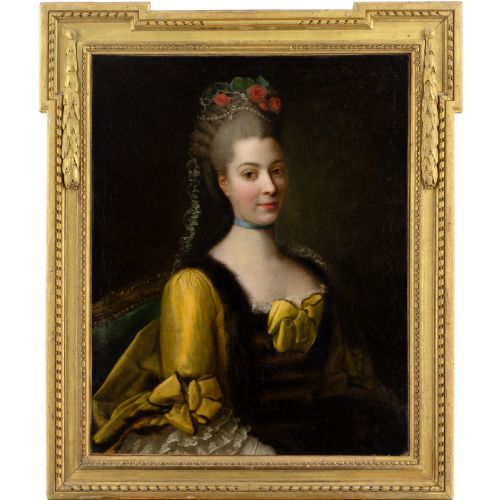
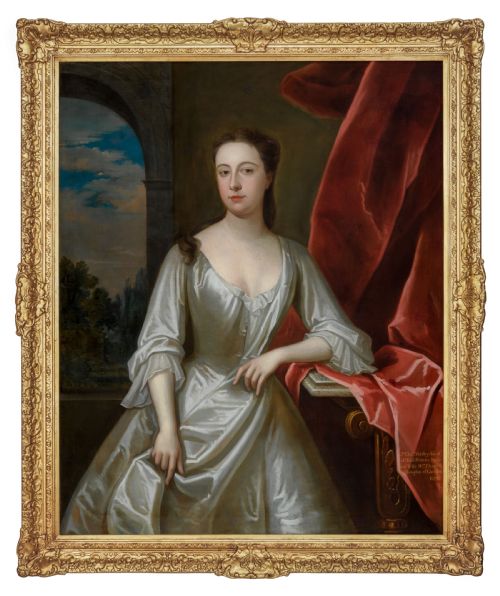
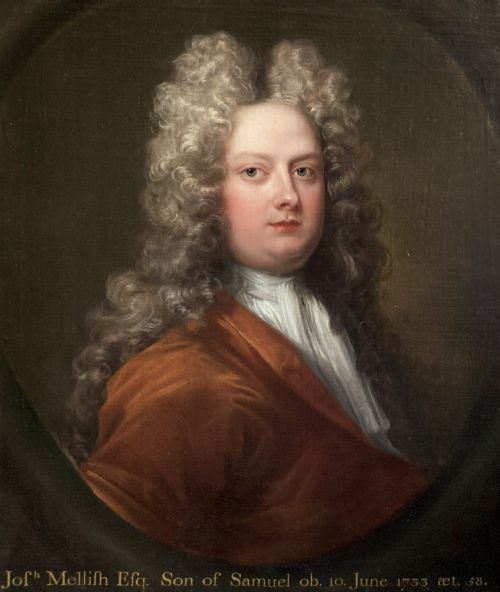
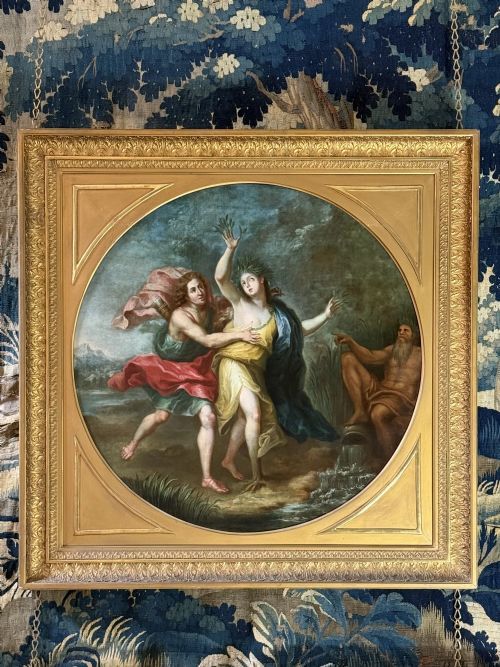
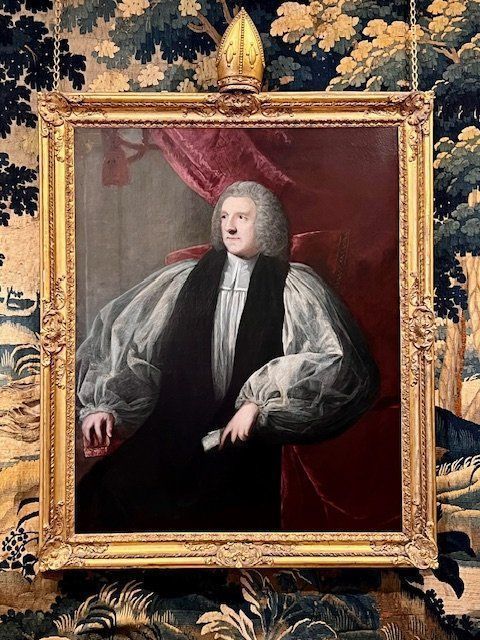
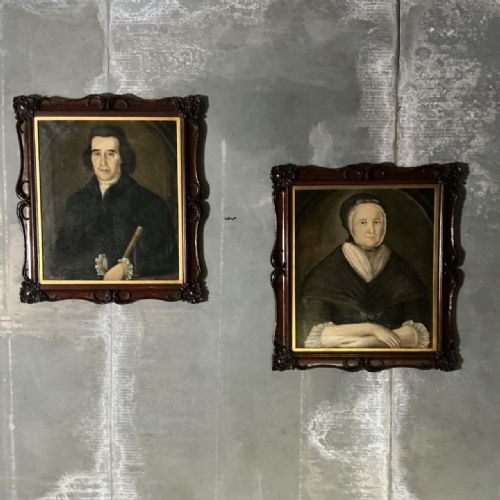
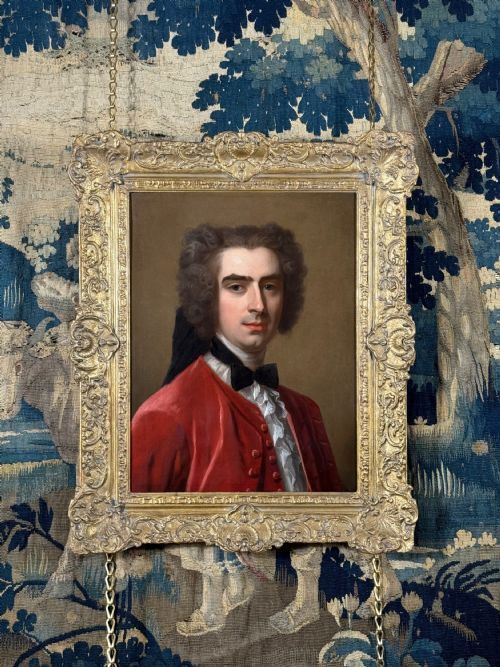
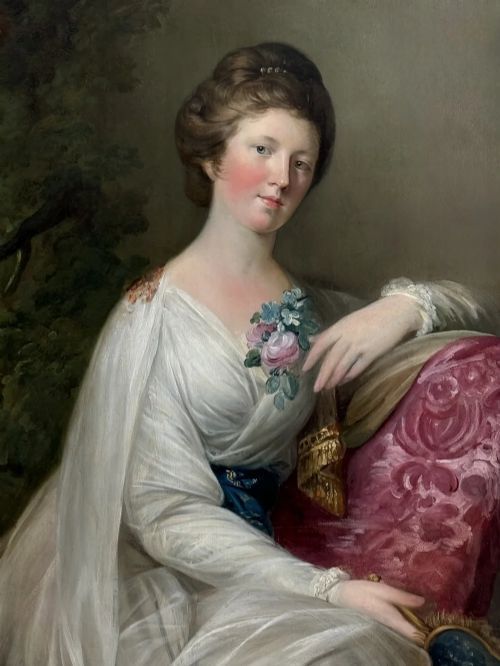
A framed 18th century painting typically presents portraits of sitters from the Georgian era, executed in oils on canvas or wood panel, alongside classical scenes and genre works.
Buyers encounter oil paintings depicting British and European gentry, clergymen, and military officers, often attributed to specific circles or regional schools.
The selection also spans smaller formats such as portrait miniatures, pastel works, and reverse glass mezzotints housed in period surrounds like giltwood frames.
How They Were Made
Artists painted primarily with oil on stretched canvas or wooden panels, building up layers of pigment to achieve depth in drapery and facial tones.
Frames utilise carved wood finished with gold leaf or gesso, while specialised works employ reverse glass techniques or delicate watercolour on ivory and paper.
Listings feature works created across the seventeenth, eighteenth, and nineteenth centuries, executed in oil, pastel, and gouache.
What Varies in Quality
The originality and period harmony of the surrounding frame contribute significantly to the overall integrity of the piece.
Sir Godfrey Kneller·Charles Jervas·Sir Joshua Reynolds·Jean-Baptiste Van Loo·James Sharples
The Framed 18th Century Painting Glossary
- Oil on Canvas
- Pigment mixed with drying oil applied to a woven fabric support stretched over a wooden frame. This medium dominated fine art production through the Georgian period.
- Giltwood
- Wood carved and coated with gold leaf or gold dust suspended in a sizing mixture. It provides the reflective borders typical of formal Georgian framing.
- Portrait Miniature
- A small, highly detailed painting executed on materials such as ivory, vellum, or card. These intimate items were frequently commissioned to commemorate family members.
- Reverse Glass Mezzotint
- An image transferred onto glass and hand-coloured from behind, creating a smooth, luminous finish. Publishers produced these affordable prints for domestic interiors.
- Pastel
- A medium consisting of powdered pigment combined with a binder and moulded into sticks. Artists used it on paper to capture soft skin tones and subtle lighting effects.
Framed 18th Century Painting: Frequently Asked Questions
How do I identify a genuine period canvas?
Examine the rear of the canvas or panel for signs of age, including oxidized pigments, oxidised wooden stretchers, and historical collection labels.
Compare the tacking edges and weave density with known manufacturing methods of the Georgian era to confirm historical consistency.
Were these artworks always framed in wood?
Most works of this era were housed in carved wooden surrounds finished with gesso and gold leaf, designed to complement the interior aesthetics of the period.
Some smaller formats, such as miniatures, utilised specialised surrounds incorporating brass, leather, or even ivory.
What subjects are most common?
Portraiture dominates the surviving output, depicting identifiable gentry, military officers, clergymen, and aristocrats from British and European circles.
Classical narrative scenes, marine subjects, and topographical landscapes also appear less frequently within the wider selection.
How should I care for an antique oil painting?
Keep the artwork away from direct sunlight, high humidity, and rapid temperature fluctuations that can cause canvas slackening or wood warping.
Dust the surface gently with a soft, dry brush and avoid applying liquid cleaners to the painted areas or the gilded frame.