




Historical Child Portrait Oil
These historical child portrait oil paintings bring centuries of aristocratic and domestic youth into your rooms with remarkable presence.
Historical Child Portrait Oil
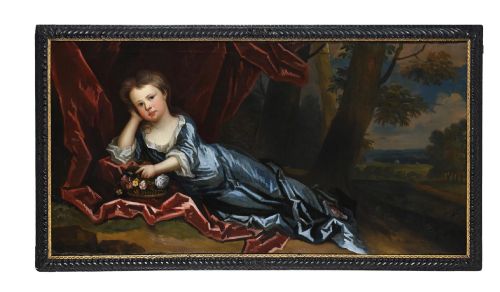
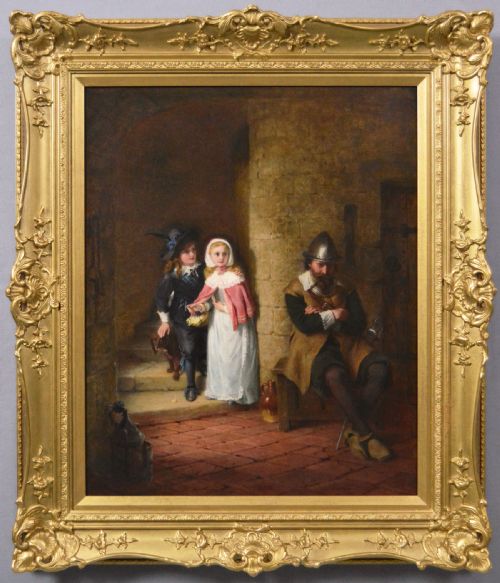
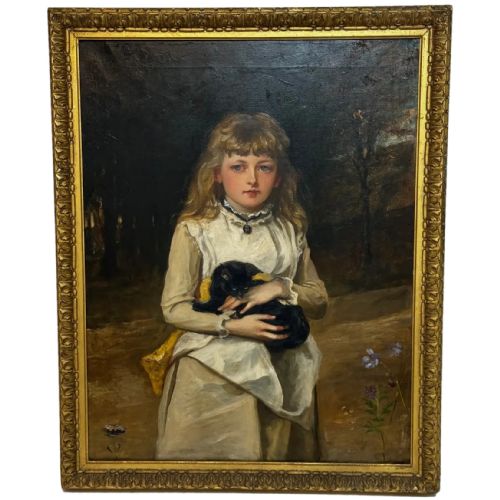
A historical child portrait oil captures youthful subjects from past centuries, ranging from seventeenth-century works to Victorian canvases. You will frequently encounter eighteenth-century English school pieces alongside specific works depicting named individuals and their pets.
The subjects appear in formal garden settings, interior spaces, or architectural backdrops, dressed in the formal attire of their respective periods. Many compositions include cherished animals such as dogs and kittens to denote status and affection.
Most examples originate from British hands, capturing aristocratic scions or familial bonds with distinct painterly conventions. The selection spans Baroque compositions through to later nineteenth-century genre pieces.
Materials and technique
Artists painted these works using oil paint applied to stretched canvas surfaces, allowing for deep tonal gradations and rich colour blending. Canvas preparation involved priming layers that support the longevity of the pigment over centuries.
Original frames often consist of carved wood enhanced with gilt or giltwood finishes, reflecting the decorative tastes of the period. These ornate surrounds complement the depth and presence of the oil medium.
The current selection spans from the seventeenth century through to the Victorian era, executed in oil on canvas with giltwood frames.
Judging quality
The skill in rendering facial expressions and youthful anatomy separates masterworks from standard studio production. Superior artists capture lifelike skin tones and subtle psychological depth in the child's gaze.
The handling of surrounding textiles, foliage, and accompanying animals indicates the painter's proficiency within the workshop or studio. Finer pieces demonstrate confident brushwork in the lace, velvet, and background landscapes.
Charles D’Agar·Sir Allan Ramsay·George Bernard O'Neill·Sir Joshua Reynolds·Mary Beale·Henry Weigall·Johann Kerseboom·George Knapton
The Historical Child Portrait Oil Glossary
- Oil on canvas
- A traditional painting medium consisting of pigments suspended in drying oils, applied to a woven fabric support. This combination permits rich blending and durable preservation.
- Giltwood
- Timber that has been coated with a thin layer of gold leaf or powder. It provides a bright, reflective border to historical canvases.
- English School
- A designation for artists working within England whose styles share common national traditions rather than a single master. It helps categorise anonymous historical works.
- Genre painting
- The pictorial representation of scenes from everyday life, often featuring narrative elements. In this context, it describes children engaged in daily or pastoral settings.
Historical Child Portrait Oil: Frequently Asked Questions
How do I date an old portrait?
Examine the costume, hairstyle, and framing conventions, which closely follow the fashion of the sitter's era. Canvas preparation and stretcher construction also offer clues regarding the century of creation.
Compare the brushwork and handling of pigment with documented works by contemporary artists or regional schools. Pigment analysis and canvas stamps can further narrow the chronological window.
What is an English School painting?
This term refers to works created by artists working in England whose exact authorship remains unrecorded or attributed broadly. These pieces reflect the dominant aesthetic and technical standards of British portraiture during specific centuries.
Such works often carry significant artistic merit despite lacking a signed attribution. They represent the broader cultural output of portraiture studios across generations.
How should I care for an oil painting?
Keep the canvas away from direct sunlight, extreme temperature fluctuations, and high humidity to prevent cracking and warping. Maintain stable indoor conditions to preserve both the paint layer and the wooden stretcher.
Dust the surface gently with a soft, dry brush or feather duster without applying pressure. Avoid using liquid cleaners or touching the pigment directly.
Why did families commission child portraits?
Parents commissioned these works to document the appearance and social standing of their offspring during periods of high childhood mortality. Such portraits celebrated lineage, inheritance, and familial affection within the household.
These canvases served as permanent records of youth and status, often displayed prominently in family estates. Pets and specific toys were included to symbolise virtue, gentility, and wealth.