


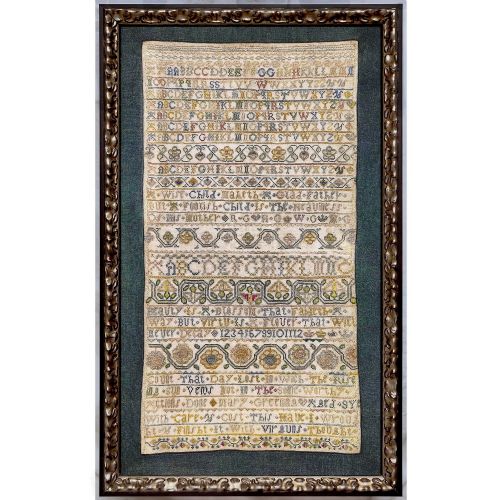


Framed 18th Century Needlework
These framed 18th century needlework pieces bring centuries-old textile artistry and hand-stitched heritage straight onto your wall.
Framed 18th Century Needlework
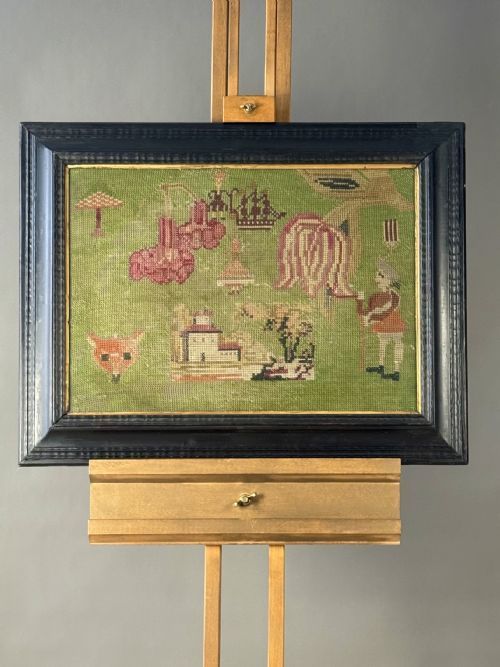
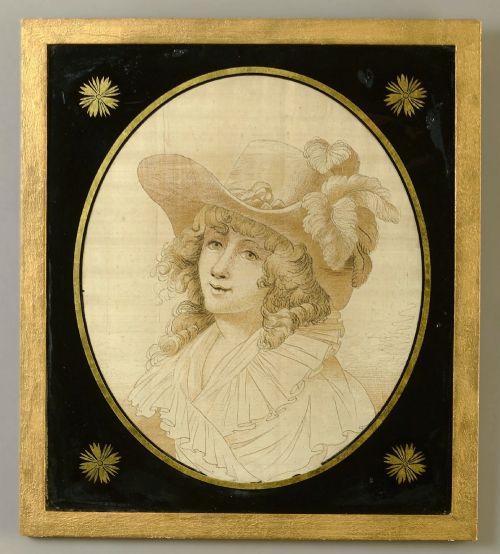
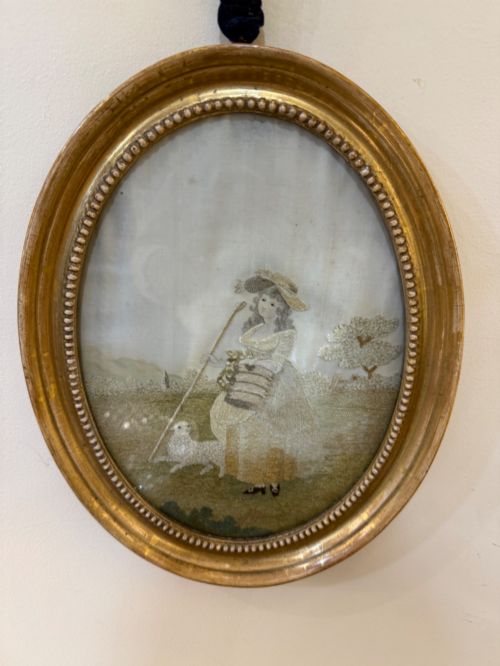
When you search for framed 18th century needlework, you encounter historical textile art originating predominantly from the Georgian era. These pieces include samplers, pastoral farming pictures, maps, portraits, and religious scenes created to showcase domestic skill.
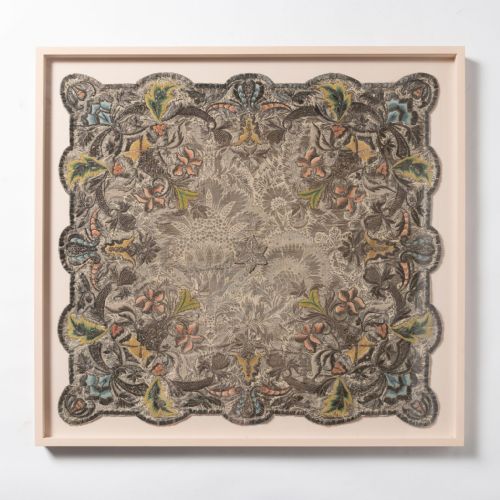
You meet various formats here, from embroidered silk panels and wool pictures to band samplers and regional Greek island embroideries. Most examples survive preserved behind glass within period wood, giltwood, or gilded wooden frames.
How they were made
Maker's hands worked colourful silk floss, wool, and metal threads onto supportive grounds of linen using diverse embroidery stitches. Needlework pictures often combined these soft textile mediums with woven silk backgrounds to achieve detailed pictorial depth.
The listings show pieces spanning the 17th, 18th, and 19th centuries, incorporating materials like silk, wool, linen, glass, and giltwood.
What varies in quality
Quality rests upon the precision of the stitching, the complexity of the pictorial subject matter, and the survival condition of the delicate silk and metal threads. Pictorial scenes featuring intricate figures or detailed pastoral landscapes demand greater technical skill than standard lettering samplers.
The integrity of the original framing elevates a piece, particularly when housed in period giltwood, water gilded ovals, or octagonal wooden frames that complement the textile within.
Mary Greening·Sarah Reading·Susan Mary Williams
The Framed 18th Century Needlework Glossary
- Sampler
- A piece of needlework produced as a demonstration or test of skill in various stitches and patterns. These often incorporate alphabets, numerals, and moral verses alongside decorative motifs.
- Metal thread
- Fine wire made of gold, silver, or gilt metal used in embroidery to add shimmering detail and reflective highlights. It requires careful handling by the maker to secure it evenly to the linen ground.
- Giltwood
- Wood that has been coated with a thin layer of gold leaf or gilt paint. It is frequently found shaping the borders of period picture frames.
- Band sampler
- An early format of needlework featuring horizontal rows of distinct embroidery patterns arranged in bands. They served as physical reference libraries of stitches for the maker.
- Reverse glass print
- An image created by painting or transferring an engraving onto the reverse side of a glass panel. Though distinct from embroidery, these appear alongside textile works within the same domestic aesthetic.
Framed 18th Century Needlework: Frequently Asked Questions
How were these needlework pictures displayed?
Makers and owners traditionally mounted these textile works behind glass inside wooden or gilded frames for wall hanging. This enclosure protected fragile silk and wool threads from dust and atmospheric damage.
Displaying them away from direct sunlight preserves the vibrant colours of the original embroidery threads over subsequent centuries.
What subjects appear on these samplers?
Makers stitched diverse subjects ranging from religious texts like the Lord's Prayer to educational geography maps of England and Wales. Other popular themes include pastoral farming pictures, portraits, and domestic employment scenes.
Personal samplers often recorded the name of the maker and the date of completion, providing a direct link to the individual who stitched them.
How do I care for framed antique textiles?
Protect the fabric by keeping pieces out of direct sunlight to prevent the silk and wool threads from fading. Maintain stable room temperatures to avoid humidity changes that affect old linen grounds and wooden frames.
Leave the glass seal intact and avoid opening the frame, as antique textiles are extremely fragile when exposed to modern indoor environments.
Can I identify when a piece was made?
Many samplers and pictorial embroideries include stitched dates or maker names that explicitly record their year of origin. Stylistic clues such as Georgian costume details, French Rococo motifs, or specific frame profiles also help narrow down the period.
Comparing the materials, such as silk floss versus metal thread, offers further insight into the manufacturing decade.